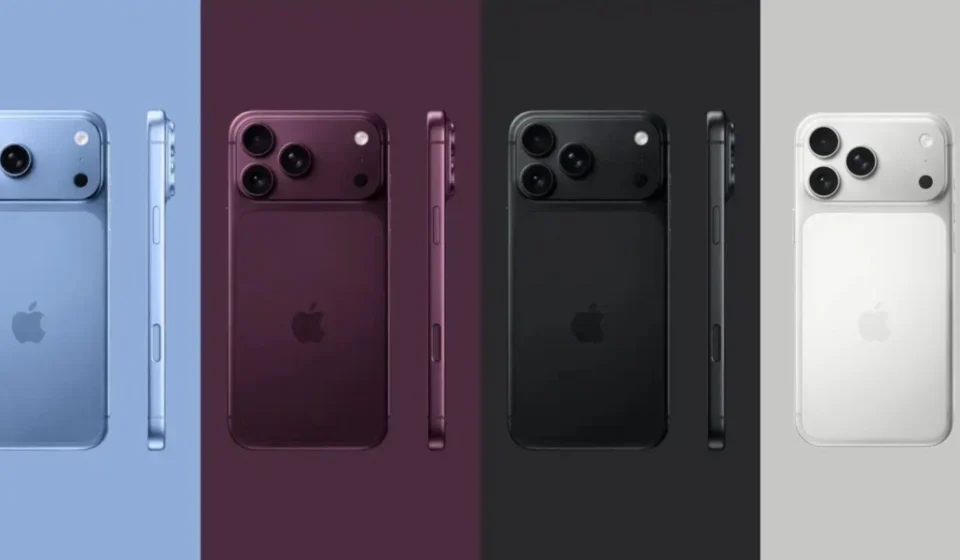
Apple Gears Up for September iPhone 18 Series Launch with In-Person Event Preparations

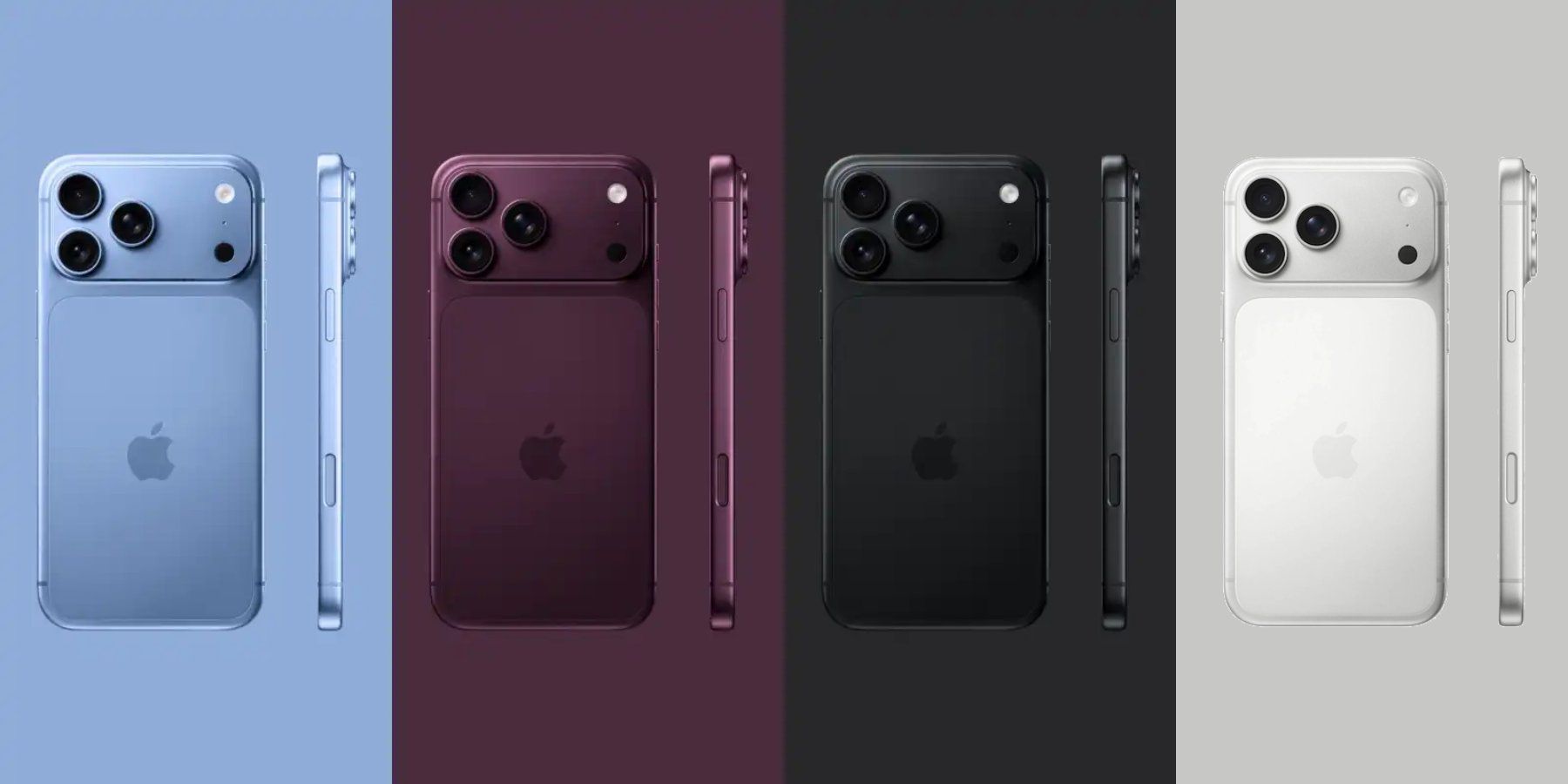
Apple is meticulously orchestrating its highly anticipated September iPhone event, a pivotal moment in the company’s annual product cycle. This year’s unveiling is widely expected to introduce the groundbreaking iPhone 18 Pro, its larger counterpart, the iPhone 18 Pro Max, and a revolutionary new foldable iPhone model, signaling a significant expansion of Apple’s smartphone portfolio. As preparations intensify, the tech giant is engaging its U.S. retail workforce through an Event Support Experience Program lottery, inviting select employees to contribute to the in-person media gathering at its iconic Apple Park campus. This initiative underscores the scale and importance Apple places on these flagship product launches, aiming to provide a seamless and impactful experience for global media representatives.
The Event Support Experience Program: Mobilizing Retail Talent
The Event Support Experience Program, as reported by Bloomberg, represents a strategic move by Apple to leverage its extensive retail staff for critical event operations. Employees selected through this lottery will be instrumental in managing various logistical aspects of the media event. Their responsibilities will encompass organizing attendee queues, facilitating guest check-ins, providing directional assistance, extending welcoming greetings, and offering crucial support to security personnel. This program not only ensures the smooth execution of the event but also offers a unique opportunity for retail employees to engage directly with Apple’s core product introduction process, fostering a deeper connection with the brand and its innovations.
The selection process involves a lottery system, with applications open until August 8th. Apple plans to notify the successful candidates on August 17th, providing them with ample time to make arrangements for their travel and participation. While details regarding travel and lodging arrangements for selected employees are typically covered by Apple, the program specifically excludes retail workers who participated in staffing the Worldwide Developers Conference (WWDC) or the iPhone launch event in 2025. This exclusion likely aims to broaden the opportunities for different employees to experience such events and to manage logistical complexities.
Unveiling the Timeline: A September Spectacle
While Apple remains tight-lipped about the exact date, internal communications suggest the iPhone event will unfold during the first half of September. Industry analysts and long-time observers of Apple’s event cadence point towards Tuesday, September 8th, or Wednesday, September 9th, as the most probable dates. The proximity of Labor Day, observed on Monday, September 7th, plays a significant role in this projection. Historically, Apple often allows media attendees a day to travel following the holiday before commencing its keynote presentations. This practice makes Wednesday, September 9th, a particularly strong contender for the official announcement.
The significance of September for iPhone launches is deeply ingrained in Apple’s strategy. This month has consistently served as the platform for unveiling new iPhone models, setting the stage for their release in the latter half of the month and subsequent availability to consumers. The iPhone 18 Pro, iPhone 18 Pro Max, and the anticipated foldable iPhone are expected to follow this established pattern, with pre-orders likely commencing shortly after the announcement and the devices reaching store shelves within a week or two.
The iPhone 18 Series: A Glimpse into Future Innovations
The iPhone 18 Pro and iPhone 18 Pro Max are poised to represent the latest iteration of Apple’s flagship smartphone line, building upon the established success of their predecessors. While specific details remain under wraps, rumors and industry speculation suggest a range of enhancements that will further refine the user experience and push the boundaries of mobile technology. These anticipated advancements often include iterative improvements in processing power, camera capabilities, battery efficiency, and display technology.
The introduction of a foldable iPhone model, however, marks a more significant departure and a potential game-changer for Apple’s product strategy. The foldable smartphone market, though still nascent, is gaining traction, with competitors already offering innovative designs and functionalities. Apple’s entry into this space is expected to be characterized by its signature focus on user experience, robust hardware integration, and seamless software optimization. The design, hinge mechanism, and display durability will be key areas of scrutiny for this novel device, which could redefine user interaction with mobile devices.
Broader Context: Apple’s Event Strategy and Market Impact
Apple’s September iPhone event is not merely a product launch; it is a meticulously crafted spectacle designed to generate global excitement and set the tone for the company’s fiscal year. These events serve as powerful marketing platforms, allowing Apple to directly communicate its vision and technological prowess to consumers, developers, and investors alike. The carefully curated presentations, often featuring charismatic keynotes and detailed demonstrations, aim to build anticipation and solidify the desirability of the new products.
The consistent timing of these events also provides a predictable cadence for the technology industry, influencing the release schedules of competitors and the expectations of the market. The anticipation surrounding the iPhone 18 series is amplified by the company’s consistent track record of innovation and its substantial market share. The success of these new models will undoubtedly have a ripple effect across the smartphone ecosystem, influencing consumer purchasing decisions and driving further advancements in mobile technology.
Supporting Data and Historical Precedents
Apple’s iPhone events have historically been significant drivers of its financial performance. The iPhone remains Apple’s largest revenue generator, and each new generation is expected to contribute substantially to the company’s quarterly earnings. For instance, the iPhone 17 series, launched in September 2025, reportedly saw robust sales, contributing to Apple’s record-breaking revenue figures in the subsequent quarters. While specific sales projections for the iPhone 18 series are not yet available, the introduction of a foldable model could open up new revenue streams and capture a segment of the market that has been awaiting Apple’s interpretation of this form factor.
The company’s ability to maintain strong sales momentum for its flagship products year after year is a testament to its brand loyalty, ecosystem integration, and continuous innovation. The iPhone 18 Pro and Pro Max are expected to build upon this legacy, while the foldable iPhone represents a bold step into a new frontier of mobile computing. The market’s reaction to these devices will be closely watched, providing insights into the future direction of smartphone design and functionality.
Analysis of Implications: Beyond the Launch
The implications of Apple’s September event extend far beyond the immediate sales figures. The introduction of a foldable iPhone, in particular, could catalyze broader industry adoption of this technology. Apple’s meticulous approach to design and user experience has often set de facto standards for emerging technologies, and its entry into the foldable space could accelerate the refinement of hinge mechanisms, display materials, and software optimization for flexible screens. This could lead to a wave of new foldable devices from other manufacturers, further diversifying the smartphone market.
Furthermore, the continuous evolution of the Pro models, with potential enhancements in areas like satellite connectivity for emergency services or more advanced AI capabilities integrated into the operating system, signals Apple’s commitment to pushing the envelope in mobile computing. These advancements not only enhance the user experience but also have the potential to redefine how we interact with our devices and access information. The integration of more sophisticated on-device AI processing, for example, could enable more powerful and personalized features, further cementing the iPhone’s role as an indispensable tool in our daily lives.
The success of the iPhone 18 Pro and Pro Max will also be crucial in maintaining Apple’s competitive edge in a market that continues to see intense rivalry. While the premium segment remains a stronghold for Apple, the company must continually innovate to justify its pricing and retain customer loyalty. The anticipated features and potential refinements in the iPhone 18 series are designed to meet these expectations and reinforce Apple’s position as a leader in the premium smartphone market. The company’s strategic decision to involve its retail employees in the event’s execution highlights a commitment to operational excellence and a recognition of the vital role its frontline staff plays in delivering the Apple experience to customers. This comprehensive approach, from product development to event logistics, underscores Apple’s unwavering dedication to delivering high-impact product launches that resonate with consumers worldwide.