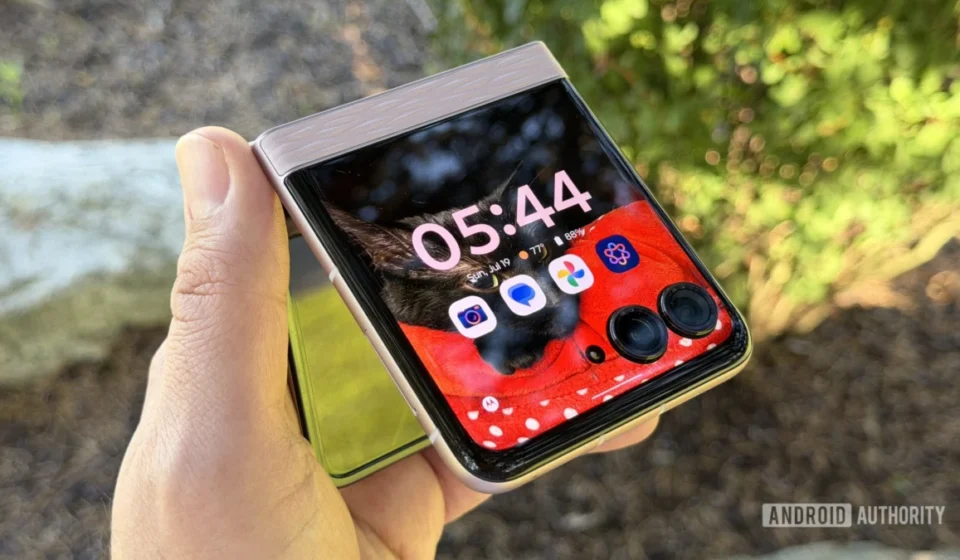
Motorola Expands Android 17 Beta Program to a Wide Array of Razr, Edge, and Moto G Devices

Android 17 has been officially available on Google Pixel devices for several weeks, establishing a new benchmark for software innovation and user experience within the Android ecosystem. While Pixel users have been enjoying the latest features and security enhancements, owners of other Android devices have been patiently awaiting their respective manufacturers to roll out the update. In a significant move towards bridging this gap, Motorola has announced a substantial expansion of its Android 17 beta program, extending access to a much wider selection of its popular Razr, Edge, and Moto G smartphone lines. This initiative underscores Motorola’s commitment to delivering timely software updates and integrating cutting-edge Android functionalities across its diverse portfolio, from premium foldables to accessible budget-friendly models.
The expansion of the Android 17 beta was first brought to light by Nokiamob, which identified new testing opportunities detailed on Motorola’s official community forums. This strategic move by Motorola aims to gather crucial user feedback and identify potential issues before the stable public release, ensuring a smoother transition for its vast user base. The eligible devices represent a broad spectrum of Motorola’s current offerings, reflecting the company’s intent to bring the Android 17 experience to a significant portion of its clientele.
Eligible Devices and Regional Availability
The list of smartphones now eligible for the Android 17 beta program includes several key models across Motorola’s product hierarchy. For its innovative foldable series, the Razr 70 Plus and the Razr Plus 2026 are now included. These devices, representing the pinnacle of Motorola’s design and engineering, are crucial for showcasing the new Android experience in a foldable form factor. The premium Edge 70 series, known for its strong performance and camera capabilities, also joins the beta roster. Furthermore, Motorola is extending the beta to its highly popular and accessible Moto G series, encompassing the Moto G Power 2025 and 2026, the standard Moto G 2025 and 2026, and the Moto G Play 2026.
It is important for prospective testers to note that while the list of eligible devices is comprehensive, availability to sign up for the beta program may vary significantly by device model and geographical region. This regional variation is a standard practice in software rollouts, often influenced by local regulatory requirements, carrier partnerships, and the staged deployment strategies designed to manage server load and feedback collection effectively. Users are encouraged to check their specific regional Motorola community forums or official channels for precise details regarding their device’s eligibility and the application window.
Participating in the Android 17 Beta Program
For Motorola device owners eager to experience Android 17 ahead of its general release, the process involves a few key steps. Interested individuals must first join the Motorola Feedback Network. This network serves as Motorola’s primary channel for engaging with its most enthusiastic users and soliciting their input on upcoming software iterations. Once a member, applicants can then apply through the relevant forum post dedicated to their specific device.
However, participation is not guaranteed. Motorola typically operates its beta programs with a limited number of slots to ensure that feedback can be effectively managed and processed by its development teams. This selective enrollment means that simply signing up does not secure a spot. Early application is often advised, as slots are usually filled on a first-come, first-served basis, or based on specific criteria Motorola may employ to ensure a diverse testing pool. This approach helps Motorola gather varied insights from different user demographics and usage patterns, which is critical for refining the final software build.
Expected Features and Enhancements in Android 17
While Motorola has not yet released a comprehensive changelog specifically for this latest wave of its Android 17 beta, previous beta builds on other Motorola devices, combined with the general features of Android 17, provide a clear indication of what users can anticipate. Android 17, as a major iteration, brings a host of user interface refinements, functional improvements, and underlying performance optimizations.
Among the most prominent expected changes are a redesigned notification panel and control center. These elements are central to the Android user experience, and a revamp suggests an emphasis on improved accessibility, customization, and a more modern aesthetic. Users can likely look forward to a more intuitive layout, enhanced quick settings toggles, and potentially new ways to manage notifications efficiently.
New lock screen clocks are another expected addition, offering users more personalization options for their device’s first point of interaction. This allows for greater self-expression and aligns with broader trends in smartphone customization. Updated volume controls are also anticipated, which could mean more granular control over different audio streams, a redesigned visual interface for volume adjustments, or even enhanced haptic feedback accompanying volume changes.
Speaking of haptics, stronger haptics are also on the list of expected enhancements. Haptic feedback plays a crucial role in the tactile experience of using a smartphone, providing subtle confirmations for taps, gestures, and notifications. Improved haptics can lead to a more immersive and satisfying user interaction, making the device feel more responsive and premium.
Other anticipated interface changes include tinted icons, which could be part of a broader Material You-inspired theming system, allowing system and app icons to adapt their color palette to the user’s chosen wallpaper or system theme. This creates a more cohesive and visually appealing interface across the entire device.
Beyond general UI/UX improvements, more specific and innovative features have been observed in earlier Motorola Android 17 beta builds. A Live Updates pill has reportedly appeared around the selfie camera cutout, reminiscent of Apple’s Dynamic Island or similar notification areas on other Android devices. This feature could dynamically display ongoing activities, notifications, or quick access controls, leveraging the camera cutout in a functional and visually engaging manner. This represents a trend in smartphone design to utilize otherwise ‘dead space’ for interactive elements, enhancing multitasking and glanceable information.
Furthermore, Qira AI branding has shown up in at least one prior build. This is a significant indicator of Motorola’s foray into developing or integrating its own artificial intelligence capabilities directly into the operating system. With competitors like Google’s Gemini and Samsung’s Galaxy AI making significant strides in on-device AI, Motorola’s Qira AI could offer personalized intelligent features, enhanced photo processing, predictive text, or even advanced device management. The specific functionalities of Qira AI remain to be fully detailed, but its appearance signals a strategic focus on intelligent user assistance.
However, it is crucial to temper expectations. As with any beta program, the features observed in earlier builds, particularly those specific to certain device models or regional tests, do not necessarily guarantee that every newly eligible phone will receive all of these additions in the final stable release or even in the current beta iteration. Features can be refined, removed, or adapted based on feedback and performance considerations.
The Nature and Risks of Beta Software
Participating in a beta program comes with inherent risks, and users considering enrolling should be fully aware of the potential drawbacks. Beta software is by definition pre-release software, meaning it is still under active development and testing. Consequently, bugs and performance problems are possible, if not probable. These can range from minor glitches like app crashes or UI inconsistencies to more significant issues such as battery drain, unexpected reboots, or problems with core functionalities like calling or messaging.
Motorola, like other manufacturers, provides standard recommendations for beta testers:
- Back up your data: Before installing any beta software, it is paramount to perform a complete backup of all important data. This safeguards against potential data loss if an issue arises during or after the installation process, or if a factory reset becomes necessary.
- Ensure sufficient charge: Motorola recommends having at least 50% battery charge before initiating the installation. This prevents the device from powering off mid-update, which could lead to a bricked device.
- Be prepared for instability: Users should be ready to encounter an experience that is less stable and polished than a typical stable release. This might involve workarounds for certain bugs or a temporary reduction in overall device reliability. The purpose of a beta program is precisely to uncover and resolve these issues.
The commitment of beta testers is invaluable to manufacturers. By reporting bugs and providing constructive feedback, users directly contribute to the improvement and stability of the final Android 17 release for Motorola devices. This collaborative process ensures that the stable version is as robust and feature-rich as possible.
Broader Context: Android 17 and Motorola’s Strategic Position
The rollout of Android 17 represents a significant evolution in the Android operating system, focusing on enhanced privacy controls, deeper AI integration, refined user interface elements, and improved system performance. Google’s dedication to iterating on Android annually ensures that the ecosystem remains competitive and responsive to user needs and technological advancements.
For Motorola, a company with a rich history in mobile telecommunications, timely and broad beta access for Android 17 is strategically crucial. In an increasingly competitive smartphone market, software updates are not merely about new features; they are a critical factor in customer satisfaction, device longevity, and brand loyalty. Users increasingly expect their devices to receive regular security patches and feature updates, making a robust update policy a key differentiator.
Motorola’s Razr series, particularly the Razr Plus 2026, competes in the premium foldable segment, a niche dominated by a few key players. For these high-end devices, a cutting-edge software experience is paramount to justify their premium price point. Ensuring that the latest Android version, with its anticipated AI capabilities and UI enhancements, is available quickly helps Motorola maintain its competitive edge and appeal to discerning buyers.
The inclusion of the Edge 70 series in the beta also highlights Motorola’s commitment to its upper-mid-range segment. These devices often represent a sweet spot for many consumers, offering a balance of performance and affordability. Providing prompt updates to this segment can significantly boost user retention and attract new customers who prioritize software support.
Furthermore, extending the beta to the popular Moto G series – including the Moto G Power, Moto G, and Moto G Play models from 2025 and 2026 – demonstrates Motorola’s dedication to providing a consistent and updated Android experience across its entire product spectrum, not just its flagship offerings. The Moto G line has historically been crucial for Motorola’s market share, particularly in emerging markets and for budget-conscious consumers. Ensuring these devices receive Android 17, even in beta, reinforces Motorola’s commitment to accessibility and long-term support.
The appearance of "Qira AI" branding is particularly noteworthy. As on-device AI becomes a cornerstone of modern smartphone functionality, every major manufacturer is investing heavily in this area. Motorola’s potential development or integration of its own AI suite could provide unique features tailored to its hardware and user base, differentiating its offerings from generic Android experiences. This could manifest in smarter camera capabilities, more intuitive device management, enhanced security features, or personalized digital assistant functions.
Timeline and Future Expectations
Given that Android 17 has been available on Pixel phones for several weeks (presumably since late July or early August 2026, based on the image’s timestamp), Motorola’s beta program, now widely expanded in early August, suggests a potential stable rollout within the next few months. Typically, beta programs run for a period of several weeks to a few months, allowing sufficient time for feedback collection, bug fixing, and optimization.
Users enrolled in the beta can expect to receive regular updates and patches as the program progresses. Following the beta phase, Motorola will likely move to a "release candidate" phase, which is essentially a near-final version of the software. The eventual stable public rollout for the eligible devices is anticipated to commence in phases, likely starting with the premium Razr and Edge series, followed by the Moto G lineup. This phased approach allows manufacturers to monitor initial feedback from the wider public release and address any unforeseen issues before a full global deployment.
In conclusion, Motorola’s broad expansion of its Android 17 beta program marks a proactive and significant step in its software strategy. By opening access to a wide array of devices, from its cutting-edge foldables to its popular budget-friendly models, Motorola is demonstrating a clear commitment to delivering the latest Android innovations and a premium software experience to its diverse user base. While beta testing always comes with its challenges, the opportunity to shape the future of Motorola’s Android 17 rollout is an exciting prospect for many users.