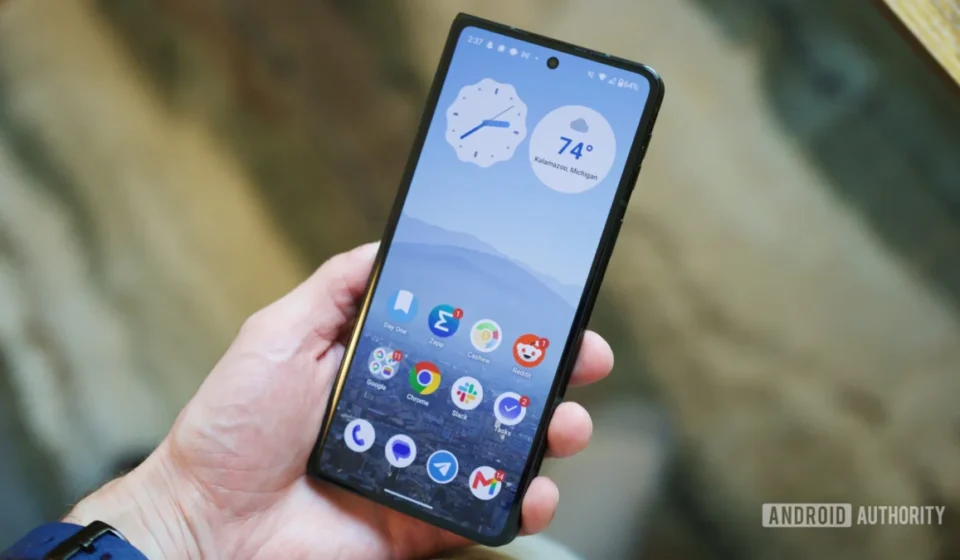
Motorola Razr Fold Grapples with Severe Accessory Scarcity, Prompting Consumer Protection and Market Concerns

Foldable smartphones, once a futuristic novelty, have cemented their place in the premium segment of the mobile market, offering innovative form factors and enhanced productivity. However, the advanced engineering and higher price point of these devices also bring a heightened expectation for robust protection. It is within this context that the Motorola Razr Fold, a significant entrant into the book-style foldable arena, is currently facing a critical challenge: a profound scarcity of quality third-party and first-party accessories, specifically cases and screen protectors. This issue is not merely an inconvenience but raises substantial concerns regarding device longevity, consumer satisfaction, and Motorola’s strategic positioning within the competitive foldable landscape.
The perception that foldable phones are inherently fragile has been a persistent narrative since their inception. While advancements in hinge design, display technology, and overall structural integrity have significantly improved durability, the intricate nature of a folding screen still necessitates careful handling. Users of conventional smartphones routinely invest in protective cases and screen protectors, a habit amplified for devices commanding a premium price tag, such as the Razr Fold. The personal experience of many users, including those from Android Authority, underscores a fundamental need for comprehensive protection, especially against superficial damage like display scratches, which can quickly diminish the aesthetic and functional appeal of a high-end device. For many, a screen protector and a case are non-negotiable accessories for any new phone purchase, a standard expectation that the Razr Fold currently struggles to meet.
The Sparse Landscape of Third-Party Accessories
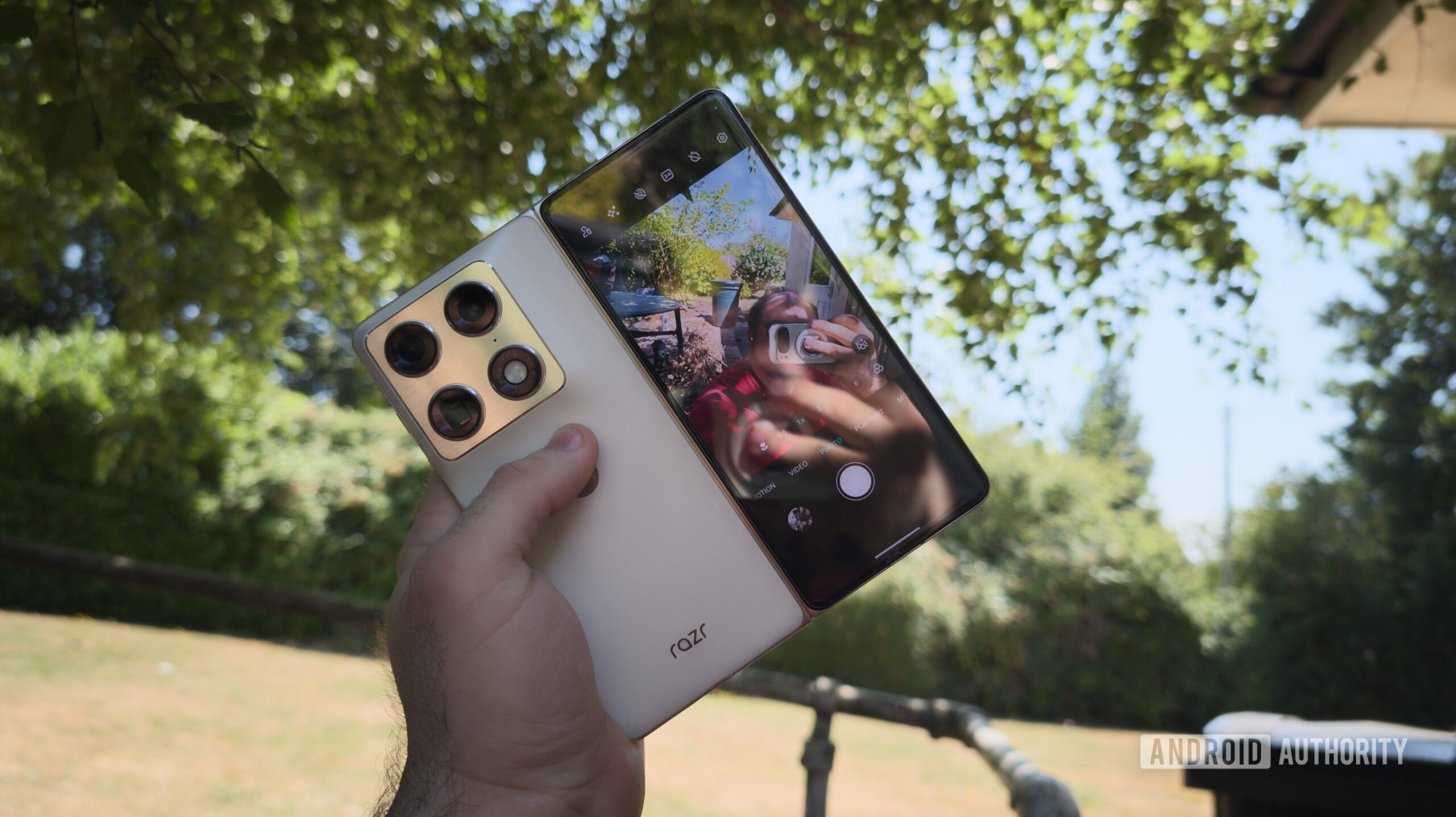
A cursory search on major e-commerce platforms like Amazon for accessories tailored to the Motorola Razr Fold reveals an immediate and striking absence of prominent brands. Industry stalwarts renowned for their quality and diverse offerings, such as Spigen, Otterbox, Caseology, and ESR, conspicuously lack products for the Razr Fold. This void leaves consumers navigating a market dominated by lesser-known entities like Rukey and FNTCASE, alongside numerous unbranded options. While budget-friendly cases from obscure manufacturers are not inherently problematic for all devices, the investment involved in a cutting-edge foldable like the Razr Fold typically warrants a higher degree of confidence in protective gear. Consumers expect accessories that not only provide adequate physical protection but also offer a premium feel, ergonomic design, and a guarantee of durability against accidental drops and daily wear and tear. The current market for the Razr Fold largely fails to deliver on these expectations, forcing owners to compromise on quality, aesthetics, or both.
The limited selection is stark. For those seeking reliable protection, only a handful of recognizable brands have ventured into this niche. Poetic offers a rugged, bulky case designed for maximum impact resistance, effectively turning the sleek Razr Fold into a veritable fortress. Conversely, Thinborne presents a more minimalist, stylish option crafted from aramid fiber, prioritizing a slim profile and enhanced ergonomics while still offering protection against minor bumps and scratches. While these two options cater to different user preferences – one for extreme durability, the other for aesthetic and tactile appeal – they represent the extreme ends of the spectrum. The critical gap lies in the absence of mid-range options that balance robust protection with a moderate form factor, or a variety of styles and materials to suit diverse tastes. Consumers accustomed to a plethora of choices from brands like Casetify, known for their vibrant designs, or dbrand, popular for custom skins, find themselves without equivalent options for the Razr Fold. This restricted choice forces a difficult trade-off, potentially alienating a segment of the market that values both function and personal expression in their device accessories.
The Critical Deficiency in Screen Protection
For foldable phones, the importance of a screen protector transcends that of conventional smartphones. The dynamic nature of the folding display, coupled with its inherent flexibility, makes it particularly vulnerable to scratches and abrasions. Everyday usage scenarios, such as placing the phone screen-down on various surfaces or the repeated motion of opening and closing, significantly increase the risk of display damage. In the absence of adequate protection, a premium foldable screen can show signs of wear within a matter of days or weeks.
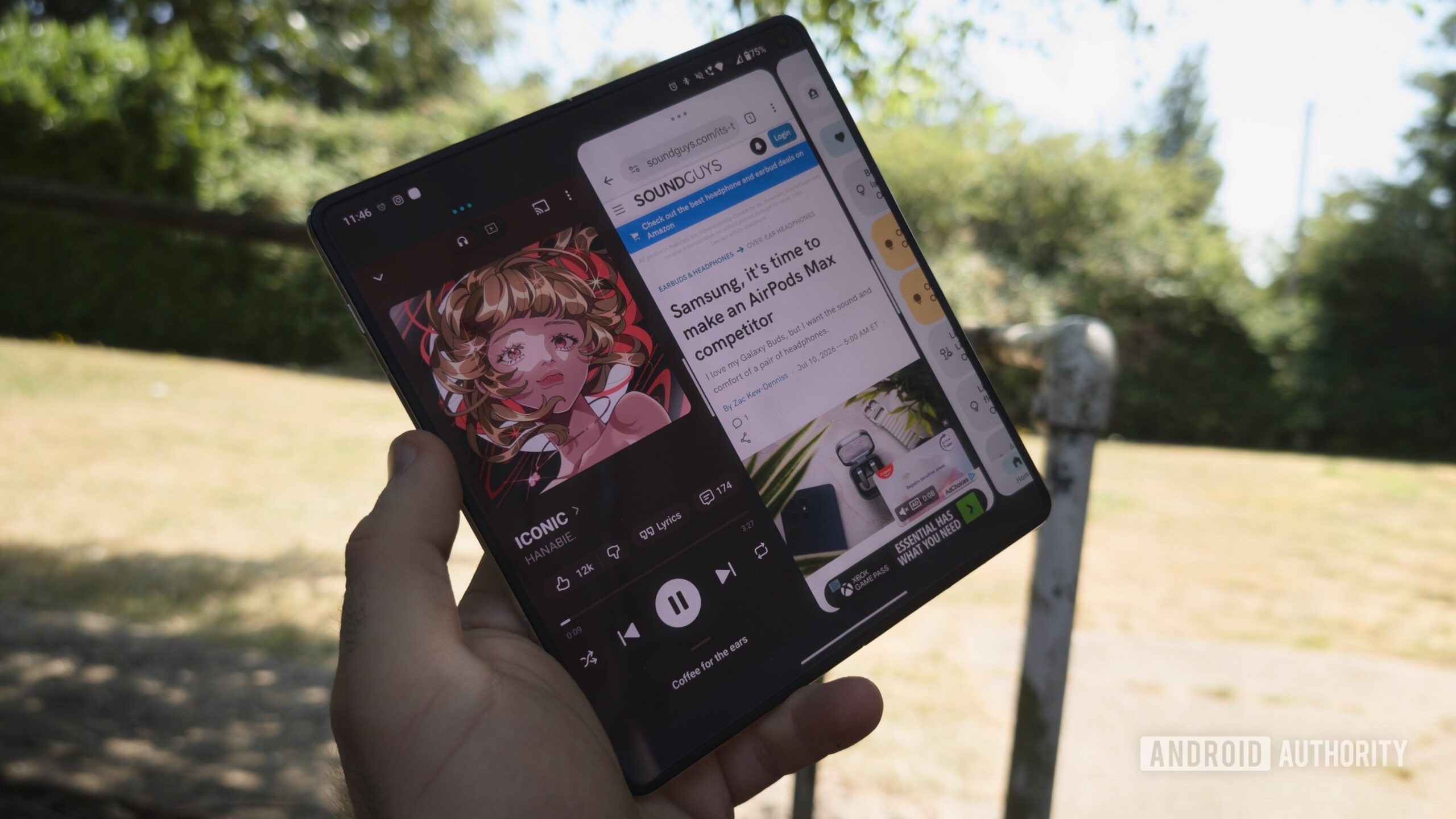
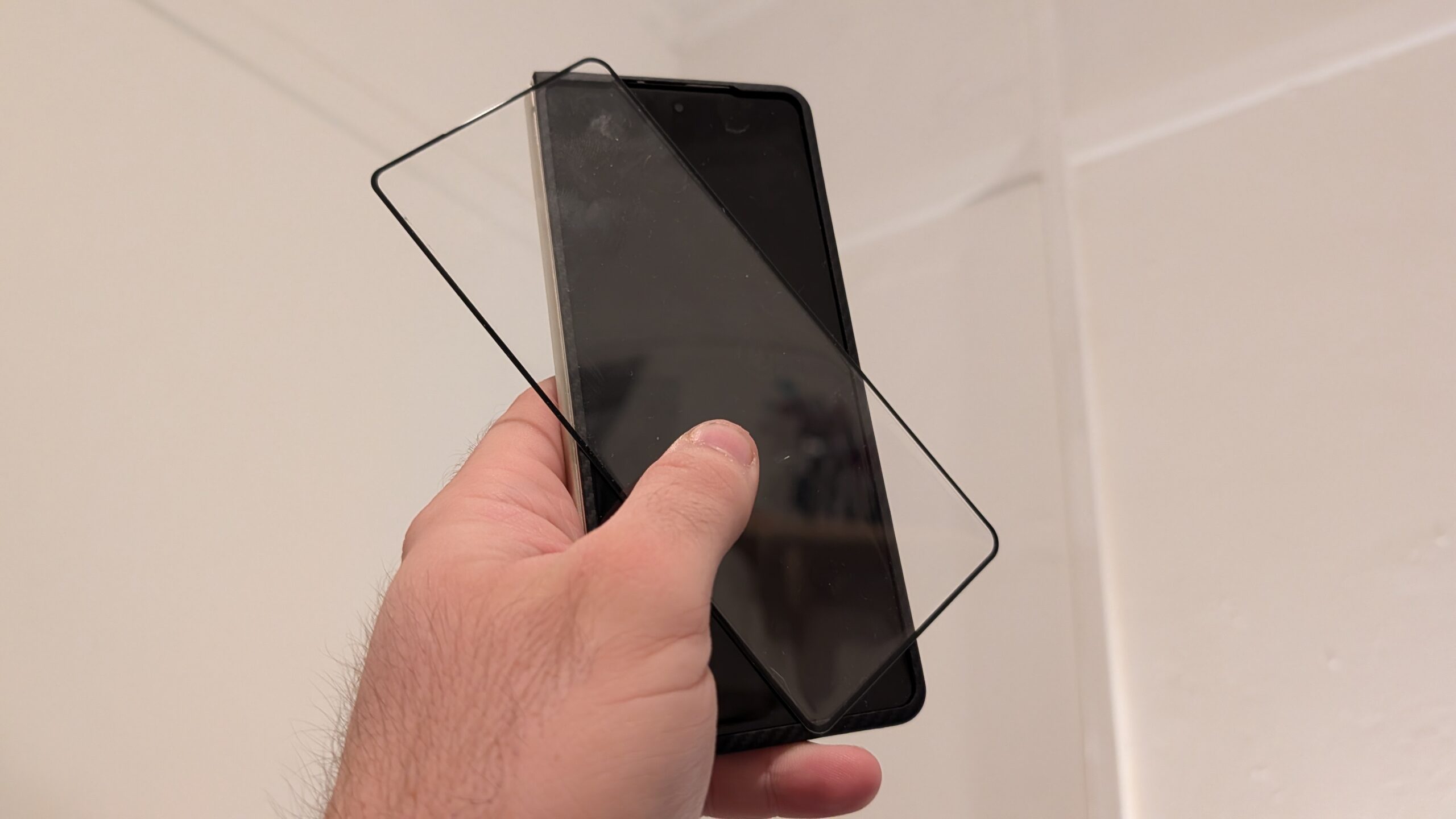
The situation surrounding screen protectors for the Razr Fold is even more dire than that of cases. In some markets, like the UK, options are virtually non-existent or severely flawed. The available plastic screen protectors are often ill-fitting and provide an unpleasant tactile experience, detracting from the premium feel of the device. More concerning are the glass screen protectors, which frequently suffer from critical design flaws. Many are designed with adhesive only along the black bezels, leaving the central transparent area unadhered to the display. This design flaw leads to several significant problems: the protector can shift during normal use, allowing dust and debris to ingress underneath, and, more critically, it creates an air gap between the protector and the display. This air gap results in unreliable touch registration, particularly noticeable during typing or gesture navigation, severely compromising the user experience. The issue is so pervasive that even a bundled screen protector with a Thinborne case exhibited the same adhesive and air gap problems, although the case itself helped mitigate the shifting by covering the edges.
Even in markets with slightly more options, such as the US, customer reviews for full-adhesive glass screen protectors frequently report issues like edge chipping and the persistent air gap problem. The integrated screen protector in the Poetic case, while offering a solution, comes with its own set of compromises. Despite being advertised as glass, user reviews often indicate it is made of plastic, which offers inferior scratch resistance and a less satisfying feel. Furthermore, its integration into the case means that replacement is not straightforward, and accessing critical components like the SIM tray (located on the cover screen half of the Razr Fold) necessitates removing the entire case section, an inconvenient process that undermines ease of use. This collective failure of the accessory market to provide reliable screen protection for the Razr Fold is a significant barrier to widespread adoption and long-term user satisfaction.
Motorola’s Limited First-Party Engagement
The accessory vacuum is compounded by Motorola’s own minimal engagement in providing first-party protective solutions. While competitors like Samsung and Google benefit from a robust ecosystem of both third-party and first-party accessories for their foldable devices, Motorola’s approach appears notably conservative. The company reportedly offers only one first-party case for the Razr Fold, and critically, this case is not universally available across all markets where the phone is sold, such as the UK. Furthermore, Motorola does not produce any first-party screen protectors for the device. This strategy stands in stark contrast to industry leaders who, despite enjoying extensive third-party support, still invest in official accessories to ensure a baseline of quality and design consistency.
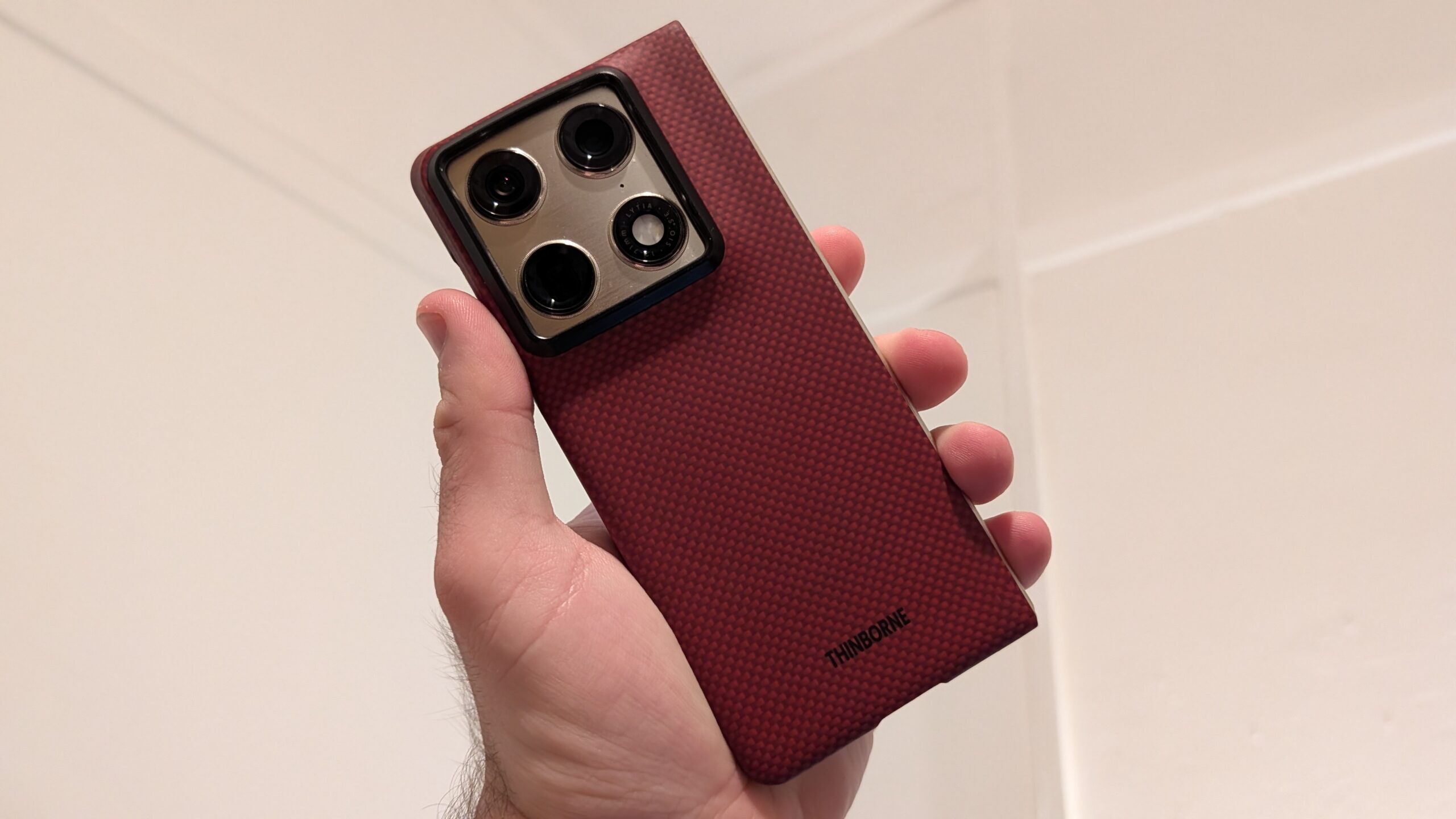
This limited offering from Motorola raises questions about its commitment to the holistic user experience for its premium foldable. For a device that represents a significant technological and financial investment for consumers, the absence of accessible, high-quality, manufacturer-backed protection options is a glaring omission. Analysts and industry observers might infer several reasons for this gap. It could stem from a conservative assessment of the Razr Fold’s sales volume, making large-scale accessory production or extensive third-party partnerships less economically viable. Alternatively, Motorola might be prioritizing the device’s core hardware and software development over accessory ecosystems, or perhaps facing unique challenges in designing accessories for the Razr Fold’s specific form factor and hinge mechanism. Regardless of the underlying reasons, the outcome is a disservice to consumers who are left scrambling for adequate protection.
Broader Implications and Market Impact
The accessory scarcity for the Motorola Razr Fold has several significant implications across consumer experience, market dynamics, and brand perception.
Consumer Perspective: For the individual consumer, the primary impact is financial risk and daily anxiety. Purchasing a high-end foldable phone, which typically retails for over $1,000, without the means to adequately protect it is a considerable gamble. The cost of repairing a damaged foldable screen can be exorbitant, often rivaling a significant portion of the device’s original price. This fear of damage can lead to a more constrained and less enjoyable user experience, as owners might shy away from using their device in certain environments or for specific tasks. The lack of choice in protective gear also restricts personalization, a growing trend in the smartphone market, where users increasingly see their devices as extensions of their personal style. This forces consumers to prioritize basic function over desired aesthetics or specific protective features, leading to dissatisfaction. The long-term impact on device longevity and resale value is also a concern; a phone that cannot be kept in good condition will naturally fetch a lower price on the secondary market.
Market Dynamics and Competitiveness: From a broader market perspective, Motorola’s accessory deficit could hinder the Razr Fold’s competitive standing against rivals like Samsung’s Galaxy Z Fold and Google’s Pixel Fold. These devices benefit from extensive accessory ecosystems, offering consumers a wide array of choices from multiple reputable brands, alongside robust first-party options. This creates a more reassuring purchase proposition for potential buyers, as they know their investment can be adequately protected and customized. If Motorola struggles to cultivate a similar ecosystem, it risks being perceived as less supportive of its flagship foldable, potentially deterring prospective customers who prioritize long-term device care and value. This could limit the Razr Fold’s market penetration and adoption, especially in a segment where consumer confidence in durability is still being built. The hesitancy of major accessory manufacturers to support the Razr Fold might also be interpreted as a lack of confidence in the device’s projected sales volume or its long-term market viability, creating a self-fulfilling prophecy of limited accessory availability.
Brand Perception and Future Outlook: Motorola, a brand with a storied history in mobile telecommunications, has been working to re-establish itself as an innovator, particularly with its renewed focus on the Razr foldable line. The Razr Fold itself has been lauded for its design and functionality, with some reviewers even considering it a "contender for phone of the year." However, a critical oversight in the accessory ecosystem can undermine these positive sentiments. It suggests a potential disconnect between the company’s hardware innovation and its understanding of the comprehensive user experience. For a brand aiming to carve out a significant share in the premium foldable market, a holistic approach that includes robust accessory support is paramount. Failure to address this could lead to a perception that Motorola is not fully committed to supporting its high-end devices post-purchase, potentially impacting brand loyalty and future sales of its innovative products.
Chronology of a Common Problem: Typically, when a flagship smartphone is launched, accessory manufacturers are quick to release their compatible products. This process often begins with leaks and renders prior to launch, allowing manufacturers to prepare. By the time a device hits the market, a range of cases and screen protectors from various brands is usually available. For the Razr Fold, which, according to image metadata, appears to be a 2026 release, this typical timeline seems to have been significantly disrupted. The prolonged absence of major third-party accessory makers months after its release suggests either a lack of interest, technical challenges in designing for its unique form, or insufficient communication and collaboration from Motorola. This delayed or absent accessory support forces early adopters into a precarious position, leaving them with an expensive, unprotected device during its most vulnerable period.
Conclusion: A Critical Hurdle for an Otherwise Promising Device
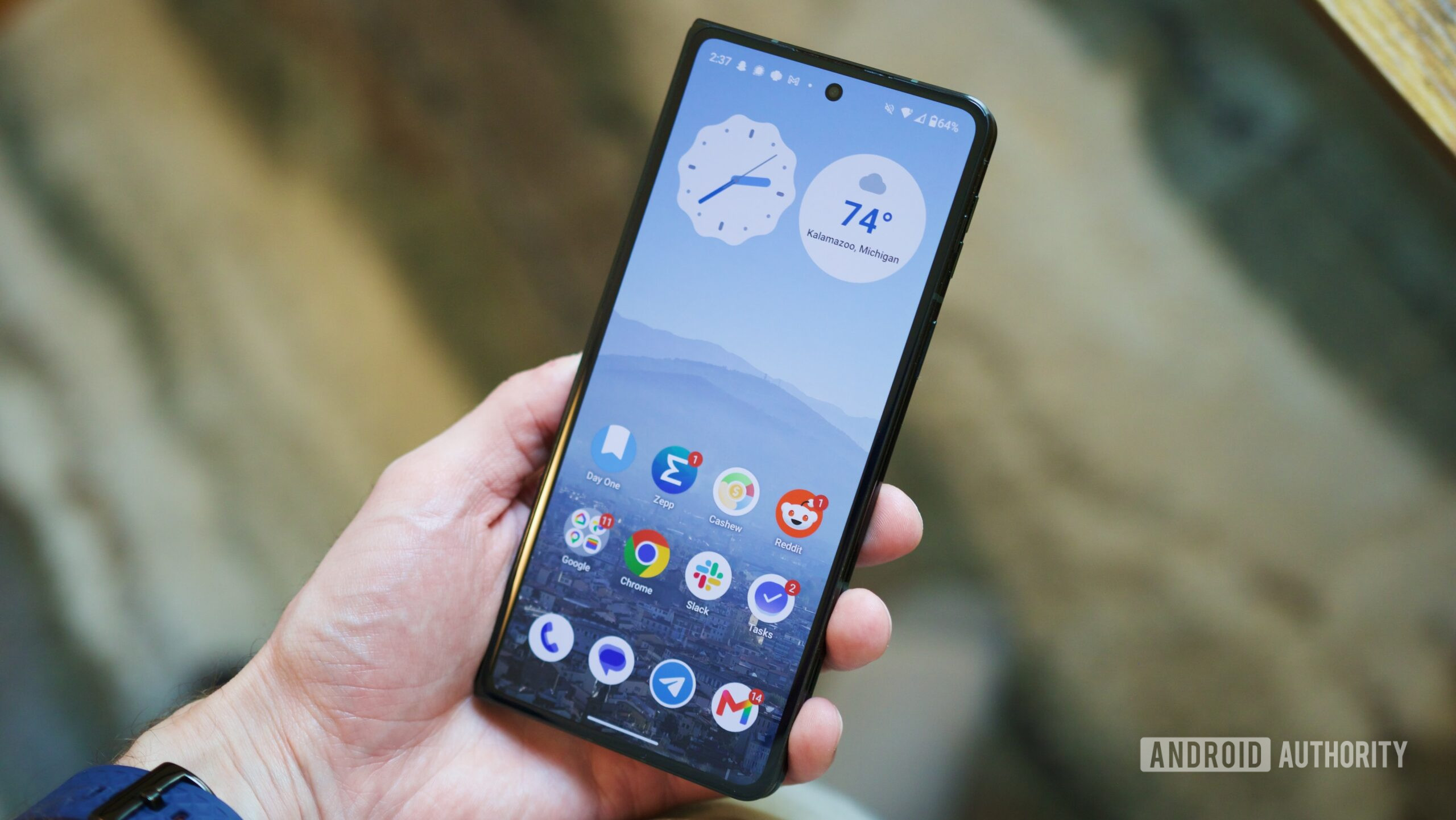
The Motorola Razr Fold stands as a commendable piece of engineering and a strong contender in the evolving foldable market. Its innovative design, robust features, and user experience have garnered significant praise. However, the glaring deficit in its accessory ecosystem presents a substantial and potentially detrimental hurdle for its long-term success and consumer appeal. The current situation, characterized by a severe lack of quality cases and functionally effective screen protectors from reputable brands, places an undue burden on consumers to protect their considerable investment.
Motorola has a clear responsibility to either enhance its own first-party accessory offerings, ensuring wider availability and a greater variety, or actively foster a more robust third-party market through partnerships and design support. Without a concerted effort to address this critical issue, the Razr Fold, despite its inherent merits, risks being sidelined by prospective buyers who are unwilling to compromise on the fundamental need for device protection. The decision to purchase a premium foldable should not come with the added anxiety of finding suitable safeguards. For the Razr Fold to truly flourish and compete effectively, Motorola must recognize that a compelling device is only half the equation; a comprehensive and accessible ecosystem of protective accessories is equally vital for consumer confidence and sustained market presence. The current state is a "hard pass" for many, underscoring the urgent need for a strategic shift from the manufacturer.