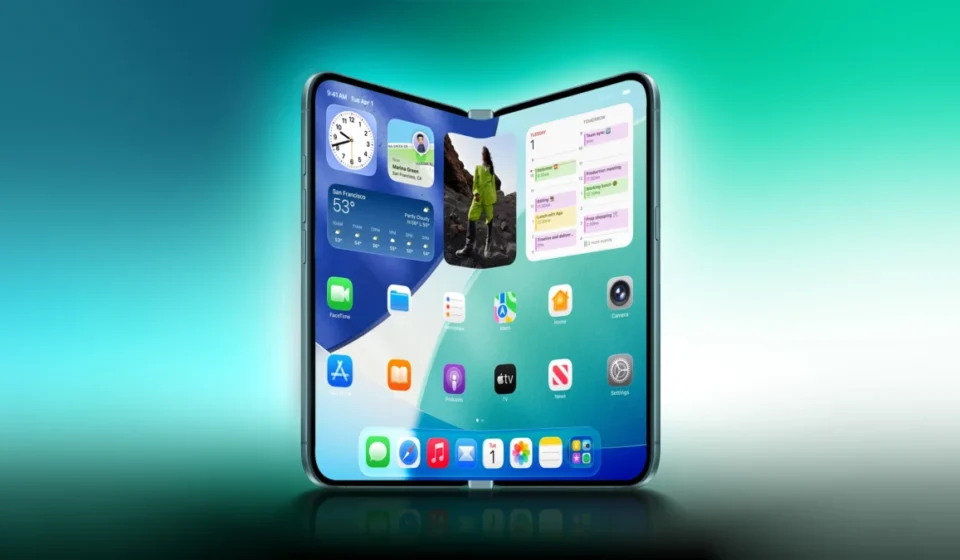
Apple’s Third-Generation Foldable iPhone Expected by 2028, Building on Evolving Design and Display Technology

Apple is reportedly charting a course for its third-generation foldable iPhone, with a launch anticipated as early as 2028. This forward-looking roadmap, detailed by Bloomberg’s Mark Gurman, suggests a sustained commitment to the foldable form factor, with the company already planning iterations beyond its initial entry into the market. The news indicates a strategic long-term vision for Apple’s foldable ambitions, extending its development pipeline two generations beyond the device’s debut.
A Multi-Year Development Pipeline for Foldable iPhones
According to Gurman’s insights shared in his "Power On" newsletter, the first foldable iPhone, slated for release this year, is poised to receive what he describes as a "truly revolutionary design change." This initial model is expected to set the stage for a consistent evolution of the foldable concept within Apple’s product ecosystem. A second-generation model is reportedly on track for a 2027 release, followed by the third iteration by 2028. This multi-year strategy highlights Apple’s methodical approach to integrating new technologies and form factors into its flagship product lines.
The third-generation foldable device is anticipated to feature slightly larger displays on both its internal folding screen and its external cover display. While specific dimensions have not been disclosed, this enhancement suggests a refinement of the user experience, potentially offering more immersive viewing or multitasking capabilities. For context, the first foldable iPhone is rumored to incorporate a 7.8-inch inner display and a 5.5-inch cover display. Any increase in these dimensions for the third-generation model would represent a notable step in optimizing the device’s usability and aesthetic. This marks the first public indication of Apple’s plans for a third-generation foldable, extending the previously understood roadmap by an additional year.
Key Specifications and Anticipated Features
The inaugural foldable iPhone is expected to arrive with several distinguishing features. Reports suggest an ultra-thin design, a departure from some of the bulkier foldable devices currently on the market. The integration of Touch ID, rather than Face ID, is also a prominent rumored specification, potentially indicating a focus on maintaining a slim profile or offering an alternative biometric authentication method. Under the hood, the device is expected to be powered by the A20 chip and feature a C2 modem. The moniker "iPhone Ultra" has been associated with this premium foldable device, hinting at its positioning at the higher end of Apple’s product spectrum. The anticipated price point is around or above $2,000, reflecting the advanced technology and novel design.
The development of the second-generation foldable iPhone, tentatively named the "iPhone Ultra 2," appears to be well underway. A report from Weibo leaker "Digital Chat Station" indicated that the project has received formal approval for development. This second iteration is expected to largely retain the display technology of its predecessor, suggesting a focus on refining other aspects of the device, such as performance, camera capabilities, or software integration. The launch of the iPhone Ultra 2 is projected for the fall of 2027, coinciding with the release of the highly anticipated 20th-anniversary iPhone, a significant milestone for Apple’s iconic smartphone line.
The Evolving Landscape of Foldable Technology
Apple’s entry into the foldable market, while appearing later than some competitors, aligns with its historical strategy of entering new technology segments once it believes it can offer a refined and superior user experience. The foldable smartphone market, though still nascent, has seen significant innovation from companies like Samsung, Motorola, and Huawei. These early entrants have explored various hinge mechanisms, display technologies, and form factors, from book-style foldables to flip-style devices.
The initial foldable iPhone is expected to address some of the challenges that have plagued earlier foldable devices, such as screen durability, crease visibility, and hinge robustness. Apple’s extensive experience in display manufacturing and its rigorous testing protocols suggest that its first foldable offering will aim to set a new standard for reliability and user satisfaction in this category. The reported "truly revolutionary design change" for the first-generation model could encompass innovations in the folding mechanism, the flexibility of the display itself, or a novel approach to the device’s overall construction.
Market Implications and Competitive Positioning
The continued investment in foldable technology by Apple signals its intent to capture a significant share of this emerging premium segment. The foldable market is projected to grow substantially in the coming years, driven by increasing consumer interest in larger screen real estate and innovative form factors. By mapping out a multi-year development plan, Apple is demonstrating a commitment to iterating and improving its foldable offerings, a strategy that has proven successful with its traditional iPhone lineup.
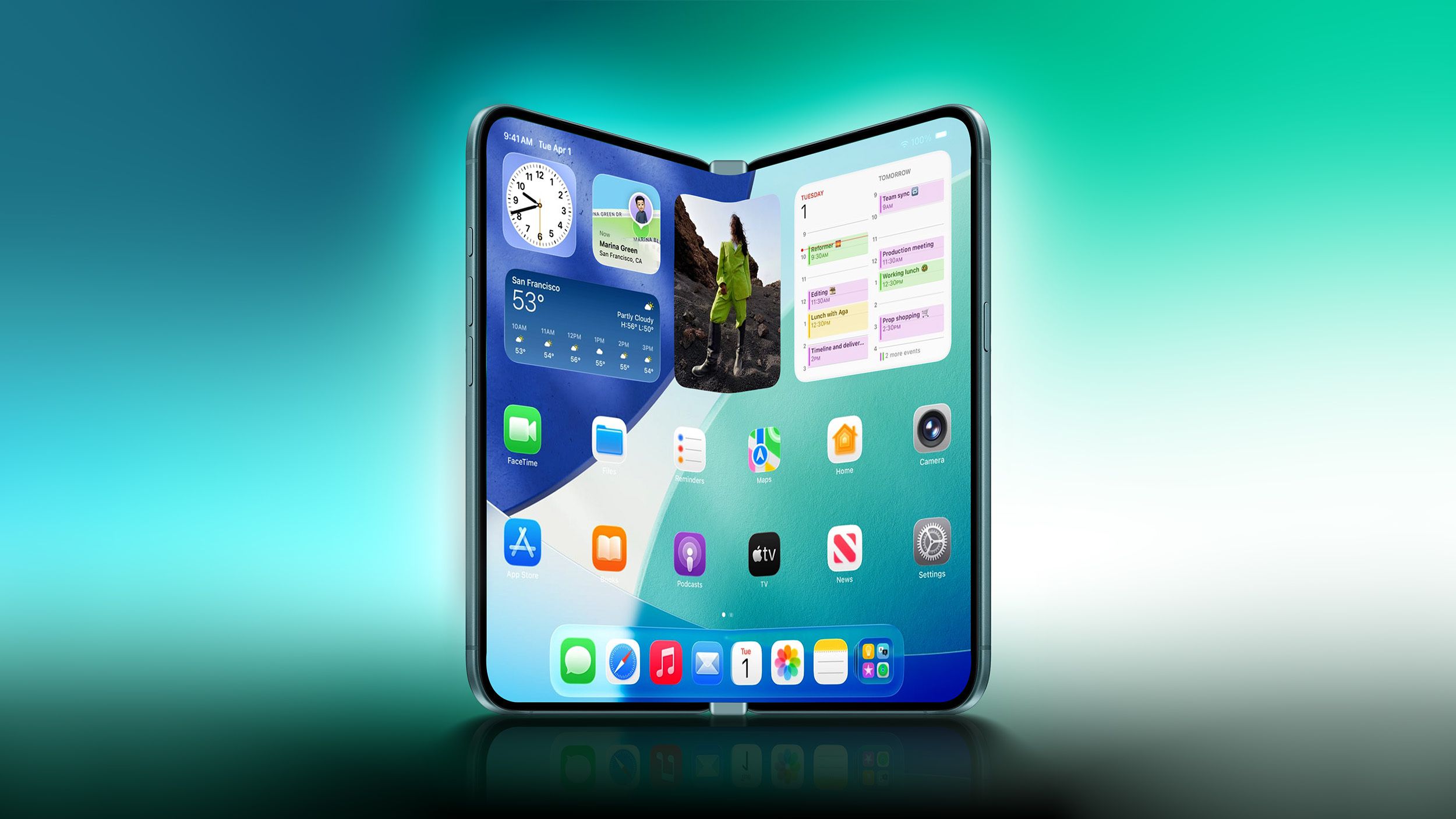
The introduction of the iPhone Ultra series, with its premium pricing and advanced features, will likely cater to early adopters and users seeking the latest in mobile technology. The anticipated larger displays on the third-generation model could further enhance its appeal for productivity and media consumption, potentially positioning it as a viable alternative to tablets for some users.
The development timeline also suggests that Apple is not rushing to market but is carefully planning its approach to this complex technology. The phased release of three generations within a relatively short timeframe (2026-2028) indicates a rapid learning curve and a dedication to refining the foldable experience. This pace of development is crucial in a market where technological advancements are rapid and consumer expectations are constantly evolving.
Background and Historical Context
Apple’s exploration of foldable technology has been a subject of speculation for several years. Patents filed by the company have hinted at various foldable designs, including clamshell configurations and devices that unfold into larger tablets. While the exact nature of Apple’s first foldable device remains under wraps, the consistent reporting from reputable sources like Bloomberg’s Mark Gurman provides a credible glimpse into the company’s strategic direction.
The decision to integrate Touch ID on the first foldable iPhone, if it materializes, would be a notable shift from its current reliance on Face ID for its premium devices. This could be driven by design constraints associated with foldable displays or a desire to offer users more flexibility in biometric authentication. The inclusion of the A20 chip and C2 modem suggests a commitment to providing cutting-edge performance and connectivity, essential for a high-end device.
The anticipation surrounding the 20th-anniversary iPhone in 2027 further contextualizes the release of the second-generation foldable. It is plausible that both devices will showcase significant advancements, with the anniversary iPhone potentially representing a major overhaul of the traditional iPhone design and the foldable iPhone building on its unique form factor.
Expert Analysis and Future Outlook
Industry analysts suggest that Apple’s methodical approach to foldable technology could be a strategic advantage. By observing the successes and challenges faced by competitors, Apple can learn valuable lessons and potentially avoid some of the pitfalls that have affected early foldable devices. The company’s strong brand loyalty and ecosystem integration could also facilitate the adoption of its foldable offerings.
The long-term success of foldable phones hinges on several factors, including the cost of production, the durability of the displays, and the development of software that fully leverages the unique capabilities of the form factor. Apple’s investment in research and development, coupled with its manufacturing prowess, positions it well to address these challenges. The extended roadmap, with a third-generation device already in planning, indicates a belief that foldable technology will be a significant part of the future smartphone landscape.
The incremental display size increases planned for the third-generation model suggest a focus on user-centric improvements rather than drastic redesigns. This iterative approach allows for continuous refinement of the user experience, ensuring that each generation offers tangible benefits over its predecessor. As the foldable market matures, Apple’s consistent evolution of its foldable iPhones will be critical in maintaining its competitive edge and shaping the future of mobile device design. The company’s commitment to innovation in this space, as evidenced by this extended roadmap, underscores its ambition to remain at the forefront of technological advancement in the smartphone industry.