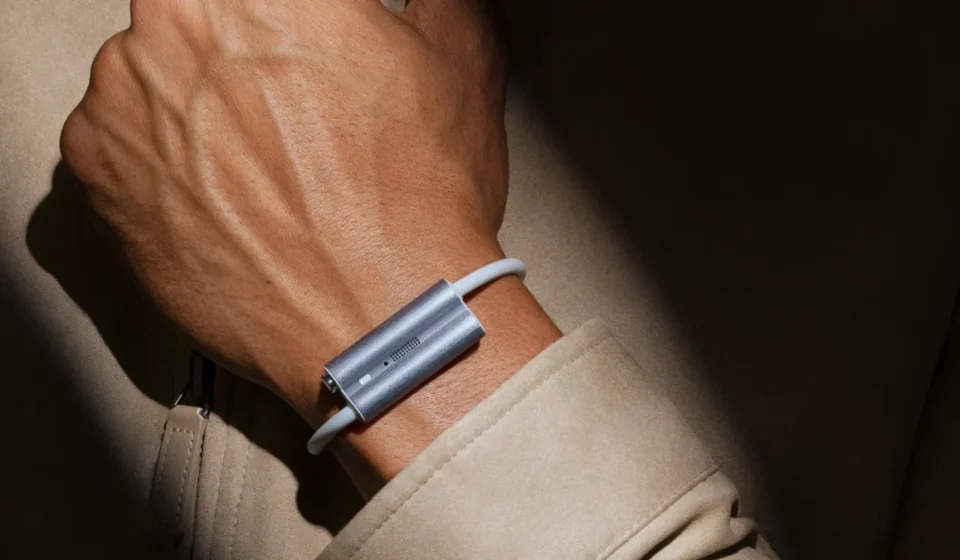
Luffu Link Unveils Family-Centric Health and Safety Wearable from Fitbit Co-Founders

James Park and Eric Friedman, the visionary co-founders behind the pioneering fitness tracker company Fitbit, have officially launched their latest venture, Luffu, and its inaugural hardware product, the Luffu Link. This new wearable marks a significant departure from their previous focus on individual step counting and activity tracking, instead centering on a screenless health and safety band designed to foster family connection and provide peace of mind for caregivers. The Luffu Link aims to bridge critical gaps in the existing health technology landscape by offering a comprehensive solution for monitoring and communicating with loved ones, particularly those who may be vulnerable or require continuous support.
A New Paradigm in Wearable Technology
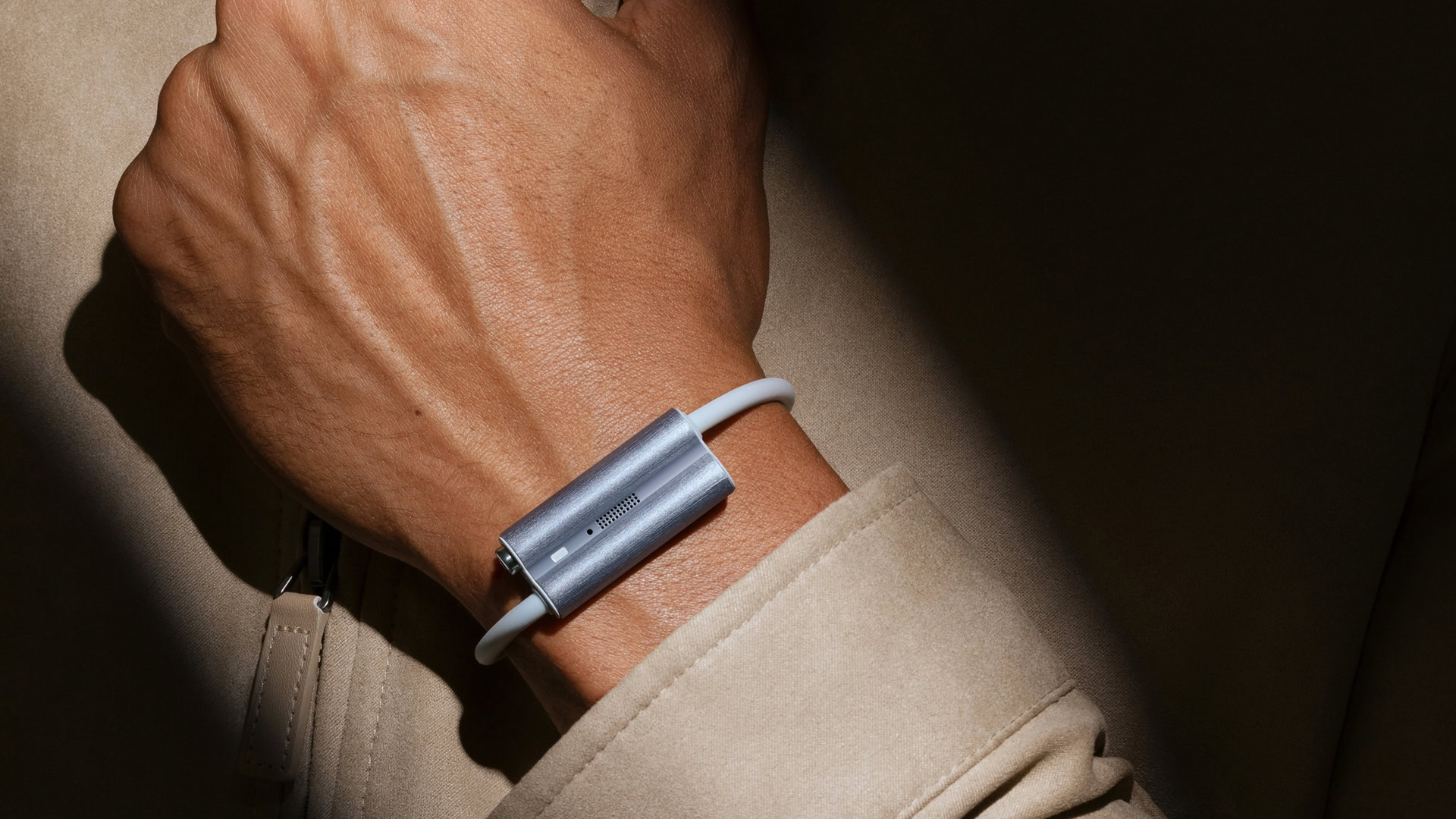
The Luffu Link is not merely another fitness tracker; it represents a thoughtful evolution in wearable design, prioritizing utility and seamless integration into family care dynamics over a screen-centric user experience. The device combines essential health tracking capabilities with robust safety and communication features, all encapsulated in a discreet, screenless band. Wearers can track fundamental health metrics such as activity levels, sleep patterns, and heart rate, providing a baseline understanding of their physical well-being. What sets the Luffu Link apart, however, is its innovative voice interface, which allows users to record symptoms, medications, meals, mood, and reminders simply by speaking into the device. This intuitive input method eliminates the need for complex menus or small touchscreens, making it accessible for a wider demographic, including the elderly or those with dexterity challenges.
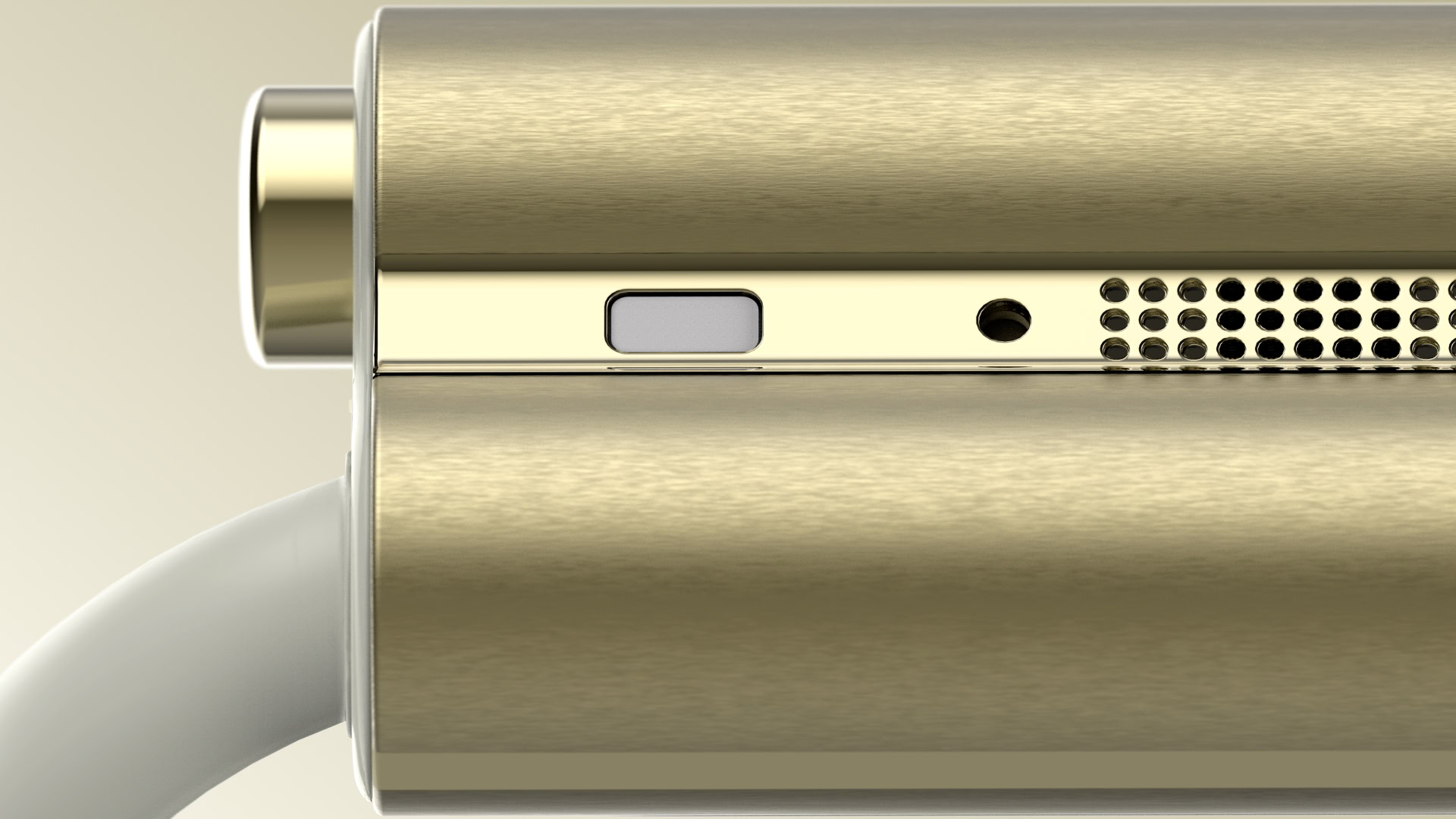
Beyond health monitoring, the Luffu Link integrates advanced safety functionalities crucial for family care. Equipped with GPS and embedded LTE connectivity, the band ensures that users can share their real-time location and contact designated trusted individuals, even when their smartphone is not readily available or nearby. This always-on connectivity is a cornerstone of the device’s value proposition, offering an essential layer of security and responsiveness in emergencies. A simple double press of the band’s main button can dispatch a "check-in" message to pre-selected family members, while a sustained press can trigger a request for help, notifying the care circle instantly. Significantly, the LTE service is included with the device, eliminating the need for users to manage a separate carrier plan, simplifying the ownership experience. The Luffu Link boasts an impressive battery life of up to five days on a single charge, minimizing the frequency of recharging and ensuring continuous operation. It will be available in a trio of sophisticated colors: Halo Gold, Onyx Black, and Sterling Blue.
From Fitbit’s Ascent to Luffu’s Family Vision
The journey of James Park and Eric Friedman from the inception of Fitbit in 2007 to the launch of Luffu is a compelling narrative of innovation and market adaptation. Fitbit emerged as a trailblazer in the nascent consumer wearable market, popularizing the concept of tracking daily steps, calories burned, and sleep quality. Its accessible, user-friendly devices democratized health data, empowering millions to take a more active role in their personal wellness. Over a decade, Fitbit grew into a household name, synonymous with fitness tracking, before ultimately being acquired by tech giant Google in 2019 for approximately $2.1 billion. This acquisition marked a significant moment in the wearable industry, integrating Fitbit’s extensive user base and hardware expertise into Google’s broader ecosystem, particularly its Wear OS platform and health initiatives.
Following the acquisition, both Park and Friedman remained involved with Fitbit under Google’s ownership for a period, contributing to the integration process and strategic direction. However, their entrepreneurial spirit and a newfound understanding of critical unmet needs in the health technology space led them to conceive Luffu. The inspiration for Luffu, as articulated by the co-founders, stemmed partly from their personal experiences as caregivers. They observed a profound disconnect: while much of health technology is designed with the individual in mind, the reality of health management and care often involves an entire family unit. This realization ignited a desire to create a solution that facilitates collective care, communication, and oversight, moving beyond the individualistic focus of traditional fitness trackers.
The Growing Need for Connected Care: A Market Context
The launch of Luffu Link comes at a pivotal time, addressing several significant demographic and societal trends. Globally, populations are aging, leading to a surge in the number of individuals requiring some form of care or assistance. The United States alone saw over 53 million caregivers providing unpaid care to adults and children in 2020, a figure that continues to grow. These caregivers often face immense challenges, including managing complex health information, coordinating appointments, ensuring safety, and dealing with the emotional and logistical burdens of caregiving, often while balancing their own professional and personal lives.
Existing solutions often fall short. Traditional medical alert systems, while effective for emergencies, typically lack integrated health tracking or proactive communication features. Many smartwatches and fitness trackers offer robust individual health data, but their interfaces can be complex for non-tech-savvy users, and their "family sharing" features are often secondary or limited. There’s a clear demand for devices that simplify communication, provide reliable location tracking, and offer actionable health insights in a discreet, user-friendly format that truly supports the caregiving ecosystem. Luffu’s strategy to integrate health tracking, emergency communication, and family coordination into a single, screenless, and long-lasting device directly targets this underserved market segment.
Technical Ingenuity and User Experience Focus
The Luffu Link’s technical architecture is designed for reliability and ease of use. The inclusion of GPS for precise location tracking is vital, enabling caregivers to quickly ascertain the whereabouts of their loved ones, which is particularly crucial for individuals with cognitive impairments or those prone to wandering. The integrated LTE connectivity ensures that these location updates and communication features function independently of a smartphone, providing a critical lifeline in situations where a phone might be forgotten, lost, or out of battery. This always-on capability, without the hassle of a separate SIM or data plan, significantly lowers the barrier to entry and simplifies ongoing management for families.
The voice recording feature is a cornerstone of the Luffu Link’s innovative user experience. By allowing users to log daily health information—from a new symptom to a meal taken or a medication dose—verbally, Luffu addresses the limitations of small screens and complex input methods often found in other wearables. This natural language interface is particularly beneficial for older adults or those with limited digital literacy, empowering them to actively participate in managing their health data. Luffu has also emphasized its commitment to privacy, stating that the device only records voice when the wearer actively presses and holds its main button, alleviating concerns about continuous listening.
The Luffu Ecosystem: App Integration and Future Expansion
The Luffu Link wearable is just the vanguard of a broader, integrated ecosystem being developed by the company. At the heart of this ecosystem is the Luffu phone application, designed to serve as a central hub for a family’s collective health and safety information. This app aggregates data from all connected Luffu devices, presenting it in an organized and digestible format for family members and caregivers. A key differentiator for Luffu is its planned integration of artificial intelligence (AI) to help process and interpret this influx of data. The AI is intended to identify patterns, flag significant changes in health metrics or routines, and surface important insights that might otherwise be overlooked. For example, the AI could detect a consistent drop in activity levels, an unusual change in sleep patterns, or a series of mood entries indicating distress, prompting caregivers to check in.
Luffu has underscored that families will retain full control over what information is shared and with whom, ensuring privacy and user autonomy. The Luffu app is currently undergoing a public beta testing phase and is slated for broader availability in the United States later this year, suggesting a methodical approach to product development and refinement based on real-world user feedback.
Looking further ahead, Luffu’s strategic roadmap includes the development of a home device. While specific details about this future product remain under wraps, the company has indicated that it will be designed to further assist families in coordinating care across multiple households. This suggests a vision for a comprehensive, interconnected system that extends beyond personal wearables, potentially integrating environmental monitoring, smart home functionalities, or enhanced communication tools to create a holistic care network. More information about this forthcoming home device is expected to be released later this year.
Implications and Market Outlook
The entry of Luffu into the health technology market, led by such experienced founders, carries significant implications. Firstly, it validates the growing recognition of "caregiver tech" as a distinct and vital segment within the broader wearable and smart home markets. Luffu’s focus on family-centric solutions, rather than purely individual metrics, could inspire a new wave of innovation in this area.
Secondly, Luffu Link’s screenless design and voice interface challenge the prevailing trend of increasingly complex, screen-heavy smartwatches. By simplifying the user interaction and focusing on essential functions, Luffu may carve out a niche among users who find traditional smart devices overwhelming or unnecessary, particularly the elderly. This design philosophy also suggests a deeper understanding of the practical realities of caregiving, where simplicity and reliability are paramount.
The integrated LTE service is another strategic move. By bundling connectivity, Luffu eliminates a common hurdle for consumers and ensures consistent functionality. This model could become a benchmark for future safety-oriented wearables.
However, Luffu will also face challenges. The market for wearables is intensely competitive, with established players like Apple, Samsung, and Google (with Fitbit) continually evolving their offerings. While Luffu targets a more specific niche, it will need to differentiate itself effectively on features, reliability, and most importantly, the tangible benefits it provides to caregivers and care recipients. Data privacy and security will also be critical considerations, especially with sensitive health and location information being collected and shared. Luffu’s explicit statements on user control and voice recording policies are a good start, but ongoing transparency and robust security protocols will be essential for building trust.
Ultimately, Luffu represents an ambitious effort to redefine how technology supports family care. By leveraging their deep expertise in wearables and their personal insights into the caregiving experience, James Park and Eric Friedman are poised to make a meaningful impact, potentially transforming the lives of countless families by making health and safety monitoring more accessible, integrated, and reassuring. The success of Luffu Link and its expanding ecosystem will depend on its ability to deliver on its promise of intuitive, reliable, and privacy-conscious care coordination, ushering in a new era of connected family health.