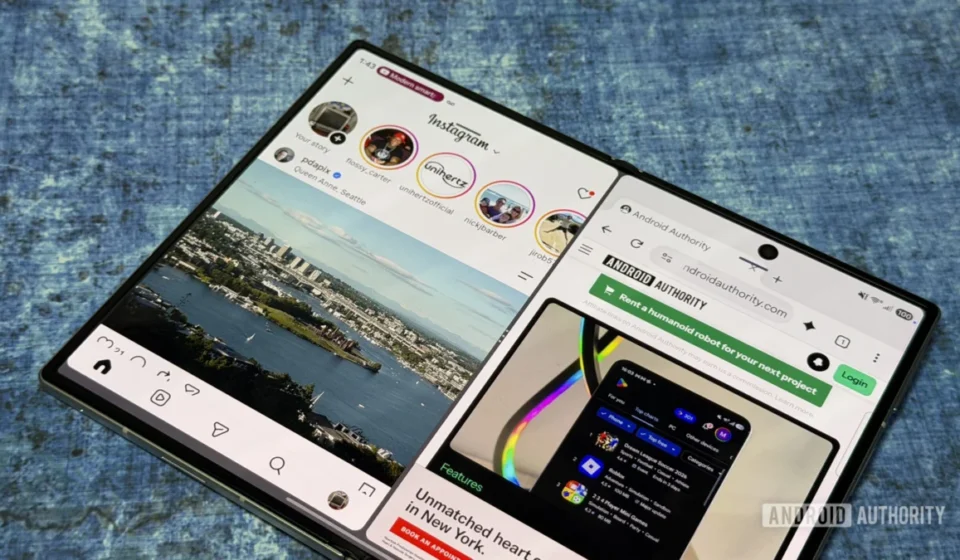
Samsung Galaxy Z Fold 8 Redefines Foldable Market with Enhanced Form Factor and Software Integration

The Samsung Galaxy Z Fold 8 has quickly garnered significant attention since its release, marking a pivotal moment in the evolution of book-style foldable smartphones. Initial impressions from users and technology reviewers highlight an unprecedented level of satisfaction, suggesting that the device has moved beyond being merely an enthusiast gadget to a genuinely compelling mainstream option. This latest iteration from Samsung, a pioneer in the foldable sector, introduces a refined design and a deeply integrated software experience that addresses many of the challenges faced by earlier foldable generations, positioning it as a significant contender in the premium smartphone segment.
A Decade of Foldable Evolution: Setting the Stage for the Z Fold 8
The journey of foldable smartphones has been a testament to relentless innovation and Samsung’s enduring commitment to pushing technological boundaries. The concept of a flexible display device, once relegated to science fiction, began to materialize with Samsung’s first commercial foldable, the Galaxy Fold, in 2019. This initial launch, while revolutionary, faced considerable hurdles, including display durability concerns and a hefty price tag. However, Samsung persevered, learning valuable lessons that paved the way for subsequent models.
The Galaxy Z Fold series, starting with the Z Fold 2, saw continuous improvements in hinge mechanisms, display protection, and software optimization. Each successive generation — from the Z Fold 3 with its S Pen support and IPX8 water resistance, to the Z Fold 4 and Z Fold 5 with their refined designs and enhanced durability, and the Z Fold 6 and Z Fold 7 further streamlining the form factor and integrating advanced processors — has steadily chipped away at the compromises inherent in foldable technology. The market has also matured, with competitors like Google’s Pixel Fold, Motorola’s Razr series, and devices from Chinese manufacturers like Huawei and OnePlus entering the fray. This increased competition has spurred innovation, pushing manufacturers to refine designs, improve software, and offer more compelling user experiences. The Z Fold 8 arrives at a time when consumer skepticism around foldables is waning, replaced by a growing appreciation for their unique capabilities.
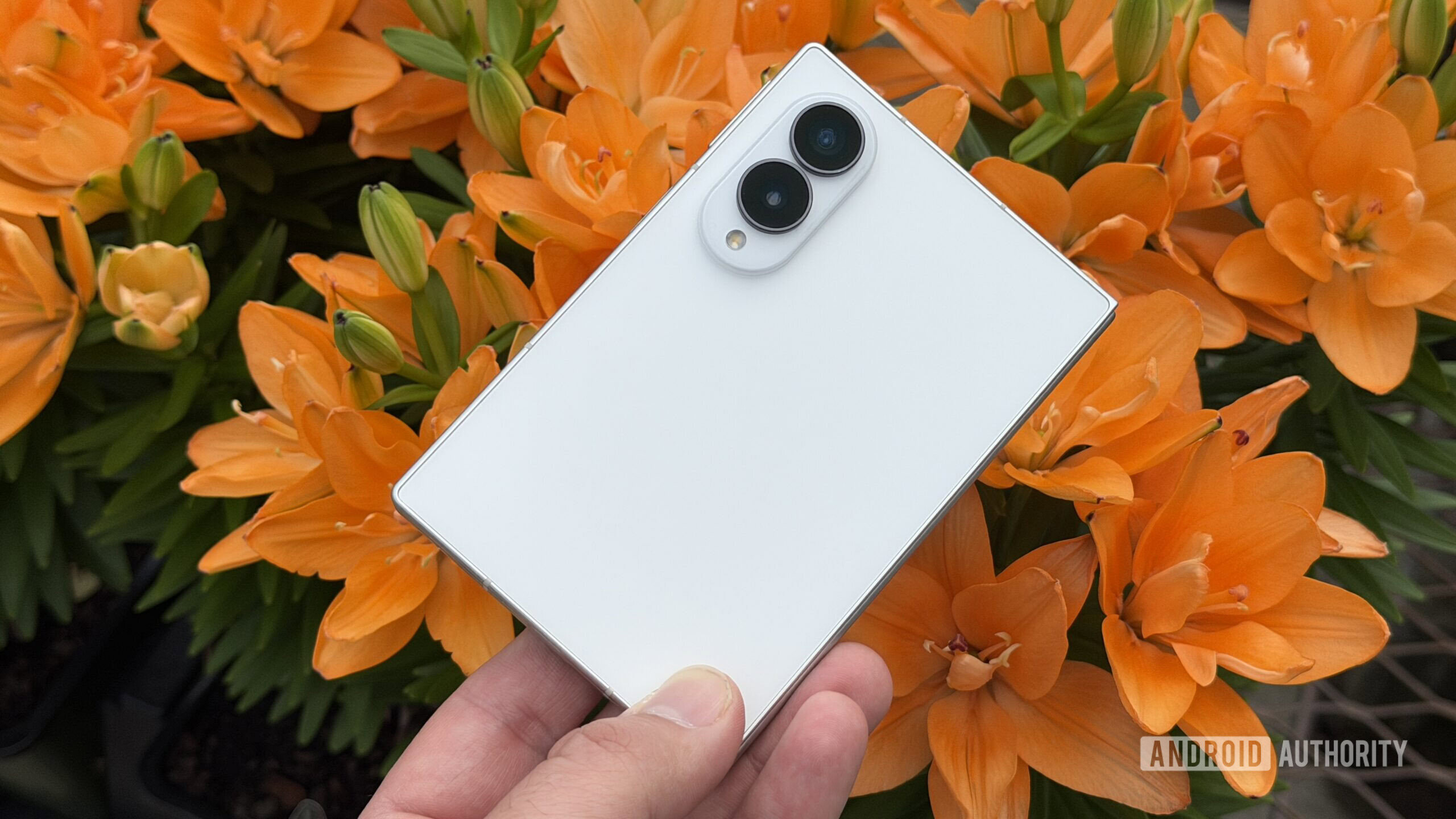
Redefining Ergonomics: The Z Fold 8’s Form Factor Advantage
A central pillar of the Galaxy Z Fold 8’s appeal lies in its meticulously redesigned form factor. Previous book-style foldables, including earlier Z Fold models and even the first-generation Pixel Fold, often presented a dilemma: a narrow, sometimes awkward, cover screen when closed, and a squarish inner display that didn’t always optimize traditional app layouts. Samsung has seemingly addressed these ergonomic considerations head-on with the Z Fold 8.
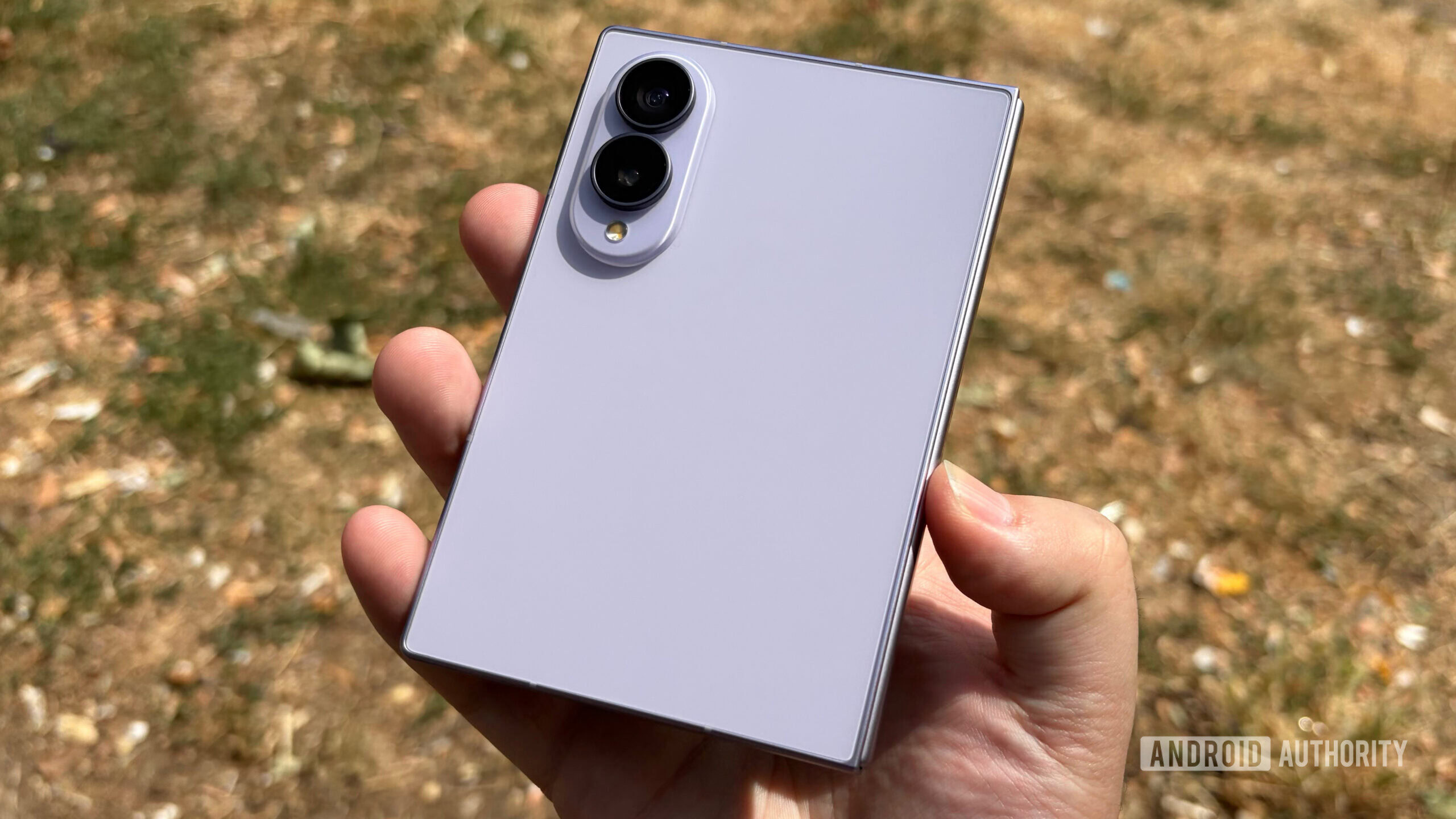
The device boasts a wider and more compact design, a direct response to extensive consumer feedback. While specific dimensions and weight details are proprietary, industry reports and early hands-on impressions suggest a significant reduction in overall bulk and a more balanced weight distribution. This results in a phone that is not only more comfortable to hold in one hand but also slips more easily into pockets, including those of suit jackets, a practical benefit often overlooked in the pursuit of raw specifications. The "lighter and compact" nature is not merely a superficial change but fundamentally alters the daily interaction with the device, making it feel less like a specialized piece of tech and more like an extension of a traditional smartphone experience.
The 5.5-inch cover display is a standout feature, lauded for striking a "sweet spot" in terms of usability. Unlike the tall, narrow aspect ratios of some predecessors, the Z Fold 8’s wider 16:10 aspect ratio on the cover screen provides ample space for comfortable typing, web browsing, social media consumption, and email management without the constant need to unfold the device. This wider format significantly reduces user friction, empowering quick interactions without compromising readability or functionality. This design choice differentiates it from previous generations where the cover screen was often seen as a secondary, less functional interface.
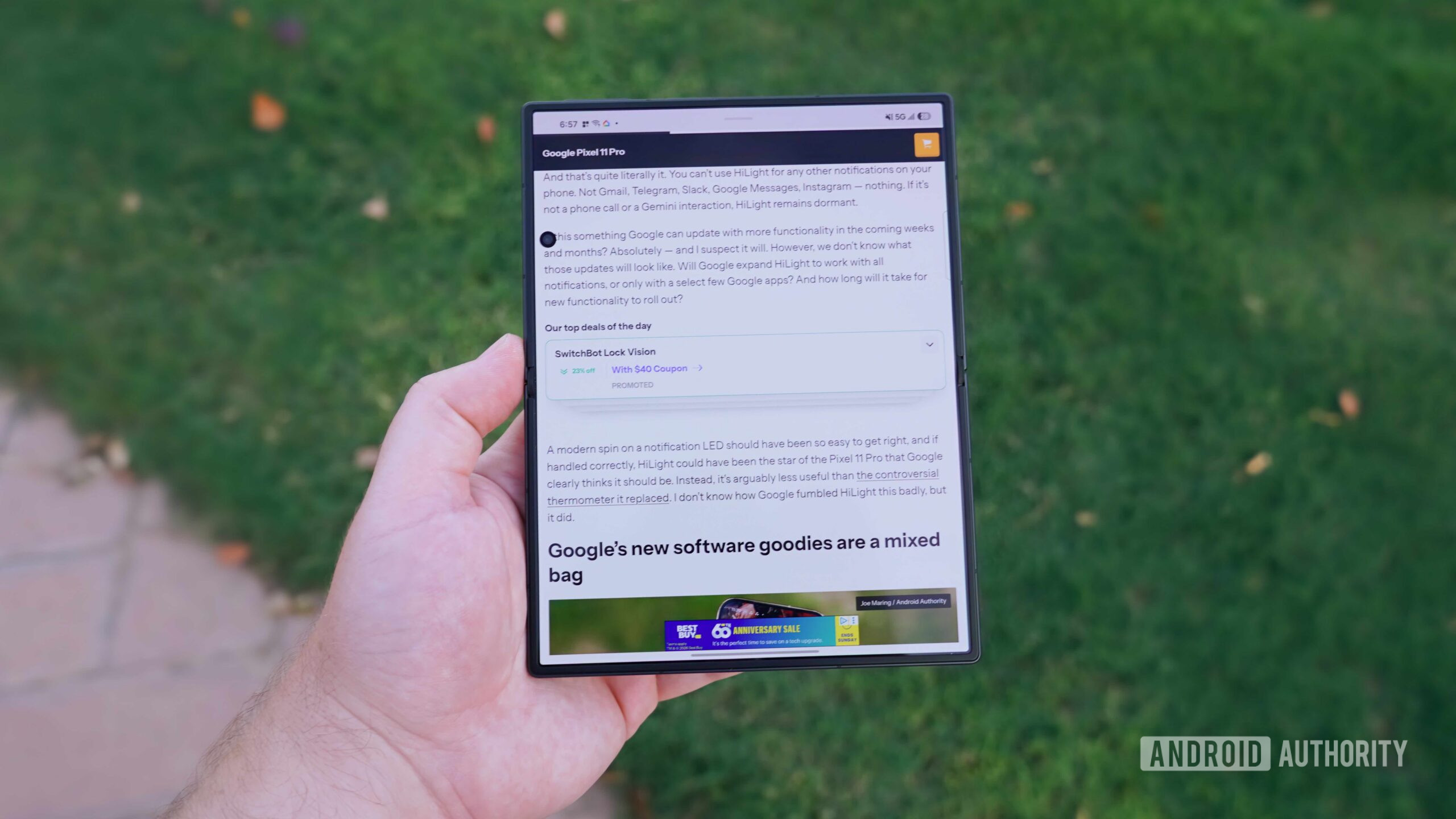
When unfolded, the Z Fold 8 reveals its expansive inner display, designed to offer a truly immersive experience. The display dimensions and aspect ratio are optimized to provide a tablet-like experience that seamlessly accommodates a wide array of applications. Unlike devices with near 1:1 aspect ratios that can sometimes distort content or create awkward viewing experiences, the Z Fold 8’s internal screen (speculated to be around 7.6-7.8 inches with a refined aspect ratio) ensures that applications like Google Maps, YouTube, and web browsers render naturally and effectively. For scenarios where a more traditional portrait view is preferred, the device fluidly adapts, eliminating the need for cumbersome rotations or app restarts. This dual-display strategy, offering distinct yet equally optimized experiences, is a significant leap forward in foldable design.
Powering the Foldable Frontier: Performance and AI Integration
Beneath its innovative exterior, the Galaxy Z Fold 8 is equipped with cutting-edge hardware designed to deliver flagship-level performance. At its core is the Qualcomm Snapdragon 8 Elite Gen 5 processor, a custom-tuned variant of the latest generation flagship chipset. This processor is engineered not only for raw speed and efficiency but also for advanced on-device AI capabilities, which are central to Samsung’s strategy for its 2026 lineup.
The Snapdragon 8 Elite Gen 5 likely brings substantial improvements in CPU and GPU performance, ensuring smooth multitasking, demanding gaming, and rapid app launches. More critically, its enhanced Neural Processing Unit (NPU) drives the suite of "Galaxy AI features" that Samsung has been aggressively integrating across its ecosystem. These AI functionalities could range from real-time language translation during calls and messages, advanced photo and video editing capabilities (e.g., generative fill, object removal), intelligent content summarization, and highly personalized user experiences based on learned behavior. This integration of AI is designed to make the foldable experience even more intuitive and powerful, leveraging the dual-screen setup for enhanced productivity and creativity.
Complementing the powerful processor are substantial RAM and storage configurations, likely starting with 12GB or 16GB of RAM and internal storage options extending up to 1TB. These specifications ensure that the Z Fold 8 can handle the most demanding workloads, offering ample space for apps, media, and documents. Furthermore, the mention of "45W fast charging" indicates a commitment to minimizing downtime, allowing users to quickly replenish the battery, which is essential for a device with two large, power-hungry displays. While the exact battery capacity is not detailed, it is expected to be optimized for a full day’s use, especially with the power efficiency gains of the Snapdragon 8 Elite Gen 5.
One UI 9: Seamless Software for a Dual-Display World
Hardware innovation, however impressive, is only half the battle in the foldable space; the software experience must be equally robust. With the Galaxy Z Fold 8, Samsung has reportedly "nailed" the user experience with One UI 9, its custom Android skin. This iteration of One UI is specifically tailored to exploit the unique advantages of a foldable form factor, offering a level of fluidity and versatility that sets it apart.
Key to this enhanced software experience is the seamless app continuity. Users can start an activity on the 5.5-inch cover display, and upon unfolding the device, the application instantly transitions to the larger internal screen, picking up exactly where it left off. This smooth hand-off, a feature that was often clunky in earlier foldable iterations, is now a hallmark of the Z Fold 8’s user interface, eliminating frustrating restarts or resizing issues.
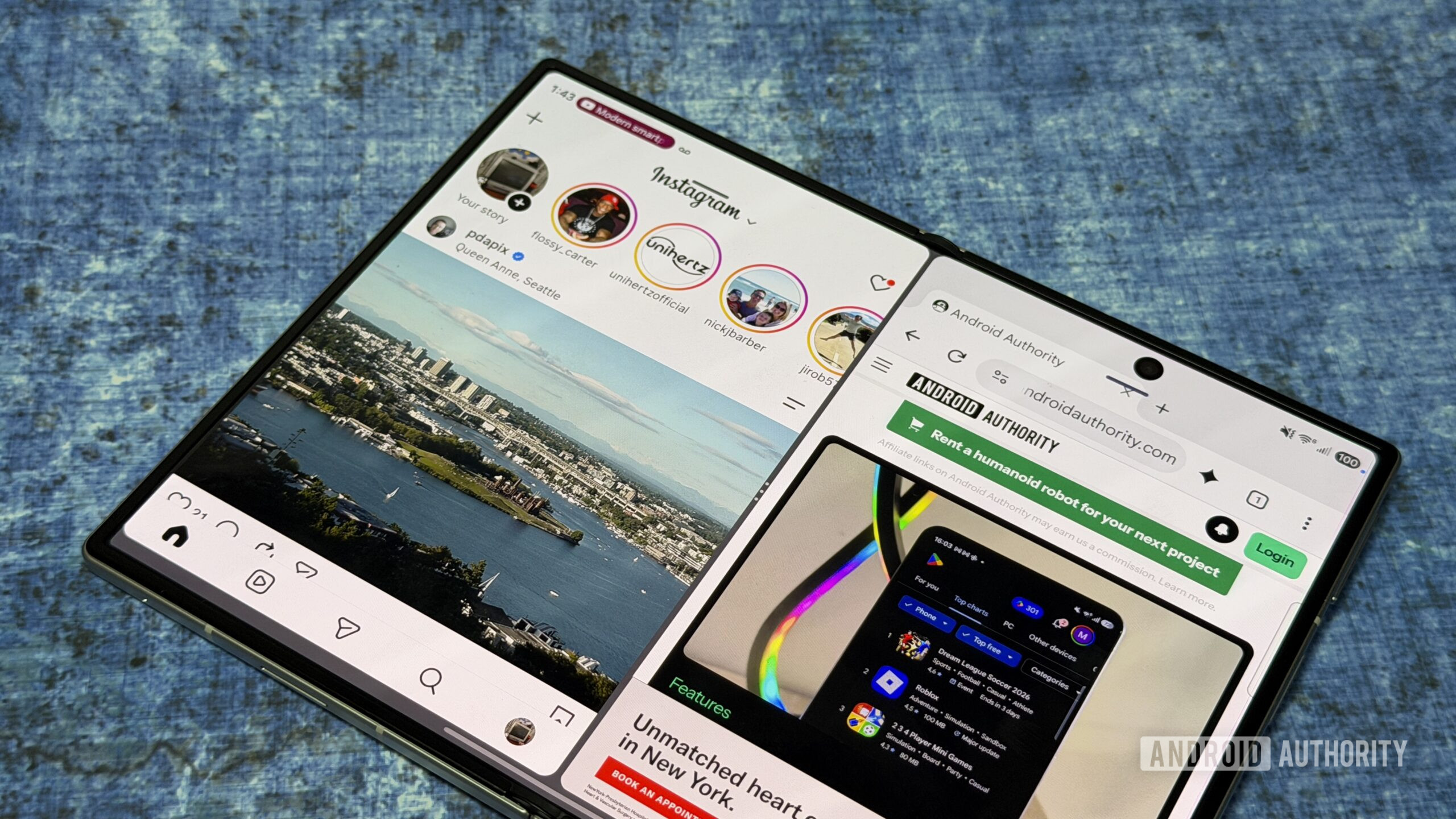
One UI 9 also excels in multitasking. The ability to set up "favorite app pairs" simplifies the launch of frequently used multi-window configurations. The system intelligently remembers layout and spacing adjustments, ensuring a consistent and personalized workspace. While the process of swapping out an app within a pair might not be as instantaneous as on some niche dual-screen devices, Samsung has streamlined it to require only a few taps, enhancing overall productivity.
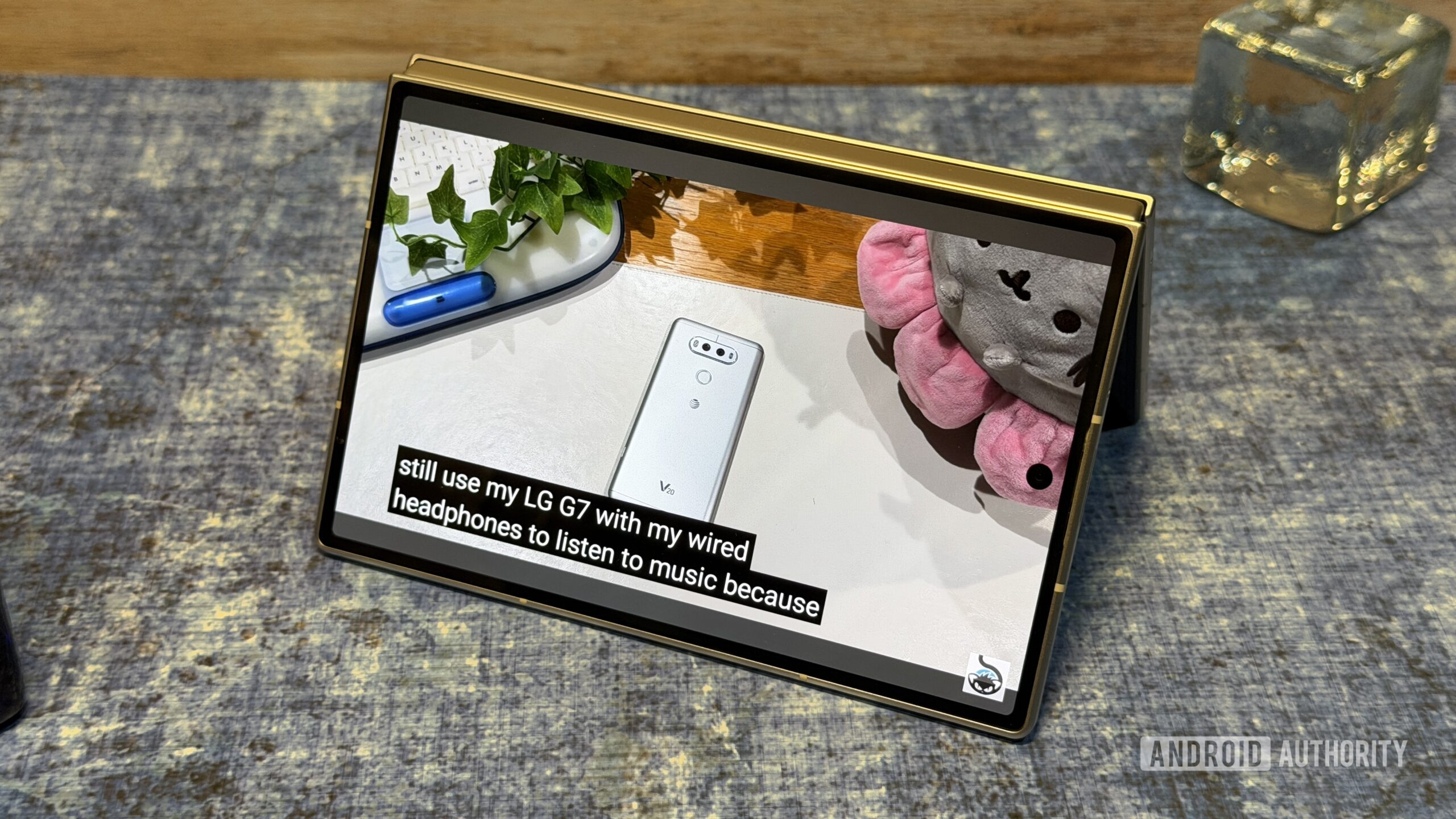
The article also highlights the improved "Tent Mode," which allows the device to be propped up in a folded position. While the loss of Flex Mode (where the device is partially folded to create a laptop-like screen and control panel) on the Z Fold 8 is noted, Tent Mode offers a highly enjoyable experience for media consumption, particularly for watching YouTube videos on the 16:10 cover screen. This adaptability underscores Samsung’s thoughtful approach to leveraging the foldable hinge for diverse use cases.
Camera Conundrum: Balancing Innovation with Practicality
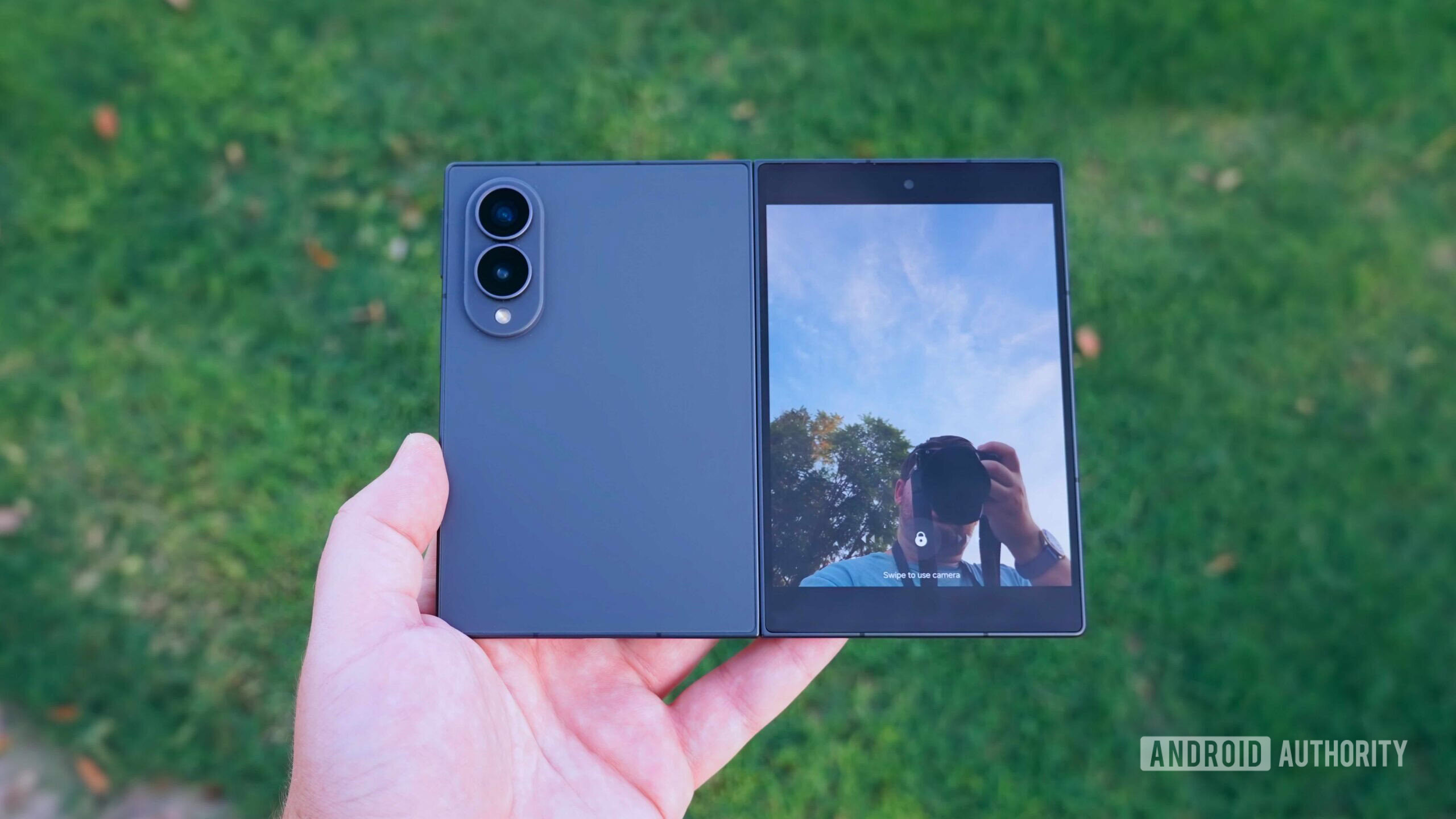
No smartphone, particularly in the cutting-edge foldable category, is without its compromises, and for the Galaxy Z Fold 8, the camera system emerges as a point of contention for some. The device features a "dual 50MP camera" setup, likely comprising a primary wide-angle sensor and an ultrawide sensor. While these are certainly capable, they represent a divergence from the more elaborate, often quad-camera arrays found on traditional slab flagships like the Samsung Galaxy S26 Ultra, which boasts a 200MP primary shooter and dedicated telephoto lenses. The Z Fold 8 notably lacks a telephoto lens, a feature commonly expected in a premium device.
This strategic choice by Samsung underscores the engineering challenges involved in integrating advanced camera hardware into a thin, foldable chassis. The internal volume constraints of a foldable device often necessitate trade-offs in camera module size and optical complexity. For a device priced at $1,900, the expectation for a top-tier camera experience is understandably high among consumers.
However, early user experiences, as reflected in the original article, suggest that for a significant portion of the target audience, the camera system’s limitations do not detract from the overall enjoyment of the device. This sentiment implies that for many, the unparalleled form factor, dual-display versatility, and enhanced productivity features outweigh the need for a camera system that rivals dedicated photography powerhouses. Samsung likely augments the hardware with advanced computational photography and AI enhancements to optimize image quality, attempting to bridge the gap through software.
Addressing the Aural Experience: Speaker Limitations
Another area identified for improvement in the Z Fold 8 is its audio output. The speaker placement and sound quality are described as "frustrating," characterized by a "hollow" sound with "little bass." This criticism points to an ongoing challenge for manufacturers of ultra-thin devices, particularly foldables, where internal space is at a premium. Achieving rich, deep audio from compact speakers within a constrained form factor is an engineering feat that even leading brands sometimes struggle with.
While this might be a noticeable drawback for audiophiles or those who frequently rely on smartphone speakers for media consumption, the broader user base often mitigates this by using external audio solutions like headphones or Bluetooth speakers. The article notes that for many users, this particular flaw is overshadowed by the device’s numerous strengths, suggesting it is not a deal-breaker.
Market Implications and the Future of Foldables
The Samsung Galaxy Z Fold 8’s positive reception, despite its identified flaws, carries significant implications for the broader foldable market. Its refined form factor, intuitive software, and powerful performance signal a maturation of foldable technology, making these devices more accessible and appealing to a wider audience. By addressing core usability concerns, Samsung is solidifying its leadership position in a rapidly expanding segment.
Industry analysts predict continued growth in the foldable market, driven by innovations like those seen in the Z Fold 8. Samsung’s commitment to offering diverse foldable options, from the wider Z Fold 8 to potentially more premium "Ultra" variants, demonstrates a strategic approach to cater to different user preferences and price points. The inclusion of advanced AI features across its flagship lineup further strengthens the value proposition, positioning Samsung at the forefront of the next wave of smartphone innovation. The Z Fold 8 represents not just another iteration, but a bold statement that foldables are here to stay, evolving from niche luxury items into genuinely practical and desirable everyday devices. Its success will undoubtedly influence future designs and software developments across the entire smartphone industry.