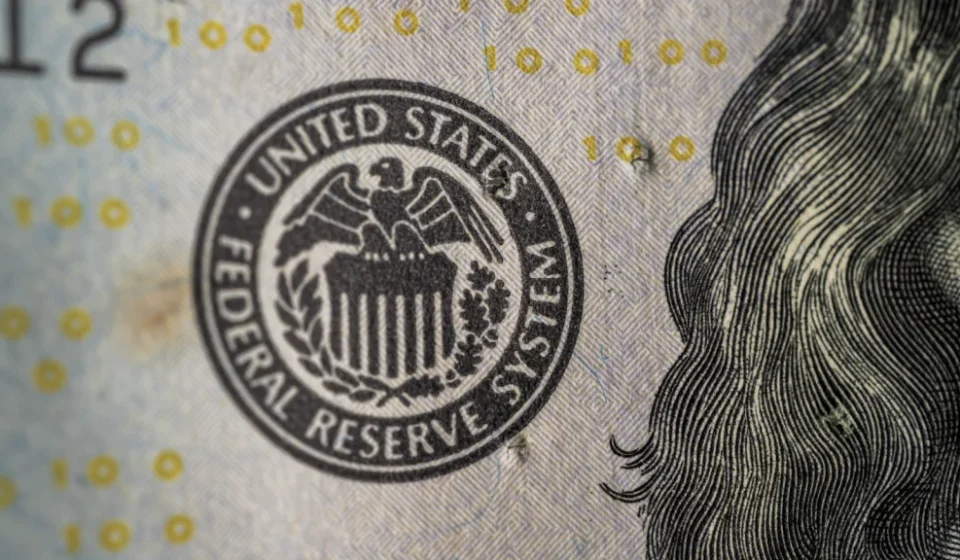
Federal Reserve Chair Kevin Warsh Signals Hawkish Stance at Jackson Hole as Inflation Persistence Fuels Rate Hike Expectations

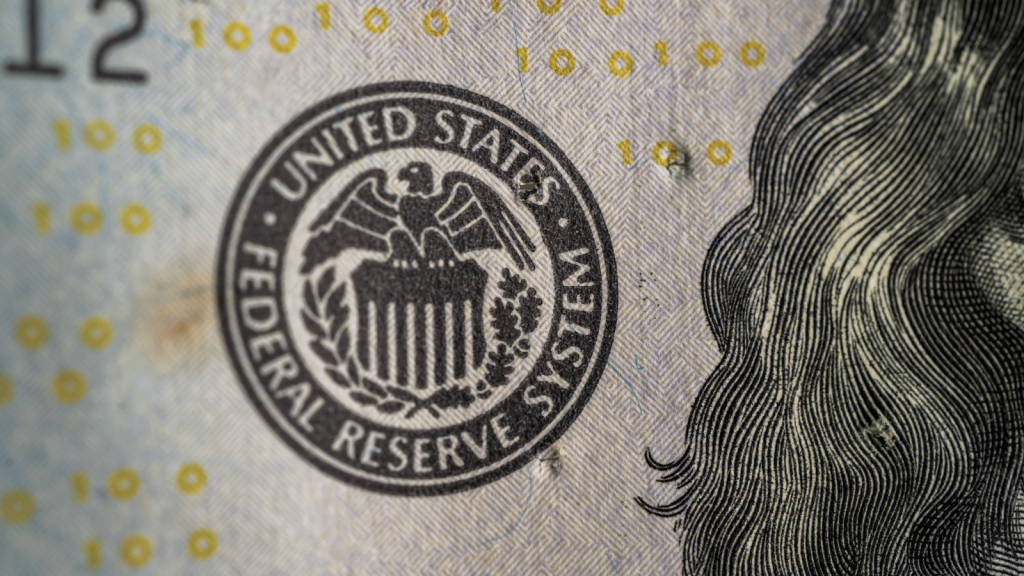
The Federal Reserve’s annual economic symposium in Jackson Hole, Wyoming, has historically served as a platform for central bank leaders to telegraph significant shifts in monetary policy. This year, Federal Reserve Chair Kevin Warsh utilized the venue to establish a distinct departure from his predecessors, emphasizing a return to strategic ambiguity and a refusal to provide the "roadmaps" that Wall Street has come to rely upon. Addressing an audience of global economists, policymakers, and financial analysts, Warsh made it clear that the Federal Open Market Committee (FOMC) remains focused on the persistence of inflation, effectively cooling hopes for a near-term pivot toward lower interest rates.
The Chair’s remarks came at a critical juncture for the U.S. economy, following a week of conflicting economic data. While some measures of inflation have shown signs of cooling, the Federal Reserve’s preferred gauge, the Personal Consumption Expenditures (PCE) price index, continues to hover significantly above the long-term target of 2%. Warsh’s refusal to commit to a specific interest rate trajectory has injected a fresh wave of uncertainty into the markets, leading traders to recalibrate their expectations for the upcoming September FOMC meeting.
A Chronology of Economic Indicators Leading to Jackson Hole
The week leading up to the Jackson Hole symposium was defined by heightened anticipation regarding the July inflation data. On Wednesday, the Bureau of Economic Analysis (BEA) released the latest PCE report, which serves as the primary metric for the Federal Reserve’s inflation-targeting framework. The data revealed that the headline PCE index rose 0.2% on a monthly basis, maintaining a 12-month inflation rate of 3.7%.
Core PCE, which excludes the often volatile categories of food and energy to provide a clearer view of underlying price trends, also increased by 0.2% for the month, with the annual rate holding at 3.3%. While these figures were largely in line with economist forecasts, they underscored the "sticky" nature of current price pressures.
A notable divergence appeared in the Dallas Fed’s trimmed-mean PCE, a measure that filters out extreme price swings at both ends of the spectrum. This figure came in at 2.3%, suggesting that when the most volatile outliers are removed, inflation may be closer to the target than the headline figures suggest. However, the stability of the trimmed mean—which has fluctuated between 2.3% and 2.4% over the last six months—was not enough to sway Chair Warsh toward a more dovish outlook.
Strategic Ambiguity: The Warsh Philosophy of Central Banking
During his Friday morning address, Chair Warsh articulated a philosophy of central banking that contrasts sharply with the "Forward Guidance" era defined by Ben Bernanke, Janet Yellen, and Jerome Powell. For nearly two decades, the Federal Reserve has moved toward transparency, providing detailed projections and explicit signals about future rate moves to minimize market volatility. Warsh, however, signaled a return to a more traditional, discretionary approach.
Drawing a parallel to the concept that mystery creates power, Warsh argued that the Fed should not feel obligated to explain its every move or provide a definitive timeline for policy changes. He expressed particular concern regarding the "hall of mirrors" effect, a phenomenon where the Federal Reserve makes policy decisions based on market movements, while the markets simultaneously move based on the Fed’s signals. Warsh warned that this feedback loop can distort economic reality and trap policymakers in a cycle of their own making.
"I stand here today committed to a discipline, not to a decision," Warsh stated, reinforcing his view that the Fed must remain data-dependent without becoming a slave to market expectations. He emphasized that the central bank’s primary mandate is price stability and that the current economic environment, characterized by solid consumer spending and a resilient labor market, does not necessitate immediate rate relief.
Deconstructing the PCE Data and Inflation Components
The persistence of inflation remains the central challenge for the FOMC. Despite the modest monthly increases, the year-over-year headline rate of 3.7% remains nearly double the Fed’s 2% objective. Analysis of the PCE report shows that price pressures are no longer confined to supply-chain-affected goods but have become embedded in the broader services sector.
Warsh pointed out that more than 50% of the individual components within the PCE index have experienced price increases exceeding 3% over the past year. This breadth of inflation suggests that the "last mile" of the inflation fight—moving from 3% down to 2%—may be the most difficult. Housing and rent costs continue to be significant contributors to core inflation, and while real-time data suggests a cooling in new leases, those changes have yet to fully manifest in the official government statistics.
The Dallas Fed’s trimmed-mean PCE at 2.3% provided a glimmer of optimism for some analysts, but Warsh dismissed the idea of declaring victory based on a single filtered metric. He noted that while various measures of inflation may offer different perspectives, they all currently point to the same conclusion: inflation is unacceptably high.
The AI Factor: Productivity and Economic Growth
A significant portion of Warsh’s address was dedicated to the long-term structural changes in the U.S. economy, specifically the role of Artificial Intelligence (AI). In a departure from purely monetary concerns, the Chair highlighted the potential for AI to drive a substantial boom in productivity.
Warsh noted the massive influx of capital into AI infrastructure, including data centers and specialized hardware, comparing the current national effort to a modern-day "Manhattan Project." He suggested that if AI can enable businesses to increase output without a corresponding increase in labor or capital costs, the economy could sustain higher growth rates without triggering the inflationary pressures typically associated with rapid expansion.
"The potential for substantially higher growth is on the rise," Warsh observed. However, he cautioned that the Federal Reserve cannot yet quantify the timing or the magnitude of this productivity boost. From a policy perspective, this means the Fed may be able to maintain higher interest rates for longer if the underlying economy is becoming more efficient, as the "neutral rate" of interest—the rate at which policy is neither stimulative nor restrictive—may be higher than previously estimated.
Market Reactions and the Path to September
Wall Street’s reaction to Warsh’s speech was immediate and decisive. Although the Chair did not explicitly state that a rate hike was coming, the hawkish undertones of his "discipline over decision" mantra were not lost on investors. Following the conclusion of the speech, the probability of a 25-basis-point rate hike at the September meeting jumped to approximately 56%, according to the CME FedWatch Tool, up from roughly 44% prior to the address.
Treasury yields also saw an uptick, with the 10-year note reflecting the market’s expectation that interest rates will remain elevated for a longer duration. Equity markets experienced a period of volatility as investors moved away from growth-sensitive sectors that benefit from lower rates, pivoting instead toward value and defensive positions.
Institutional reactions have been mixed. Some analysts praised Warsh for his focus on long-term stability and his willingness to break the market’s "addiction" to Fed guidance. Others, however, expressed concern that a lack of clarity could lead to increased market turbulence and a potential over-tightening of monetary policy that could stifle economic growth.
Broader Implications and Future Outlook
The Federal Reserve now enters a "blackout period" ahead of its September meeting, during which officials will refrain from public comment. The upcoming weeks will be crucial, with additional labor market data and Consumer Price Index (CPI) reports expected to play a major role in the FOMC’s final deliberations.
Chair Warsh’s performance at Jackson Hole has established a new era of central bank communication—one defined by strategic reticence and a firm commitment to the inflation target, regardless of market pressure. By framing the Fed’s role as one of disciplined observation rather than proactive guidance, Warsh has effectively shifted the burden of proof back onto the economic data.
As the U.S. economy navigates the complexities of a post-pandemic recovery, high-interest rates, and an emerging technological revolution, the Federal Reserve under Warsh appears prepared to prioritize the integrity of the dollar and the stability of prices above all else. For investors, the message from Jackson Hole was clear: the era of easy money and predictable policy is over, replaced by a regime where mystery is indeed a form of power.