Onimusha: Way of the Sword Delivers a Masterclass in Action and Narrative on Nintendo Switch 2

The highly anticipated return of Capcom’s beloved Onimusha series, Onimusha: Way of the Sword, has not only met but significantly exceeded expectations, solidifying its position as a standout title on the Nintendo Switch 2. The game distinguishes itself with a compelling protagonist, a deeply engaging narrative, and refined action combat that collectively offer a rich and rewarding player experience. Its successful launch on the latest Nintendo hardware also underscores Capcom’s continued prowess in optimizing major titles for the platform, setting a high bar for third-party developers.
A Resurgent Franchise Finds Its Footing
Onimusha: Way of the Sword marks the first new installment in the Onimusha franchise in nearly two decades, a significant hiatus that built considerable anticipation among long-time fans and newcomers alike. This latest entry, developed by Capcom, leverages the intervening years to refine the series’ core elements while introducing modern gameplay sensibilities. The game is set in a dark fantasy rendition of feudal Japan, a period and aesthetic that has historically proven fertile ground for compelling storytelling and strategic combat. The decision to place the player in the shoes of a samurai during a demon invasion taps into established genre appeal, offering a familiar yet freshly interpreted experience.
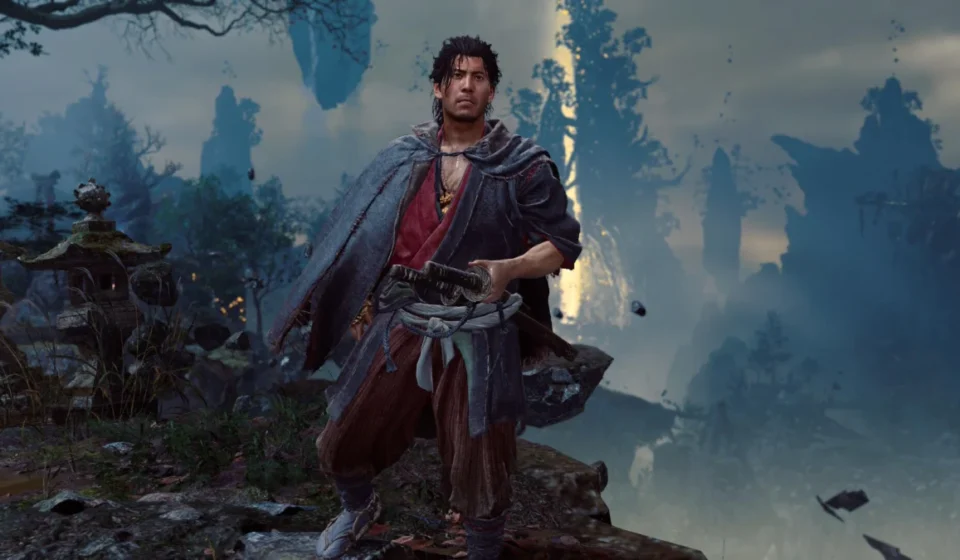
The game’s narrative centers on Musashi, a gifted swordsman who, after a near-fatal encounter with demonic forces, is imbued with the power of an Oni through a sentient gauntlet. This mystical artifact not only grants him supernatural abilities but also serves as the catalyst for his heroic journey. While the specifics of the plot remain largely undivulged to preserve the player’s discovery, the overarching story is described as robust and supported by a strong ensemble cast. Musashi himself has been singled out as a particularly memorable character, lauded for his dry wit and reluctant heroism. This characterization, coupled with his interactions with a dynamic supporting cast, including the sharp-tongued Shizuka, forms a significant pillar of the game’s appeal.

Gameplay Mechanics: A Blend of Challenge and Accessibility
At its core, Onimusha: Way of the Sword presents a demanding combat system that requires players to master defensive maneuvers such as blocking, parrying, and dodging, alongside precise offensive actions. This focus on reactive and tactical engagement is a hallmark of challenging action titles, and the game’s boss encounters are particularly noted for pushing players to their limits. The learning curve, while steep at times, is designed to be rewarding, encouraging players to study enemy patterns and adapt their strategies accordingly. This approach has drawn parallels to the methodical combat found in the Souls series, appealing to players who appreciate a significant challenge.
However, Capcom has also demonstrated a commitment to player accessibility, a crucial factor in the broad appeal of modern gaming. Onimusha: Way of the Sword includes an adjustable difficulty setting that genuinely scales the challenge, allowing players of varying skill levels to enjoy the experience. Significantly, the game does not penalize players for opting for an easier difficulty, a common practice in some games that can deter less experienced players. This inclusive design choice, ensuring that all players can engage with the narrative and gameplay without artificial barriers like achievement restrictions, is a noteworthy aspect of its release.
The sentient gauntlet plays a pivotal role in gameplay beyond simply empowering Musashi. It facilitates the collection of spirits, a vital resource for acquiring new skills, unlocking items, and upgrading abilities. This progression system is intrinsically linked to the player’s survival and effectiveness in combat, encouraging exploration and strategic resource management. The game’s environments, particularly the dark fantasy version of Kyoto, are designed to encourage exploration, with hidden items and advantages rewarding players who venture off the main path.
Technical Prowess on Nintendo Switch 2
A significant aspect of Onimusha: Way of the Sword‘s reception is its performance on the Nintendo Switch 2. Capcom has consistently showcased its ability to deliver high-fidelity gaming experiences on Nintendo’s hardware, and this title is no exception. The game reportedly runs with remarkable fluidity, a testament to skilled optimization. This is particularly important given the historical perception of Nintendo consoles as less capable of handling demanding triple-A titles.
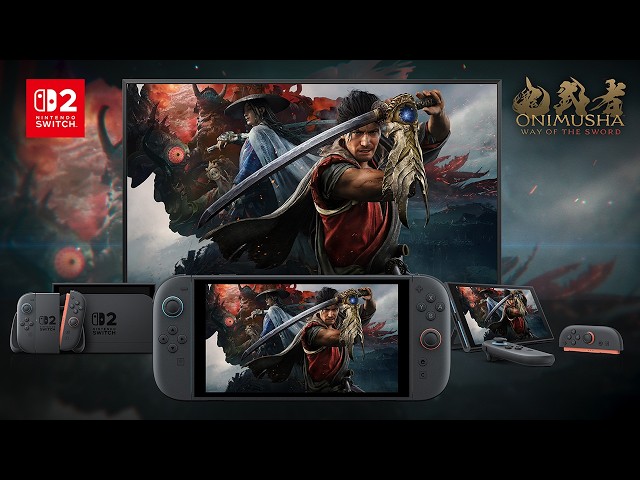
This successful porting effort follows a trend established by Capcom’s recent releases on the platform. For instance, Resident Evil Requiem on the Switch 2 was praised for its impressive performance, with only minor technical hitches noted. Similarly, early impressions of Dragon’s Dogma 2: Dark Arisen suggested it would also perform well on the hardware. The smooth operation and visual fidelity of Onimusha: Way of the Sword further cement Capcom’s reputation as a leader in bringing graphically intensive and complex games to Nintendo’s latest console. This not only benefits players on the Switch 2 but also sends a strong signal to other developers about the platform’s capabilities.
A Welcoming Entry Point and Future Outlook
A key consideration for any revived franchise is its accessibility to new players. Onimusha: Way of the Sword has been lauded for its ability to welcome those unfamiliar with the series’ previous entries. Players do not need prior knowledge of the Onimusha lore or gameplay mechanics to fully appreciate and engage with this installment. This design choice broadens the game’s potential audience and ensures that the franchise can continue to attract new fans alongside its existing fanbase.
The critical acclaim and positive player reception suggest that Onimusha: Way of the Sword is poised for significant recognition within the gaming industry. Speculation is already mounting that the title could be a contender for awards at the end of the year, a testament to its quality and impact. Its success in 2026 positions it as a benchmark for action-adventure games and a prime example of Capcom’s continued excellence in game development and platform optimization. The game’s performance and critical reception are likely to influence future development strategies for both Capcom and other third-party publishers looking to leverage the Nintendo Switch 2’s growing capabilities. The resurgence of the Onimusha series with such a strong entry indicates a promising future for the franchise and a continued testament to Capcom’s legacy in the gaming world.