Apple Grants Developers Freedom to Drop Intel Mac Support for Universal Apps Requiring macOS 13 and Later

Apple has officially informed developers that universal Mac App Store applications requiring macOS 13 (Ventura) or later can now discontinue support for Intel-based Mac computers. This pivotal shift, communicated to developers on Tuesday, September 1, 2026, marks a significant acceleration in Apple’s transition away from Intel processors and towards its proprietary Apple silicon architecture. The move is expected to streamline development processes, reduce app sizes, and ultimately enhance the performance and user experience on modern Macs.
The End of an Era: Intel Macs and the macOS Transition
For years, the Mac App Store has maintained a policy that universal applications, designed to run on both Intel and Apple silicon Macs, could not drop support for Intel-based machines if they required a specific macOS version. This effectively tethered developers to supporting older hardware even as Apple aggressively pushed its in-house M-series chips. The announcement signifies a deliberate uncoupling, allowing developers to fully leverage the capabilities and optimizations inherent in Apple silicon without the burden of maintaining compatibility with a declining hardware base.
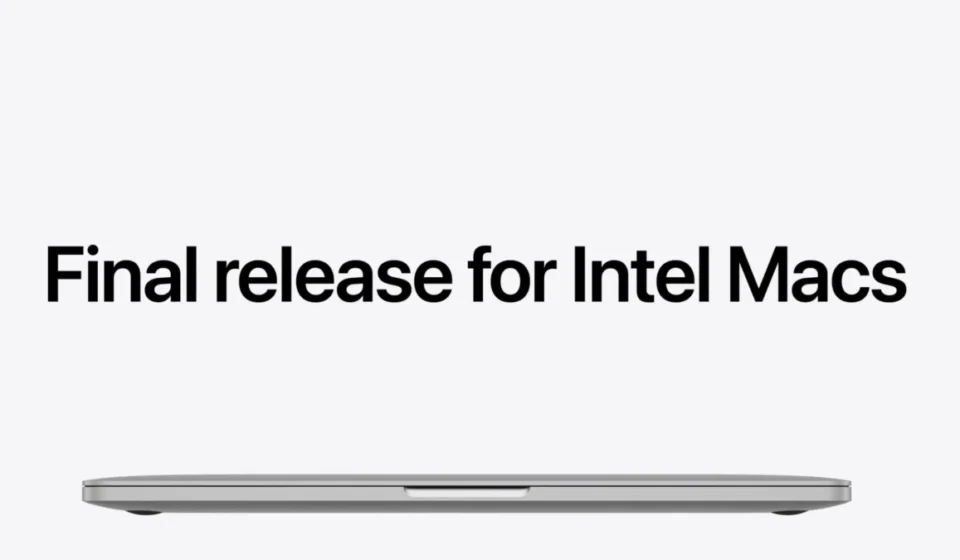
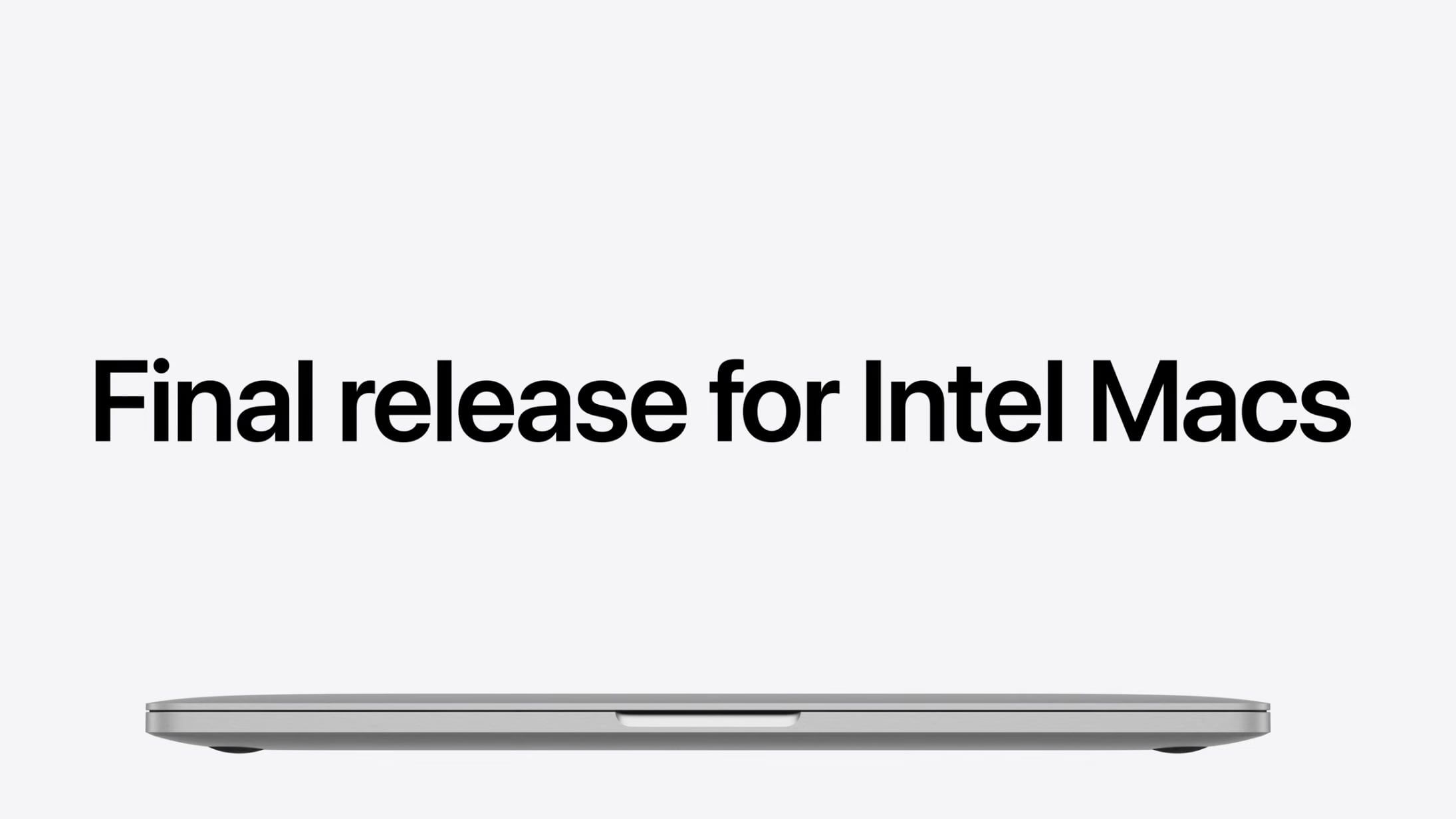
The timeline for this transition has been steadily unfolding. macOS 13 Ventura, released in late 2022, began to represent a more pronounced divergence in hardware requirements. However, it was macOS 14 (Sonoma), released in 2023, that further solidified Apple’s commitment to Apple silicon. The upcoming macOS 15 (Tahoe), scheduled for release in 2025, is widely understood to be the final version of macOS that will offer support for Intel-based Macs. This makes the current announcement by Apple particularly timely, as developers now have a clear runway to sunset Intel support for their applications targeting macOS 13 and beyond.
The next iteration, macOS 16 (Golden Gate), slated for 2026, will be exclusively for Apple silicon Macs. This creates a distinct hardware bifurcation within the macOS ecosystem, mirroring the progression seen in iOS and iPadOS. For users of Intel Macs, this means that while they will be able to continue using the last compatible version of macOS and their installed applications, they will not receive updates for apps that have dropped Intel support.
Streamlining Development and Optimizing User Experience
The primary motivation behind Apple’s decision appears to be the simplification of the development process and the optimization of application performance. Developers have long cited the complexities and overhead associated with maintaining universal binaries that cater to disparate hardware architectures. By removing the requirement to support Intel Macs for apps targeting macOS 13 and later, developers can:
- Focus on Apple Silicon Optimizations: Developers can now fully embrace the unique capabilities of Apple silicon, such as the Neural Engine, enhanced GPU performance, and unified memory architecture, leading to more powerful and efficient applications.
- Reduce Development and Testing Burden: The need to build, test, and debug separate code paths or architectures for Intel and Apple silicon is eliminated, freeing up valuable development resources.
- Minimize App Download and On-Device Size: Universal binaries often contain redundant code or assets for different architectures. Dropping Intel support can lead to smaller application download sizes and reduced storage footprint on user devices, a factor that has become increasingly important with the proliferation of mobile devices and the growing size of software.
- Accelerate Innovation: With fewer compatibility constraints, developers can potentially introduce new features and functionalities more rapidly, leveraging the latest advancements in macOS and Apple hardware.
The Gradual Sunset of Rosetta 2
Complementing this shift in Mac App Store policies is Apple’s ongoing effort to phase out Rosetta 2, the translation layer that allows Intel-based applications to run on Apple silicon Macs. While Rosetta 2 has been instrumental in facilitating the transition, its continued reliance on complex emulation presents a performance overhead. Apple has indicated that Rosetta 2 will cease to function for most applications after macOS Golden Gate, with apps that depend on it being unable to launch. This move underscores Apple’s long-term strategy to create a seamless, native experience across its entire hardware and software ecosystem. An exception is being made for certain older, unmaintained gaming titles that rely on Intel-based frameworks, acknowledging the unique challenges of preserving legacy software in specific niches.
Implications for the Mac Ecosystem
This strategic pivot has several significant implications for the Mac ecosystem:
- Accelerated Hardware Upgrade Cycle: Users of Intel-based Macs will eventually face a decision point: either continue with older software versions and accept the limitations, or upgrade to an Apple silicon Mac to benefit from the latest applications and macOS features. This could incentivize users to adopt newer hardware sooner than they might have otherwise.
- Developer Investment and Focus: Developers will increasingly prioritize the Apple silicon platform, leading to a richer and more performant application landscape for users of M-series Macs. This could also lead to a bifurcation in developer support, with less focus on maintaining older applications for Intel Macs.
- The Future of Intel Macs: While Apple has not announced an end-of-life date for Intel Macs in terms of operating system updates beyond macOS Tahoe, this announcement clearly signals that their relevance as a target platform for new universal applications is diminishing rapidly. Users of Intel Macs will need to be mindful of this evolving software landscape.
- App Store Dynamics: The Mac App Store, as a curated platform, will likely reflect this shift. New applications optimized for Apple silicon and requiring newer macOS versions will become more prevalent, potentially changing the discovery and availability of software for older Macs.
Historical Context: The Transition to Apple Silicon
The announcement on September 1, 2026, is the culmination of a multi-year strategic initiative by Apple. In November 2020, Apple unveiled its first Macs powered by its own custom silicon, the M1 chip, marking a historic departure from its decades-long reliance on Intel processors. Tim Cook, Apple’s CEO, stated at the time that the company had a clear roadmap for the transition, which was projected to take approximately two years. This timeline has largely held true, with Apple transitioning its entire Mac lineup to Apple silicon by early 2023.
The benefits of Apple silicon have been widely lauded, including significant improvements in performance, power efficiency, and the ability to run iOS and iPadOS apps on Macs. This has enabled new possibilities for developers and users alike, fostering a more integrated and powerful computing experience. The decision to allow developers to drop Intel support for universal apps is a natural progression, allowing the platform to fully mature and capitalize on the advantages of its proprietary architecture.
Data and Trends Supporting the Shift
While specific real-time data on the active user base of Intel Macs versus Apple silicon Macs is not publicly disclosed by Apple, industry analyses and anecdotal evidence strongly support the accelerating trend towards Apple silicon. Shipments of Macs with Apple silicon have consistently outperformed those with Intel processors since their introduction. Furthermore, the performance gap between Intel Macs and even entry-level Apple silicon Macs is substantial, particularly in areas such as graphics, machine learning, and sustained performance under heavy loads.
Developer adoption rates for Apple silicon have also been high. Many developers were quick to embrace the new architecture, drawn by its performance benefits and the potential for creating more innovative applications. The continued development of macOS versions exclusively for Apple silicon, starting with macOS Golden Gate, further solidifies this direction.
Developer Reactions and Expectations
While Apple’s announcement is official, the sentiment among developers is likely one of anticipation and relief. Many have been eagerly awaiting such a directive, as it simplifies their development cycles and allows them to focus on delivering the best possible experience for the growing base of Apple silicon Mac users.
"This is a welcome move that aligns with the direction the industry and Apple’s own hardware have been heading," commented a senior developer at a prominent Mac application studio, who preferred to remain anonymous. "Maintaining universal binaries for Intel has become increasingly burdensome, especially for complex applications. This allows us to dedicate our resources to pushing the boundaries on Apple silicon, which is where the future of the Mac lies."
Another developer expressed a similar sentiment, highlighting the performance gains and the ability to innovate: "We can now truly optimize our applications for the unique architecture of M-series chips, unlocking new levels of performance and efficiency that were not possible before. This ultimately benefits our users by providing a faster, smoother, and more capable experience."
Conclusion: A New Chapter for macOS
The decision by Apple to allow developers to drop Intel support for universal Mac App Store applications requiring macOS 13 or later is a clear signal of the company’s long-term vision for the Mac. It represents a decisive step in the ongoing transition to Apple silicon, promising to usher in an era of more powerful, efficient, and innovative Mac applications. While Intel Mac users will continue to have access to software, their experience will diverge from that of users on the latest Apple silicon machines. This strategic move underscores Apple’s commitment to a unified and optimized ecosystem, setting the stage for the next generation of Mac computing.