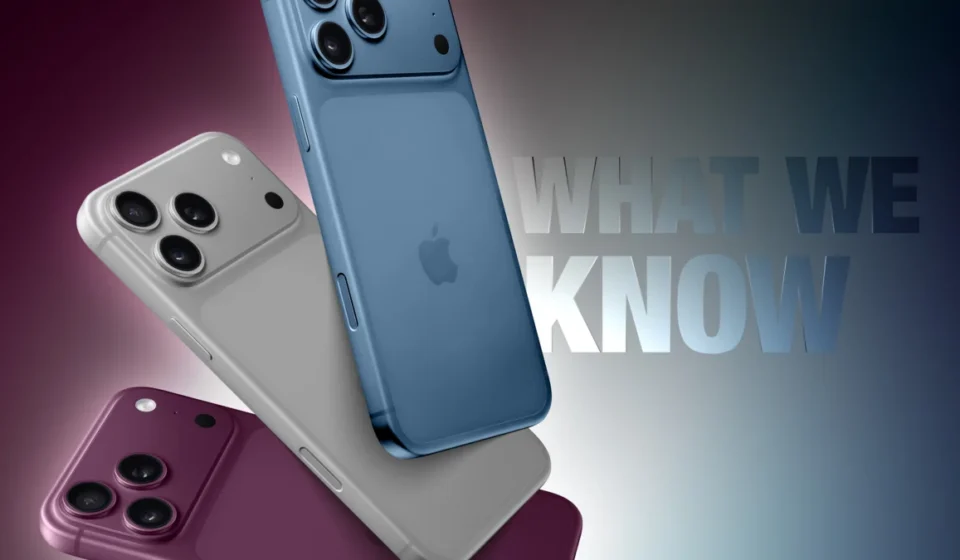
IPhone 18 Pro and iPhone 18 Pro Max Launch Imminent, First Foldable iPhone Teased

With only six days remaining until Apple’s highly anticipated annual fall event, the technology world is buzzing with anticipation for the unveiling of the new-generation iPhone 18 Pro and iPhone 18 Pro Max. Adding to the excitement, this year’s event, themed "Surprise and shine," is also expected to mark the debut of Apple’s first-ever foldable iPhone. The keynote address is scheduled for Wednesday, September 9th, promising a significant shake-up in the premium smartphone market.
Apple has maintained a consistent schedule for its fall product launches, typically holding its iPhone unveiling within the first two weeks of September. This tradition has been a cornerstone of the company’s product release cycle, with new iPhone models usually becoming available for purchase the following Friday. This year, industry insiders are pointing to Saturday, September 12th, as the potential start date for pre-orders of the iPhone 18 Pro and iPhone 18 Pro Max, with initial orders reportedly opening at the unconventional hour of 12:00 a.m. Pacific Time. This strategic timing could aim to capitalize on early adopter enthusiasm and manage initial demand.
Crucially, the iPhone 18 lineup will not feature a standard iPhone 18 model in September 2026. Instead, Apple is focusing its immediate release on its most advanced and premium offerings. The more accessible models, including the iPhone 18, iPhone 18e, and the intriguing iPhone Air 2, are slated for a later release in the spring of 2027. This tiered release strategy suggests a deliberate effort to segment the market and cater to different consumer needs and price points over a longer period. For a comprehensive overview of the much-speculated foldable device, tentatively referred to as the "iPhone Ultra," interested parties are directed to Apple’s dedicated "iPhone Fold" roundup.
Production Hurdles and Supply Chain Dynamics
The imminent launch of the iPhone 18 Pro and its foldable counterpart has been overshadowed by recent reports detailing significant supply chain challenges, particularly concerning the procurement of essential memory chips. Industry analysts, including semiconductor expert Tim Culpan, have indicated that Apple and its manufacturing partners are in a race against time to secure sufficient quantities of mobile DRAM (Dynamic Random-Access Memory) to meet projected production targets.
According to these reports, an estimated $1 billion worth of unpackaged processors are currently sitting idle, awaiting the arrival of these critical memory components. This bottleneck poses a substantial risk to the availability of the new iPhone models, potentially leading to widespread shortages and extended delivery times for consumers eager to acquire the latest Apple technology. The situation underscores the immense scale of Apple’s manufacturing operations and the intricate dependencies within the global semiconductor industry. The reliance on a limited number of memory chip suppliers amplifies the impact of any disruption, highlighting Apple’s ongoing efforts to diversify its supply chain and mitigate future risks.
Expected Innovations and Feature Set
While official specifications remain under wraps until the September 9th event, industry leaks and analyst predictions offer a glimpse into the anticipated advancements for the iPhone 18 Pro and iPhone 18 Pro Max. Rumors suggest a continuation of the design language seen in the iPhone 17 Pro and iPhone 17 Pro Max, implying a refined aesthetic rather than a radical overhaul. However, internal upgrades are expected to be substantial, addressing key areas of performance, connectivity, and user experience.
One of the most frequently cited potential upgrades is a reduction in the size of the Dynamic Island, the pill-shaped cutout that houses the front camera and Face ID sensors. A smaller footprint could lead to a more immersive display experience and potentially free up screen real estate for content. Furthermore, the integration of 5G connectivity via satellite is a highly anticipated feature. This technology, if implemented, would allow users to send and receive messages and make emergency calls in areas with no cellular coverage, a significant leap forward for safety and connectivity in remote locations.
Other rumored enhancements include advancements in camera technology, with speculation pointing towards improved low-light performance, enhanced zoom capabilities, and potentially new computational photography features powered by a more powerful A-series chip. Battery life is also expected to see incremental improvements, driven by more power-efficient components and optimized software. The introduction of a new, more robust display technology, possibly incorporating a next-generation Ceramic Shield for enhanced durability, is also a possibility.
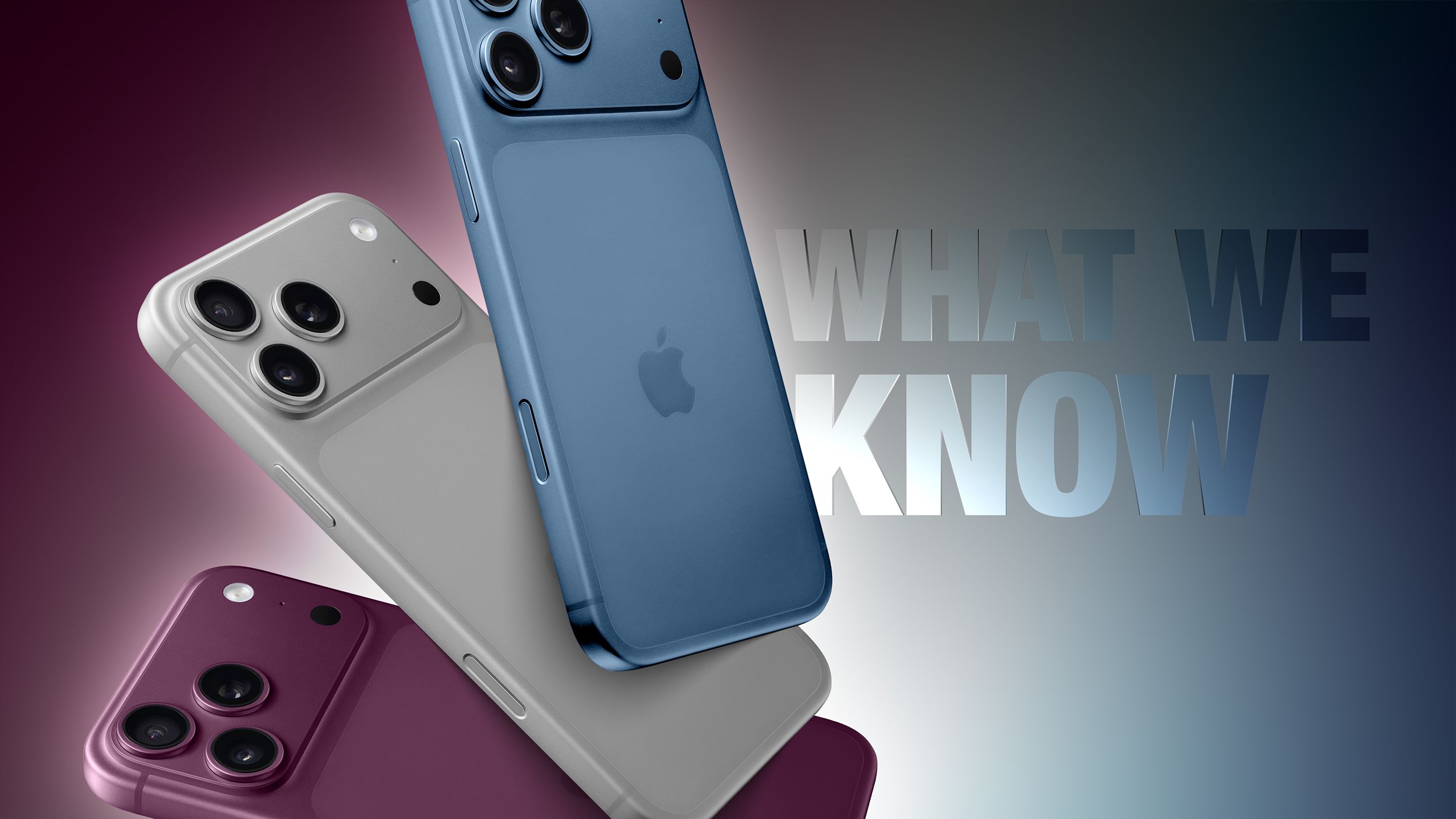
The Foldable Frontier: iPhone Ultra Expectations
The inclusion of a foldable iPhone in this year’s launch event signifies Apple’s entry into a rapidly evolving and increasingly competitive segment of the smartphone market. While details are scarce, the "iPhone Ultra" is expected to push the boundaries of mobile design and functionality. Competitors such as Samsung and Google have already established a presence in the foldable space, setting a high bar for Apple to meet and exceed.
The design of the iPhone Ultra is a subject of intense speculation. It could adopt a clamshell design, similar to Samsung’s Galaxy Z Flip series, or a book-style foldable, akin to the Galaxy Z Fold series, offering a larger, tablet-like display when unfolded. The choice of hinge mechanism, screen durability, and the integration of the iOS ecosystem with a foldable form factor will be critical determinants of its success. Analysts suggest that Apple will likely leverage its proprietary silicon to power advanced multitasking capabilities and optimized user interfaces for the foldable display. The potential for a stylus integration, similar to the Apple Pencil, is also being discussed, further blurring the lines between smartphones and tablets.
Historical Context and Market Implications
Apple’s consistent track record of successful product launches and its ability to shape consumer trends have set high expectations for the iPhone 18 series. The company’s fall events have historically served as major catalysts for the tech industry, influencing competitor strategies and driving innovation across the board. The introduction of the first foldable iPhone is particularly significant, as it could legitimize and accelerate the adoption of this nascent technology.
The semiconductor shortage, highlighted by the $1 billion worth of idle processors, is not an isolated incident but a symptom of broader global supply chain vulnerabilities that have affected numerous industries. Apple’s ability to navigate these challenges will be a key indicator of its operational resilience. The company’s immense purchasing power and established relationships with suppliers are significant advantages, but the sheer demand for advanced components in the current market presents unprecedented hurdles.
The decision to defer the release of the standard iPhone 18, iPhone 18e, and iPhone Air 2 to spring 2027 suggests a strategic recalibration of Apple’s product cadence. This could be a response to the ongoing supply constraints, allowing the company to focus its manufacturing and marketing efforts on the higher-margin Pro and foldable models. Alternatively, it might be a deliberate strategy to create distinct launch windows for different tiers of its smartphone offerings, generating sustained consumer interest throughout the year.
Broader Impact and Consumer Outlook
The iPhone 18 Pro and iPhone 18 Pro Max are expected to further solidify Apple’s position in the premium smartphone segment, catering to users who prioritize cutting-edge performance, advanced camera capabilities, and seamless integration within the Apple ecosystem. The introduction of the foldable iPhone, if executed successfully, could open up entirely new avenues for mobile computing and redefine user expectations for device versatility.
The potential for shortages, however, could lead to frustration among consumers and create an opportunity for competitors. Apple’s ability to manage demand and supply will be crucial in mitigating negative sentiment. The pricing strategy for the foldable iPhone will also be a significant factor, as this technology remains at a premium price point. If Apple can offer a compelling and durable foldable device at a more accessible price than current market offerings, it could significantly broaden the appeal of this form factor.
As the September 9th event draws nearer, the tech community will be keenly observing Apple’s announcements. The "Surprise and shine" tagline hints at unexpected innovations, and the company’s history suggests that it is well-positioned to deliver a memorable launch. The success of the iPhone 18 Pro series, and particularly the foray into foldable technology, will undoubtedly shape the future trajectory of the smartphone industry for years to come. The looming memory chip shortage remains a critical concern, but Apple’s proven ability to overcome complex logistical challenges suggests that a robust launch, albeit potentially with initial availability constraints, is still the most probable outcome.