Google Pixel 11 Faces Scrutiny Over Missing Core Camera Features Compared to Mid-Range Rivals

The recent launch of the Google Pixel 11 series, barely a month ago, has brought with it a mix of technological admiration and critical evaluation. While the new lineup, encompassing four distinct models, boasts advancements in silicon, innovative AI capabilities, compelling camera features, and an extended software update commitment, a significant disparity in camera functionality has drawn considerable attention. Specifically, the standard Pixel 11 model has been observed to conspicuously lack several camera features that are readily available on its more expensive Pro counterparts. This strategic omission by Google is further underscored by the recent emergence of a $500 Android smartphone from a rival manufacturer, the Redmi Note 17 Pro Max, which includes these very features, prompting a renewed debate about Google’s product differentiation strategy and consumer expectations in the fiercely competitive smartphone market.
The Unveiling of a Feature Disparity: Pixel 11 vs. Redmi Note 17 Pro Max
The core of the current discussion revolves around two specific camera functionalities: the ability to capture full-resolution 50MP photos and the presence of a manual or "pro" mode within the camera application. These features, often considered standard by photography enthusiasts and even casual users seeking greater control, are notably absent from the Google Pixel 11, a device commanding a price point of approximately $900. In stark contrast, the newly released Redmi Note 17 Pro Max, a mid-range device priced at around $500, offers both of these capabilities. This discrepancy highlights a curious strategic choice by Google, particularly given the Pixel series’ reputation for pioneering computational photography and delivering exceptional image quality.
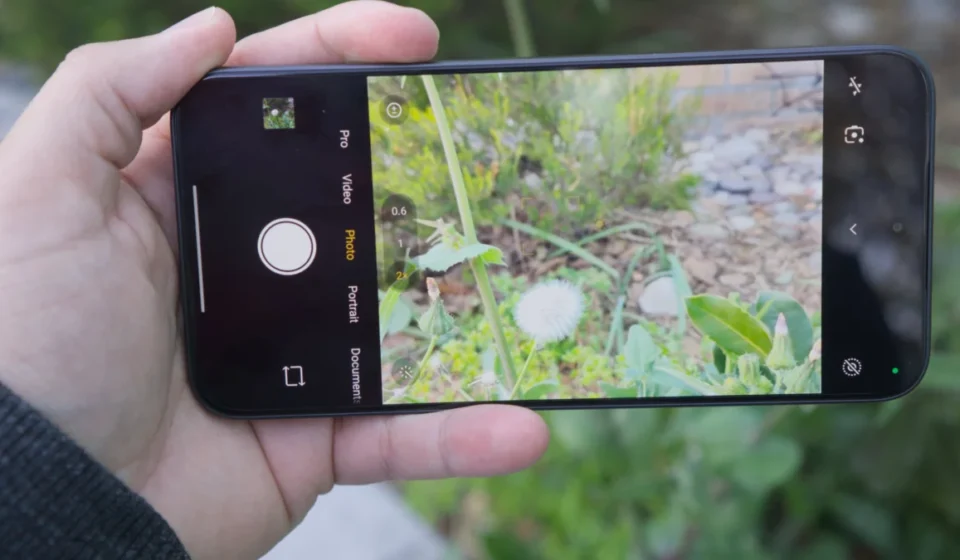
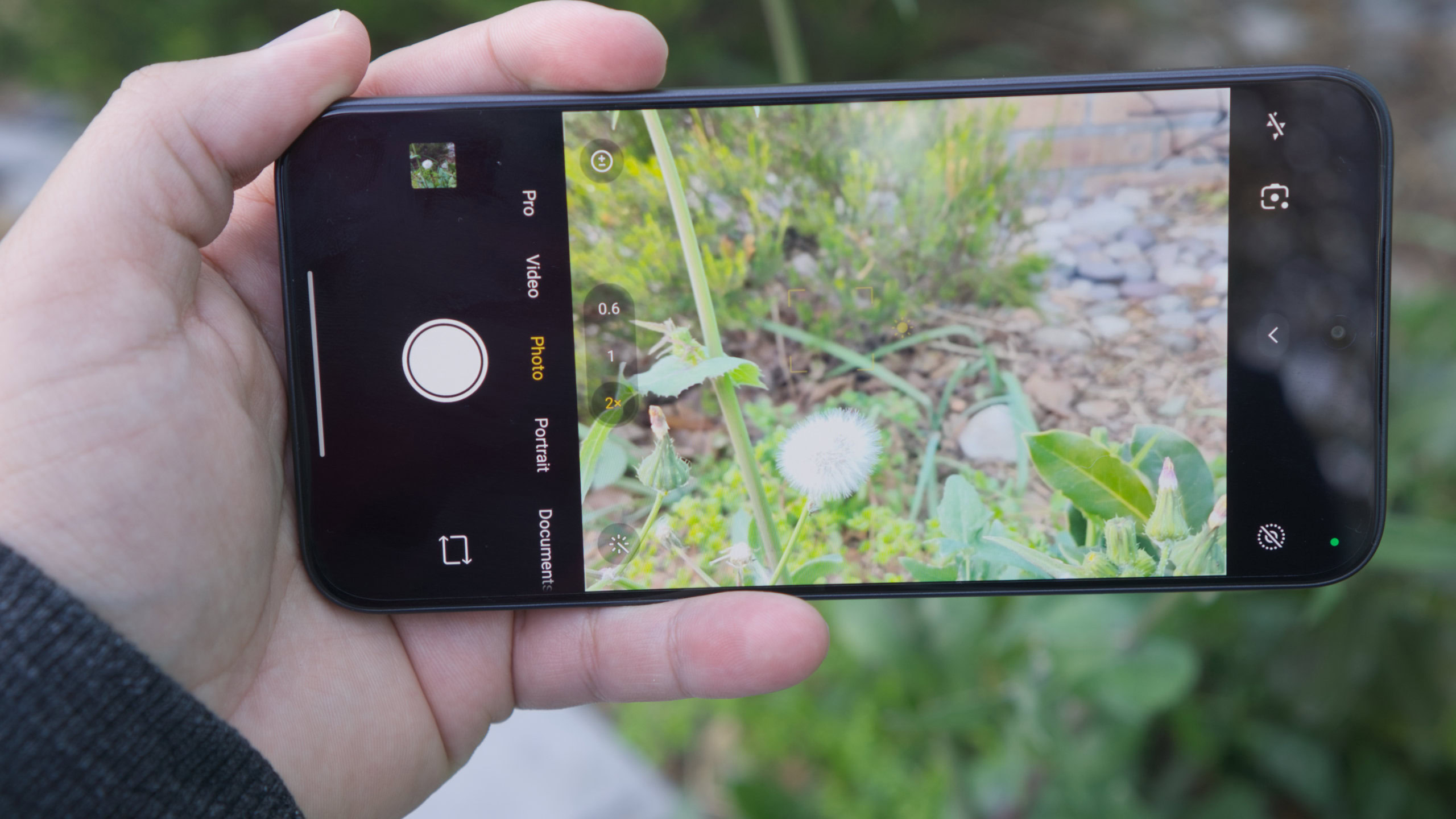
Having spent a few days with the Redmi Note 17 Pro Max, its primary distinguishing feature is a monumental 10,000mAh battery, promising an impressive three days of usage on a single charge. From a photographic perspective, its hardware specifications, featuring a pedestrian 50MP primary sensor paired with an 8MP secondary sensor, are more typical of a device in the $300 price bracket. Yet, it is within the software interface of its camera app that the Redmi Note 17 Pro Max truly surprises, providing functionalities that Google has consistently withheld from its flagship non-Pro Pixel models.
Technical Breakdown: Why These Camera Features Matter
Full-Resolution Image Capture: The ability to take full-resolution 50MP photos, rather than downsampled or pixel-binned 12.5MP images, offers significant advantages for users who prioritize detail and post-processing flexibility. While computational photography techniques, which Google heavily relies on, often involve combining multiple frames and pixel-binning to produce a superior final image with better dynamic range and low-light performance, capturing at native sensor resolution provides an unadulterated, higher-fidelity file. This is particularly valuable for:
- Cropping Flexibility: High-resolution images allow for extensive cropping without significant loss of detail, enabling users to reframe shots or extract specific elements with greater precision.
- Archival Quality: For professional photographers or serious hobbyists, a full-resolution file serves as a richer digital negative, preserving more raw data for future edits or archival purposes.
- Large Prints: When printing images, particularly at larger sizes, a higher native resolution generally translates to sharper, more detailed prints.
Google’s argument for omitting this on base Pixel models, even dating back to the Pixel 8 in 2023, is perplexing. While budget phones with smaller sensors and weaker chipsets might struggle to process large, high-resolution multi-frame images efficiently, Pixel flagships are equipped with powerful Tensor chipsets and sophisticated camera sensors that are more than capable of handling such demands. The technical infrastructure is evidently present, making the absence of this software toggle a deliberate decision.
Manual or Pro Mode: The inclusion of a manual or pro mode in a smartphone camera app empowers users with granular control over various photographic parameters, moving beyond the automated point-and-shoot experience. This mode typically allows adjustments to:
- ISO: Controls the sensor’s sensitivity to light, crucial for managing noise in varying lighting conditions.
- White Balance: Allows for precise color temperature adjustments, ensuring accurate color rendition under different light sources.
- Shutter Speed: Dictates the duration the sensor is exposed to light, enabling creative effects like freezing fast motion or capturing light trails.
- Focus: Manual focus offers precision control, especially useful in challenging lighting or when focusing on specific subjects in complex scenes.
- Exposure Compensation: Fine-tunes the overall brightness of an image.
For smartphone photographers, especially those on a budget who cannot invest in high-end camera phones, a manual mode can unlock significant creative potential. It allows them to compensate for the limitations of budget-tier camera hardware by intelligently manipulating settings to achieve desired effects. The fact that a $500 device like the Redmi Note 17 Pro Max provides this level of control, while the $900 Pixel 11 does not, suggests that Google’s rationale for feature gating is not based on hardware limitations but rather on market segmentation. This trend of withholding manual mode extends across the standard Pixel 8, Pixel 9, Pixel 10, and now the Pixel 11, compelling users who desire such control to opt for the more expensive Pro variants.
Google’s Pixel Strategy: A Historical Perspective and Industry Context
Google’s entry into the smartphone hardware market with the Pixel line has always been characterized by its emphasis on software optimization, artificial intelligence, and computational photography. From the early days, Pixels were lauded for their "point and shoot" simplicity, consistently delivering impressive image quality despite often not featuring the most cutting-edge camera hardware specifications compared to some rivals. Features like HDR+, Night Sight, and later Magic Eraser and Photo Unblur, all leveraging Google’s AI prowess, defined the Pixel camera experience.
However, as the smartphone market matured, so did consumer expectations. What were once considered "pro" features on dedicated cameras or high-end DSLRs gradually migrated to smartphones. Manufacturers like Samsung, Huawei, and Xiaomi have long offered extensive manual controls and full-resolution capture options across various price segments, including their mid-range and even budget offerings. Xiaomi, in particular, has built its brand around delivering value-packed devices, often integrating advanced features that appear on more premium devices from other brands into its more affordable Redmi and POCO lines. The Redmi Note 11 series, launched in the early 2020s, already featured high-resolution capture and manual modes, underscoring how commonplace these functionalities have become in the broader Android ecosystem.
Google’s decision to reserve these "basic" features for its Pro models appears to be a deliberate strategy to differentiate its product tiers and encourage upselling. In a market where hardware innovation often reaches plateaus, software features become a key differentiator. By creating a clear delineation between its standard and Pro models, Google aims to justify the higher price point of the Pro variants, not just through superior hardware (e.g., telephoto lenses, larger displays) but also through exclusive software capabilities. This approach, however, risks alienating a segment of users who appreciate Google’s core Pixel experience but also desire fundamental photographic controls without committing to the premium price tag of a Pro model.
Industry Reactions and Analyst Insights
While Google has not issued a direct statement specifically addressing the comparison with the Redmi Note 17 Pro Max or the absence of these features on the standard Pixel 11, industry analysts and observers have inferred Google’s likely stance based on its consistent product strategy.
Inferred Statement from Google: "Our Pixel lineup is designed to offer a tailored experience to a diverse range of users. The standard Pixel models are optimized for an unparalleled, intuitive point-and-shoot experience powered by our industry-leading computational photography and AI, which caters to the vast majority of our users who desire exceptional photos without needing to delve into complex manual settings. For advanced photographers and enthusiasts who require granular control over every aspect of their shot, the Pixel Pro series offers a comprehensive suite of features, including manual modes and advanced sensor capabilities, delivering a truly professional-grade mobile photography experience." This perspective frames the absence of features as a deliberate design choice aimed at simplicity and a curated user experience for the base models, while justifying the premium tier for specialized needs.
Inferred Statement from Xiaomi/Redmi: "At Xiaomi and Redmi, our philosophy is to democratize technology, making innovative and powerful features accessible to a broader audience. The Redmi Note 17 Pro Max exemplifies this commitment by integrating advanced camera controls like manual mode and full-resolution capture, alongside a groundbreaking battery life, into an affordable package. We believe users should have the flexibility and control to unleash their creativity, regardless of their budget, and our devices are designed to empower them with these capabilities." This highlights Xiaomi’s value-driven strategy and commitment to feature inclusion across price points.
Analyst Insights: Technology analysts often weigh the pros and cons of such segmentation strategies. "Google’s decision to gate basic camera functionalities like full-resolution capture and manual mode behind its Pro models is a double-edged sword," notes a prominent smartphone industry analyst. "On one hand, it clearly differentiates their premium offering and potentially drives higher average selling prices. On the other hand, it creates a perception gap, especially when more affordable competitors are offering these features. For a brand that prides itself on software innovation, deliberately withholding widely adopted software features can be perceived as a disservice to its user base and could push discerning customers towards rivals who offer more complete packages at competitive prices." Another analyst added, "In an era where every smartphone is a camera, and social media demands high-quality, customizable content, the expectation for manual controls is no longer exclusive to professionals. It’s becoming a mainstream demand. Google risks falling behind in user empowerment if it doesn’t reconsider this strategy for its non-Pro flagships."
The Price Point Paradox: $500 vs. $900
The stark price difference between the $900 Google Pixel 11 and the $500 Redmi Note 17 Pro Max amplifies the debate. When a device nearly half the price offers seemingly "pro" features that a premium flagship omits, it creates a strong value proposition for the cheaper alternative. While the overall image quality, computational prowess, and AI features of the Pixel 11 are still likely to surpass the Redmi Note 17 Pro Max in many scenarios—a point even the original article’s author concedes, preferring the Pixel’s overall camera experience—the psychological impact of missing fundamental controls remains significant. Consumers are increasingly discerning, and the expectation for feature parity, especially in widely available software functionalities, is growing. The argument that these are "pro" features justifying a higher tier becomes less compelling when a mid-range device can easily integrate them.
Broader Implications for the Smartphone Market
This scenario has several broader implications for the smartphone market:
- Competitive Pressure: The actions of manufacturers like Xiaomi demonstrate the intense competitive pressure in the mid-range segment. By offering premium features at lower price points, they force higher-end manufacturers to constantly justify their pricing and feature sets.
- Consumer Expectations: The incident reinforces the evolving expectations of consumers. What was once considered a niche or advanced feature is now increasingly seen as a baseline expectation, even on non-Pro flagship devices.
- Software vs. Hardware Differentiation: It highlights the ongoing shift in how smartphone manufacturers differentiate their products. As hardware specifications become increasingly similar, software features and AI capabilities become crucial battlegrounds. However, this also means that the deliberate removal of software features becomes a more visible point of contention.
- Brand Perception: For Google, a company that positions itself as a leader in AI and software, the perception of withholding basic software functionalities can be damaging to its brand image, especially among tech-savvy users.
- Market Segmentation Ethics: The practice raises questions about the ethics of segmenting software features to push consumers towards higher-priced models, particularly when the underlying hardware is capable of supporting those features.
Looking Ahead: The Future of Smartphone Camera Features
As the smartphone industry continues to evolve, the distinction between "basic" and "pro" camera features will likely blur further. With increasingly powerful mobile chipsets and advanced sensor technology becoming more affordable, the technical barriers to implementing features like full-resolution capture and manual modes are diminishing across all price points.
Google’s current strategy for its standard Pixel line might need re-evaluation in the coming years to remain competitive and meet consumer demands. While the Pixel’s computational photography remains a strong selling point, the absence of manual controls and native resolution options on its premium non-Pro devices creates a significant gap that rivals are quick to exploit. The debate surrounding the Pixel 11’s camera capabilities serves as a timely reminder that in the highly competitive smartphone market of 2026, even established players must continuously adapt their feature strategies to align with user expectations and the advancements offered by the broader industry. The future success of devices like the Pixel 11 may hinge not just on their innovative AI tricks, but also on their ability to offer fundamental, user-empowering camera controls that are becoming standard across the mobile photography landscape.