Garmin Poised to Enter Smart Ring Market with Ten Distinct Sizes, Regulatory Filings Suggest

Garmin, a titan in the fitness and outdoor wearable industry, appears to be on the cusp of significantly expanding its product portfolio with a foray into the burgeoning smart ring market. Recent regulatory filings in Brazil have unveiled details strongly suggesting the development of a Garmin smart ring, identified through a series of ten distinct model numbers, indicating a comprehensive range of sizes designed to cater to a broad consumer base. This potential move follows Garmin’s earlier venture into screenless fitness trackers with the CIRQA Smart Band, signaling a strategic pivot towards more discreet and integrated wearable technology.
The speculation surrounding Garmin’s smart ring ambitions intensified last month when a product identified as the "CIRQA Smart Ring" briefly surfaced on an Indonesian certification database before being promptly withdrawn from public view. While that initial glimpse offered little concrete detail, it served as an early indicator of Garmin’s interest in the form factor. The more recent and substantial evidence emerged from Brazil’s National Telecommunications Agency (ANATEL) certification database, a crucial regulatory body whose approvals are mandatory for electronic devices sold within the country.
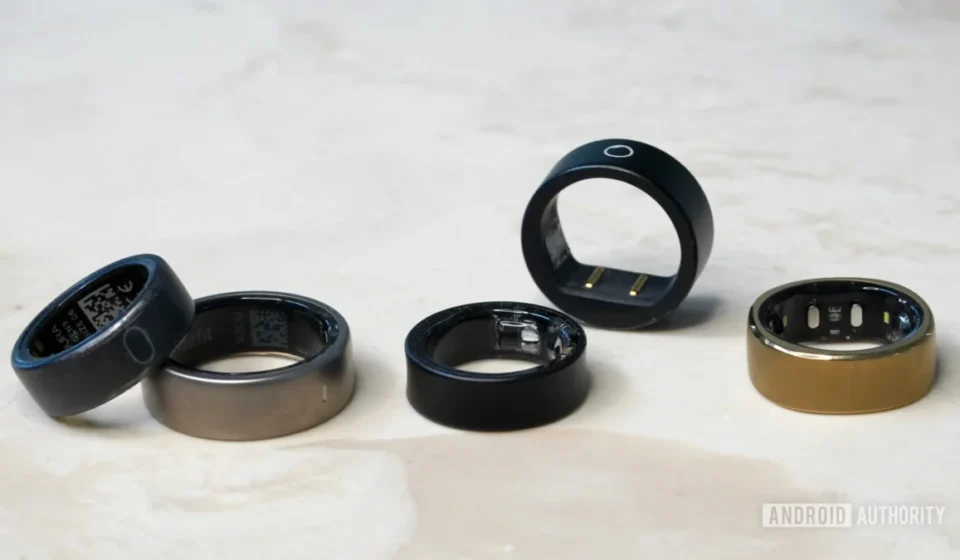
Spotted and reported by Gadgets and Wearables, the ANATEL filing lists ten unannounced products, all bearing strikingly similar model numbers: A05124, B05124, C05124, D05124, E05124, F05124, G05124, H05124, I05124, and AA5124. The sequential and variant nature of these identifiers is a strong indication that they represent different iterations or, more precisely, different sizes of a single core product. Given that smart rings, unlike traditional smartwatches or bands, are non-adjustable and require precise sizing for both comfort and accurate sensor readings, this pattern aligns perfectly with the typical product rollout for such devices. The inclusion of ten distinct variants strongly suggests that Garmin is preparing to offer its smart ring in ten different sizes, a range that would position it competitively against existing market leaders.
The Evolving Landscape of Wearable Technology and Garmin’s Strategic Moves
Garmin’s potential entry into the smart ring space is not an isolated event but rather a continuation of its broader strategy to diversify its wearable offerings and tap into new market segments. For years, Garmin has been synonymous with robust GPS devices, advanced sports watches, and sophisticated outdoor navigation tools. Its ecosystem, centered around the powerful Garmin Connect platform, provides comprehensive health and fitness tracking, analytics, and community features that have cultivated a loyal user base.
The introduction of the CIRQA Smart Band earlier this year marked a significant departure from Garmin’s traditional screen-centric devices. The CIRQA Smart Band, a minimalist, screenless fitness tracker, demonstrated Garmin’s willingness to embrace more discreet wearable form factors. This initial step into the screenless market segment laid the groundwork for the potential smart ring, which represents the ultimate in unobtrusive health monitoring. Consumers are increasingly seeking wearables that blend seamlessly into their daily lives, offering robust data collection without the visual distraction or bulk of a smartwatch. Smart rings, with their compact design and long battery life, are ideally positioned to meet this demand.
Competitive Benchmarking: Sizing Up the Smart Ring Market
The smart ring market, while still nascent compared to smartwatches, is experiencing rapid growth, driven by advancements in miniaturized sensor technology and increasing consumer interest in continuous health monitoring. Key players like Oura and Samsung have largely defined the current landscape. Oura, often credited with popularizing the modern smart ring, offers its Oura Ring in eight sizes for its current Generation 3 model, and previously offered up to 12 sizes for older iterations. Samsung, a recent and high-profile entrant, launched its Galaxy Ring with nine sizes, ranging from size 5 to 13.
Garmin’s apparent plan to offer its smart ring in ten sizes would place it squarely in the competitive range, potentially offering more sizing options than Samsung’s initial offering and comparable to Oura’s most extensive range. The importance of precise sizing for a smart ring cannot be overstated. An ill-fitting ring can compromise the accuracy of its embedded sensors, which typically rely on close skin contact to measure metrics like heart rate, blood oxygen saturation (SpO2), skin temperature, and activity levels. Furthermore, comfort is paramount for a device intended to be worn 24/7, including during sleep. By offering ten sizes, Garmin would maximize its chances of providing an optimal fit for a wider demographic, thereby enhancing data accuracy and user experience.
Technological Expectations and Garmin’s Edge
While no official specifications for the potential Garmin smart ring have been released, its development by Garmin suggests certain expectations regarding its capabilities and integration. Given Garmin’s expertise in biometric tracking, it is highly probable that the smart ring would incorporate a suite of advanced sensors. These would likely include:
- Photoplethysmography (PPG) sensors: For continuous heart rate monitoring, heart rate variability (HRV), and potentially SpO2 tracking.
- Accelerometer and Gyroscope: For activity tracking, step counting, calorie expenditure, and sleep stage detection.
- Skin Temperature Sensor: For monitoring body temperature fluctuations, which can be indicative of illness, menstrual cycle phases, or sleep quality.
Crucially, any Garmin smart ring would be expected to seamlessly integrate with the Garmin Connect ecosystem. This would allow users to view their comprehensive health data, track trends, receive personalized insights, and participate in challenges alongside data from other Garmin devices they might own. The existing robust analytics and coaching features within Garmin Connect would provide an immediate advantage, offering a rich data experience from day one.
Battery life is another critical factor where smart rings often outperform smartwatches, lasting several days on a single charge due to their screenless design and lower power consumption. Garmin has a strong track record of optimizing battery life in its devices, particularly in its Fenix and Epix lines, known for multi-week endurance. It is reasonable to anticipate that a Garmin smart ring would offer competitive, if not superior, battery performance, potentially lasting 5-7 days or more on a single charge. This extended battery life is a significant draw for users who prefer not to charge their devices daily.
Regulatory Filings: A Precursor to Launch
The appearance of a product on a federal regulatory database like ANATEL is a strong indication that a launch could be imminent. Regulatory approvals are among the final hurdles a company must clear before bringing a new electronic device to market. These certifications ensure that the product complies with local standards for electromagnetic compatibility, safety, and radio frequency emissions. While the ANATEL filing itself does not provide a specific launch date or official product name (beyond the generic model numbers), it signals that Garmin is well into the advanced stages of product development and commercialization planning.
Historically, companies often announce new products shortly after or concurrently with their appearance in regulatory databases. Major tech events like IFA (Internationale Funkausstellung Berlin) in September, or CES (Consumer Electronics Show) in January, are common venues for such unveilings. However, Garmin has also been known to host standalone launch events for significant product introductions. The fact that the CIRQA Smart Ring previously appeared on an Indonesian database, even if briefly, suggests that the device has been undergoing a multi-regional certification process, further cementing the likelihood of its eventual release.
Implications for the Wearable Market and Garmin’s Future
Garmin’s potential entry into the smart ring market carries significant implications for the broader wearable technology industry.
- Increased Competition and Innovation: The arrival of a major player like Garmin will undoubtedly intensify competition for existing smart ring manufacturers like Oura, Samsung, and smaller startups. This increased competition is likely to spur further innovation in sensor technology, data analytics, battery life, and design, ultimately benefiting consumers.
- Market Validation and Growth: Garmin’s entry serves as a strong validation of the smart ring as a viable and growing product category. The increased visibility and marketing power of a brand like Garmin could accelerate consumer adoption of smart rings, moving them from a niche product to a more mainstream wearable option.
- Diversification of Form Factors: For Garmin, this move solidifies its commitment to offering a diverse range of wearable form factors. By providing options from traditional smartwatches to minimalist bands and now potentially smart rings, Garmin aims to capture a wider array of consumer preferences and needs, reinforcing its position as a comprehensive health and fitness technology provider.
- Ecosystem Expansion: A smart ring would further enrich the Garmin Connect ecosystem, providing more granular and continuous data streams for health insights. This could lead to more sophisticated algorithms for sleep tracking, recovery analysis, and stress management, leveraging the unique advantage of 24/7, non-intrusive monitoring.
- Potential for Specialized Use Cases: Given Garmin’s strong presence in endurance sports and outdoor activities, a smart ring could find specialized applications. For athletes who prefer minimal gear during training or competition, a smart ring could offer essential biometric data without the bulk of a watch.
While Garmin has yet to make any official announcement regarding a smart ring, the accumulating evidence from regulatory filings paints a clear picture of a company preparing to make a significant splash in a new and exciting segment of the wearable market. The strategic timing, coming after the launch of its screenless smart band, indicates a deliberate and thoughtful expansion strategy. Consumers eager for a discreet, powerful, and integrated health monitoring solution from a trusted brand may not have to wait much longer for Garmin to officially unveil its CIRQA Smart Ring. The prospect of combining Garmin’s renowned accuracy and robust ecosystem with the subtle elegance of a smart ring is an exciting development for the future of personal health technology.