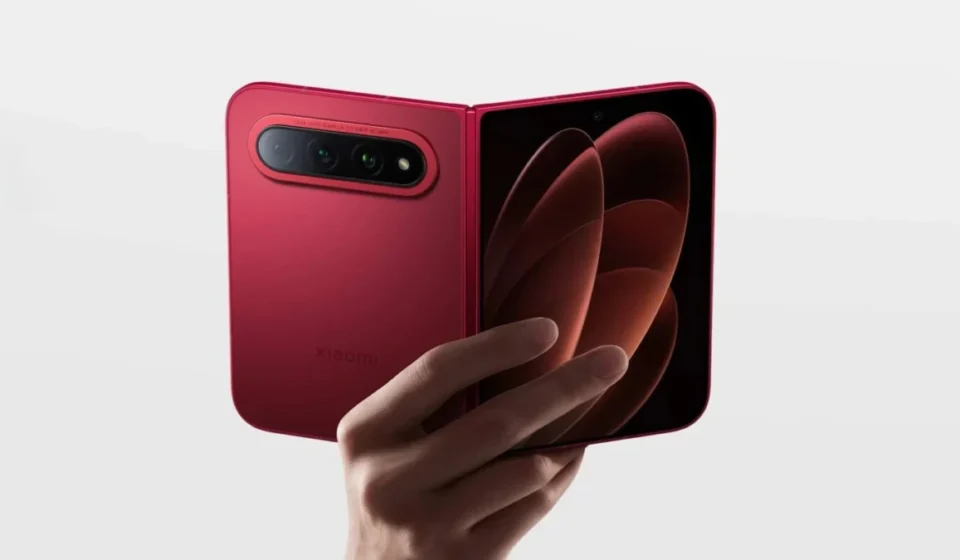

Xiaomi has officially unveiled its first wide-format foldable smartphone, the Xiaomi 18 Fold, at a dedicated product event held in China. This highly anticipated announcement comes precisely two days before its global rival, Apple, is expected to reveal its own inaugural foldable iPhone. The strategic timing of Xiaomi’s launch clearly positions the 18 Fold as a direct competitor and a significant benchmark for the upcoming Apple device, setting the stage for an intensified battle in the premium smartphone market.
A New Era of Foldable Design
The Xiaomi 18 Fold adopts a familiar wide-folding form factor, mirroring the design language of established players like Samsung’s Galaxy Z Fold series and, crucially, the anticipated design of Apple’s upcoming foldable. This design choice suggests a consensus among leading manufacturers on the optimal layout for a foldable smartphone that aims to balance the portability of a traditional phone with the expansive screen real estate of a tablet.
At the forefront of its display technology, the 18 Fold boasts a 5.38-inch outer display and a more substantial 7.58-inch inner display. Both screens are engineered with advanced 120Hz LTPO technology, promising exceptionally fluid visuals and adaptive refresh rates that optimize power consumption. Furthermore, these displays achieve an impressive peak brightness of 4000 nits, a figure that significantly surpasses current industry standards and will undoubtedly enhance outdoor visibility and HDR content playback. The durability of these foldable displays is addressed by a novel double-layer ultra-thin glass structure, a critical innovation for ensuring longevity and resilience in a segment where screen integrity is paramount.
The "Dragon Bone" Hinge: Precision Engineering for a Seamless Experience
Central to the 18 Fold’s foldable functionality is its redesigned hinge mechanism, which Xiaomi has christened the "Dragon Bone" hinge. This sophisticated engineering feat has reportedly undergone 492 distinct structural optimizations. The result is a hinge that not only promises enhanced durability and a smoother folding action but also facilitates a noticeably more rounded and refined aesthetic compared to the sharper angles often seen in competing devices, such as Samsung’s Galaxy Z Fold8. This attention to detail in the hinge design is crucial for user experience, impacting both the feel of the device when opening and closing and its overall visual appeal.
The device is available in a quartet of sophisticated finishes, catering to a diverse range of consumer preferences. Among these are a striking Nishino Red colorway, offering a bold aesthetic statement, and a highly exclusive Ceramic Special Edition. This limited edition, capped at a mere 1,500 units globally, underscores Xiaomi’s strategy of creating aspirational and collectible devices within its flagship lineup. The introduction of such premium finishes highlights the company’s ambition to compete at the highest echelons of the luxury smartphone market.
Powering the Future: The In-House Xring O3 Chip
A significant technological leap for Xiaomi is the integration of its proprietary Xring O3 chip into the 18 Fold. This marks the first time a flagship device from the company has been powered by its own in-house silicon. The Xring O3 chip is fabricated using a cutting-edge 3nm process, a testament to Xiaomi’s commitment to advanced manufacturing and its growing capabilities in semiconductor design.
The architecture of the Xring O3 chip is equally impressive, featuring a 10-core CPU clocked at a formidable 4.35GHz and a 16-core GPU. Xiaomi claims that this new chip delivers substantial performance gains over its predecessors, reporting a 60% improvement in multi-core CPU performance and an astounding 85% boost in GPU capabilities. Crucially, these performance enhancements are achieved with significant power efficiency improvements: power draw for the CPU is down by 25%, and for the GPU by 64%. Furthermore, the chip incorporates a dedicated Neural Processing Unit (NPU) rated at an exceptional 200 TOPS (Trillions of Operations Per Second), indicating a strong focus on artificial intelligence and machine learning capabilities, which will likely power advanced camera features, AI-driven optimizations, and on-device processing for future applications.
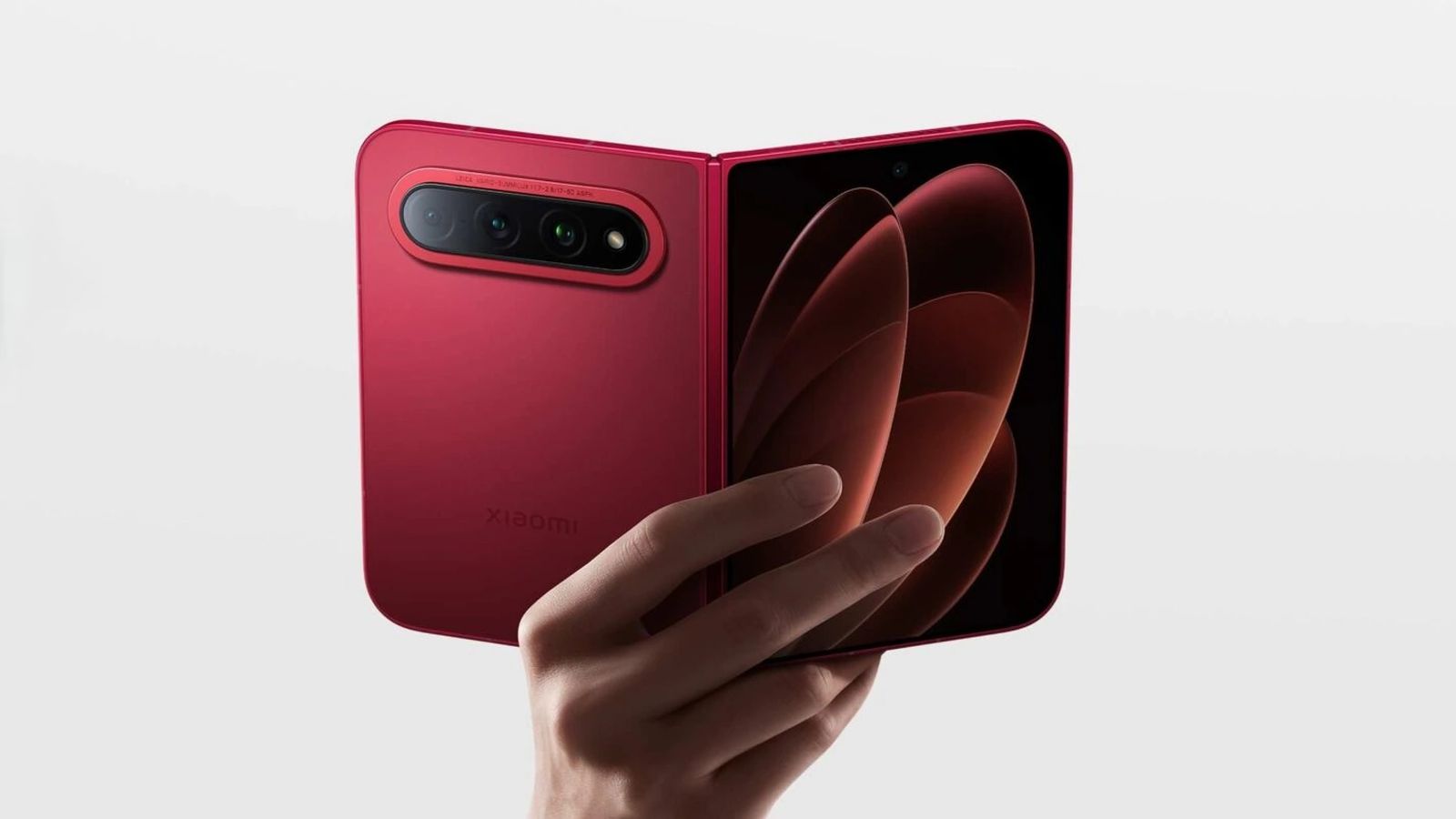
A Leica-Tuned Camera System for Uncompromised Photography
In a continued collaboration that has yielded impressive photographic results, Xiaomi has partnered with Leica for the development of the 18 Fold’s rear camera system. The primary sensor is a remarkable 200-megapixel unit, promising an unprecedented level of detail and clarity in captured images. This is complemented by a 50-megapixel ultrawide lens, providing expansive field-of-view for landscape and group shots, and a 50-megapixel periscope telephoto lens. The telephoto lens offers a 3.5x optical zoom, allowing users to capture distant subjects with clarity without sacrificing image quality.
This camera configuration positions the Xiaomi 18 Fold as a formidable contender in mobile photography. In contrast, early reports and industry expectations suggest that Apple’s first foldable iPhone may feature a more pared-down rear camera system, potentially omitting a dedicated telephoto lens. This difference in approach could be a key differentiator for consumers prioritizing advanced zoom capabilities.
Software, Battery, and Pricing: A Premium Proposition
The Xiaomi 18 Fold runs on the company’s latest HyperOS 4 software, an operating system designed to provide a seamless and integrated user experience across Xiaomi’s ecosystem. Powering the device is a substantial 6,000mAh battery, which supports rapid charging technologies: 67W wired charging and 50W wireless charging. These specifications ensure that users can quickly replenish the battery and minimize downtime.
The pricing strategy for the Xiaomi 18 Fold positions it firmly in the premium segment. The base model, featuring 12GB of RAM and 256GB of storage, is priced at 10,999 yuan, which translates to approximately $1,638 USD. For users seeking higher specifications, a 16GB RAM and 1TB storage configuration is available for 14,999 yuan (approximately $2,235 USD). The exclusive Ceramic Special Edition carries a price tag of 15,999 yuan (approximately $2,384 USD). These prices align with the high-end market for foldable devices, and importantly, they are in line with expectations for Apple’s upcoming foldable iPhone, which is widely anticipated to retail for over $2,000 USD.
Broader Ecosystem Expansion and Market Implications
The launch event was not solely focused on the 18 Fold. Xiaomi also introduced the Xiaomi Pad 9 Pro Max tablet, which shares the advanced Xring O3 chip, signaling a broader integration of its new silicon across its product portfolio. Furthermore, the company showcased three electric vehicles under its Pengcheng brand, underscoring its ambitious diversification strategy beyond consumer electronics.
However, the global availability of the Xiaomi 18 Fold remains uncertain. Historically, Xiaomi’s earlier Mix Fold foldable devices have been exclusive to the Chinese market. This limited international release strategy could present an opportunity for Apple to capture a larger global market share with its first foldable iPhone, should it opt for a wider rollout.
The Countdown to Apple’s Foldable Debut
The competitive landscape is intensifying as Apple prepares for its own major product announcement. The company is scheduled to host its annual September event on September 9th at its iconic Apple Park campus. At this event, Apple is widely expected to unveil its long-rumored first foldable iPhone, alongside the iPhone 18 Pro and iPhone 18 Pro Max models. The imminent arrival of Apple’s foldable device, following Xiaomi’s proactive launch, indicates a significant shift in the smartphone industry towards flexible display technology at the highest tier. The market will be closely watching to see how Apple differentiates its offering and what impact this new wave of foldable devices will have on consumer adoption and the overall smartphone market trajectory. The coming weeks promise to be a pivotal period for the evolution of mobile technology.