A New Contender in Android Customization: Victoria Launcher Emerges as a Free, Open-Source Alternative to Niagara

The landscape of Android home screen launchers is a dynamic ecosystem, driven by user demand for enhanced customization, streamlined productivity, and aesthetic control over their mobile experience. Among the myriad options, Niagara Launcher has established itself as a leading choice for users seeking a minimalist, efficient, and feature-rich interface. However, its premium pricing model has consistently sparked debate among its user base, creating a notable gap in the market for a robust, free alternative. This void is now being addressed by Victoria Launcher, an ambitious open-source project that directly challenges Niagara’s dominance by replicating its core philosophy and expanding upon it with its own unique refinements and a rapid development cycle.
The Established Dominance and Pricing Conundrum of Niagara Launcher
Niagara Launcher has, for years, been lauded as one of the most effective Android home screens available. Its design philosophy centers around reducing digital clutter, promoting focus, and offering intuitive access to essential applications. Users frequently praise its smooth performance, thoughtful feature set, and ability to cater to both extreme minimalists and those who appreciate a more robust, yet still organized, interface. Its success is evident in its ability to facilitate highly productive phone setups, transforming the often-overwhelming Android home screen into a focused command center.
Despite its critical acclaim and strong user loyalty, Niagara Launcher faces recurring criticism regarding its pricing structure. While a limited free version is available, unlocking its full potential, including features vital for many power users, necessitates a paid subscription. Users are presented with options ranging from a monthly fee to a more substantial lifetime unlock. For early adopters who secured access during its beta phase, the cost was often negligible. However, for new users entering a competitive app market, the current asking price for Niagara Pro is frequently perceived as a significant expenditure. This sentiment is widely reflected in online forums and user reviews, where the cost often emerges as a primary deterrent, prompting many to seek alternatives that offer similar functionality without the financial commitment. This creates a strategic vulnerability for Niagara, despite its proven quality and extensive feature set.
Victoria Launcher: A Deliberate Echo from Another Continent
In response to this market demand, Victoria Launcher has emerged as a compelling new player. Its very name, a playful nod to another globally renowned waterfall, immediately signals its inspiration. Launched as an open-source project on GitHub, Victoria Launcher makes no secret of its design lineage, openly borrowing and adapting the core principles that have made Niagara so successful. This approach provides users with a distinctively similar, yet entirely free, experience.
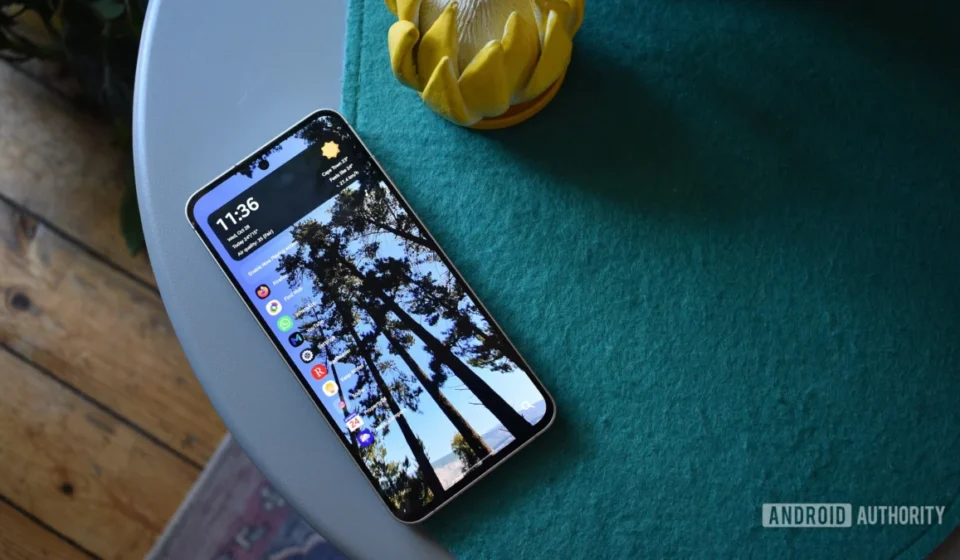
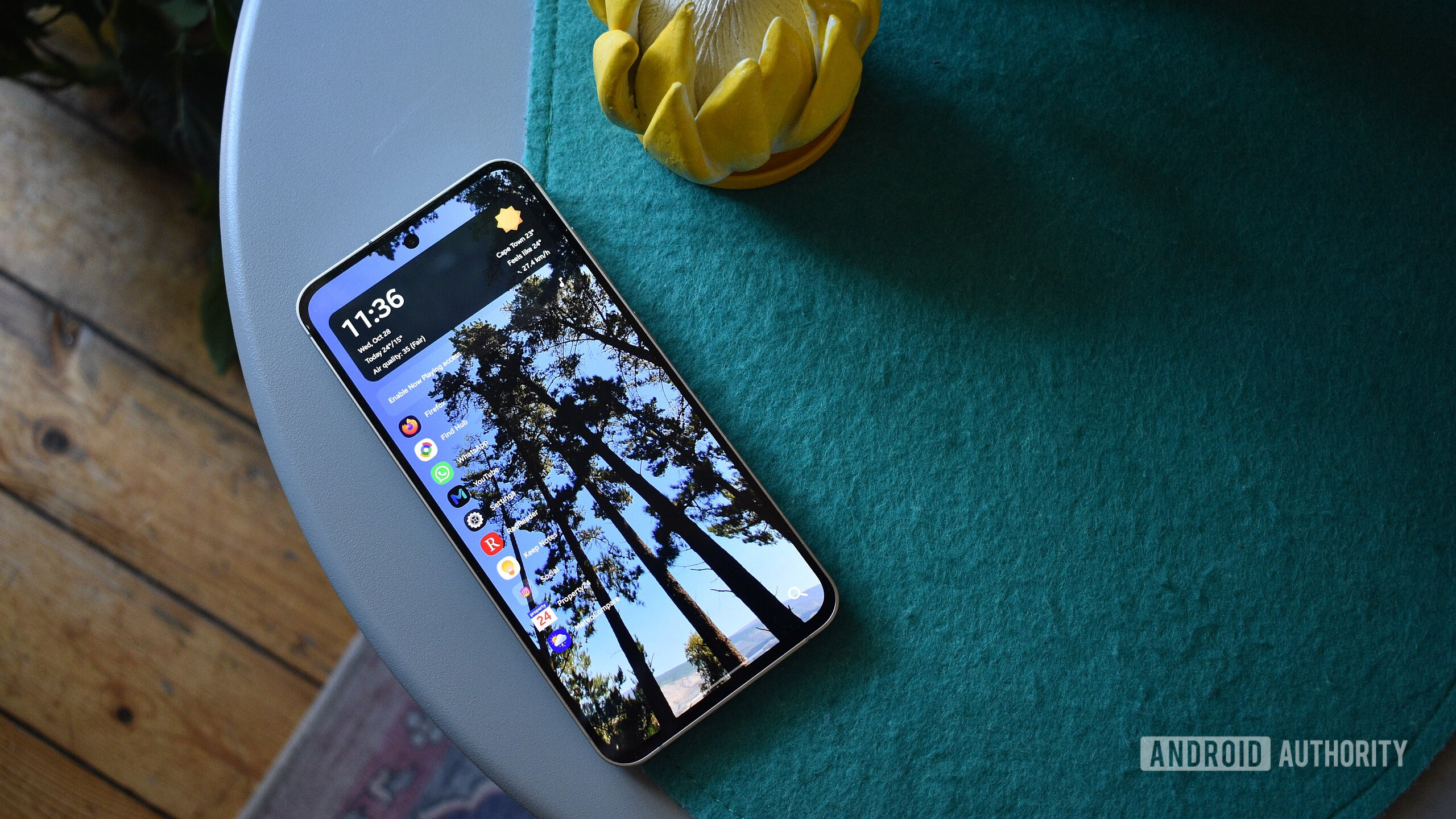
Upon initial setup, the familiar elements of Niagara’s design philosophy are immediately apparent. Victoria Launcher incorporates the staple feature of selecting "favorite apps" that are prominently pinned to the home screen, mirroring Niagara’s quick-access paradigm. The intuitive long-press gesture for adding apps to existing or new folders is seamlessly integrated across the launcher, ensuring consistent and efficient organization. For accessing the broader application library, users can tap and scroll the right-hand side of the screen, revealing an alphabetic jump list – a direct and highly effective navigational tool popularized by Niagara.
Further enhancing its functional resemblance, Victoria Launcher dedicates prime real estate at the top of the home screen for a stackable widget area, allowing for multiple widgets to be grouped and easily accessed. A "Now Playing" bar provides at-a-glance information about currently active media. Completing the suite of essential interactions is a customizable multi-function button located at the bottom-right, which users can configure to launch search or a specific shortcut, offering a personalized quick-action mechanism. The developer’s meticulous attention to detail in mimicking the look and feel of its muse is a testament to the project’s clear objectives.
Beyond Mimicry: Victoria’s Unique Offerings and Rapid Refinements
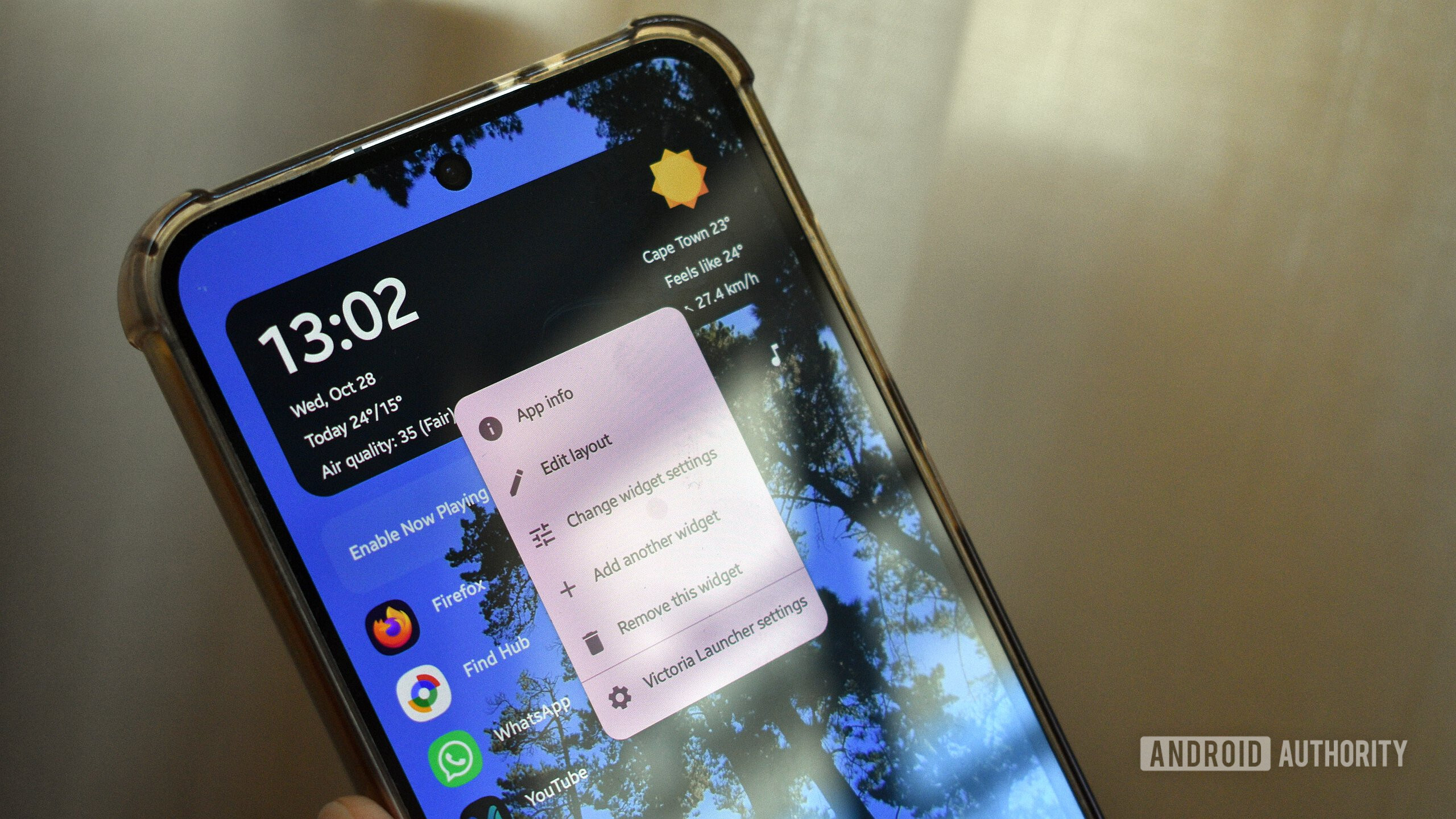
While Victoria Launcher’s initial appeal lies in its resemblance to Niagara, it quickly distinguishes itself through its own set of innovative features and welcome refinements, often surpassing the free tier of its inspiration. One of Victoria’s most significant advantages is its native support for widget stacking, a feature typically locked behind Niagara Pro’s paywall. This inclusion democratizes a highly sought-after customization option, allowing users to consolidate information and maintain a cleaner home screen without additional cost.
The user interface of Victoria Launcher also introduces notable improvements, particularly within its settings menu. While Niagara’s settings can sometimes feel somewhat convoluted or "nebulous" in their arrangement, Victoria adopts Material 3 Expressive elements, lending a modern and coherent aesthetic to its configuration options. More importantly, the menu itself is designed for greater clarity and ease of navigation, making it significantly simpler for users to search for or manually locate specific toggles and settings. This streamlined approach to settings management enhances the overall user experience, addressing a minor but persistent critique of Niagara.
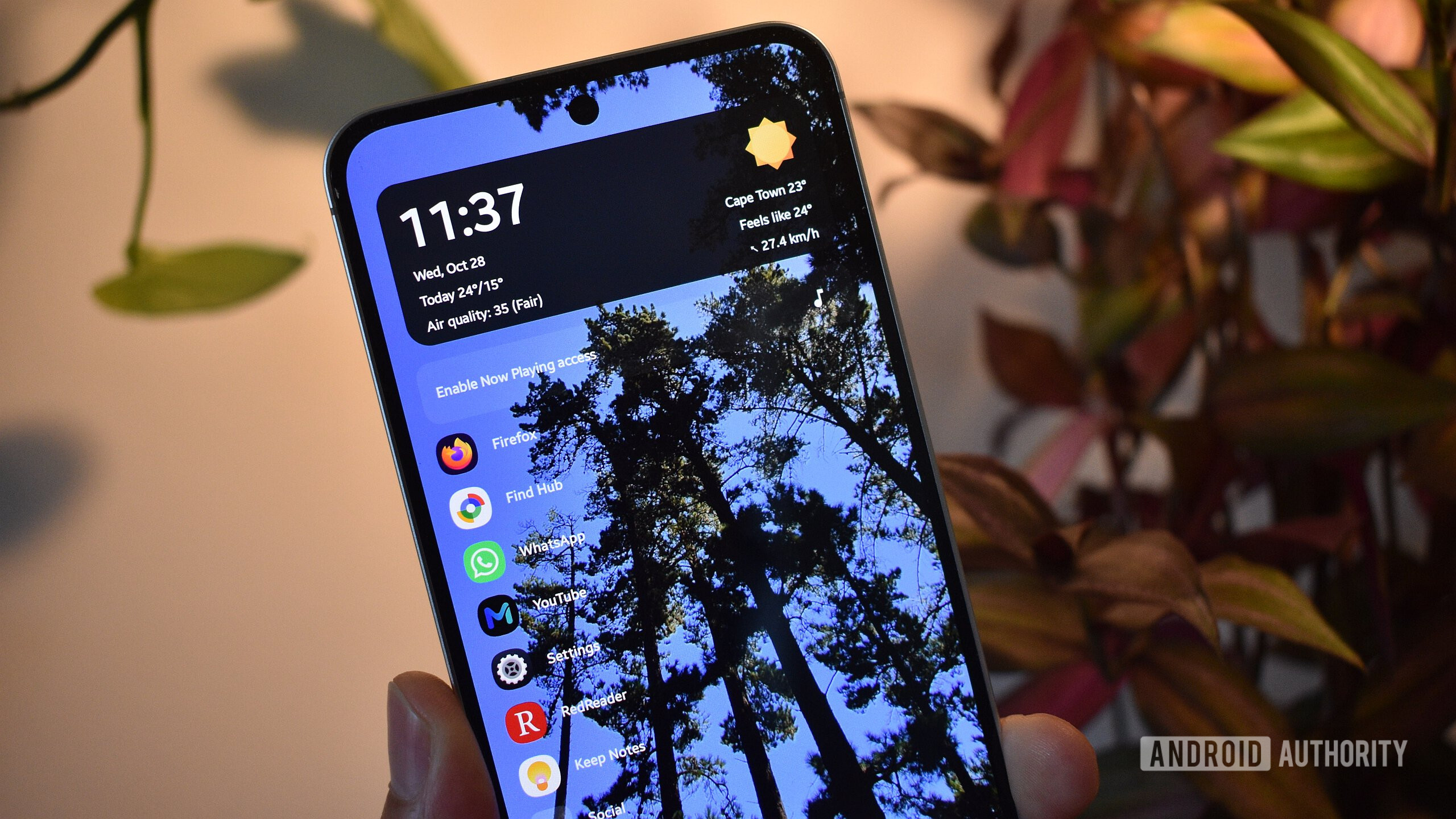
Customization is another area where Victoria excels, offering a plethora of options that empower users to truly personalize their launcher. From granular control over text color, font, and spacing to various icon styles, shapes, and positioning, users can meticulously craft their desired look. The ability to tweak the wallpaper dim color further contributes to a cohesive visual theme. Recent updates have also seen the rapid integration of advanced features, such as support for widgets within folders – a functional parallel to Niagara’s popular "Popups" feature, which allows for quick access to app-specific widgets and actions without opening the app itself. The inclusion of notification lists beneath favorite apps on the home screen further enhances the launcher’s utility, providing immediate access to critical information. Coupled with a robust set of gesture controls for various app actions, Victoria Launcher is rapidly evolving into a platform capable of supporting highly functional and productive workflows.
The Velocity of Development: A Double-Edged Sword
Perhaps the most defining characteristic of Victoria Launcher is its astonishing pace of development. Since its GitHub debut on September 5th, the project repository has recorded an extraordinary 69 releases, averaging more than one update per day. This "work fast, break things, fix them, repeat" philosophy is a stark contrast to the more deliberate, seasonal update cycle of Niagara Launcher, which prioritizes stability and carefully curated feature additions.
This rapid iteration has immediate and tangible effects. For instance, early drafts of analyses on Victoria Launcher might include criticisms regarding performance issues or the absence of a "Popup" equivalent. However, within hours or a day, these very points are often rendered obsolete by new updates that patch bugs or introduce the missing features. While this agility allows Victoria to quickly adapt, incorporate user feedback, and integrate new functionalities, it simultaneously introduces a degree of volatility. Users might find their carefully configured layouts altered or encounter temporary instabilities with frequent updates. Consequently, despite its impressive progress, Victoria Launcher is not yet considered a stable, "mission-critical" home screen for users who prioritize absolute consistency above all else. Its current state positions it more as an exciting, rapidly evolving beta than a fully polished, final product.
Market Implications and Future Outlook
The emergence of Victoria Launcher carries significant implications for both the Android launcher market and the broader open-source community. For end-users, it represents a substantial win, offering access to a premium-like, minimalist launcher experience without the associated cost. This democratizes a sophisticated UI, making powerful productivity tools accessible to a wider audience, especially those who find Niagara’s pricing prohibitive. Users are now presented with a clear choice: a stable, feature-rich, paid product in Niagara, or a free, rapidly evolving, albeit less stable, alternative in Victoria.
For Niagara Launcher, Victoria’s rapid ascent serves as both validation and a potential competitive pressure. It validates Niagara’s core design philosophy as highly desirable and effective. However, it also highlights the market’s demand for a free tier that offers more advanced features. This could potentially compel Niagara’s developers to re-evaluate their pricing strategy or consider expanding the capabilities of their free version to retain users who might otherwise gravitate towards Victoria.
From an open-source perspective, Victoria Launcher is a compelling demonstration of community-driven innovation. Its rapid development cycle, fueled by passionate developers, showcases how open-source projects can quickly respond to market needs and evolve features at an unprecedented pace. This model allows for continuous adaptation, drawing inspiration not just from its muse but also from diverse sources, fostering an environment where a clone can quickly transcend its origins.
Ultimately, while Niagara Launcher remains the gold standard for a polished, stable, and feature-rich minimalist experience for those willing to invest, Victoria Launcher holds immense promise. Its "higher ceiling" stems from its agile development model, which enables it to quickly integrate, refine, and innovate. Given enough time and continued community support, Victoria Launcher has the potential to evolve beyond a mere clone into a genuinely superior rival, offering an unparalleled blend of customization, functionality, and, crucially, accessibility. It is undeniably a project to watch closely in the evolving world of Android home screen customization.