Alien: Isolation 2 Builds on the Terror of the Original by Embracing the Great Outdoors

The anticipation surrounding Alien: Isolation 2 is palpable, a sentiment echoed by both fans and critics who hold Creative Assembly’s 2014 masterpiece in high regard. The original game masterfully captured the visceral dread and oppressive atmosphere that defined Ridley Scott’s seminal 1979 film, Alien. Now, more than a decade later, the studio is poised to evolve this acclaimed formula, aiming to deepen the terror without sacrificing the core elements that made the first installment so profoundly unsettling.
In an exclusive interview with Pocket Tactics, following an in-depth preview of the upcoming title, Art Director Ana Sopikova revealed the studio’s meticulous approach to crafting the sequel. Creative Assembly has cultivated a remarkably close relationship with 20th Century Studios, granting them unprecedented access to the extensive Fox archive. This invaluable resource has provided the development team with a treasure trove of behind-the-scenes photographs, production documents, and conceptual art from the original Alien. This access goes beyond mere visual reference; it allows the team to deconstruct the very essence of Scott’s directorial vision.
A Deep Dive into the ‘Bible’ of Alien Design
"We have the archive from Fox that has all the behind-the-scenes pictures, and it’s just amazing to see all the sets kind of in a different light, so you can really inspect the details and how everything was built," Sopikova explained. This intimate examination of the original film’s production is central to Creative Assembly’s design philosophy for Alien: Isolation 2. The team diligently studies the construction of the film’s sets, the materials utilized, and the ingenious techniques employed to achieve its distinctive, tangible aesthetic.

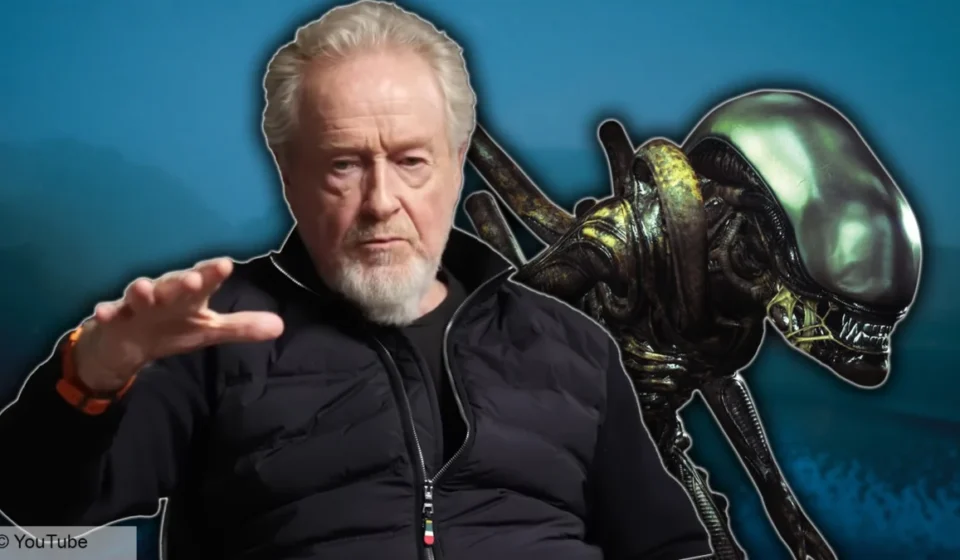
Sopikova articulated a guiding principle that permeates the studio’s work: "How would the crew have built something on a film set in the 1970s?" This question forces a consideration of the era’s technological limitations, the available materials, and the artistic sensibilities that shaped cinematic science fiction. Adhering to the established color palettes, the tactile quality of the set design, and the pervasive retro-futuristic aesthetic are paramount. For the team, Ridley Scott’s original film serves as their "bible."
"I say this every day at work as well. They’re all tired of hearing it in the office," Sopikova admitted with a laugh. "The guiding star is really Ridley Scott’s experience; that’s the guiding star for us, and we always come back to it." This unwavering dedication to the source material underscores the team’s commitment to authenticity. While Creative Assembly has been granted extensive access, Sopikova clarified that she has not personally consulted with Ridley Scott regarding Alien: Isolation 2.
"We personally haven’t. We’re just humble artists. We’re focused on making the game," she stated, emphasizing the team’s dedication to their craft. "So no, we’re not in any Hollywood fame circles." Despite the lack of direct collaboration with the legendary director, the developers have made it abundantly clear that Alien: Isolation 2 is not simply a rehash of its predecessor.
Evolution, Not Replication: Expanding the Terror
"It’s not a remaster, right? We wanted to evolve it meaningfully," Sopikova stressed. "We wanted to make sure that we’re not kind of just taking the existing assets and putting them in a new engine, because that wouldn’t be fair to fans, I think. And for us as well, it wouldn’t be satisfying." This commitment to genuine evolution is evident in the sequel’s most significant departure from the original: its setting.

While Alien: Isolation confined players to the claustrophobic, labyrinthine confines of the Sevastopol space station, Alien: Isolation 2 ventures outdoors, placing the Xenomorph and its prey onto the surface of an alien planet. This marks a monumental shift for a franchise that has historically thrived on enclosed, oppressive environments. The challenge for Creative Assembly lies in balancing this newfound environmental freedom with the quintessential Alien experience that fans have come to expect – one defined by relentless dread and the feeling of being utterly vulnerable.
A New Frontier of Fear: The Outdoor Xenomorph
"We are trying to obviously keep a mixture of old and new," Sopikova explained. "People love the first game, and we love the first game. Obviously, we want to give people still a good chunk of that authentic Alien experience because we are still laser-focused on the original Ridley Scott’s 1979 film." This focus translates into retaining the low-fi sci-fi aesthetic, the analog-inspired set design with its characteristic chunky buttons, and the grounded, utilitarian sensibility that defined both the original film and its game adaptation.
The team’s ambition is to make the new planetary setting feel like a natural, believable extension of this established universe. "The original Alien is all very relatable. It’s believable. It’s truckers in space," Sopikova remarked. "For us, it’s how do we take that and how do we apply it to a planet surface so it feels familiar, but different?" This grounded approach ensures that the expansive new environments do not detract from the primary source of terror: the Xenomorph itself.
"The only thing that’s extraordinary is the Alien really, and everything else is kind of just the backdrop for it." The introduction of dynamic weather systems on the planet’s surface promises to add a new layer of complexity to the survival horror experience. Rain, fog, ambient noise, and limited visibility are not merely cosmetic additions; they are intended to fundamentally alter how players approach encounters and how the Xenomorph utilizes these environmental factors to its advantage.

Environmental Dynamics and Adaptive Predation
"How are you going to adapt and survive in these conditions, and how is the Alien going to adapt to hunt you differently in these conditions?" Sopikova posed. This question lies at the heart of the game’s enhanced cat-and-mouse gameplay. The developers aim to build upon the unscripted, emergent AI of the original game by introducing more variables that the Xenomorph can exploit.
"It’s all about experiencing the Alien the way you haven’t experienced it before. It’s the Alien in the outdoors." The creature’s heightened sensory capabilities mean that simple hiding is no longer a guaranteed sanctuary. "It actively hunts you. If you hide behind the desk, it’s not just going to come and get you. It will be looking for you, and eventually it will get you." This emphasizes a more proactive and intelligent predator, one that will relentlessly pursue its prey.
The sequel aims to push the boundaries of the original game’s groundbreaking adaptive AI. Players will need to consider how environmental hazards can directly impact their survival. "If the fog comes in and you can’t see in front of you, or the rain is so loud that you can’t hear anything, these things are just adding different layers on top," Sopikova elaborated. These interconnected systems are designed to create unpredictable scenarios, offering a level of emergent gameplay that even the developers may not fully anticipate. "It’s infinite possibilities, basically, and the Alien adapts to that."
The Evolving Legacy of the Xenomorph
Creative Assembly is also drawing inspiration from the broader evolution of the Alien franchise itself. The studio acknowledges the impact of other creative interpretations, particularly the recent film Alien: Romulus. Sopikova highlighted a surprising callback that resonated deeply with the development team.
"When Romulus came out, I think you don’t know if you’ve seen it, but they actually had the save station from Alien: Isolation. For the team, that was amazing. Just to see something that was designed in Creative Assembly to be there on the big Hollywood screen." This recognition underscores the impact of Alien: Isolation on the franchise’s wider narrative and visual identity.
The success of Alien: Isolation 2 hinges not on reinventing the wheel, but on a profound understanding of what made the original so terrifying and a strategic decision about when to deviate from established norms. As Sopikova’s concluding advice suggests, survival in this new iteration of terror will demand more than just evasion.
"You better improvise to survive."
For those eager to delve deeper into the intricacies of Alien: Isolation 2‘s development and its relationship with the iconic franchise, the Pocket Tactics Discord server offers a vibrant community for discussion and further insights.