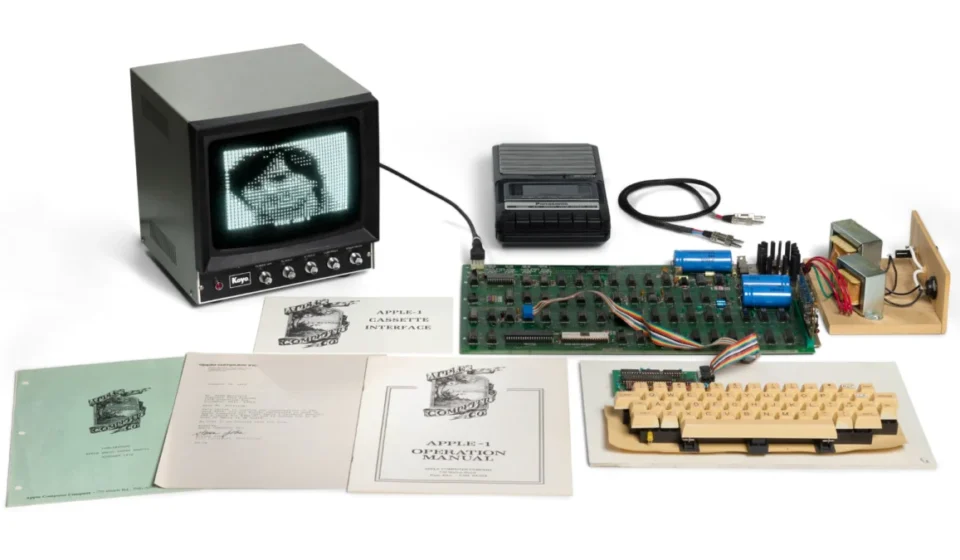
An Original Apple-1 Computer, a Relic of Computing’s Dawn, Poised to Fetch Upwards of $800,000 at Auction

An original Apple-1 Computer, a significant artifact from the genesis of personal computing, is set to command an impressive sum at auction this October, with estimates projecting a sale price between $500,000 and $800,000. This rare piece of technological history, known as the "Hatfield" Apple-1, represents one of the earliest and most historically resonant machines produced by Apple Inc., co-founded by Steve Jobs and Steve Wozniak. Its potential sale underscores the enduring value placed on foundational technology and the provenance associated with iconic figures in the tech industry.
A Glimpse into the Dawn of Personal Computing
The Apple-1 computer, first introduced in 1976, was a groundbreaking device that played a pivotal role in the nascent personal computer revolution. Designed and hand-built by Steve Wozniak, with Steve Jobs handling the business and marketing aspects, the Apple-1 was initially offered as a bare circuit board. This allowed hobbyists and enthusiasts to purchase the core components and assemble their own computers, a stark contrast to the fully assembled machines prevalent today. A total of 200 Apple-1 units were produced, and of these, Jobs managed to sell 50 fully assembled machines to The Byte Shop, a pioneering computer retailer in California. These assembled units were famously sold for $666.66 each.
Today, fewer than 75 Apple-1 computers are known to exist, with an even smaller fraction remaining in operational condition. This scarcity, coupled with the historical significance of the machine and its association with Jobs and Wozniak, drives their immense value in the collector’s market. The "Hatfield" Apple-1 holds the designation of being number 48 on the official Apple-1 registry, indicating its early production and serial number. Its current operational status further enhances its desirability among collectors and institutions.
The Unique Provenance of the "Hatfield" Apple-1
The machine’s appellation, "Hatfield," stems from its original purchaser, Fred Hatfield, a dedicated computer enthusiast and former employee of Computer Data Systems. The significance of this particular Apple-1 is amplified by its direct connection to the Apple founders. It bears the autograph of Steve Wozniak, a testament to its authenticity and the hands-on involvement of Apple’s technical genius. Even more remarkably, the computer is accompanied by a letter written to Fred Hatfield and personally signed by Steve Jobs.
This letter offers a fascinating insight into the early days of Apple and the company’s customer relations. It reveals that Jobs authorized a trade-in offer for the newly released Apple II, a more advanced successor to the Apple-1. The offer was extended after Hatfield expressed dissatisfaction with the Apple-1’s software capabilities. However, Hatfield declined the upgrade, as it would have required an additional payment of $400. This decision, though perhaps regrettable in hindsight given the Apple II’s success, highlights Hatfield’s commitment to the original machine and preserves a unique piece of Apple’s early history.
A Tumultuous Journey Through the Market
The "Hatfield" Apple-1 has a documented history of changing hands, each transaction adding to its narrative and value. In 2013, Fred Hatfield sold the machine for $40,000. At the time of this sale, the computer was reportedly non-functional. However, the subsequent buyer undertook the necessary restoration work, successfully bringing the machine back to operational status. This buyer also managed to secure Steve Wozniak’s signature on the device, further increasing its appeal. The restored and autographed Apple-1 was then presented at auction, where it achieved a remarkable price of $671,400. This sale set a record for a working Apple-1 at the time, demonstrating the burgeoning demand for such historically significant technology. Now, just over a decade later, the "Hatfield" Apple-1 is making its return to the auction block, poised to potentially surpass its previous record-breaking sale.
The Enduring Legacy of the Apple-1
The Apple-1 computer was not merely a piece of hardware; it was a catalyst for change. It democratized access to computing power, enabling individuals to explore the possibilities of personal technology in their own homes and workshops. The original price of $666.66 for the assembled units, while substantial at the time, represented an accessible entry point for dedicated enthusiasts. This accessibility fostered a community of innovators and early adopters who would shape the future of computing.
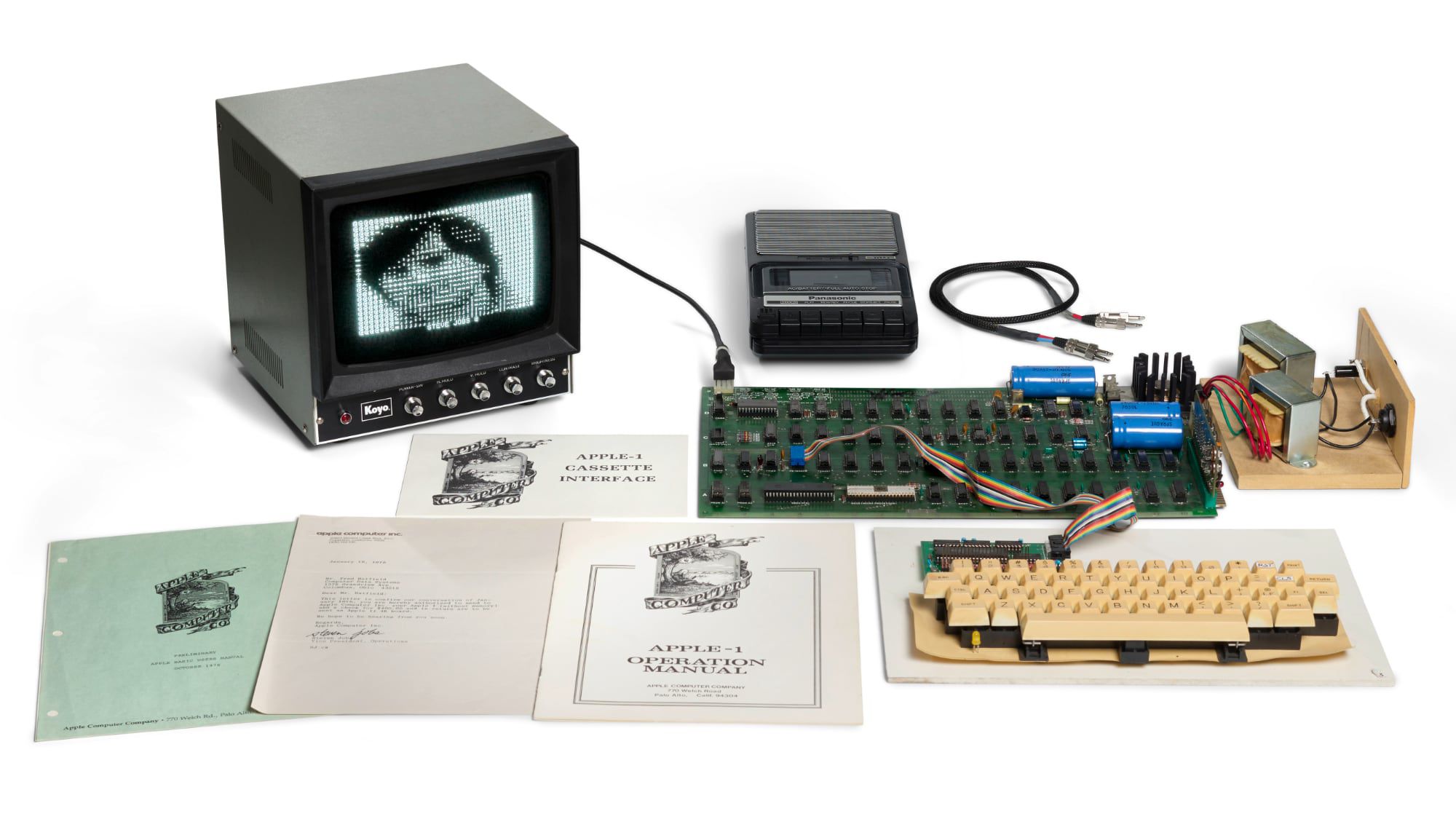
The scarcity of surviving Apple-1 computers, estimated at fewer than 75 worldwide, makes each operational unit an exceedingly rare find. The "Hatfield" Apple-1, with its documented provenance, original owner correspondence, and autographs from both Jobs and Wozniak, stands out as a particularly significant example. Its condition and the historical context surrounding its creation and early ownership contribute to its exceptional value.
A Global Showcase and Auction Details
Prospective buyers and enthusiasts will have the opportunity to view the "Hatfield" Apple-1 in person before it goes under the hammer. The auction house, Bonhams, has organized a series of public and private viewing sessions across several major cities. These viewings will take place in Los Angeles, Boston, San Francisco, and New York. Specific dates and detailed information regarding these exhibition events are available on the auctioneer’s official website.
The bidding process for the "Hatfield" Apple-1 will commence on October 4 and conclude on October 14. This extended bidding window allows interested parties ample time to participate in the auction, whether in person or remotely. The auction is expected to attract a global audience of collectors, historians, and institutions keen on acquiring a piece of unparalleled technological heritage.
Market Trends and Historical Context of Apple-1 Auctions
The auction market for Apple-1 computers has consistently demonstrated robust demand and impressive valuations. In the past, functional Apple-1 units have achieved prices exceeding $900,000. For instance, in October 2014, a working Apple-1 computer sold for $905,000 at auction. These figures highlight a consistent trend where the condition, completeness, and especially the provenance of an Apple-1 unit significantly influence its market value.
The "Hatfield" Apple-1’s story, including its direct connection to Steve Jobs and the detailed account of its early ownership and trade-in offer, adds significant layers of historical depth. This narrative, combined with its operational status and the signatures of Apple’s co-founders, positions it as a highly coveted item. The potential sale price of $500,000 to $800,000, while a broad range, reflects the inherent volatility and speculative nature of high-value collectibles, yet firmly places it within the upper echelon of historical tech artifacts.
Analysis of Implications
The impending auction of the "Hatfield" Apple-1 carries broader implications for the historical technology market and the perception of Apple’s early legacy. The sale serves as a potent reminder of the humble beginnings of one of the world’s most influential technology companies. The substantial sum expected for this machine underscores the growing recognition of digital artifacts as valuable historical assets, akin to rare art or antiquities.
Furthermore, the auction provides a unique opportunity for institutions such as museums or private collectors to acquire a tangible piece of computing history that embodies innovation, entrepreneurship, and the revolutionary spirit of the late 20th century. The narrative surrounding the "Hatfield" Apple-1, from its creation by Wozniak and its marketing by Jobs to its journey through the hands of enthusiasts and collectors, offers a compelling case study in the evolution of technology and its impact on society. The outcome of this auction will undoubtedly be closely watched by collectors and historians alike, further solidifying the Apple-1’s place in the annals of technological achievement.