Apple Celebrates 50 Years of Innovation with Global Gatherings and Artistic Tributes

Apple today announced that it will be celebrating its upcoming 50th anniversary by hosting gatherings "around the world" throughout the month of March. This significant milestone marks half a century since the company’s founding on April 1, 1976, a date that has profoundly shaped the trajectory of personal computing, digital music, mobile technology, and beyond. The month-long celebration aims to honor the company’s rich legacy of innovation, creativity, and the transformative impact of its products on global society.
A Global Tapestry of Creativity and Ingenuity
The core theme of Apple’s anniversary festivities is the celebration of "human creativity and ingenuity in action." According to a statement released by the company, each gathering is designed to "showcase the remarkable things people can do when they have the right Apple products in their hands." This suggests a focus on user-generated content, artistic expression, and entrepreneurial endeavors facilitated by Apple’s ecosystem of devices and software. The company has emphasized that these events are not merely retrospectives but active showcases of how its technology empowers individuals and communities to achieve their creative potential.
Alicia Keys Kicks Off Celebrations with an Iconic Performance
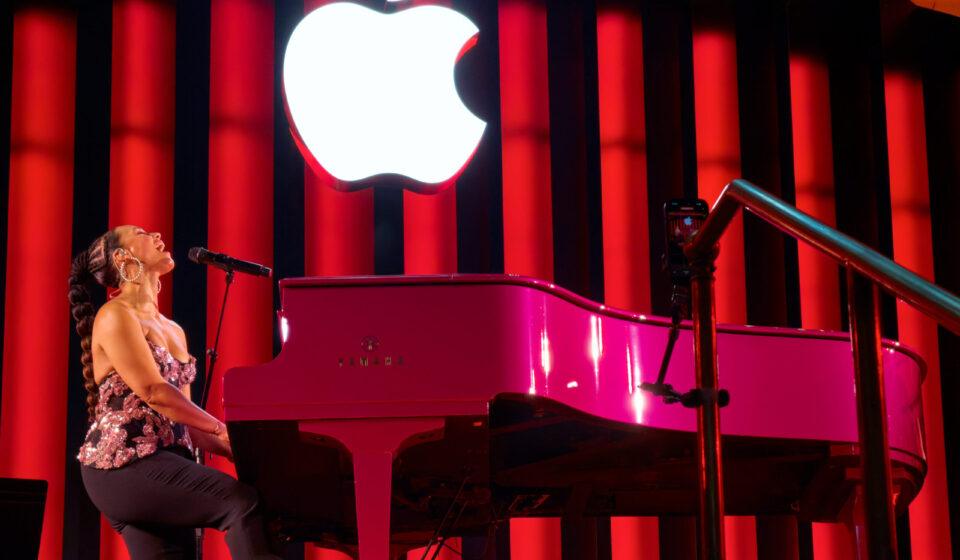
The global celebration commenced with a vibrant and unexpected performance by 17-time Grammy Award-winning music artist and producer, Alicia Keys. The acclaimed artist graced Apple’s Grand Central store in New York City with a surprise concert, setting a high-profile tone for the month’s events. This impromptu performance was not only a treat for the public but also a carefully curated event for selected content creators, underscoring Apple’s commitment to its creative user base. The presence of such a prominent artist signifies Apple’s long-standing connection with the creative industries, a relationship that has been integral to the success of products like the iPod, iTunes, and GarageBand.
The event at Grand Central was attended by a notable roster of Apple’s leadership, including CEO Tim Cook, hardware engineering chief John Ternus, marketing chief Greg Joswiak, and retail chief Deirdre O’Brien. Their attendance signals the importance Apple places on this anniversary and its desire to publicly acknowledge the individuals who have steered the company through decades of evolution. The gathering provided an opportunity for these executives to engage with employees, partners, and the public, reinforcing the company’s narrative of innovation and human connection.
A Look Back: The Genesis of an Empire
Apple’s journey began in a humble garage in Los Altos, California, founded by Steve Jobs, Steve Wozniak, and Ronald Wayne. Their initial vision was to make computers accessible to the average person, a radical concept in the mid-1970s when computing was largely confined to academic and corporate institutions. The Apple I and subsequent Apple II computer were instrumental in kickstarting the personal computer revolution, laying the groundwork for the digital age.
Over the decades, Apple has consistently redefined technology paradigms. The Macintosh, introduced in 1984, popularized the graphical user interface, making computers more intuitive and user-friendly. The late 1990s and early 2000s saw a dramatic resurgence under Steve Jobs’s second tenure, marked by the launch of the iMac, iPod, iTunes, and eventually, the iPhone in 2007. Each of these products did not just compete; they often created entirely new markets and fundamentally altered consumer behavior. The iPod revolutionized music consumption, the iTunes Store transformed digital media distribution, and the iPhone redefined mobile communication and computing, ushering in the era of the smartphone.
The Significance of 50 Years in the Tech Landscape
Reaching a 50-year milestone is a significant achievement in the fast-paced and often volatile technology sector. Many companies that were prominent in the 1970s and 1980s have long since disappeared or been absorbed by larger entities. Apple’s enduring success can be attributed to several factors: its relentless focus on user experience, its vertically integrated ecosystem of hardware, software, and services, and its ability to anticipate and shape consumer trends.
The company’s financial performance over the years is a testament to its strategic prowess. From a period of near bankruptcy in the late 1990s, Apple has grown into one of the world’s most valuable corporations, consistently reporting record revenues and profits. Its market capitalization has soared, reflecting investor confidence in its continued ability to innovate and maintain its competitive edge. For instance, in recent fiscal years, Apple has consistently reported revenues in the hundreds of billions of dollars, with its Services segment experiencing robust growth, complementing its hardware sales.
Expanding the Narrative: Global Reach and Diverse Voices
While the initial announcement and the Grand Central event provide a glimpse into Apple’s celebratory plans, the company has indicated that these gatherings will extend across the globe throughout March. This suggests a multi-faceted approach, likely involving Apple Stores, community centers, educational institutions, and potentially digital platforms to reach a wider audience. The emphasis on diverse locations implies an effort to connect with a global community of users and creators, reflecting Apple’s international presence and the universal appeal of its products.
The statement that each gathering highlights "human creativity and ingenuity in action" also hints at potential collaborations with artists, designers, developers, filmmakers, and entrepreneurs who have leveraged Apple’s tools. These events could feature workshops, demonstrations, panel discussions, and exhibitions showcasing innovative projects and inspiring stories. By focusing on user achievements, Apple aims to reinforce its brand identity as an enabler of human potential rather than just a manufacturer of electronics.
Broader Impact and Future Implications
Apple’s 50th anniversary is more than just a corporate celebration; it’s an opportunity to reflect on the profound impact technology has had on society over the past half-century. Apple’s innovations have not only changed how we communicate, work, and entertain ourselves but have also fostered new industries and redefined existing ones. The app economy, born from the iPhone’s App Store, has created millions of jobs and enabled countless new businesses. Similarly, advancements in digital audio and video production, facilitated by Apple products, have democratized content creation, allowing individuals to produce and distribute their work on a global scale.
As Apple looks towards its next 50 years, the company faces new challenges and opportunities. The rapid evolution of artificial intelligence, the metaverse, and sustainable technology will undoubtedly shape its future product roadmap. The current celebrations, by emphasizing creativity and ingenuity, may also serve as a signal of Apple’s strategic direction, hinting at a continued focus on empowering users with advanced tools to explore these emerging frontiers. The company’s ability to adapt and innovate, as demonstrated over the past five decades, will be crucial in navigating the complexities of the coming era.
The month of March will likely see further announcements regarding specific events, locations, and featured participants. However, the initial announcement sets a clear tone: Apple’s 50th anniversary is a celebration of its past achievements and a forward-looking testament to the enduring power of human creativity, amplified by the tools it provides. The global gatherings are poised to become a significant cultural moment, reflecting on a half-century of technological transformation and inspiring the next generation of innovators. The legacy of Apple is not just in its products, but in the countless ways these products have empowered individuals to imagine, create, and connect.