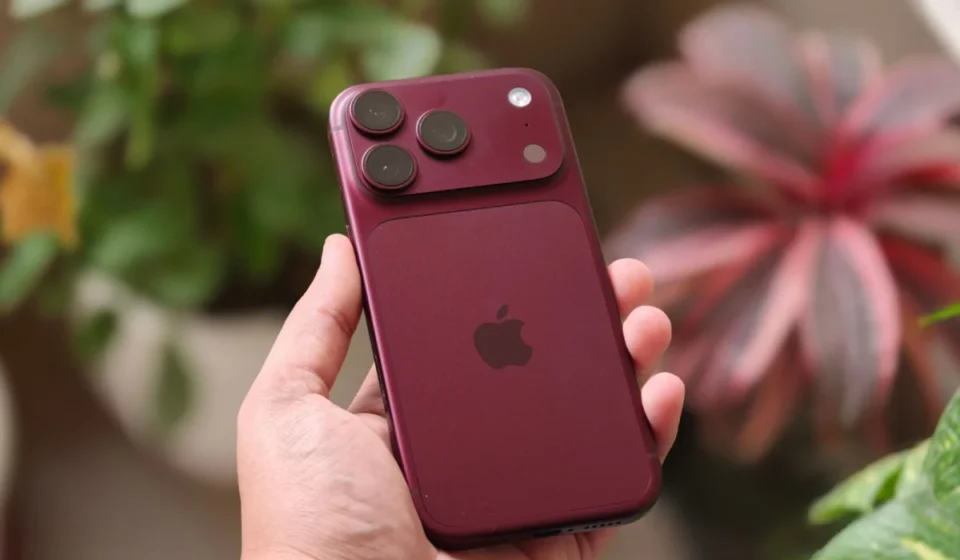
Apple could merge the Action button with Camera Control on its 2027 iPhones, potentially leaving users with fewer buttons and more gestures.

Apple appears poised to streamline its iPhone hardware, with recent reports indicating a potential consolidation of physical buttons. The company, known for its iterative design philosophy, is reportedly considering merging the functionality of the dedicated Action button, introduced on the iPhone 15 Pro, with the Camera Control feature that debuted on the iPhone 16 lineup. This strategic shift, if implemented, would see the removal of the distinct Action button from iPhones slated for release in the latter half of 2027. The move aligns with Apple’s ongoing exploration of gesture-based interactions and a desire to simplify the device’s external design, particularly as the iPhone approaches its 20th anniversary.
The initial introduction of the Action button on the iPhone 15 Pro marked a significant departure from the long-standing mute switch, offering users a customizable shortcut to various functions. This included launching the camera, flashlight, voice memos, focus modes, accessibility features, and even Shortcuts. The subsequent integration of Camera Control on the iPhone 16 series further expanded the interactive capabilities of the iPhone’s physical interface, allowing for camera adjustments, zoom, and photo capture through tactile input. However, sources suggest that Apple is already looking to integrate these distinct features into a more unified system.

According to a report from Weibo tipster Instant Digital, the proposed integration would retain the core functionality of both features. A single press of the unified button would reportedly initiate the camera application, a function already familiar to users through the Action button’s camera shortcut. The crucial distinction would lie in the press-and-hold action. Holding down the button would then activate the user-assigned custom function previously managed by the Action button. This approach aims to preserve user customization while consolidating hardware. It is important to note that the tipster specifically clarified that it is the Action button’s dedicated physical presence that is being considered for removal, while the Camera Control functionality itself will persist.
A Shift Towards a Button-Lite Future
The prospect of a unified button for camera and custom actions presents both potential benefits and challenges. On one hand, reducing the number of physical buttons can contribute to a cleaner, more streamlined aesthetic, potentially enhancing water and dust resistance. It also aligns with a broader trend in the consumer electronics industry towards minimalist design and increased reliance on software-driven interactions. Apple has historically been a proponent of this approach, gradually reducing physical controls on its devices over time.
However, the proposed merger raises questions about user experience and the potential for increased complexity. The Camera Control feature on the iPhone 16 already encompasses a range of actions, including launching the camera, capturing photos and videos, adjusting zoom levels, and even enabling features like Visual Intelligence. Integrating the diverse array of functions currently available through the Action button into this existing framework could lead to a more intricate user interface. Users might need to navigate through a series of gestures and press-and-hold combinations to access their desired functions, potentially creating a steeper learning curve.

The ambiguity surrounding the fate of existing long-press actions is also a significant consideration. If the primary long-press is now dedicated to custom functions, Apple would need to devise alternative methods for activating other camera-related controls that currently rely on this input. This could involve introducing new gestures or integrating these controls into on-screen interfaces, which may dilute the tactile advantage that physical buttons provide. The success of such a transition would hinge on Apple’s ability to design an intuitive and efficient user experience that does not compromise functionality.
Precedents and the Anniversary iPhone
This potential move by Apple is not without precedent in the broader smartphone market. Samsung, for instance, has already implemented a similar strategy on some of its flagship devices. The Samsung Galaxy S26 Ultra, for example, utilizes a double-press of its Side button to launch the camera, while a sustained press activates its AI assistant, Gemini, by default. This setup demonstrates that a consolidated button approach can be effective and relatively easy for users to adapt to.
However, Apple’s rumored implementation appears to be more ambitious in terms of the number of functions it aims to accommodate within a single input mechanism. The Action button’s current versatility, allowing users to map it to a wide range of tasks, suggests that a simple single-press/long-press dichotomy might not fully capture its utility. The challenge for Apple will be to create a system that is both comprehensive and easily navigable.

Furthermore, this potential button consolidation is occurring against the backdrop of significant speculation surrounding the 20th-anniversary iPhone, anticipated to launch in 2027. This landmark device is rumored to feature substantial design and technological advancements. Reports have already surfaced regarding the potential adoption of solid-state controls, which would replace traditional mechanical buttons with haptic feedback systems. Additionally, there have been whispers of a return to curved glass edges, a design element reminiscent of earlier iPhone models. The company might even opt to skip the "iPhone 19" designation and jump directly to "iPhone 20" to commemorate the two-decade milestone since the original iPhone’s debut in 2007.
The integration of the Action button with Camera Control could be a precursor to these more radical hardware changes, signaling a move towards a buttonless or significantly reduced-button design paradigm for future iPhones. It would represent a bold step in the evolution of smartphone interaction, prioritizing gestures and dynamic on-screen controls over fixed physical buttons.
A History of Button Experimentation
It is crucial to acknowledge that Apple has a long history of exploring and prototyping new hardware features that do not always make it to mass production. The company continuously experiments with different button configurations, materials, and functionalities. Over the years, there have been numerous rumors and patents hinting at various button innovations that ultimately remained concepts. Therefore, while the current reports are compelling, it remains to be seen whether this specific integration of the Action button and Camera Control will materialize in the final 2027 iPhone models.

The evolution of the iPhone’s physical interface has been a defining aspect of its identity. From the original device’s single home button to the introduction of Touch ID, the removal of the headphone jack, and the subsequent adoption of the Dynamic Island and the Action button, Apple has consistently sought to balance functionality with innovation. The potential merging of the Action button and Camera Control represents the next logical step in this ongoing evolution, pushing the boundaries of what is possible with a minimalist and gesture-driven smartphone experience. The industry will be watching closely to see if Apple indeed opts for fewer buttons and more intuitive gestures in its quest to redefine the iPhone.