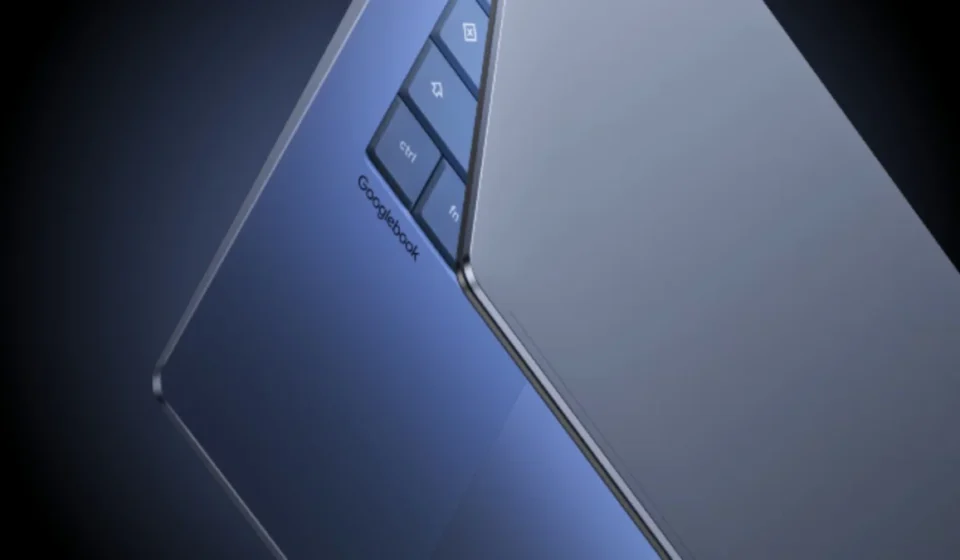
Dell XPS 13 (DX13267) Poised to Lead Googlebook Platform with Premium Snapdragon X Elite Hardware.

The landscape of personal computing is on the cusp of a significant transformation with Google’s impending "Googlebook" platform, and new evidence suggests that Dell, a titan in the laptop industry, is preparing to enter this nascent ecosystem with a device bearing its highly coveted XPS branding. Following earlier revelations regarding prospective Googlebook offerings from industry giants like Lenovo and ASUS, fresh data indicates Dell is actively developing a premium Googlebook, potentially signaling a strategic pivot for the company’s flagship laptop series towards Google’s emerging desktop operating system.
Recent investigative findings by ChromeUnboxed, corroborated by entries on Gbookhub.io, point to the emergence of an unreleased device identified specifically as "Dell XPS 13 (DX13267)" within Geekbench listings. This nomenclature is particularly striking, as it would mark the first instance of Dell’s renowned XPS brand being associated with a Google-powered desktop platform. The integration of the XPS moniker, traditionally reserved for Dell’s most premium, design-forward, and high-performance laptops, underscores a potentially aggressive play by both Dell and Google to position Googlebook as a serious contender in the high-end computing market.
The Genesis of Googlebook and Aluminium OS: Google’s Desktop Ambitions Evolve
To fully appreciate the significance of a Dell XPS Googlebook, it’s crucial to understand the broader context of Google’s long-standing ambitions in the desktop operating system space. For over a decade, Google has championed ChromeOS, a lightweight, cloud-centric operating system primarily known for its simplicity, security, and affordability. ChromeOS has found significant success in education and budget-conscious segments, but it has largely struggled to penetrate the premium and professional markets dominated by Windows and macOS. Its reliance on web applications and limited native app support has been a consistent point of contention for power users.
Googlebook, and its underlying "Aluminium OS," represents Google’s latest, and arguably most ambitious, attempt to redefine its presence on desktop. While specifics remain under wraps, hints from executives like Sameer Samat, VP of Product for Android & Google Play, suggest that Aluminium OS is not merely a rebrand of ChromeOS but a fundamentally new approach, potentially merging the robust application ecosystem of Android with the desktop-centric functionalities required for productivity. The Geekbench entries for the Dell device explicitly reference "Android 17 desktop builds," further solidifying the connection between Googlebook and a more powerful, desktop-optimized version of Android. This evolution could address the long-standing app gap that has hampered ChromeOS, offering native Android app compatibility and potentially sophisticated new AI features, a hallmark of modern computing. The goal appears to be a seamless, unified experience across Google’s device ecosystem, leveraging the vast Android developer base and bringing a new level of performance and versatility to Google’s desktop offerings.
A Chronology of Leaks: Piecing Together the Googlebook Puzzle
The revelation of Dell’s involvement with the XPS 13 Googlebook is not an isolated event but rather the latest in a series of leaks that have gradually painted a clearer picture of Googlebook’s imminent arrival. The timeline of these disclosures reveals a concerted effort by major PC manufacturers to embrace Google’s new platform:
- Early Mentions (2023-2024): Initial whispers and code commits within Chromium repositories began to surface, hinting at a new Google desktop operating system distinct from traditional ChromeOS. The codename "Aluminium" started appearing, along with references to new hardware platforms.
- Qualcomm Snapdragon X Integration: A critical piece of the puzzle emerged with links between Googlebook development and Qualcomm’s Snapdragon X series processors. This indicated a strong focus on ARM-based architecture, mirroring Apple’s successful transition with its M-series chips and Microsoft’s renewed push with Windows on ARM. The codename "Mica," referenced in the Dell XPS 13 Geekbench listing, has a documented history within Chromium development, specifically tied to Googlebook hardware leveraging Snapdragon X chips.
- Lenovo and ASUS Leaks (Q2 2026): Prior to the Dell news, detailed leaks from Android Authority and other sources revealed renders and specifications for Googlebook devices from Lenovo and ASUS. These leaks showcased designs that appeared sleek and modern, suggesting that Googlebook would not be confined to budget-tier hardware. The Lenovo Googlebook 15 and an unnamed ASUS Googlebook both hinted at premium build quality and features, setting the stage for a higher-end market entry.
- Dell XPS 13 (DX13267) Emerges (Q3 2026): The most recent and perhaps most impactful leak, detailing the Dell XPS 13 with Googlebook, solidifies the platform’s trajectory towards premium hardware. The association with XPS, Dell’s flagship brand, is a powerful endorsement of Googlebook’s potential.
This chronological progression of leaks suggests a mature development cycle and broad OEM support, positioning Googlebook not as an experimental sideline but as a significant new platform with substantial industry backing.
Deep Dive into the Dell XPS 13 (DX13267) Leak: Specifications and Performance Hints
The Geekbench listings for the "Dell XPS 13 (DX13267)" provide intriguing details about what could be one of the first premium Googlebook devices. At its heart, the device is expected to be powered by Qualcomm’s Snapdragon X Elite (X1E-80-100) processor. This particular variant is a high-performance configuration within the Snapdragon X Elite family, boasting a significant number of powerful Oryon cores designed for superior multi-threaded performance and energy efficiency. This choice of processor immediately signals Dell’s intention to position this Googlebook as a high-performance machine, capable of handling demanding workloads.
Accompanying the formidable processor, the device is rumored to offer substantial memory configurations, with options for either 16GB or 32GB of LPDDR5X RAM. LPDDR5X is a high-speed, low-power memory standard, crucial for maximizing the efficiency and responsiveness of ARM-based systems. These RAM capacities are in line with modern premium laptops, ensuring smooth multitasking and the ability to run resource-intensive applications.
The display specifications are equally impressive, reportedly featuring a 13.4-inch 2,880 x 1,800 OLED touchscreen. An OLED panel at this resolution promises vibrant colors, deep blacks, excellent contrast, and sharp detail, providing a visually stunning experience. The touchscreen functionality, a staple in many premium laptops today, would further enhance interactivity with Googlebook’s interface.
Connectivity options are also robust, including Wi-Fi 7 and Bluetooth, ensuring cutting-edge wireless performance and seamless peripheral integration. The presence of dual USB-C ports is standard for modern thin-and-light laptops, offering versatility for charging, data transfer, and external display output. These specifications collectively paint a picture of a no-compromise, premium device designed to deliver a top-tier user experience.
Analyzing the Geekbench Scores and Their Crucial Caveats
The leaked Geekbench 6 listings for the Dell XPS 13 Googlebook show single-core scores hovering around 2,200 and multi-core scores exceeding 9,500. On the surface, these numbers appear competitive, especially for an ARM-based system. To put this in perspective, current high-end Apple M3 chips often achieve single-core scores in the 3,000-3,100 range and multi-core scores well over 12,000 in Geekbench 6, while top-tier Intel Core Ultra processors can hit similar single-core numbers and multi-core scores in the 11,000-13,000 range.
However, it is paramount to approach these benchmark results with a significant degree of skepticism and understand their limitations:
- Pre-Release Software: The device is running "pre-release software" that is almost certainly not fully optimized. Early software builds often lack the fine-tuned drivers, power management profiles, and compiler optimizations that unlock a processor’s full potential. Final retail units, running mature software, could see substantially higher scores.
- Benchmark Spoofing: While less common for major OEM devices, benchmark listings can sometimes be manipulated or originate from engineering samples with atypical configurations.
- Early Development Stage: Googlebook itself is still an unreleased platform. Its ability to fully leverage the Snapdragon X Elite’s architecture, particularly for computationally intensive tasks, will depend heavily on the maturity of its kernel, drivers, and application layer.
- Specific Benchmarking Tool: Geekbench is a synthetic benchmark that provides a general measure of CPU and GPU performance. Real-world performance, especially for tasks like video editing, gaming, or complex software development, can vary significantly and is influenced by many factors beyond raw CPU scores.
Therefore, while the initial numbers are encouraging, suggesting a powerful foundation, they should be viewed as preliminary indicators rather than definitive performance metrics. The true test will come with comprehensive reviews of production models running stable Googlebook software.
The Endorsement of XPS Branding: A Game Changer for Googlebook
Perhaps the most compelling aspect of this leak is the suggested branding: "Dell XPS 13." The XPS line is not merely a product series; it is a brand synonymous with excellence in the Windows laptop ecosystem. For years, XPS laptops have consistently garnered critical acclaim for their:
- Premium Design: Sleek, minimalist aesthetics, often featuring aluminum and carbon fiber construction.
- Exceptional Build Quality: Robust chassis, precise engineering, and attention to detail.
- Innovative Features: Cutting-edge displays (often OLED), comfortable keyboards, and advanced trackpads.
- Strong Performance: Packing powerful Intel or AMD processors into compact form factors.
Dell’s decision to potentially bestow the XPS name upon a Googlebook device is a profound statement of confidence in Google’s new platform. It signifies that Dell views Googlebook not as a niche or experimental operating system, but as a viable foundation for its flagship hardware. This move carries several critical implications:
- Elevated Market Positioning: It immediately places Googlebook in direct competition with premium Windows laptops and Apple’s MacBook Air/Pro lines, rather than being relegated to the budget Chromebook segment.
- Attraction of Discerning Users: Users who value design, build quality, and performance, traditionally drawn to XPS, will now consider Googlebook as a serious option.
- Validation for Google: Having a major OEM like Dell commit its top-tier brand to Googlebook offers significant validation for Google’s efforts, potentially encouraging other premium manufacturers to follow suit.
- Hardware-Software Synergy: It implies a high degree of collaboration between Dell and Google to ensure the XPS hardware delivers an optimized Googlebook experience, akin to the tight integration seen in Apple’s ecosystem.
This move by Dell, if accurate, would represent a strategic departure from the typical entry-to-mid-range positioning of most ChromeOS devices. It signals a new era where Google-powered laptops are designed to rival the best in the industry across all metrics.
Broader Market Implications and the Competitive Landscape
The potential launch of a Dell XPS Googlebook, alongside offerings from Lenovo and ASUS, carries significant implications for the broader personal computing market and intensifies competition across several fronts:
- Challenging the Windows-macOS Duopoly: Googlebook, especially with premium hardware and a robust app ecosystem (via Android integration), aims to carve out a substantial third pillar in the desktop OS market, directly challenging the long-standing dominance of Microsoft Windows and Apple macOS.
- The ARM Revolution: Googlebook’s reliance on Snapdragon X Elite processors aligns with the industry’s broader shift towards ARM-based computing. This pits Google directly against Apple’s highly successful M-series Macs and Microsoft’s newly launched Copilot+ PCs running Windows on ARM. Googlebook will need to demonstrate competitive performance, power efficiency, and software compatibility to succeed in this new ARM-centric arena.
- Differentiation Strategy: Googlebook’s primary differentiation could stem from its deep integration with the Android ecosystem, potentially offering seamless access to millions of Android apps optimized for a desktop environment, alongside advanced AI capabilities powered by Google’s own models. This could appeal strongly to existing Android users and those seeking a more unified mobile-to-desktop experience.
- Impact on ChromeOS: The emergence of Googlebook raises questions about the future of ChromeOS. Will Googlebook supersede ChromeOS, or will they coexist, targeting different market segments (Googlebook for premium/pro, ChromeOS for budget/education)? It’s plausible that Googlebook represents the evolution of ChromeOS into a more powerful, versatile platform, eventually replacing the current iteration, or at least absorbing its best features.
- OEM Engagement: Strong OEM support from Dell, Lenovo, and ASUS from the outset suggests Google has been successful in garnering industry confidence. This broad support is critical for any new platform seeking widespread adoption. It implies that these manufacturers see a genuine market opportunity and believe in Googlebook’s potential to capture market share.
In this evolving landscape, Googlebook’s success will hinge on several factors: the stability and feature set of Aluminium OS, the performance and power efficiency of Snapdragon X Elite chips, the quality of hardware from OEMs like Dell, and crucially, the developer community’s willingness to embrace and optimize applications for the new platform.
Anticipated Reactions from Related Parties (Inferred)
While no official statements have been made regarding the Dell XPS Googlebook leak, we can logically infer the likely focus and messaging from the involved parties once official announcements are made:
- Google: Will likely emphasize Googlebook’s innovation, its seamless integration with the broader Google ecosystem (AI, Android apps, cloud services), and its ability to deliver a premium, productive, and secure desktop experience. They will highlight the platform’s performance capabilities enabled by ARM architecture and its potential to redefine desktop computing.
- Dell: Will undoubtedly focus on the XPS brand’s enduring legacy of premium design and performance, now extended to a new, exciting platform. They will stress the meticulous engineering that went into creating an XPS-grade Googlebook, its visual fidelity, build quality, and how it offers a unique blend of Dell’s hardware excellence with Google’s software innovation.
- Qualcomm: Will leverage the Dell XPS Googlebook as a showcase for the prowess of its Snapdragon X Elite processors, highlighting their superior performance per watt, integrated AI capabilities, and ability to power a new generation of thin, light, and powerful laptops across different operating systems.
- ASUS and Lenovo: Will likely echo Dell’s sentiments, emphasizing their own commitment to innovation and offering consumers choice. They will highlight the unique features and design philosophies of their respective Googlebook devices, further solidifying the platform’s diverse hardware ecosystem.
The collaborative effort between these technology giants points towards a strategic alignment aimed at presenting a unified, compelling front to consumers, positioning Googlebook as a formidable and attractive alternative in the competitive world of personal computing.
Conclusion: A New Chapter for Google in Desktop Computing
The leaked information surrounding the Dell XPS 13 Googlebook marks a pivotal moment for Google’s ambitions in the desktop computing space. By potentially integrating its flagship XPS branding with Google’s nascent Googlebook platform and Qualcomm’s powerful Snapdragon X Elite processors, Dell is signaling a profound confidence in the future of this new ecosystem. This move, combined with earlier leaks from Lenovo and ASUS, indicates a strategic shift towards offering premium, performance-oriented Google-powered devices that aim to challenge the established order of Windows and macOS.
While the Geekbench scores offer a tantalizing glimpse into potential performance, the caveats of pre-release software are significant. The true test of Googlebook will lie in its ability to deliver on the promise of a unified, powerful, and seamless user experience, bridging the gap between Android’s vast app library and the demands of desktop productivity. The entry of Dell’s XPS line into this new frontier suggests that Googlebook is not just another experimental venture, but a serious contender poised to redefine what a Google-powered desktop can be. As the official launch approaches, the industry and consumers alike will be watching closely to see if Googlebook can indeed usher in a new era of innovation and choice in personal computing.