T-Mobile Shuts Down 2G Network, Completing Nationwide Transition Away From Legacy Technology

T-Mobile officially retired its 2G GSM network on Monday, August 3, 2026, marking a significant milestone in the evolution of mobile communication in the United States. With this final shutdown, all three major carriers in the U.S. – AT&T, Verizon, and now T-Mobile – have completely ceased support for 2G services. This decision signals the definitive end of an era for a technology that once powered the foundational elements of mobile connectivity and paved the way for the advanced networks we rely on today.
The End of an Era: A Nationwide Shift
The discontinuation of T-Mobile’s 2G network, often referred to as its GSM network, brings to a close a chapter that has been unfolding for years. While many users transitioned to newer technologies long ago, a segment of customers and a variety of devices remained dependent on the aging 2G infrastructure. T-Mobile had strategically kept its 2G network operational to accommodate these remaining legacy users. Furthermore, international travelers utilizing roaming agreements often found their devices relying on 2G for voice calls, especially in regions where newer network technologies were not yet universally deployed or compatible. T-Mobile’s proactive engagement with global carriers was crucial in preparing for this eventual cessation of service, aiming to minimize disruption for its international roaming partners and their subscribers.
Customers who were still actively using T-Mobile’s 2G network were provided with ample advance notification regarding the shutdown. This proactive communication aimed to allow sufficient time for a transition to compatible devices and newer network technologies. The implications of this shutdown are far-reaching, affecting not only personal mobile phones but also a wide array of Internet of Things (IoT) devices and embedded systems. Smartphones, alarm panels, point-of-sale payment terminals, fleet tracking devices, and numerous other accessories that relied on the 2G network for their primary or backup connectivity will now cease to function for their cellular communication capabilities.
A Gradual Phase-Out: The National Timeline
The complete eradication of 2G service across the U.S. has been a carefully managed, albeit lengthy, process. AT&T was the first of the major carriers to sunset its 2G network, making the transition in 2017. This move was largely driven by the need to reallocate valuable radio spectrum, which was being used by the older 2G technology, to more advanced and efficient networks like 4G LTE and 5G. The spectrum freed up from 2G can significantly boost the capacity and speed of these newer networks, leading to improved user experiences.
Verizon followed suit, shutting down its 2G CDMA network in December 2019, with service officially ending on January 1, 2020. This decision was also rooted in spectrum optimization and the desire to focus resources on its expanding 4G LTE and nascent 5G infrastructure. T-Mobile’s decision to finally shut down its 2G network in August 2026, nearly seven years after AT&T and over six years after Verizon, suggests a more gradual approach, likely catering to a more persistent base of legacy users or specific device dependencies.
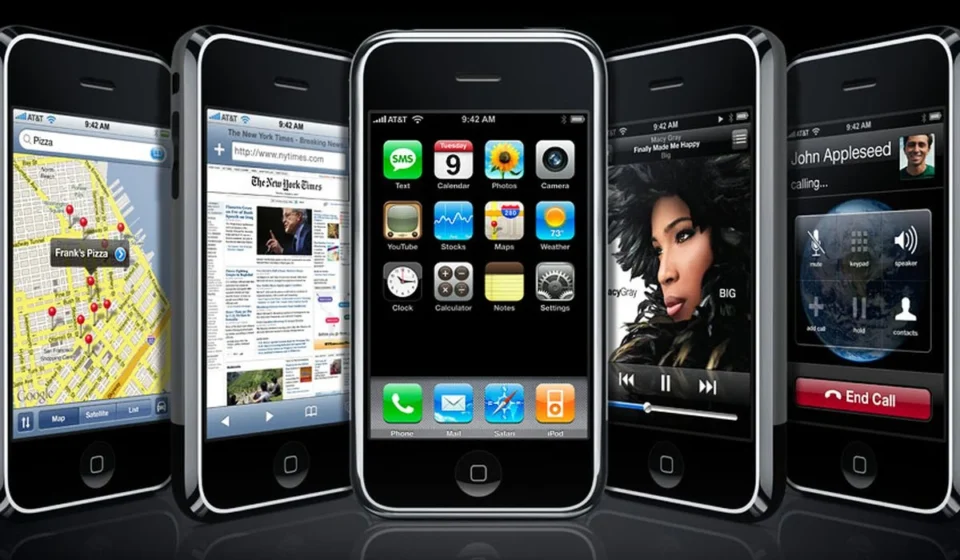
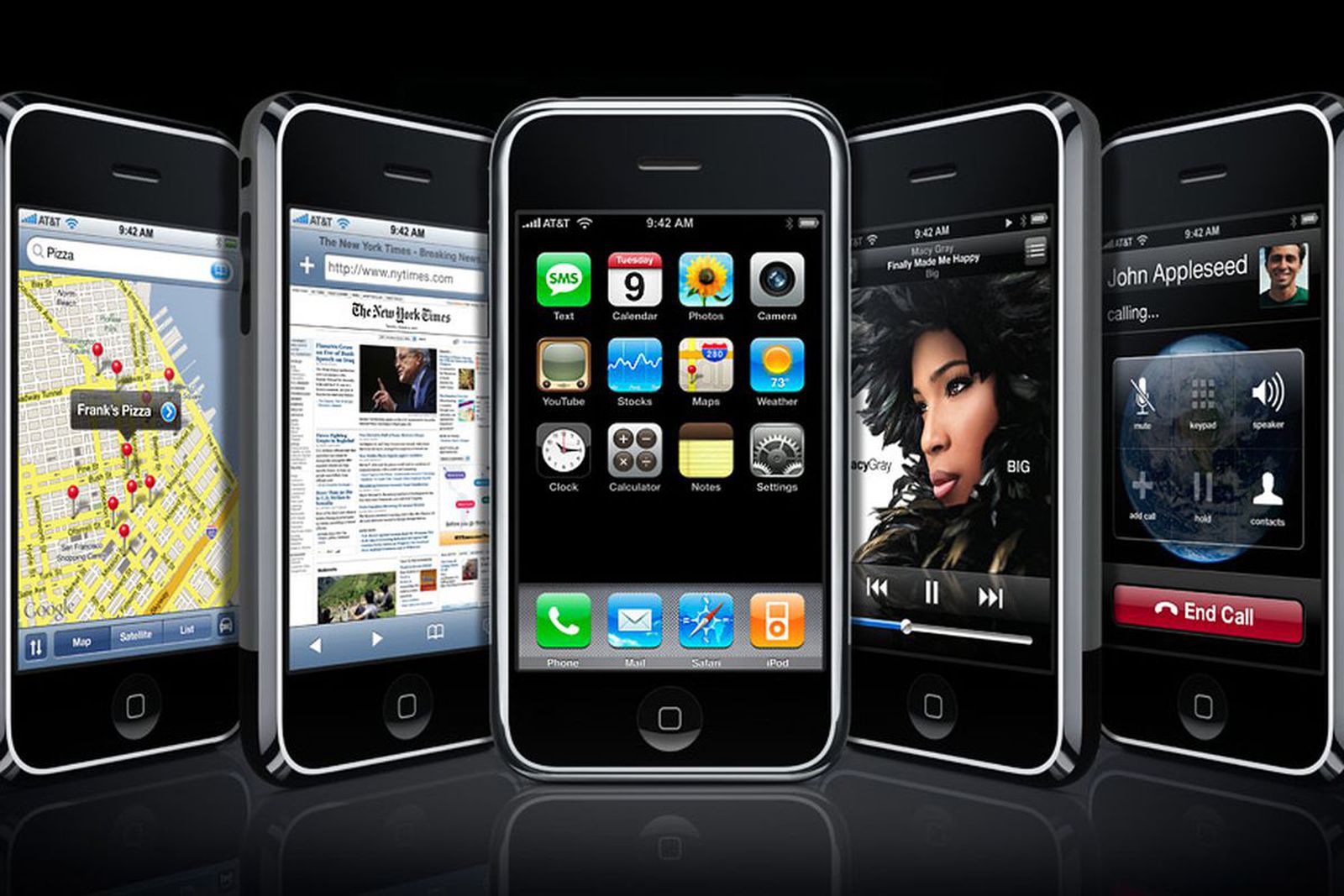
The combined effect of these three shutdowns means that any device exclusively reliant on 2G cellular connectivity will no longer be able to connect to any of the major U.S. carrier networks. This includes iconic devices from the early days of mobile technology. For instance, the original iPhone, released in 2007, technically lost its cellular network connectivity in 2017 when AT&T decommissioned its 2G network, which was the only network compatible with the device’s cellular modem. With the final 2G shutdown across all major U.S. carriers, any remaining functionality of such legacy devices that depended on cellular service is now permanently disabled.
The Broader Impact: Spectrum Reallocation and Technological Advancement
The phasing out of 2G networks is a critical step in the continuous cycle of technological evolution in the telecommunications industry. Older cellular technologies, while historically significant, are inefficient in terms of spectrum utilization and power consumption compared to their modern counterparts. By retiring 2G, carriers can reclaim valuable radio frequencies that can be repurposed for 4G LTE and 5G services. This reallocation is fundamental to enhancing network capacity, improving data speeds, reducing latency, and enabling new applications and services that were previously impossible.
The freed-up spectrum can be aggregated with existing spectrum bands used by 4G and 5G, creating wider channels that translate directly to faster download and upload speeds for consumers and businesses. Furthermore, the improved efficiency of newer networks means that devices can often achieve better battery life, as they spend less time searching for a signal or communicating with less efficient base stations.
Beyond 2G: The Ongoing Transition to Newer Technologies
The cessation of 2G service is not an isolated event but part of a broader trend of network modernization. In 2022, all three major U.S. carriers also completed their transitions away from 3G networks. This earlier phase-out impacted a wider range of devices and systems, including many older smartphones, basic feature phones, and a significant number of IoT devices. The shutdown of 3G networks further accelerated the adoption of 4G LTE and 5G technologies.
Moreover, carriers have also begun to phase out support for older generations of 4G LTE devices, particularly those that lack Voice over LTE (VoLTE) capabilities. VoLTE is essential for making and receiving voice calls over the 4G LTE network. Without it, devices often fall back to older 2G or 3G networks for voice calls. As these older networks disappear, iPhones and other smartphones that do not support VoLTE have lost their voice calling capabilities on these networks. This underscores the accelerating pace of technological obsolescence and the need for users to regularly update their devices to ensure continued network compatibility and access to essential services.
Preparing for the Future: Implications for Consumers and Businesses
The complete shutdown of 2G networks necessitates that consumers and businesses review their current device inventory and service plans. For individuals, this means ensuring that any mobile phones, medical alert systems, personal safety devices, or other connected gadgets are compatible with 4G LTE or 5G networks. The original iPhone example is a stark reminder for collectors and enthusiasts of vintage technology that their devices will no longer connect to cellular networks.
For businesses, the implications are even more significant. Any system that relies on 2G for critical operations, such as alarm systems in commercial buildings, older payment terminals, asset tracking systems for logistics companies, or remote monitoring sensors in industrial settings, must be upgraded or replaced. Failure to do so could lead to operational disruptions, security vulnerabilities, and a loss of essential functionality.
Industry analysts have noted that while the transition away from 2G has been gradual, the finality of the shutdown across all major carriers is a significant event. It simplifies the network landscape for carriers, allowing them to consolidate resources and focus on expanding and optimizing their 5G networks. For consumers, it means embracing the capabilities and benefits of modern mobile technology, including faster speeds, lower latency, and a wider array of innovative applications. The retirement of 2G networks is a testament to the relentless march of technological progress, paving the way for the next generation of wireless communication and its transformative potential.