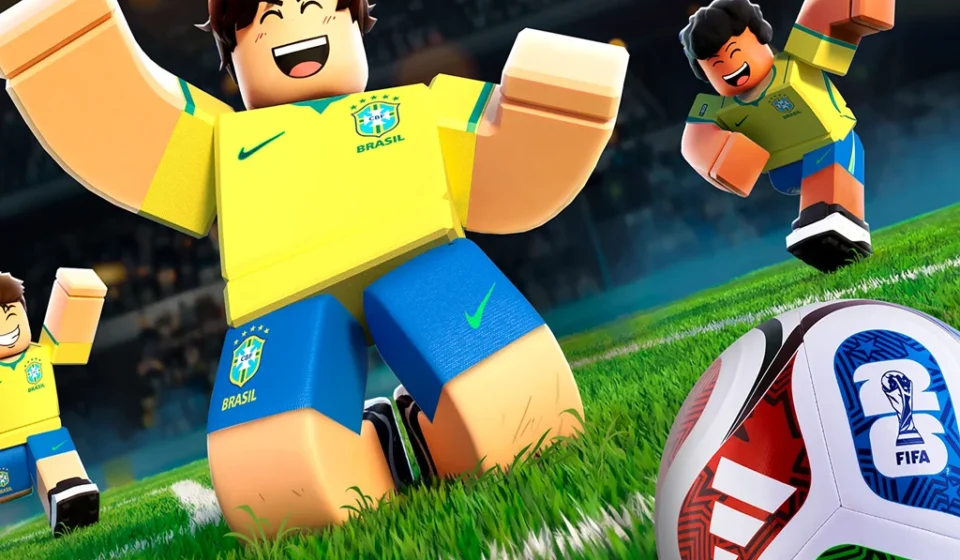
FIFA Super Soccer Transforms into Global Digital Hub for FIFA World Cup 2026 as Roblox Redefines Sports Fandom for New Generations

The international governing body of association football, FIFA, has announced a significant expansion of its digital footprint by designating the FIFA Super Soccer environment on Roblox as the official virtual hub for the FIFA World Cup 2026. This strategic move aims to integrate the physical spectacle of the upcoming tournament with an immersive, interactive digital experience, catering to the evolving habits of younger sports enthusiasts. As the tournament prepares to host an unprecedented 48 national teams across the United States, Canada, and Mexico, the Roblox platform will serve as a primary destination for fans to engage with the event, offering live updates, competitive gameplay, and social connectivity on a global scale.
The transformation of FIFA Super Soccer into a centralized World Cup event hub marks a pivotal moment in the intersection of traditional sports and the "metaverse" or persistent digital worlds. During the 2026 tournament, the platform will feature dedicated spaces for all 48 participating nations, a virtual recreation of a World Cup stadium, and a series of interactive "missions" designed to reward players with exclusive digital collectibles. Beyond mere entertainment, the hub will function as a functional data center, providing real-time tournament standings and live scoreboards, ensuring that the digital experience remains synchronized with the action on the grass.
A Multi-Game Ecosystem: The Six-Game Crossover Strategy
In an ambitious move to maximize reach and engagement, FIFA is not limiting its World Cup presence to a single title. The action within FIFA Super Soccer will be expanded through a synchronized "crossover" event involving five other prominent games on the Roblox platform. This six-game ecosystem is designed to create a "global World Cup destination" within the platform’s architecture. By allowing players to move between different gaming environments while maintaining their progress and rewards, FIFA aims to simulate the atmosphere of a global festival.
This strategy reflects a sophisticated understanding of Roblox’s infrastructure, where "teleportation" between different experiences is a core mechanic. By partnering with other popular games, FIFA can tap into existing player bases that may not primarily identify as football fans but are drawn to the competitive and social aspects of the event. Players will be able to collect rewards in one game and utilize them in another, fostering a sense of a unified digital economy tied to the 2026 World Cup brand.
The Proven Success of FIFA Super Soccer
The decision to double down on Roblox is backed by substantial engagement metrics. Since its inception, the official FIFA game on Roblox has accumulated over 1.1 billion visits, maintaining a consistent average of 1.5 million game sessions per day. These figures place FIFA Super Soccer among the most successful sports-branded experiences on the platform, demonstrating a clear appetite for football-related content among Gen Z and Gen Alpha demographics.
The platform has already proven its value as a marketing vehicle for high-profile partners. Major athletic brands like Adidas and prominent football organizations, including the Brazilian Football Confederation (CBF), the U.S. Soccer Federation, and German club Borussia Dortmund, have launched successful activations within the FIFA Roblox ecosystem. These partnerships have ranged from digital apparel (skins) for avatars to specialized training grounds, providing a blueprint for how commercial entities will likely interact with the 2026 World Cup hub.
Insights from the Roblox-Ipsos Report: Sports as Self-Expression
The announcement of the World Cup hub coincides with the release of a comprehensive research report titled "Sports as Shared Self-Expression," conducted by Roblox in partnership with the global market research firm Ipsos. The report provides a data-driven look at how younger generations—specifically Gen Z, aged 13 to 28—are fundamentally altering the nature of sports fandom.
According to the study, for younger fans, sports are no longer a passive viewing experience but a core component of their digital identity and social community. The data suggests that 72% of Gen Z respondents watch football at least once a week, and 26% intend to follow the sport even more closely over the next five years. However, the way they "follow" the sport is increasingly digital. The report highlights that digital platforms like Roblox provide a "social square" where fans can find friends, demonstrate support for teams through avatar customization, and participate in the culture of the sport in real-time, regardless of geographical barriers.
Brazil: A Leading Market for Digital Sports Engagement
A significant portion of the Roblox-Ipsos report focuses on regional variations in fandom, with Brazil emerging as a powerhouse in the digital sports landscape. Often referred to as the "country of football" in the physical world, Brazil is now mirroring that reputation in the virtual realm. The report indicates that Brazilian users demonstrate the highest levels of "fandom intensity" on the platform.
Key findings regarding the Brazilian market include:
- Identity Expression: Brazilian users are significantly more likely to purchase digital kits and accessories representing their favorite teams compared to the global average.
- Brand Affinity: There is a direct correlation between digital engagement on Roblox and real-world purchasing behavior among Brazilian Gen Z users.
- Community Participation: Brazilian players spend more time in social sports hubs, using the platform to discuss matches and celebrate victories with peers.
This high level of engagement makes Brazil a critical target for FIFA’s 2026 digital strategy. By providing a localized and interactive experience, FIFA can maintain the momentum of Brazilian football culture even when matches are played in distant North American time zones.
The Strategic Pivot: FIFA’s Post-EA Digital Vision
The expansion of FIFA Super Soccer is part of a broader strategic shift for FIFA following its high-profile split from Electronic Arts (EA Sports) in 2022. For decades, the FIFA video game series was the primary digital touchpoint for the organization. Since the conclusion of that partnership, FIFA has adopted a more diversified, multi-platform approach to gaming and interactive media.
By leveraging a platform like Roblox, FIFA is moving away from the "premium simulation" model of gaming toward a "social gaming" model. This allows for lower barriers to entry—as Roblox is free-to-play and accessible on mobile devices, consoles, and PCs—and higher levels of social interaction. This democratization of the digital football experience is essential for FIFA’s goal of expanding the sport’s reach in emerging markets and among younger age groups who may not own traditional gaming consoles.
Economic and Branding Implications for 2026
The 2026 World Cup is set to be the largest in history, and the digital hub on Roblox provides a scalable solution to manage this growth. For sponsors and commercial partners, the hub offers a "365-day" engagement model. Unlike traditional television broadcasts, which are limited to match windows, the Roblox environment allows for continuous interaction with the brand.
Industry analysts suggest that the integration of live scores and tournament data into the game will create a new "second screen" experience. Fans may watch the match on television while simultaneously competing in a virtual version of the same stadium on their tablets or phones. This creates a multi-layered advertising ecosystem where brands can reach consumers through physical stadium signage, traditional broadcasts, and interactive digital assets within the Roblox hub.
Conclusion: The Road to 2026
As the countdown to the FIFA World Cup 2026 begins, the evolution of FIFA Super Soccer represents a significant bet on the future of sports consumption. By transforming a successful game into a comprehensive tournament hub, FIFA is acknowledging that the future of the "beautiful game" is as much about digital participation as it is about physical performance.
The success of this initiative will likely be measured not just by "visits" or "sessions," but by the platform’s ability to foster a global community that transcends the boundaries of the pitch. With the support of data from the Roblox-Ipsos report and the proven engagement of markets like Brazil, FIFA is positioning itself to ensure that when the first whistle blows in 2026, the roar of the crowd will be heard just as loudly in the virtual world as it is in the stadiums of North America.