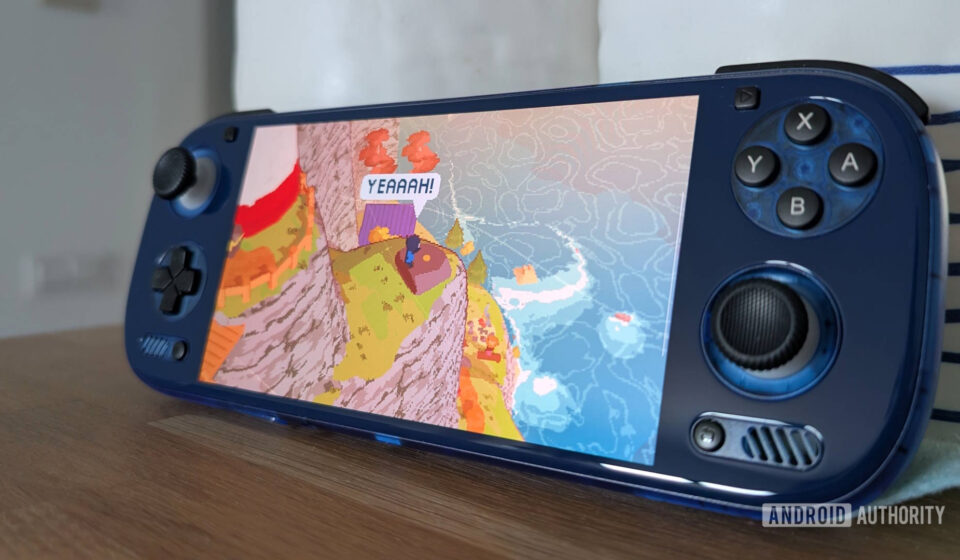
GameNative 0.8.0 Pre-release Unveils Major UI Overhaul and Amazon Games Integration, Further Bridging PC and Android Gaming Handhelds

The frontier of running PC games on Android devices has just received a significant boost with the announcement of GameNative 0.8.0, a pre-release build that introduces a sweeping user interface redesign and crucial support for Amazon Games. This pivotal update, communicated by one of the developers via a Reddit post and made available on the project’s GitHub page, marks a substantial step forward in democratizing access to expansive PC game libraries for users of Android smartphones and, more notably, dedicated Android gaming handhelds. The enhancement not only broadens the spectrum of playable titles but also dramatically improves the user experience, particularly for those navigating game libraries with physical controllers.
The Evolution of GameNative: A Gateway to PC Gaming on Android
GameNative stands as an innovative, open-source Android application meticulously designed to empower users to manage and execute PC games directly on their mobile devices. Functioning as a comprehensive launcher, it intelligently integrates with popular digital storefronts, enabling seamless browsing, downloading, and launching of titles. Prior to this update, GameNative had already established connections with major platforms such as Steam and GOG, and in a recent development, expanded its compatibility to include Epic Games titles, significantly broadening the horizons for Android-based PC gaming enthusiasts. The continuous development, driven by a passionate open-source community, underscores a growing demand for robust, local solutions that circumvent the limitations often associated with cloud gaming or complex emulation setups. This community-centric approach allows for rapid iteration and responsiveness to user feedback, a hallmark of its success.
The initial concept behind GameNative emerged from a clear necessity within the Android gaming ecosystem: to provide a centralized, user-friendly hub for PC games that could run natively or near-natively on increasingly powerful Android hardware. While Android has long been a dominant platform for mobile gaming, the vast, often graphically intensive, world of PC gaming remained largely segregated. Early attempts to bridge this gap primarily involved streaming services like Steam Link or NVIDIA GeForce Now, which relied heavily on stable, high-bandwidth internet connections. GameNative, however, sought to empower users with local control, offering a more resilient and often lower-latency gaming experience, provided the underlying Android device possessed sufficient processing power. Its open-source nature fosters transparency, security, and a collaborative development environment, attracting skilled contributors eager to push the boundaries of cross-platform gaming.
GameNative 0.8.0: Key Enhancements and User Experience Revolution
The latest 0.8.0 pre-release build focuses intently on enhancing usability and expanding accessibility. The most striking change is a "massively overhauled interface," which has been redesigned from the ground up to offer a more intuitive and visually appealing experience. Crucially, this UI revamp is deeply intertwined with improved controller navigation, a feature that addresses a significant pain point for users of Android gaming handhelds. Previously, interacting with the launcher often necessitated touch input, which could be cumbersome and detract from the seamless console-like experience these devices aim to deliver. With the new controller-first navigation, users can now fluidly browse their game libraries, initiate downloads, and launch titles without ever needing to touch the screen, mimicking the natural interaction of dedicated gaming consoles. This particular improvement is not just a convenience; it fundamentally alters the perception of GameNative as a truly integrated gaming platform for handheld devices.
Beyond the UI and navigation improvements, GameNative 0.8.0 introduces several other critical features:
- Amazon Games Support: This is a significant expansion of GameNative’s compatibility, adding another major PC game storefront to its roster. Amazon Games, known for its selection of titles and often offering free games to Prime subscribers, provides users with an additional avenue to access their purchased or claimed PC titles directly on Android. This move reflects GameNative’s commitment to becoming a truly universal launcher for PC games on Android.
- Offline Mode for Steam Games: A highly requested feature, the new offline mode for Steam titles prevents certain games from continuously attempting to connect to servers upon launch. This not only streamlines the startup process for single-player games but also conserves battery life and provides a more reliable experience in environments with limited or no internet connectivity.
- Reworked Touch Controls with Dynamic On-Screen Joysticks: While controller support is paramount for handhelds, many users still rely on standard Android phones. The update improves the touch control scheme, introducing dynamic on-screen joysticks that are likely more responsive and customizable, enhancing the experience for purely touch-based gameplay or when a physical controller is unavailable.
- Portrait Controller Support: This caters specifically to devices like the 8BitDo FlipPad, which feature unique form factors designed for portrait-oriented gameplay. Integrating dedicated portrait controller support ensures that users of these niche devices can enjoy an optimized control experience, further highlighting GameNative’s attention to diverse hardware configurations within the Android ecosystem.
- Improvements to GOG and Epic Integrations: Continuous refinement of existing storefront integrations is vital for long-term stability and performance. The update includes various enhancements to how GameNative interacts with GOG and Epic Games, promising smoother operation, better library synchronization, and potentially faster download speeds.
- Extensive Bug Fixes: As with any pre-release build, stability is an ongoing concern. The inclusion of a "long list of bug fixes" indicates the developers’ dedication to squashing issues, improving overall reliability, and preparing the application for a stable public release. These fixes likely address a range of issues from minor graphical glitches to more critical crashes, contributing to a more robust user experience.
The Rising Tide of Android Gaming Handhelds
The context for GameNative’s accelerating development is inextricably linked to the burgeoning market of Android gaming handhelds. Devices such as the AYN Odin series, Retroid Pocket, and others have carved out a significant niche, offering portable gaming experiences that blend the open nature of Android with physical controls akin to the Nintendo Switch or Valve’s Steam Deck. These handhelds, often powered by robust mobile processors like Qualcomm’s Snapdragon series, Mediatek’s Dimensity line, or even custom chips, are increasingly capable of handling demanding applications and, crucially, running PC games through various means.
The influence of the Steam Deck, while running on Linux, cannot be overstated in this segment. Its immense popularity demonstrated a clear market appetite for powerful, portable devices capable of playing a vast library of PC games. This success has undoubtedly inspired Android handheld manufacturers to push the envelope, integrating better screens, more ergonomic controls, and increasingly powerful internal components. GameNative directly benefits from this trend, as these devices provide the ideal hardware platform for its functionality. A high-resolution screen, dedicated joysticks, triggers, and buttons create an environment where GameNative’s controller-first UI and direct game launching capabilities truly shine. The synergy between GameNative’s software and the hardware capabilities of these handhelds creates a compelling alternative to traditional PC gaming or dedicated console experiences, offering unprecedented flexibility and portability for PC gamers.
The market for gaming handhelds is projected to continue its robust growth. According to various market analyses, the global handheld gaming market size, which includes devices like the Nintendo Switch and the burgeoning PC/Android handheld segment, was valued at over $10 billion in 2023 and is expected to grow at a compound annual growth rate (CAGR) exceeding 10% through 2030. This growth is fueled by consumer demand for portable entertainment, the increasing power efficiency of mobile processors, and the continuous innovation in software solutions like GameNative that unlock new functionalities for these devices.
Developer Insights and Community Reception
While specific direct quotes from the GameNative development team regarding the 0.8.0 pre-release are not publicly detailed beyond the Reddit announcement, the nature of open-source projects allows for logical inferences about their motivation and outlook. The developers’ decision to focus heavily on a UI overhaul and controller support indicates a clear understanding of their primary user base – those with Android gaming handhelds or external controllers. Their commitment to expanding storefront support (now including Amazon Games) further demonstrates an ambition to make GameNative the definitive one-stop solution for PC gaming on Android.
It can be reasonably inferred that the development team is highly responsive to community feedback, given the iterative nature of open-source development and the public announcement on platforms like Reddit. Features like the offline mode for Steam games are often direct responses to user requests, highlighting a collaborative relationship between developers and the end-users. The pre-release designation itself suggests a desire for broad community testing and feedback before a stable version is rolled out, underscoring their dedication to quality and user satisfaction.
The reception from the Android gaming community, particularly on forums dedicated to emulation and handheld gaming, is likely to be overwhelmingly positive. The announcement of expanded library access and, crucially, a controller-friendly interface, addresses long-standing desires. Users are often keen to explore new ways to utilize their powerful Android devices, and GameNative offers a compelling proposition. The availability of the APK via GitHub also caters to early adopters and power users who are comfortable with pre-release software and eager to test new functionalities. This early engagement is critical for identifying bugs and refining features before the stable release, ensuring a robust and polished final product.
Broader Implications and The Road Ahead
The continuous evolution of GameNative carries significant implications for several facets of the gaming industry:
- For Users: The most immediate benefit is increased accessibility and convenience. Gamers who own extensive PC libraries across various storefronts can now potentially carry those libraries in their pockets, blurring the lines between home gaming setups and on-the-go entertainment. This could lead to a resurgence of interest in older PC titles that might have been forgotten, as well as providing new ways to enjoy contemporary releases that are not overly graphically demanding.
- For the Android Gaming Handheld Market: GameNative strengthens the value proposition of Android handhelds. As these devices become more capable, software like GameNative transforms them from mere emulation machines into legitimate platforms for a broader spectrum of PC gaming. This could drive further innovation in hardware design, pushing manufacturers to integrate even more powerful chips, better cooling solutions, and more sophisticated control schemes to support demanding PC titles.
- For Digital Storefronts: While GameNative primarily acts as a launcher for existing purchases, its expanded support for platforms like Amazon Games could subtly influence consumer behavior. If users find it exceptionally easy to access their Amazon-purchased PC games on their Android handhelds, it might subtly increase the perceived value of Amazon’s gaming offerings, encouraging more purchases through that platform.
- Challenges and Future Prospects for GameNative: As an open-source project, GameNative faces the ongoing challenge of maintaining compatibility across a fragmented Android ecosystem. The vast array of hardware specifications, Android versions, and custom overlays means that ensuring a consistent experience is a monumental task. Future updates will likely need to address performance optimizations for a wider range of chipsets, continued refinement of graphical rendering capabilities, and potentially, integration with even more niche storefronts or DRM solutions. The long-term success will also depend on the sustained engagement of its developer community and the project’s ability to adapt to new technologies and gaming trends.
- The "PC Everywhere" Trend: GameNative contributes to the broader industry trend of making PC gaming accessible beyond the traditional desktop or laptop. Alongside cloud gaming services and portable PC handhelds like the Steam Deck, GameNative positions Android devices as viable platforms for native PC game execution. This decentralization of PC gaming could reshape how hardware is designed and how game developers approach multi-platform releases, potentially fostering a future where the distinction between PC and mobile gaming continues to diminish.
As a pre-release build, GameNative 0.8.0 is not yet considered stable, implying that users might encounter bugs or performance inconsistencies. However, its immediate availability via the project’s GitHub release page encourages enthusiastic early adopters to download and test the new functionalities. This community feedback loop is invaluable for refining the application and ensuring that the eventual stable release is as polished and robust as possible. The trajectory of GameNative underscores a significant movement within the gaming industry: the relentless pursuit of universal accessibility for digital content, empowering players to enjoy their favorite games wherever and whenever they choose, on the devices they already own. This update is not just a technical milestone; it’s a testament to the innovative spirit driving the convergence of PC and mobile gaming.