Garmin’s Body Battery: A Decade-Long Benchmark in Wearable Energy Tracking That Competitors Still Struggle to Replicate

The smartwatch market continues its rapid evolution, with major players like Samsung, Apple, Google, and Garmin constantly vying for dominance through innovative health and fitness features. As the anticipation builds for new device launches, such as the forthcoming Samsung Galaxy Watch 9 and Galaxy Watch Ultra 2, and the recent enhancements to the Samsung Health app promising new metrics like Fitness Index, Vitals, and Hearing Health, a critical question emerges regarding the efficacy and user-centricity of these advanced tracking capabilities. Despite the undeniable technological strides and the allure of increasingly granular data, many long-time wearable users, including those currently sporting devices like the Galaxy Watch 4, express a fundamental desire for a feature that has, for nearly a decade, set a high bar for holistic daily energy assessment: Garmin’s Body Battery. This proprietary metric, introduced by Garmin, offers a dynamic, real-time representation of a user’s physiological energy levels, a sophistication that, according to many, remains unmatched by its contemporaries.
Garmin’s Innovation: The Body Battery Explained
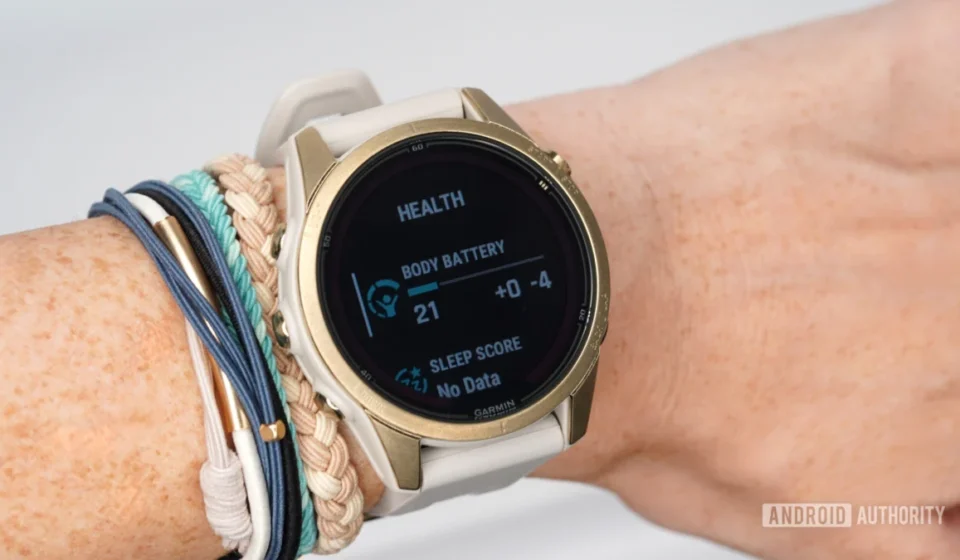
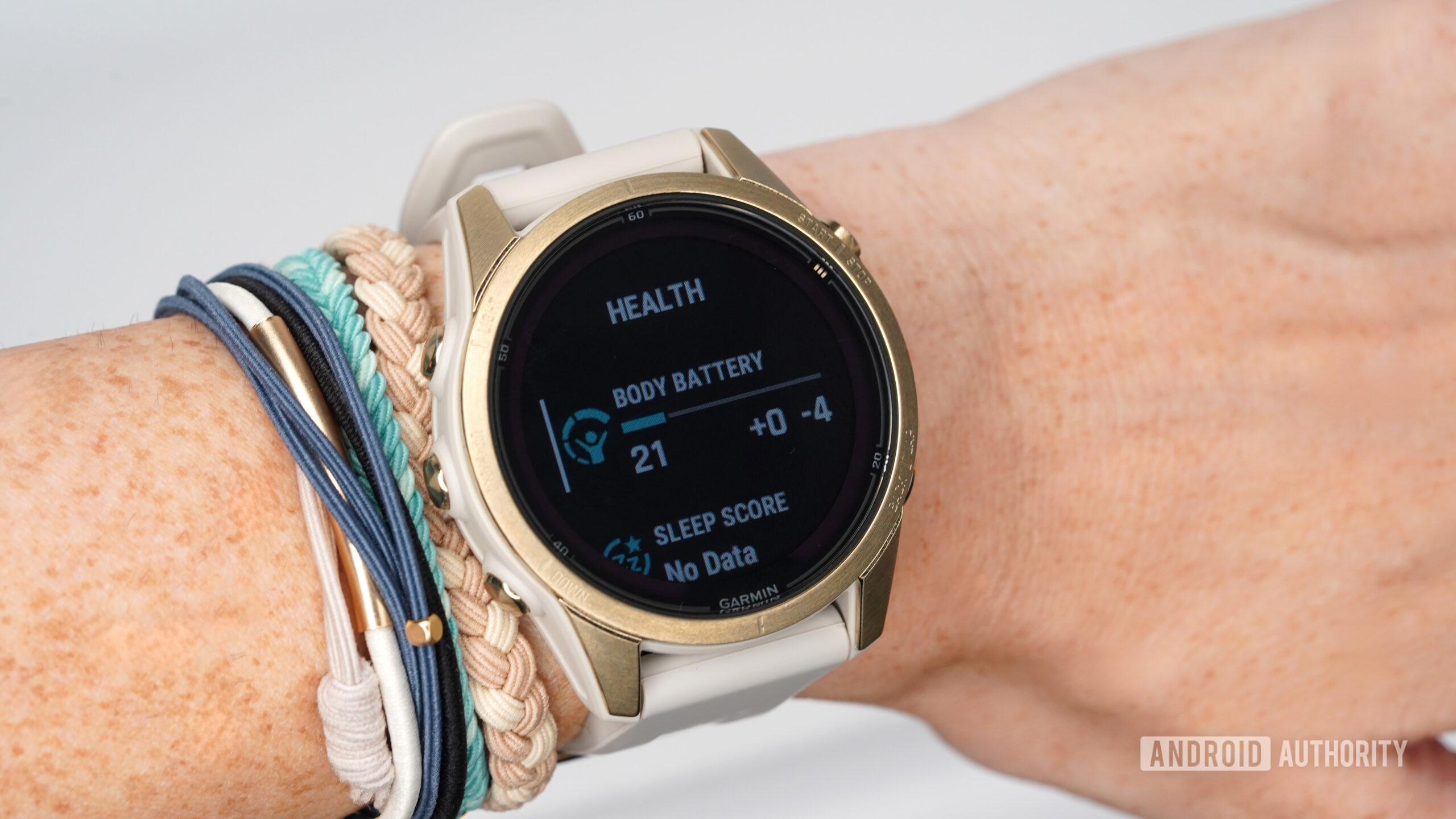
At its core, Garmin’s Body Battery is an approximation of a user’s current energy reserves, quantified on a scale from 0 to 100, where 0 signifies the lowest possible energy state and 100 represents peak vitality. This seemingly simple numerical representation belies a complex algorithm that synthesizes multiple physiological factors captured by Garmin wearables. Key among these are heart rate, objective sleep quality, and, most critically, heart rate variability (HRV).
Heart rate variability (HRV) is a powerful physiological indicator often referred to as a cornerstone of the Body Battery calculation. It measures the variation in time between successive heartbeats. Unlike a constant heart rate, a healthy heart does not beat with perfect regularity; the slight variations in beat-to-beat intervals are influenced by the autonomic nervous system (ANS), which controls involuntary bodily functions. A higher HRV generally indicates a more adaptable and resilient ANS, suggesting a body that is well-rested and capable of handling stress. Conversely, a lower HRV can be a sign of physical or mental stress, fatigue, illness, or overtraining. By integrating HRV data, Body Battery can infer the body’s current stress load and recovery status with remarkable accuracy.
The underlying science behind Body Battery is significantly bolstered by Garmin’s acquisition of Firstbeat Analytics in 2020. Firstbeat, a Finnish physiological analytics company, has been a pioneer in developing advanced performance analytics for sports and wellness for decades. Their expertise in interpreting complex physiological signals, particularly heart rate and HRV, to provide actionable insights into stress, recovery, and exercise performance, forms the backbone of many of Garmin’s most sophisticated metrics, including Body Battery. This integration of Firstbeat’s validated algorithms allows Body Battery to move beyond mere data collection, offering a scientifically informed estimate of a user’s energy state.
What truly distinguishes Body Battery from other holistic health scores is its dynamic nature. Unlike many competing metrics that provide a static daily score, often updated only after a night’s sleep, Body Battery continuously updates throughout the day. Users actively "recharge" their score through periods of rest, relaxation, and, most effectively, quality sleep. A restful night can see the score climb towards 100, while a midday nap or a period of calm can also provide a tangible boost. Conversely, physical exertion, mental stress, illness, or even significant emotional events cause the score to deplete. The more demanding the activity or the higher the stress, the faster the score drops. This real-time feedback loop allows users to immediately see the energetic cost of their actions and the restorative benefits of recovery. The conceptual framework of Body Battery as a "state of charge" for the human body is remarkably intuitive, making complex physiological data accessible and actionable for a wide range of users, from elite athletes to individuals simply looking to manage their daily well-being. It avoids the need for verbose AI-driven interpretations often associated with rival scores, instead presenting a clear, quantifiable metric that resonates with a universal understanding of energy.
A Historical Perspective: The Genesis and Evolution of Body Battery
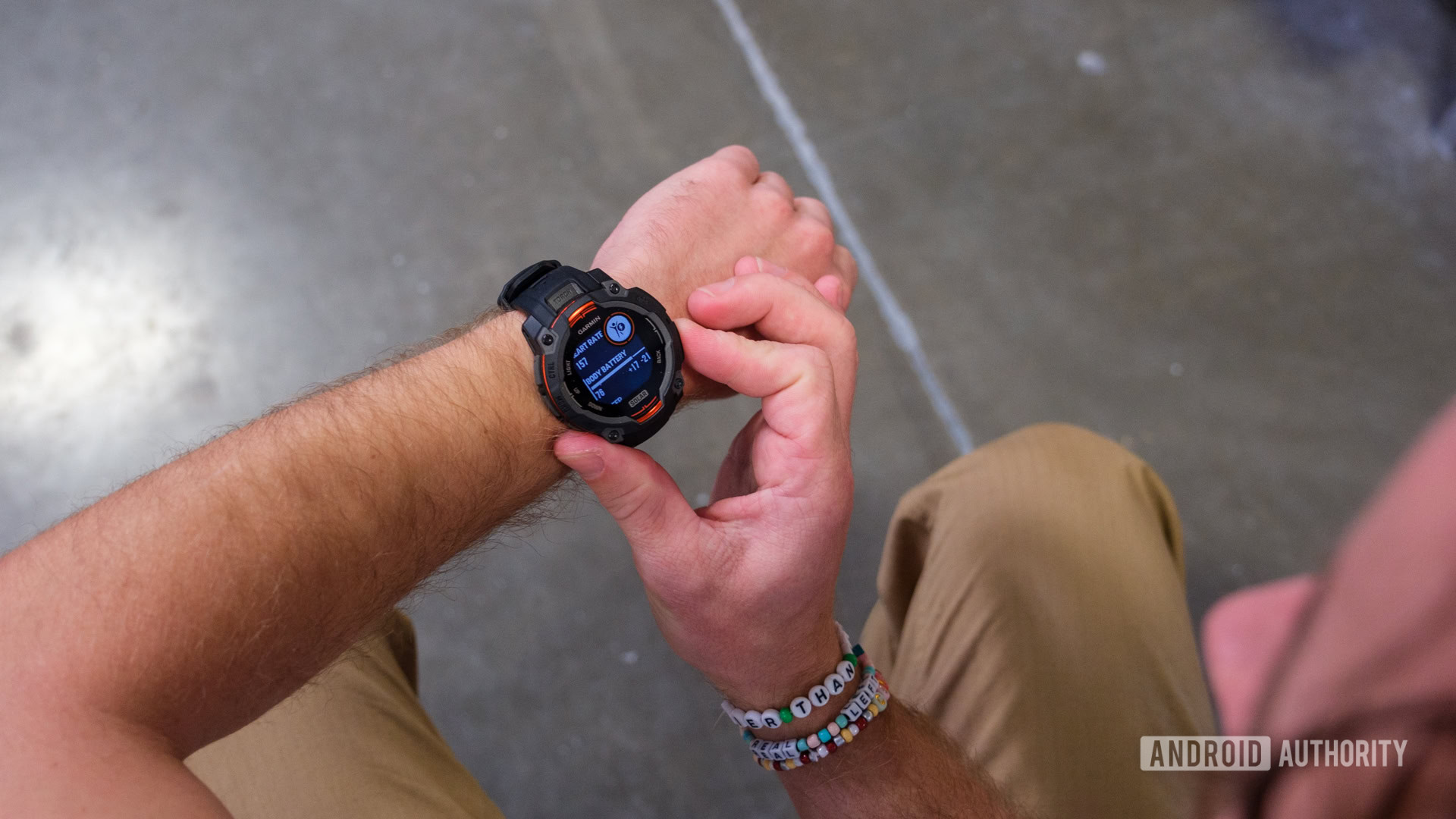
Garmin first introduced the Body Battery feature to its lineup in 2019, making it available on devices such as the Vívosmart 4. This launch marked a significant milestone in wearable technology, moving beyond simple step counting and heart rate monitoring to offer a more profound, integrated view of physiological well-being. The initial rollout was met with considerable interest, as it provided a novel way for users to understand their daily energy fluctuations and connect them to their lifestyle choices.
From its inception, Body Battery was designed to be a continuous, 24/7 metric. This always-on monitoring capability was a key differentiator, as it allowed the system to capture a complete picture of energy expenditure and recovery cycles. Early versions focused heavily on heart rate, sleep tracking, and basic activity data. However, as sensor technology in wearables advanced and Firstbeat Analytics’ expertise became more deeply integrated into Garmin’s ecosystem, the accuracy and robustness of Body Battery progressively improved. The inclusion of more precise HRV measurements, enhanced sleep stage detection (light, deep, REM), and more sophisticated algorithms for distinguishing between physical and mental stress have continually refined the score’s predictive power.
Over the years, Body Battery has expanded its availability across a vast array of Garmin devices, from entry-level fitness trackers like the Vívosmart series to high-end multisport watches like the Fenix and Forerunner lines, and even lifestyle watches like the Venu and Lily. This widespread integration underscores Garmin’s commitment to the feature as a core component of its health and wellness offerings. The continuous refinement of the algorithm, often through software updates, ensures that Body Battery remains a leading metric in the wearable space, adapting to new research and improving its ability to reflect a user’s true physiological state. Its enduring presence and consistent positive user feedback demonstrate its utility and Garmin’s strategic foresight in developing a genuinely impactful wellness tool.
The Competitive Arena: Samsung’s Energy Score and Other Approaches
In response to the growing demand for holistic health insights, other major players in the smartwatch market have developed their own interpretations of "energy" or "readiness" scores. Samsung, a dominant force in the Android smartwatch segment, has introduced its "Energy Score" as part of its comprehensive Samsung Health ecosystem. With the impending launch of the Galaxy Watch 9 and Ultra 2, alongside the upgraded Health app features like Fitness Index, Vitals, and Hearing Health, Samsung is clearly investing heavily in expanding its health tracking capabilities.
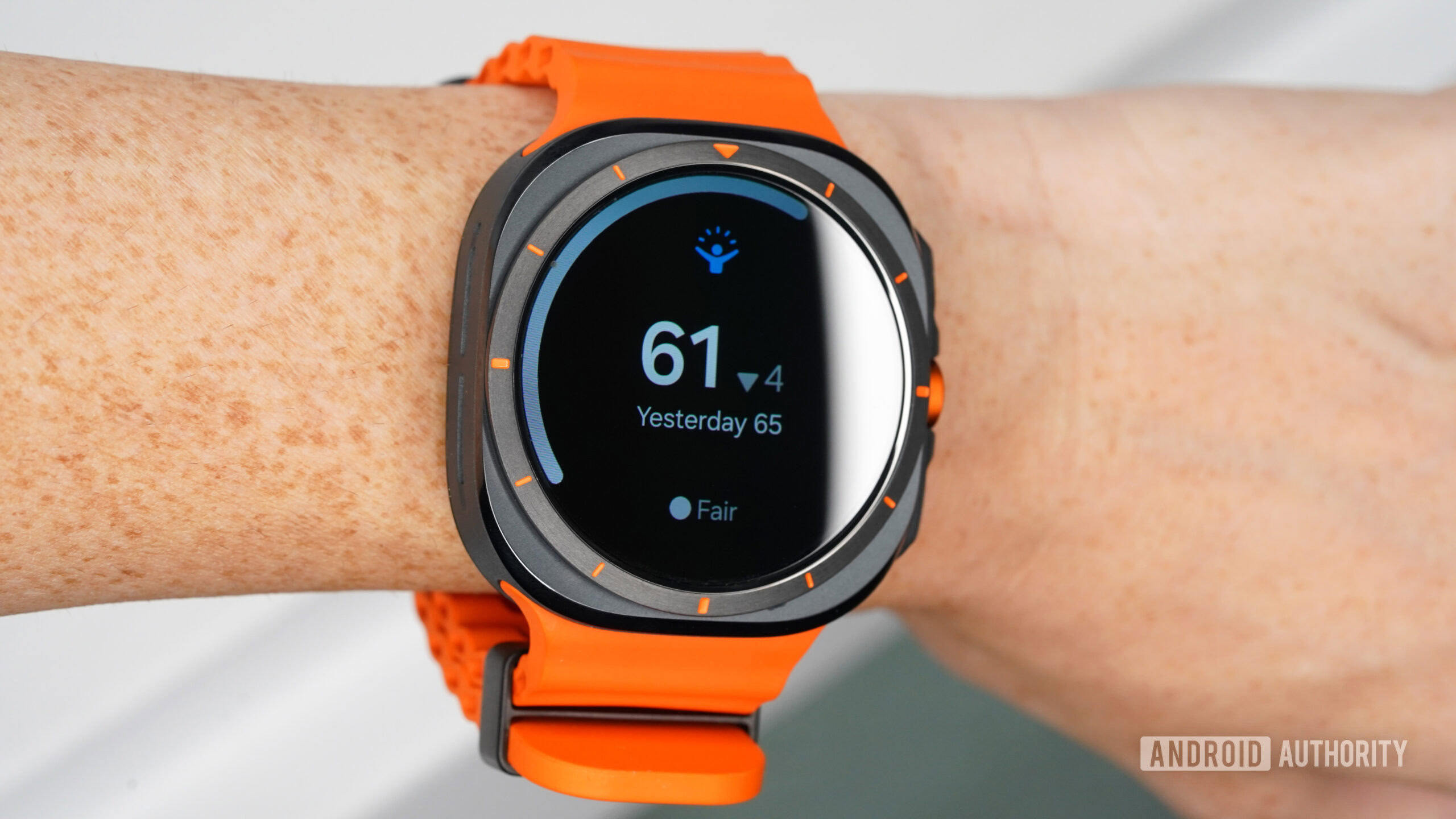
However, a direct comparison reveals significant differences between Samsung’s Energy Score and Garmin’s Body Battery. Samsung’s Energy Score, while aiming to provide a holistic overview, primarily relies on sleep statistics and updates only once a day, typically in the morning. This heavy emphasis on sleep means that factors like slight oversleeping or missing specific sleep zones can disproportionately affect the score, potentially misrepresenting a user’s actual energy reserves for the day. While activity is also factored in, its contribution to the overall number appears to be less immediate and less impactful than sleep quality.
Crucially, the static nature of Samsung’s Energy Score means it lacks the real-time responsiveness that defines Body Battery. A user completing an intense weight training session or experiencing a particularly stressful work meeting will not see an immediate reflection of that energy expenditure in their Energy Score. This delay in feedback diminishes its utility as an immediate guide for daily decision-making. For instance, knowing minutes after a workout how much it has impacted one’s energy can inform whether to push further, take a rest, or adjust the day’s remaining activities. Samsung’s current approach does not offer this dynamic, actionable insight.
Other competitors also offer similar readiness metrics. Apple Watch, while not having a single "energy score," provides recovery metrics and a strong focus on activity and mindfulness, contributing to an overall sense of well-being. Fitbit’s Daily Readiness Score, powered by Google’s acquisition of Fitbit, is another notable example. It considers activity, sleep, and HRV, offering a score each morning to guide daily exercise. The Oura Ring, a popular smart ring, also provides a comprehensive "Readiness Score" based on sleep, HRV, body temperature, and activity, designed to inform users if they are ready for intense activity or need more recovery. While these platforms incorporate HRV and sleep, many still tend to present a morning "readiness" snapshot rather than a continuous, real-time energy drain and gain model.
The challenge in replicating Body Battery’s dynamic and intuitive model lies in several areas. Firstly, it requires robust and consistent physiological data collection across a full 24-hour cycle, accurately differentiating between various types of stress (physical, mental, emotional) and recovery. Secondly, the underlying algorithms, like those from Firstbeat Analytics, are proprietary and have been refined over years of research and real-world application. Developing a similarly nuanced and validated algorithm is a significant undertaking. Thirdly, there might be differing philosophical approaches to health tracking. Some companies might prefer to offer highly specific, compartmentalized metrics (e.g., Fitness Index, Vitals, Hearing Health), believing that a mosaic of detailed data points is more informative, while others, like Garmin, prioritize a more unified, actionable, and easily digestible metric like Body Battery.
The Power of Pacing: Actionable Insights for Daily Life and Training
The practical utility of Garmin’s Body Battery extends far beyond simply knowing a numerical value; it empowers users to actively pace themselves and make informed decisions throughout their day, profoundly impacting both general well-being and athletic performance. This dynamic feedback mechanism transforms a smartwatch from a mere data collector into a personal energy coach.
For daily life, Body Battery provides an invaluable baseline that adapts to a user’s unique physiological state. Waking up with a lower-than-usual Body Battery score, perhaps after a poor night’s sleep or a particularly stressful previous day, immediately signals a need for caution. It prompts individuals to consider slowing down, prioritizing less strenuous tasks, or even scheduling a brief period of rest. Conversely, a high Body Battery score indicates that the body is well-rested and ready to tackle more demanding activities, whether it’s an intense workout, a challenging work project, or a packed social schedule. This continuous monitoring allows for a proactive approach to energy management, preventing burnout and promoting sustained productivity. The ability to "top up" the battery with a short nap or a period of mindful relaxation during the day is a tangible benefit that encourages positive self-care habits.
In the realm of athletic training, Body Battery is a powerful tool for optimizing performance and preventing overtraining. Athletes often struggle with knowing when to push harder and when to pull back. A high Body Battery score before a workout can serve as an green light for a high-intensity session, signaling that the body has recovered sufficiently and is primed for performance. Conversely, a significantly depleted Body Battery might suggest scaling back a planned workout, opting for active recovery, or taking a rest day, thereby minimizing the risk of injury and ensuring optimal adaptation. The immediate feedback after a training session – showing the precise energy cost – helps athletes understand the true physiological impact of their efforts and plan subsequent recovery more effectively. This intuitive framework, akin to budgeting theoretical energy, makes it a vital asset for both amateur enthusiasts and serious competitors.
While the concept of assigning a single number to the complex and subjective feeling of "energy" is inherently an approximation, anecdotal evidence from a vast user base suggests that Body Battery often correlates remarkably well with a user’s perceived energy levels. Of course, wearables are not infallible; occasional inaccuracies in sleep tracking or heart rate measurements can influence the score. However, within these acknowledged limitations, Garmin’s feature has consistently demonstrated its ability to provide a "best guess" that resonates with how individuals actually feel in the moment. This efficacy stems from its comprehensive data integration and the intelligent weighting of factors like HRV, which provides a deep insight into the body’s internal state of stress and recovery, transcending superficial metrics.
Broader Implications and the Future of Wearable Health
The ongoing disparity in the sophistication and utility of "energy" or "readiness" scores among leading smartwatch brands holds significant implications for the future of wearable health technology. Garmin’s Body Battery stands as a testament to the power of dynamic, actionable feedback, and its continued success poses a challenge to competitors to either replicate or innovate beyond its current capabilities.
The trend in wearable technology is undoubtedly moving towards more personalized and predictive insights. Users are no longer content with raw data; they demand meaningful interpretations that can guide their daily health decisions. The success of Body Battery suggests that a unified, easily understandable, and constantly updating metric for overall well-being is highly valued. This could push other manufacturers to invest more heavily in developing their own real-time physiological models, moving away from static, compartmentalized scores towards integrated, dynamic feedback loops.
Competitive differentiation in the crowded smartwatch market increasingly relies on unique and genuinely useful health features. While Samsung, Apple, and Google offer extensive app ecosystems and seamless integration with their respective mobile platforms, a standout health metric like Body Battery provides Garmin with a strong competitive advantage, particularly among fitness enthusiasts and those prioritizing comprehensive wellness tracking. This "walled garden" effect, where users might choose to stick with a particular brand primarily for a single, indispensable feature, is a powerful force in consumer loyalty.
However, the development of such advanced metrics also highlights inherent challenges. Quantifying a nebulous concept like "energy" requires robust scientific validation and continuous refinement of algorithms. The reliance on highly sensitive physiological data like HRV necessitates meticulous sensor accuracy and sophisticated data processing to avoid misinterpretations. Furthermore, the ethical implications of presenting such data, and ensuring users understand its nature as an approximation rather than a definitive medical diagnosis, remain crucial considerations for all wearable manufacturers.
Ultimately, Body Battery represents a benchmark in the evolution of wearable health tracking. Its intuitive interface, dynamic responsiveness, and scientific foundation empower users to better understand and manage their physiological resources. As the smartwatch market continues to mature, the demand for actionable, holistic insights will only grow. The path forward for wearable health likely involves a greater emphasis on dynamic, personalized feedback that truly helps individuals optimize their well-being, moving beyond simple data aggregation to truly intelligent health guidance.