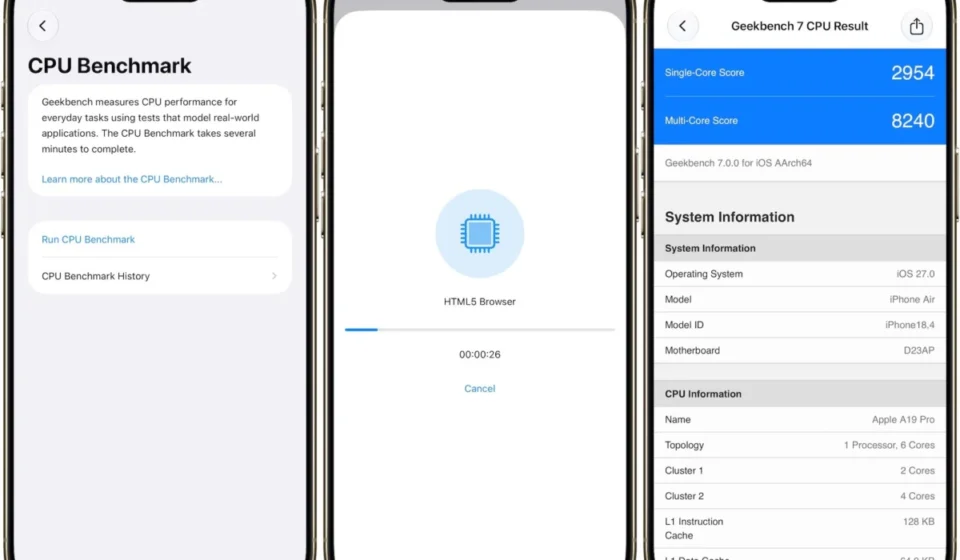
Geekbench 7 is here and it finally tests your device the way you actually use it.

The landscape of device performance benchmarking has been significantly reshaped with the official release of Geekbench 7 by Primate Labs. This latest iteration of the widely adopted cross-platform benchmarking tool introduces a suite of substantial upgrades designed to offer a more accurate and nuanced assessment of device capabilities across a broad spectrum of operating systems, including Android, iOS, Windows, macOS, and Linux. The core of Geekbench 7’s evolution lies in its strategic shift towards simulating real-world user experiences, moving beyond abstract computational tasks to reflect the demands placed on modern smartphones, tablets, and computers by everyday applications and services.
A New Era of Real-World Performance Testing
For years, benchmark tools have served as a crucial, albeit sometimes abstract, metric for evaluating the raw power of hardware. However, the way users interact with their devices has become increasingly complex, involving intricate multitasking, sophisticated media consumption, and the growing prevalence of artificial intelligence and machine learning applications. Geekbench 7 directly addresses this evolution by fundamentally rethinking its testing methodologies. The update aims to provide a more faithful representation of how a device will perform under typical usage scenarios, rather than relying solely on theoretical maximums.
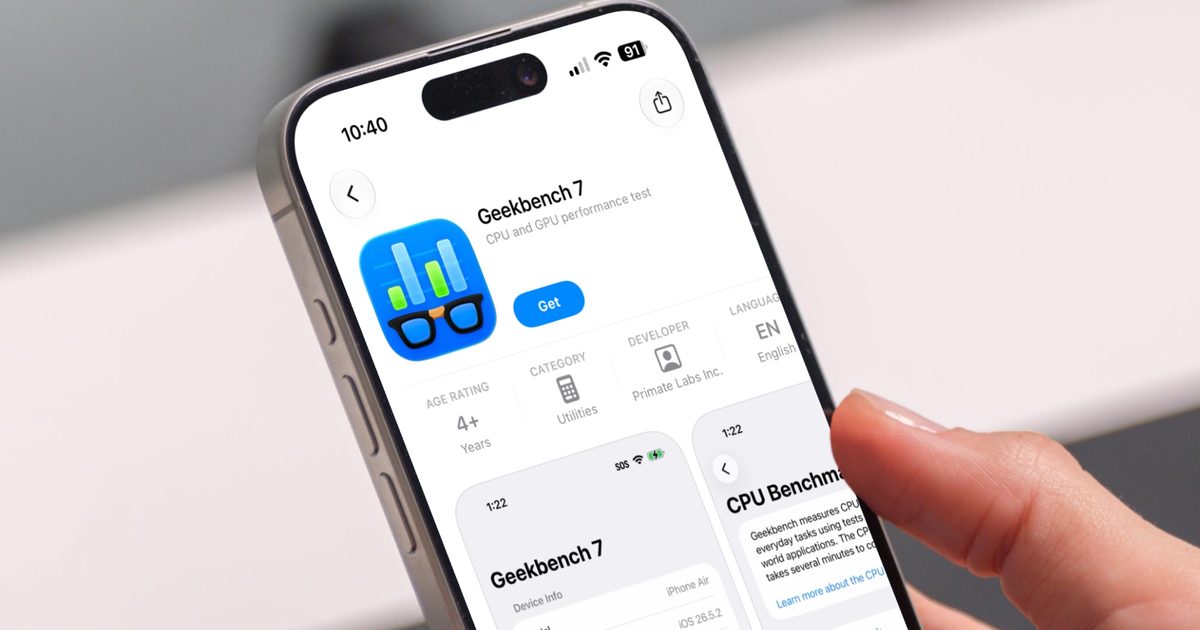
Primate Labs, the developer behind Geekbench, has emphasized that this overhaul is a direct response to the changing demands of the digital ecosystem. "Our goal with Geekbench 7 is to bridge the gap between synthetic benchmarks and actual user experience," stated a representative from Primate Labs in a press release accompanying the launch. "We’ve seen a significant shift in how people use their devices, and our benchmarks need to reflect that reality." This sentiment underscores a broader industry trend towards more practical and user-centric performance evaluation.
Revolutionizing CPU Benchmarking with Smarter Workloads
The CPU tests within Geekbench 7 have undergone the most significant transformation. A key innovation is the introduction of new media workloads that meticulously replicate common user activities. These include tasks such as participating in high-definition video conferences, streaming audio content like podcasts, and engaging in live transcription services. Specific examples of these advanced workload models encompass the encoding processes required for screen sharing during video calls, Opus compression algorithms used for efficient voice memo recording, and the computationally intensive task of generating live captions using advanced speech recognition models like Whisper, all while simultaneously decoding video streams.
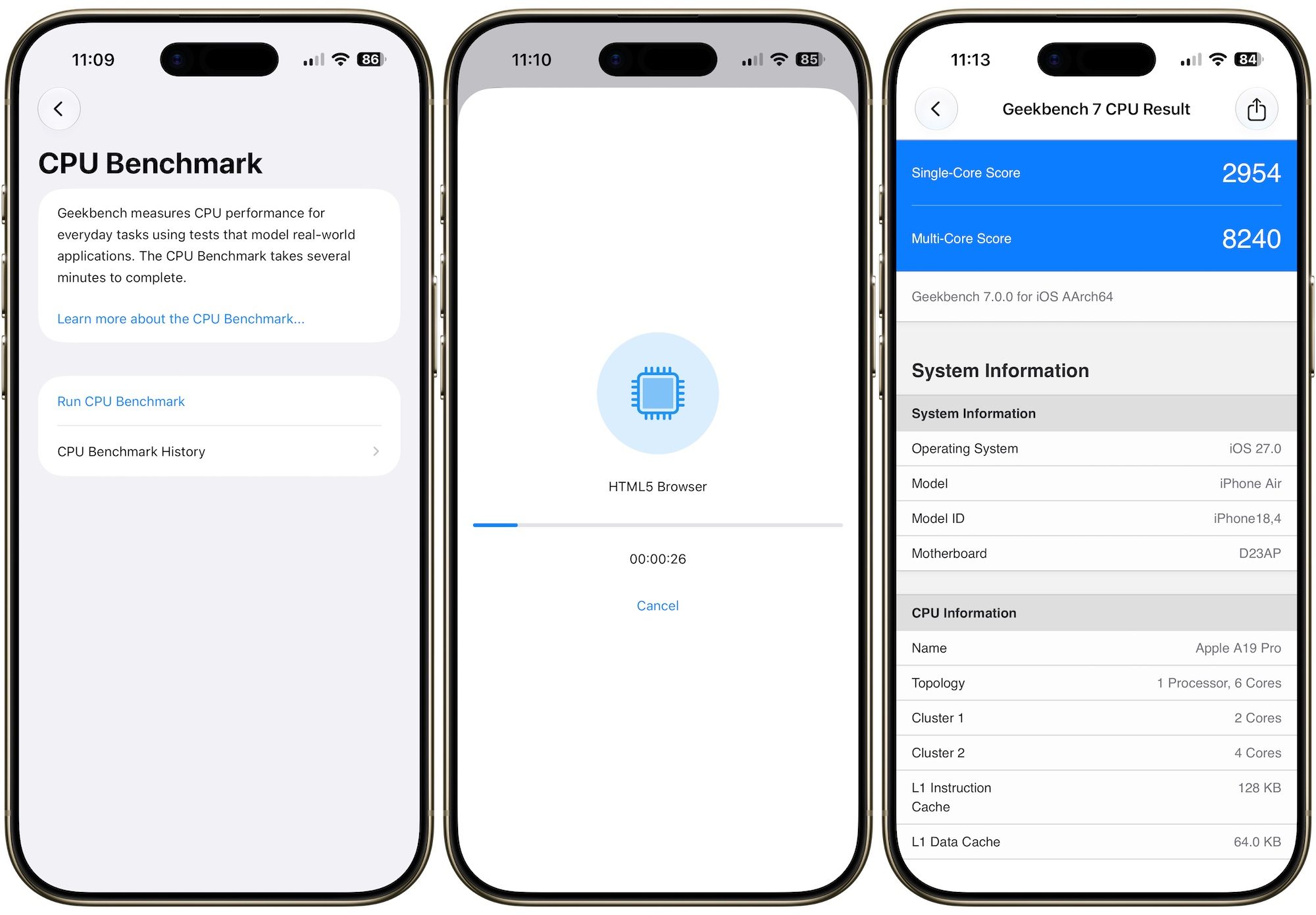
This focus on multimedia processing is particularly relevant given the increasing reliance on video communication and content creation tools. Devices are no longer just for browsing and basic productivity; they are central hubs for communication, entertainment, and creative expression. By simulating these complex, multi-faceted operations, Geekbench 7 provides a more insightful performance score for users who heavily utilize these features.
Beyond media, Geekbench 7 introduces a novel Game Physics workload. This test is built upon the robust Jolt Physics engine, a technology recognized for its use in popular video games. This integration allows for a more accurate assessment of a device’s ability to handle the complex physics calculations that underpin modern gaming experiences, offering a tangible benchmark for mobile gamers and PC enthusiasts alike.
The Photo Editor test has also been enhanced to incorporate a wider array of real-world editing operations, moving beyond simpler manipulations to include more demanding adjustments and filters. Furthermore, the Photo Library workload has been updated to support contemporary file formats, including the increasingly adopted JPEG XL and the versatile DNG (Digital Negative) RAW format, ensuring that the benchmark remains relevant for photographers and users who manage extensive photo libraries.
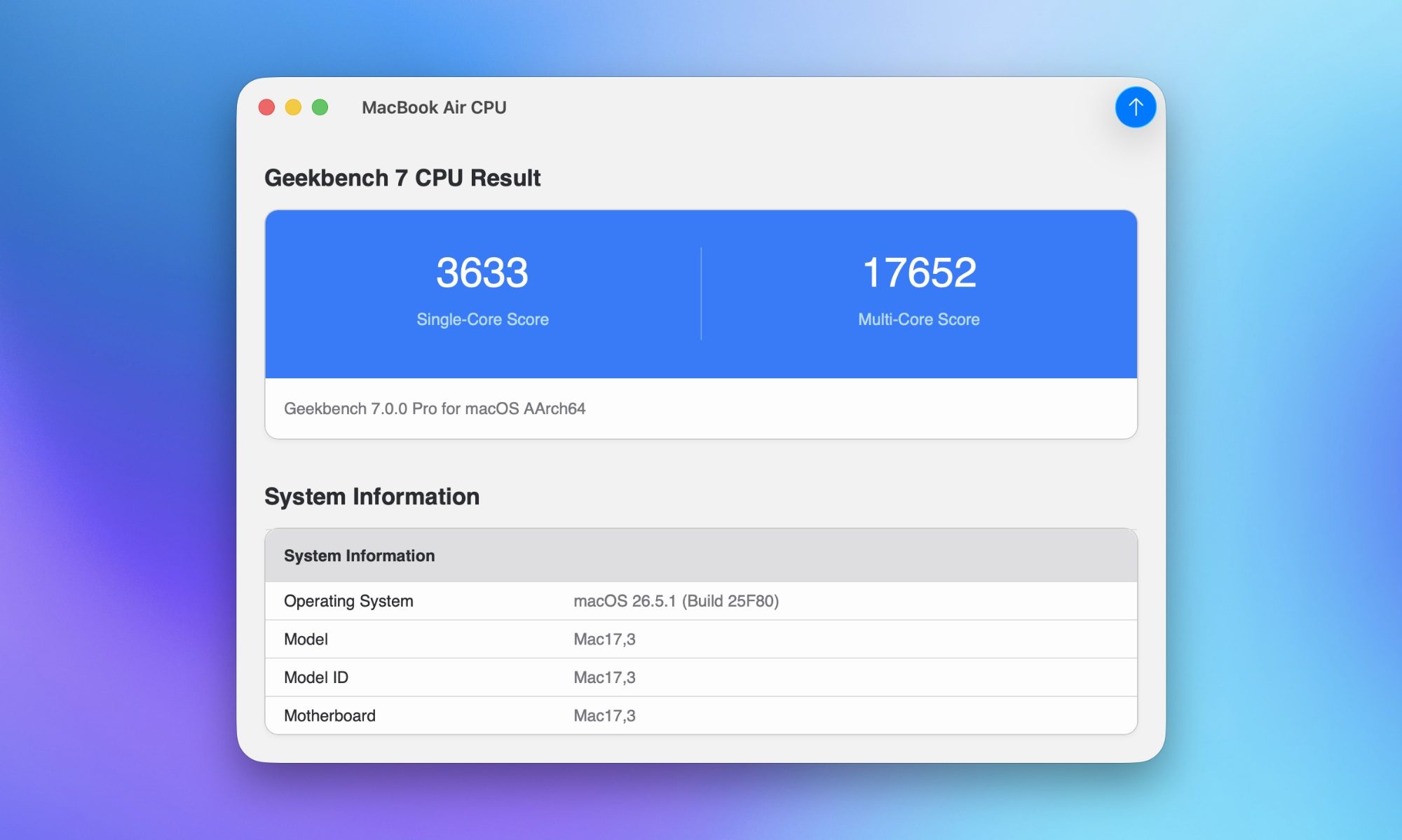
A particularly insightful refinement has been made to the multi-core benchmark. Historically, many benchmarks have pushed all available cores to their maximum capacity, regardless of whether an application actually utilizes them in such a manner. Geekbench 7 introduces a more intelligent approach. It now assesses whether a task genuinely benefits from multi-threaded processing in real-world applications. For instance, the HTML5 Browser test, which often relies on single-threaded operations for core rendering and script execution, will now bypass the multi-core suite entirely. This selective application of multi-core testing is designed to yield scores that more accurately reflect practical performance, avoiding the inflation that can occur when a benchmark artificially engages all cores for tasks that do not benefit from it. This approach promises a more honest appraisal of a device’s responsiveness and efficiency in everyday browsing scenarios.
Empowering GPU Testing with Enhanced Workloads and NVIDIA Support
The GPU benchmarking capabilities of Geekbench 7 have also seen substantial improvements, with a renewed focus on machine learning and content creation tasks. These new tests are designed to mirror the increasingly demanding graphical and computational workloads encountered in professional and consumer applications.
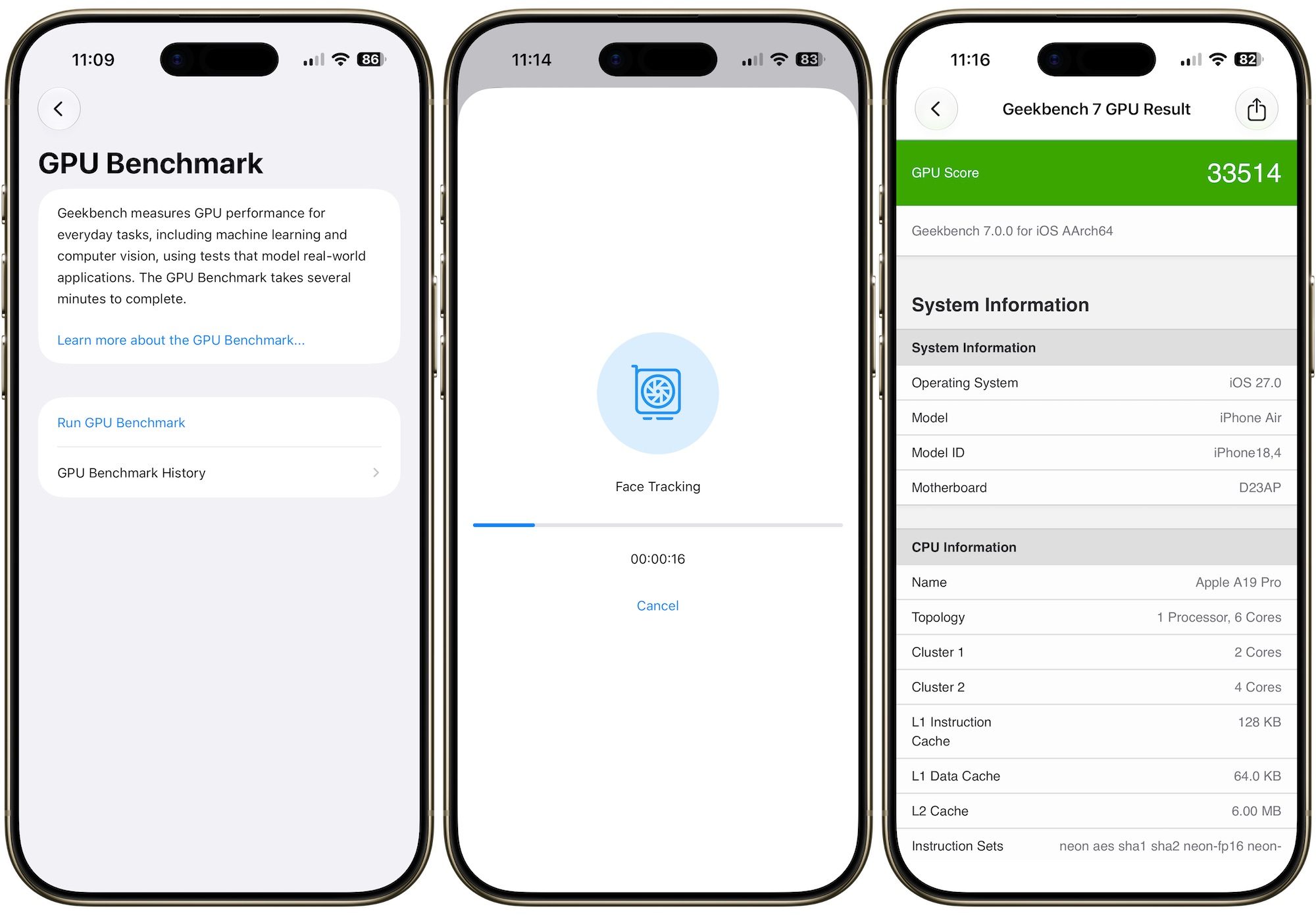
Among the new GPU workloads are face tracking with real-time filters, a common feature in social media applications and video conferencing software. ML-based image upscaling, a technique increasingly used to enhance the quality of low-resolution images and videos, is also included. Additionally, the benchmark now evaluates a device’s performance in applying background blur effects for video calls, a feature that requires significant GPU processing power to achieve a natural-looking result.
For creative professionals and enthusiasts, Geekbench 7 introduces specialized tests for RAW image processing, a critical step in digital photography workflows. It also includes benchmarks for LUT-based (Look-Up Table) color grading, a technique widely used in video editing and visual effects to achieve specific aesthetic styles. Furthermore, the benchmark now incorporates tests for path tracing and fluid simulation, two advanced rendering and simulation techniques often found in professional 3D modeling, animation, and scientific visualization software.
Perhaps the most significant addition for a substantial segment of the computing market is the introduction of CUDA support. This development is a game-changer for users of NVIDIA GPUs. By integrating CUDA, Geekbench 7 now allows NVIDIA hardware to be tested using the same API that powers many of the most demanding professional applications, including scientific simulations, deep learning frameworks, and high-end content creation software. This joins existing support for other leading graphics APIs such as OpenCL, Vulkan, and Metal, offering a comprehensive testing environment for a diverse range of hardware and software configurations.

The implications of this CUDA integration are far-reaching. It provides NVIDIA users with a standardized and reliable method to compare their GPU performance against other systems, specifically in scenarios that closely mirror their actual use cases. This move by Primate Labs is likely to be welcomed by a vast community of content creators, AI researchers, and gamers who rely heavily on NVIDIA’s ecosystem.
Data Refresh and Broader Implications
Beyond the specific workload enhancements, Geekbench 7 has also undertaken a comprehensive refresh of its underlying data sets. This includes the use of larger and more varied archives for compression and decompression tests, as well as a wider mix of PDF documents and image files. This meticulous updating of test data ensures that Geekbench 7’s assessments are based on contemporary file types and structures, providing a more relevant performance evaluation for today’s digital environment.

The overarching impact of Geekbench 7’s advancements is a significant step towards making synthetic benchmarks more reflective of real-world performance. By simulating the actual tasks users perform, the new benchmarks offer a more trustworthy and actionable set of scores. This is invaluable for consumers making purchasing decisions, professionals optimizing their workflows, and developers seeking to understand the practical capabilities of their hardware.
Primate Labs has maintained its commitment to accessibility, with Geekbench 7 remaining free for personal use. To further encourage adoption and provide an incentive for early adopters, the company is offering a 20% discount on Geekbench 7 Pro until August, making this advanced benchmarking tool even more accessible to a wider audience. This pricing strategy, coupled with the robust feature set, positions Geekbench 7 as a leading benchmark for years to come.
The evolution of Geekbench 7 signifies a critical juncture in performance benchmarking. As technology continues to advance at an unprecedented pace, the need for testing methodologies that accurately mirror user experience becomes increasingly paramount. With its focus on real-world workloads, intelligent multi-core utilization, and expanded GPU support, Geekbench 7 is poised to set a new standard in how device performance is measured and understood.