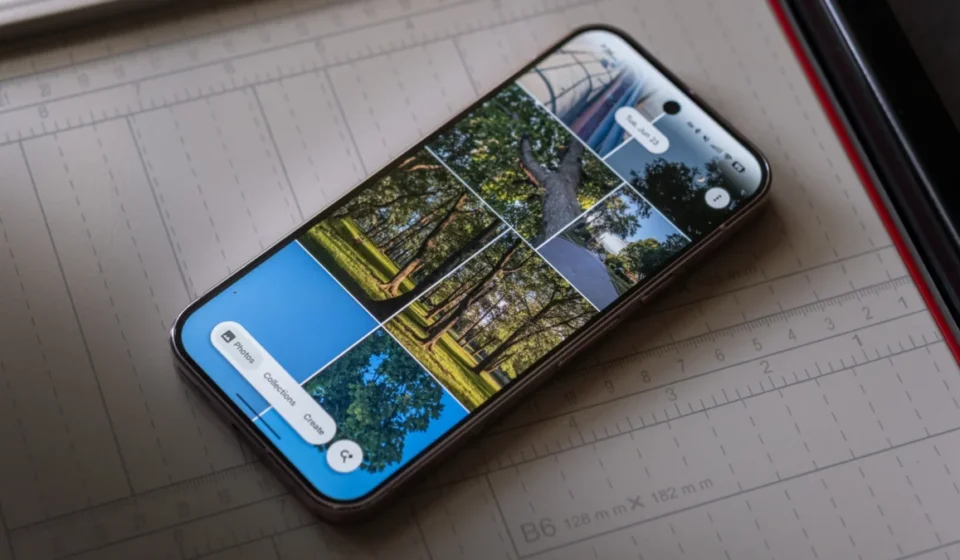
Google Photos Users Report Disappearance of Crucial Drag-to-Select Feature, Sparking Widespread Concern and Speculation.

The digital photo management landscape, dominated by giants like Google Photos, has been a cornerstone for billions of users worldwide, offering intuitive tools for organizing, sharing, and preserving precious memories. However, recent developments have cast a shadow of concern over the platform’s reliability, with a critical photo selection feature — the ability to drag and select multiple images — reportedly disappearing for a significant segment of its user base. This technical glitch follows closely on the heels of another contentious change involving search term guardrails, fueling discussions about Google’s ongoing app development and rollout strategies.
The Disappearing Act: Detailing the Problem
For years, a fundamental aspect of efficient photo management in Google Photos has been the "drag to select" functionality. This feature, lauded for its simplicity and time-saving capabilities, allows users to initiate multi-selection by long-pressing on a single photograph. Once activated, a user could then drag their finger across the screen, effortlessly highlighting and selecting a contiguous block of images, streamlining tasks such as bulk deletion, sharing, or moving photos into albums. This intuitive gesture has been a staple of modern touch interfaces, recognized across various applications for its efficiency.
However, a growing chorus of reports from Google Photos users indicates that this indispensable feature has inexplicably ceased to function. Users describe a scenario where tapping and holding an image still activates the multi-select mode, displaying the familiar checkboxes on each photo. Yet, upon attempting to drag their finger across the screen to select additional images, the intended action fails. Instead of extending the selection, the application merely scrolls the photo gallery vertically or horizontally, behaving as if multi-select mode were not active. This forces affected users to resort to the significantly more tedious method of individually tapping each desired photo, a process that can be incredibly time-consuming and frustrating when managing large collections. The sudden absence of this widely used shortcut has effectively crippled a core workflow for many, transforming a once seamless operation into a laborious chore.
Widespread Reports and User Frustration Across Platforms
The issue first gained significant traction on online community platforms, most notably Reddit, where numerous threads have emerged detailing the problem. Subreddits dedicated to Google Photos and Android devices have become focal points for users to share their experiences and seek solutions. One prominent Reddit post, titled "Drag-select multiple photos stopped working on my Pixel," quickly amassed dozens of comments, with users confirming that they too were experiencing the same malfunction. The outpouring of identical complaints underscores the widespread nature of the bug, indicating it is not an isolated incident but rather a systemic issue impacting a substantial portion of the user base.
What is particularly noteworthy about these reports is the diversity of affected devices. While Google’s own Pixel line, including models like the Pixel 9a, has been mentioned, the problem is far from exclusive to Google hardware. Users operating various Samsung Galaxy models, including recent flagship devices, and OnePlus phones have also reported the same loss of functionality. This cross-device prevalence suggests that the issue likely stems from a recent Google Photos application update rather than a device-specific software conflict or operating system bug. The fact that the bug is appearing on multiple Android ecosystems points to a core application change or error, rather than a hardware or manufacturer-specific problem.
Adding to the confusion, the bug’s presence is not entirely uniform. Some users report that the feature remains fully functional on their tablets, even as it has disappeared from their primary smartphone. Furthermore, anecdotal evidence from Android Authority staff writers indicates an inconsistent rollout, with one writer confirming the feature’s absence on their device, while another on a Pixel 6 Pro confirmed it was still working. This inconsistency further complicates troubleshooting and points towards a phased rollout of a problematic update, or perhaps an A/B testing scenario gone awry, where different user groups receive different app versions. Such patchy deployment patterns are not uncommon in large-scale software updates but can lead to significant user frustration when core functionalities are affected.
Google Photos’ Evolving Landscape: A History of Changes and Challenges
To understand the context of this recent technical snag, it is crucial to reflect on Google Photos’ journey and its significance in the digital ecosystem. Launched in 2015 as a standalone service, Google Photos quickly distinguished itself by offering unlimited high-quality storage, intelligent AI-powered organization, and a user-friendly interface. It rapidly grew to become the default photo management solution for billions, fundamentally changing how people stored and interacted with their digital memories. Its evolution from a simple photo gallery to a sophisticated platform integrating facial recognition, object detection, and advanced editing tools cemented its position as a market leader.
However, Google Photos has not been without its controversies and significant shifts. The most impactful change occurred in June 2021 when Google discontinued its free unlimited storage policy, transitioning to a model where all new uploads counted against a user’s Google Account storage quota, typically 15GB. This move, while financially understandable for Google, was met with considerable backlash from users who had grown accustomed to the "free forever" promise. It forced many to either purchase additional storage, migrate to alternative services, or meticulously manage their existing libraries.
More recently, the platform has seen other controversial changes, including the implementation of "search guardrails." Users began reporting that the app would no longer allow them to search for terms related to regulated or illicit substances, even if those terms were innocuous in context (e.g., a photo of a poppy flower being blocked for "opium"). While Google framed this as a measure to prevent misuse and adhere to ethical AI guidelines, it raised questions about censorship, user autonomy, and the potential for overreach in AI-driven content moderation. This incident, occurring just prior to the drag-to-select issue, paints a picture of a platform undergoing continuous, and at times contentious, modification. The current disappearance of the drag-to-select feature, therefore, is not an isolated incident but rather the latest in a series of user-impacting changes and potential regressions.
The Mechanics of Multi-Selection: Why It Matters for User Workflow
The "drag to select" feature, while seemingly minor in the grand scheme of a complex application, plays a disproportionately critical role in user efficiency and overall satisfaction. Modern digital cameras, especially those on smartphones, allow users to capture hundreds, if not thousands, of photos and videos with unprecedented ease. Managing these vast libraries effectively is paramount. The ability to select multiple items quickly is fundamental to almost any bulk operation:
- Sharing: When sharing a collection of photos from an event or vacation, individually tapping dozens or hundreds of images is impractical. Drag-to-select allows for rapid compilation of shared albums.
- Deletion: Clearing out unwanted or redundant photos is a frequent task. The feature enables swift removal of large batches of blurry shots, duplicates, or screenshots.
- Album Organization: Moving photos into specific albums (e.g., "Vacation 2024," "Family Events") becomes significantly more manageable when multiple images can be grouped and moved simultaneously.
- Editing: Applying batch edits, if available, often requires multi-selection.
- Backup/Download: For users managing their storage or downloading specific sets of images, the feature is indispensable.
Without this functionality, users are forced into a cumbersome, tap-by-tap selection process. For a user with a modest collection of 50 photos to manage, this might add a few minutes. For power users, professional photographers, or individuals with thousands of images from a single event, the added time and repetitive strain can be substantial, turning a five-second action into a five-minute ordeal, or even longer. This regression in user interface efficiency directly impacts productivity and elevates the cognitive load associated with photo management, potentially leading to increased frustration and reduced engagement with the platform.
Initial Speculation: Bug or Intentional Removal?
Given Google’s history of tweaking and occasionally removing features, the immediate question arising from the community has been whether the disappearance of drag-to-select is an intentional design choice or an unintended bug. The consensus among users and tech observers leans heavily towards the latter.
Several factors support the "bug" hypothesis:
- Core Functionality: Drag-to-select is a fundamental UI pattern for multi-item selection across virtually all modern operating systems and applications. Removing it without a clear, superior alternative would represent a significant regression in usability, a move highly uncharacteristic of a company that prides itself on user experience.
- Inconsistent Availability: The fact that the feature still works on some devices (e.g., tablets, specific phone models) while failing on others, even within the same user’s ecosystem (e.g., working on a tablet but not a Pixel phone for the same user), strongly suggests an error in deployment or a software conflict rather than a deliberate, uniform removal. If it were an intentional deprecation, Google would likely implement it across all supported platforms simultaneously and accompany it with an announcement.
- Lack of Announcement: Google typically communicates significant feature removals or changes, especially those impacting core functionality. The absence of any official statement or changelog entry regarding the removal of drag-to-select reinforces the idea that this is an oversight.
- User Outcry: The immediate and widespread negative reaction from the user base indicates that this feature is highly valued. Google is generally responsive to such community feedback, making a silent removal of a popular feature less likely.
Therefore, the most plausible explanation is that the drag-to-select functionality has been inadvertently broken or disabled as a side effect of a recent application update. This could be due to a coding error, a conflict with a new internal library, or an issue related to A/B testing that has gone awry for certain user groups.
Impact on User Workflow and Productivity
The implications of this bug extend beyond mere inconvenience. For millions of users who rely on Google Photos for personal and even professional purposes, the disruption to their workflow is significant. Imagine a social media manager attempting to select dozens of images for a campaign, or a parent curating photos from a child’s birthday party. What once took seconds now demands painstaking individual taps, interrupting the flow of creative or organizational tasks.
This regression can lead to:
- Increased Time Consumption: Tasks that were quick and seamless now require considerably more effort and time.
- User Frustration: The inability to perform a simple, expected action can quickly lead to frustration, diminishing the overall user experience and potentially fostering negative sentiment towards the application.
- Reduced Efficiency: For users managing large photo libraries, the cumulative effect of manually selecting items can significantly reduce their productivity.
- Platform Dissatisfaction: Persistent bugs or the removal of key features can erode user trust and satisfaction, potentially leading users to explore alternative photo management solutions.
- Accessibility Concerns: While not explicitly an accessibility feature, efficient multi-selection can be particularly beneficial for users with motor impairments who might find repeated precise tapping more challenging.
Google’s Response and the Path Forward
As of the latest reports, Google has not yet issued an official statement regarding the drag-to-select issue. Android Authority, like many other tech publications, has reached out to Google for comment and is awaiting a response. This silence, while typical in the early stages of a bug investigation, contributes to user uncertainty and frustration.
When Google does respond, it is highly probable that their statement will acknowledge the issue, confirm it as an unintended bug, and assure users that a fix is being actively developed. The typical resolution for such application-level bugs involves:
- Internal Investigation: Google’s engineering teams will analyze crash reports, user feedback, and recent code changes to pinpoint the root cause.
- Developing a Patch: Once identified, a fix will be coded and thoroughly tested.
- Phased Rollout: Similar to how updates are deployed, a fix will likely be rolled out in phases. This could mean initial availability to a small percentage of users, followed by a broader release once stability is confirmed. Users might receive an app update via the Google Play Store or through a server-side update that doesn’t require a manual download.
- Communication: Ideally, Google will communicate the resolution through its official channels, app update notes, or potentially through direct responses to user queries.
In the interim, affected users have few viable workarounds beyond the arduous task of individual selection. Some have reported that clearing the app’s cache or data, or even reinstalling the app, did not resolve the issue, further reinforcing that it is a server-side or core app version problem rather than a local configuration error.
Broader Implications for Google’s Ecosystem
This incident, alongside the earlier search guardrails issue, raises broader questions about Google’s approach to app development, quality assurance, and user communication. As a company that manages an ecosystem of billions of users across countless applications, the stability and reliability of its core services are paramount.
- Trust and Reliability: Frequent or significant bugs can erode user trust in Google’s products. Users expect a high level of polish and functionality from a company of Google’s stature.
- Quality Assurance: The widespread nature of this bug, affecting multiple devices and user groups, suggests potential gaps in Google’s quality assurance and testing protocols before deploying updates. Large-scale A/B testing can sometimes introduce unforeseen side effects if not meticulously managed.
- Competitive Landscape: While Google Photos remains a dominant force, the photo management market is not without competitors. Persistent issues could encourage users to explore alternatives like Apple Photos, Dropbox, or other third-party solutions that offer more consistent experiences.
- Communication Strategy: Proactive and transparent communication during such incidents can significantly mitigate user frustration. While Google often remains silent during initial investigations, a swift and clear update once the problem is identified is crucial.
User Perspectives and Community Engagement
The Reddit threads and other online forums serve as a microcosm of the wider user sentiment. Comments range from mild annoyance to outright exasperation. Users describe their daily struggles: "It’s taking me forever to clear out my camera roll now," one user lamented. Another expressed frustration, stating, "This is a basic feature, how could they break it?" Some users even shared their temporary coping mechanisms, such as transferring photos to a desktop to perform bulk actions, highlighting the significant disruption to mobile-first workflows. The community engagement also demonstrates the power of collective reporting, as individual issues coalesce into a clear, undeniable problem that Google eventually must address. This collective voice is often the primary driver for a swift resolution in the absence of official communication channels being utilized by users.
Looking Ahead: Anticipating a Resolution
While the current situation presents a significant inconvenience for many Google Photos users, the expectation is that Google will address and resolve this bug in due course. The drag-to-select feature is too fundamental to the application’s usability to remain broken indefinitely. The speed and transparency with which Google responds and implements a fix will be crucial in restoring user confidence and mitigating the negative impact. Users will be closely monitoring for upcoming app updates, hoping for the restoration of a feature that, until recently, was an indispensable part of their digital lives. The incident serves as a stark reminder that even the most robust and widely used applications require continuous vigilance in their development and deployment cycles to maintain the high standards users have come to expect.