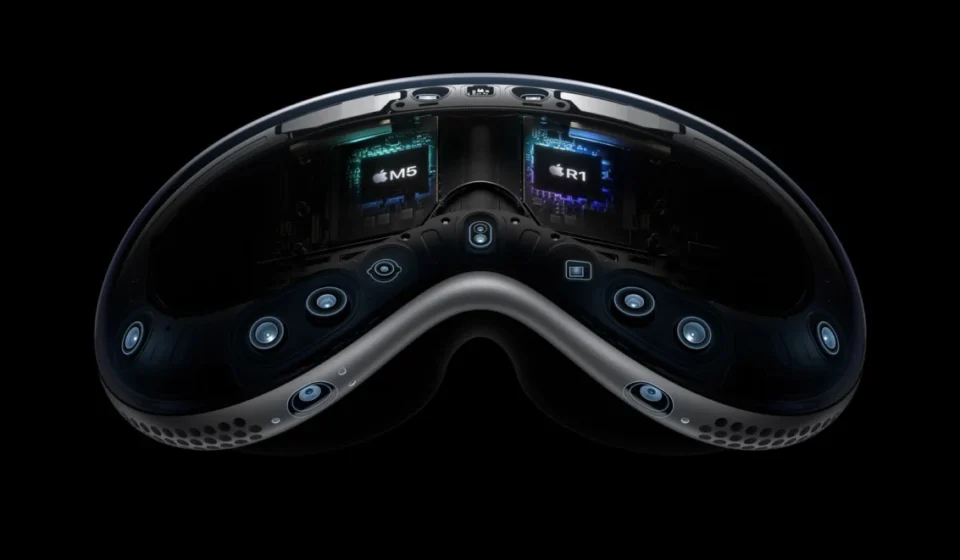

Apple is reportedly exploring four distinct design concepts for a "completely revamped" successor to its Vision Pro headset, with development potentially extending to late 2028 or early 2029. This ambitious endeavor, codenamed N224, signals a significant reassessment of the spatial computing device, according to insights from Bloomberg’s Mark Gurman. The company is grappling with fundamental design choices, including the potential adoption of an external computing module, a strategy already being employed by competitors like Meta.
The Shifting Landscape of Spatial Computing
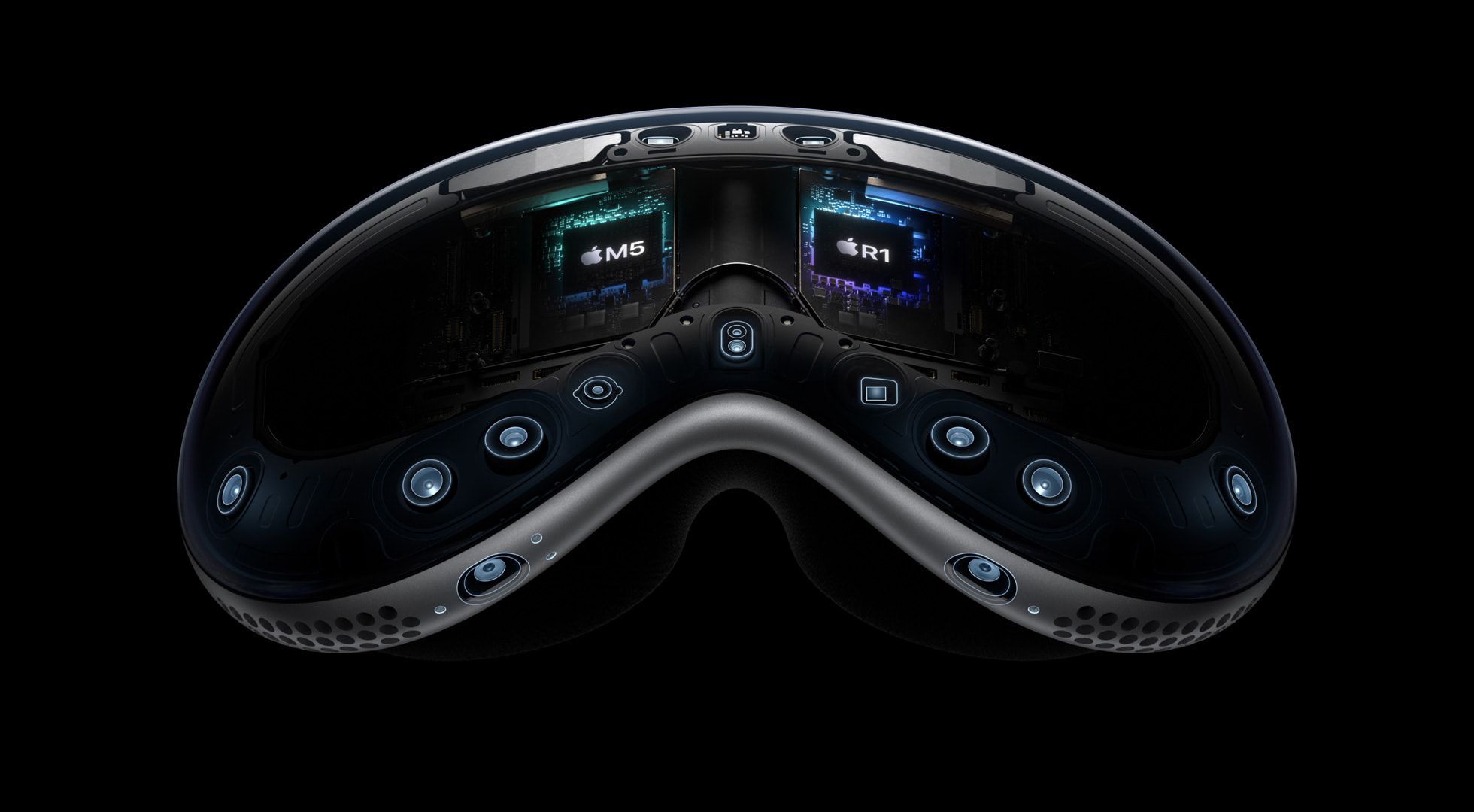
The original Apple Vision Pro, launched in February 2023, represented Apple’s bold entry into the nascent spatial computing market. While lauded for its technological prowess, including its high-resolution micro-OLED displays, advanced eye and hand tracking, and the powerful M2 and R1 chips, it also faced scrutiny for its substantial price point ($3,499 USD) and its considerable weight, leading to user fatigue during extended use. These challenges have evidently prompted Apple to reconsider its approach for the next generation of the device.
Gurman’s report indicates that the Vision team is actively investigating designs that could offload internal components, a move inspired by Meta’s forthcoming VR glasses. These anticipated Meta devices, slated for release in the spring of 2027, feature an external computing module that houses the battery and main processor, clipping to the user’s waist. Gurman, having previewed Meta’s headset, describes this module as comparable in size and weight to the current Vision Pro’s battery pack, but with a more ergonomic, grippy exterior.
This architectural shift aims to address a primary concern: the weight and thermal management of an all-in-one headset. By distributing some of the processing and power demands externally, Apple could potentially create a lighter, more comfortable device, thereby enhancing user experience and extending usability for applications beyond short, immersive sessions.
Internal Debates and Design Directions
Despite the exploration of external component designs, a significant internal hurdle remains. Senior Apple decision-makers reportedly view the "external puck concept" as a "poor user experience." This sentiment suggests a strong preference within Apple’s leadership for maintaining a more integrated, all-in-one design, reminiscent of the current Vision Pro’s form factor, albeit with substantial improvements. This internal friction highlights the complex balancing act Apple faces between technological innovation and user-centric design principles.
The exploration of multiple design concepts, particularly the consideration of offloading components, is not entirely new territory for Apple’s spatial computing ambitions. Gurman previously reported in June 2026 that Apple was working on a cheaper, lighter successor to the Vision Pro, distinct from the long-rumored "Vision Air" which was reportedly cancelled in October 2025. This earlier report already signaled Apple’s intent to refine the Vision Pro’s form factor and accessibility.
Material Innovations and Weight Reduction
Apple’s commitment to reducing the headset’s weight is evident in its active experimentation with various materials. The company is reportedly exploring the use of plastics, titanium, and other advanced metals and composites. This material science research is crucial for achieving a lighter, yet durable, chassis. The success of these material investigations will play a pivotal role in determining the final design and the device’s overall appeal to a broader consumer base.
The pursuit of a lighter and more affordable Vision Pro successor is a strategic imperative for Apple. The current iteration’s high cost has limited its adoption to early adopters and enterprise clients. A more accessible price point, coupled with a more comfortable design, could unlock the mass-market potential of spatial computing, a market Apple is clearly keen to dominate.
The Shadow of Smart Glasses and Project Uncertainty
Adding another layer of complexity to the Vision Pro’s future, Gurman’s report indicates that development on the next-generation headset is currently on "life support." This is largely attributed to Apple’s intensified focus on its next-generation smart glasses, which are reportedly targeted for release in late 2027. The development of these smart glasses, which are expected to offer a more discreet and pervasive augmented reality experience, appears to be consuming significant resources and strategic attention.
Despite the ongoing advocacy from senior leaders within the Vision Pro division to "keep the category alive, funded and growing at Apple," there remains a palpable uncertainty about the ultimate launch of a new headset. This precarious situation suggests that the future of Apple’s dedicated spatial computing headset is not guaranteed. The company’s strategic decisions will likely be influenced by the progress and market reception of its smart glasses, as well as the evolving landscape of augmented and virtual reality technologies.
Broader Implications for the XR Industry
The internal deliberations and potential design shifts at Apple carry significant implications for the broader extended reality (XR) industry. Apple’s past product launches have often set industry standards and driven consumer adoption. If Apple successfully navigates the challenges of creating a lighter, more comfortable, and potentially more affordable spatial computing device, it could significantly accelerate the mainstream adoption of XR technologies.
Conversely, if the Vision Pro successor faces further delays or is deprioritized in favor of smart glasses, it could signal a more cautious approach from Apple towards dedicated VR/AR headsets, potentially encouraging competitors to forge ahead with their own roadmaps. The industry is closely watching Apple’s moves, as they often serve as a bellwether for technological trends and market direction.
The success of the Vision Pro’s evolution hinges on Apple’s ability to resolve the inherent design paradoxes and to strategically align its spatial computing efforts with its broader hardware and software ecosystem. The exploration of four distinct concepts for N224 underscores the company’s commitment to finding the right path forward, even amidst considerable challenges and a rapidly evolving technological frontier. The coming years will be critical in determining whether Apple can solidify its position as a leader in the spatial computing era, or if its ambitious vision will remain a work in progress.