Google Pixel 11 Pro Fold Navigates Fiercely Competitive Foldable Landscape, Challenged by Robust Alternatives

Google’s latest entry into the burgeoning foldable smartphone market, the Pixel 11 Pro Fold, finds itself in a challenging position as it attempts to solidify its standing against well-established and aggressively innovating rivals. The North American foldable sector has matured into a highly competitive arena, with technology giants like Samsung and Motorola consistently pushing boundaries in design, performance, and user experience. While last year’s Google Pixel 10 Pro Fold struggled to gain significant traction, often overshadowed by sleeker and lighter alternatives, the Pixel 11 Pro Fold represents Google’s renewed effort to capture a larger segment of this premium market. Priced at a formidable $1,899, the device aims to be more competitive, boasting a thinner, lighter, and more refined chassis than its predecessor. However, despite these advancements, the Pixel 11 Pro Fold still presents a handful of compromises that potential buyers may weigh against the compelling offerings from its competitors. For consumers prioritizing raw performance, extended battery life, advanced multitasking capabilities, or simply a more innovative form factor, several worthy alternatives exist that could sway their purchasing decision away from Google’s newest foldable.
Google’s Evolution in the Foldable Space: A Chronology of Refinement and Compromise
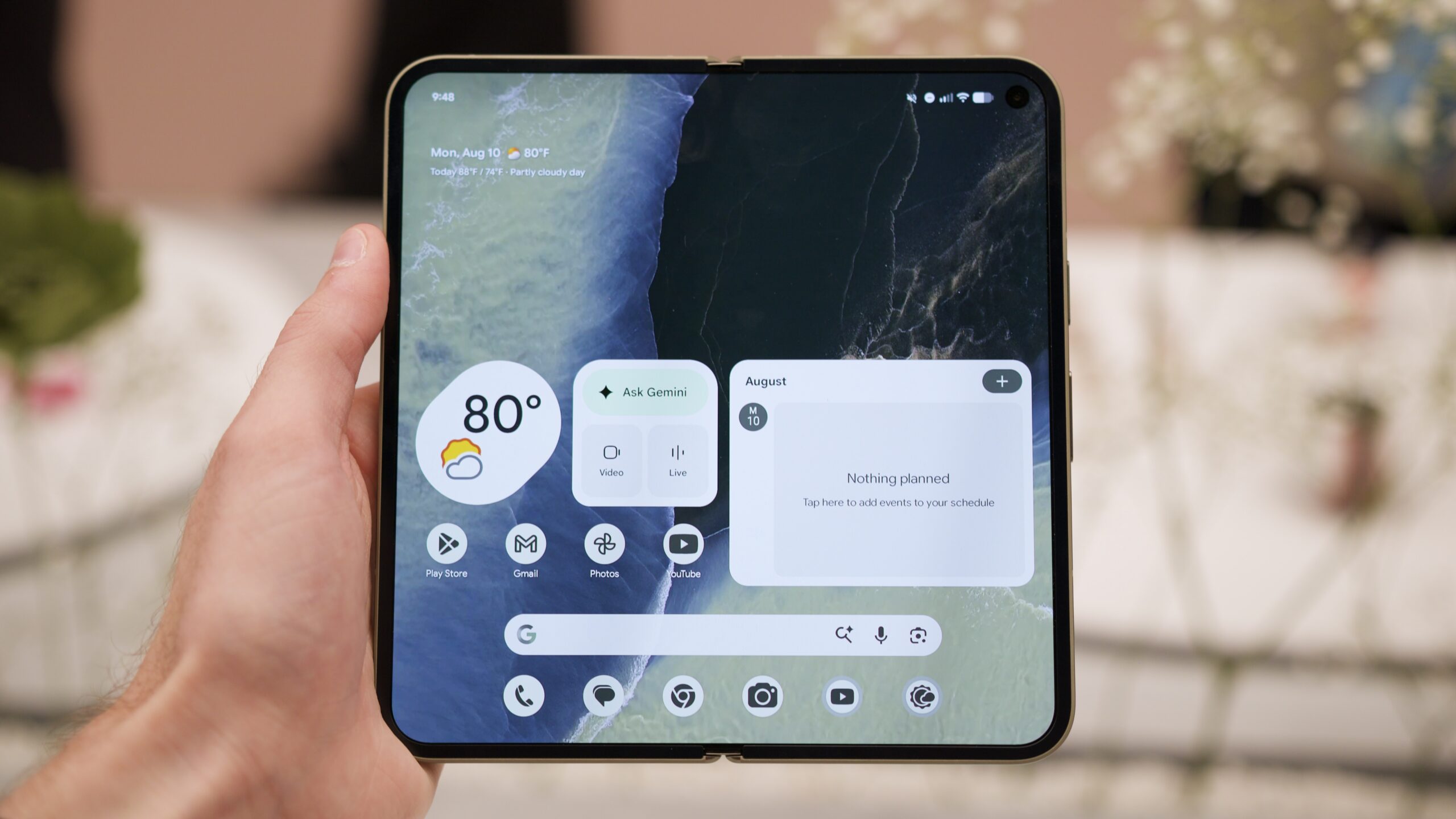
Google’s journey into the foldable market began with the original Pixel Fold, a device that, while groundbreaking for the company, was often criticized for its bulk and early-generation design quirks. The subsequent Pixel 10 Pro Fold saw incremental improvements but largely failed to make a significant impact against the rapidly evolving designs from Samsung and Motorola, which prioritized extreme thinness and lightness. With the Pixel 11 Pro Fold, Google has clearly responded to market feedback, focusing on a more streamlined physical profile. The device measures 10.1mm thick when folded and weighs 239 grams, representing a noticeable reduction from previous iterations. This design philosophy, however, necessitated certain trade-offs. Most notably, the battery capacity has been reduced to 4,750mAh, a downgrade from the 5,015mAh unit found in the Pixel 10 Pro Fold. This decision highlights a common dilemma in foldable design: balancing a svelte form factor with robust battery life.
Despite the battery reduction, Google has introduced some notable enhancements. The Pixel 11 Pro Fold incorporates magnetic Qi2.2 25W wireless charging, building upon the Pixelsnap compatibility introduced with the Pixel 10 Pro Fold. This addition enhances convenience and expands accessory ecosystems. On the processing front, the Pixel 11 Pro Fold is powered by Google’s Tensor G6 chip. While Google’s Tensor series has made strides in AI and machine learning capabilities, its raw computational power, particularly in sustained performance and graphics, has historically lagged behind Qualcomm’s flagship Snapdragon processors. This discrepancy becomes a critical factor in a high-end device like a foldable, where users expect uncompromising performance for demanding applications, gaming, and extensive multitasking. Furthermore, the camera system, featuring 10.5MP ultrawide and 10.8MP telephoto lenses, appears modest when compared to the multi-sensor, high-megapixel arrays offered by competing devices, potentially leaving photography enthusiasts wanting more. The Pixel 11 Pro Fold maintains a nearly square main display aspect ratio, which, while offering a tablet-like experience for certain applications, is suboptimal for widescreen video consumption, often resulting in large black bars.
Motorola Razr Fold: A Bold Statement in Battery and Cameras
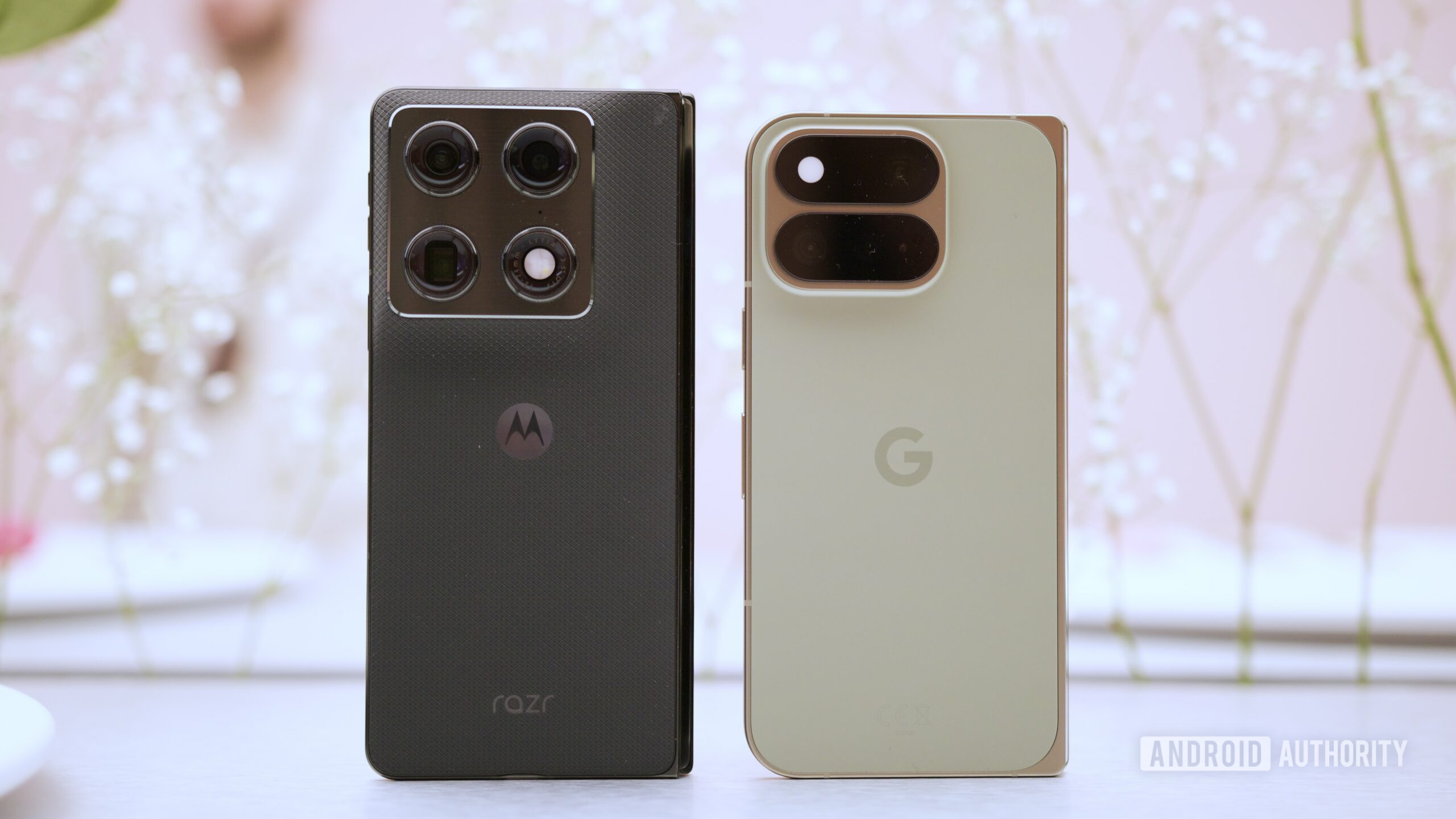
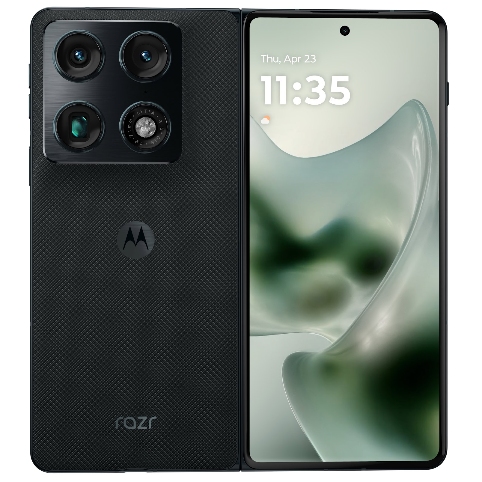
The Motorola Razr Fold emerges as a direct and compelling alternative to the Google Pixel 11 Pro Fold, particularly for those who prioritize robust hardware specifications and a distinct aesthetic. Motorola’s book-style foldable, while slightly thicker at 10.04mm and weighing 243 grams, ingeniously leverages its dimensions to house an impressive suite of features. It boasts an expansive 8.1-inch inner display, offering a more immersive viewing experience than the Pixel. The most significant advantage lies in its power source: a colossal 6,000mAh silicon-carbon battery. This dwarfs the Pixel 11 Pro Fold’s 4,750mAh lithium-ion unit and represents the largest battery found in any US-market foldable, addressing one of the primary concerns for power users. Furthermore, the Razr Fold supports blazing-fast 80W wired charging and 50W wireless charging, ensuring minimal downtime.
Under the hood, the Razr Fold is equipped with the Qualcomm Snapdragon 8 Gen 5 chip. Industry benchmarks and expert analyses consistently place Qualcomm’s top-tier Snapdragon processors ahead of Google’s Tensor chips in terms of raw CPU and GPU performance, making the Razr Fold a more appealing option for performance-intensive tasks. Priced identically to the Pixel 11 Pro Fold at $1,899, the Razr Fold doubles the base storage, offering superior value. Photography is another strong suit, with the Razr Fold featuring a versatile triple 50MP rear camera system, including a periscope zoom lens. This significantly surpasses the Pixel 11 Pro Fold’s more conservative camera setup, particularly its lower-resolution ultrawide and telephoto lenses. While Motorola’s distinctive vegan leather colorways may be an acquired taste, they undoubtedly offer a unique visual appeal. The primary drawback remains Motorola’s commitment to software updates, offering only three years of full Android OS upgrades, a policy that falls short of Google’s longer support windows for its Pixel devices. However, Motorola compensates with what many reviewers consider the best multitasking software among foldables, enhancing productivity and user experience.
Samsung Galaxy Z Fold 8: Redefining the Foldable Form Factor for Content Consumption
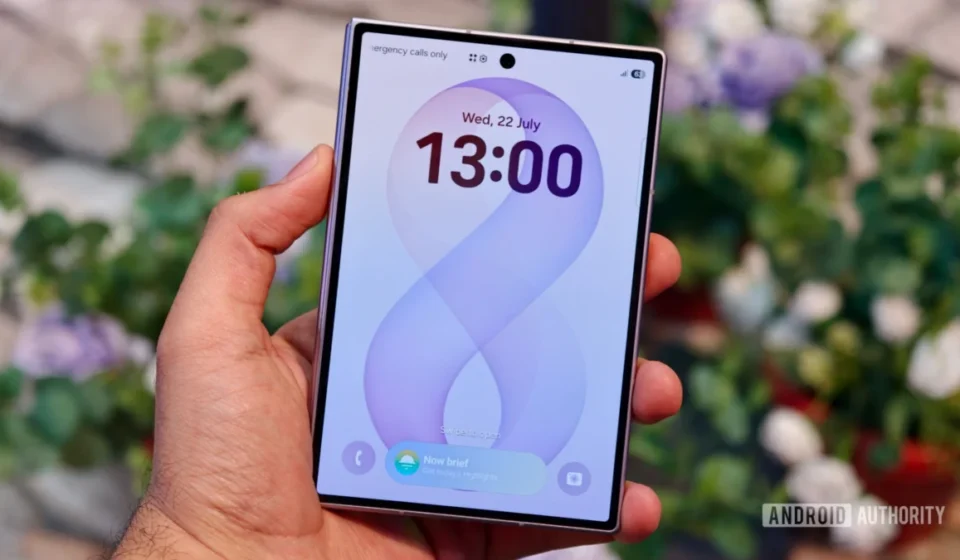
Samsung, a pioneer in the foldable market, continues to innovate, and its latest offering, the Galaxy Z Fold 8, marks a significant departure in design philosophy. Following the trend of prioritizing thinness, which Samsung largely initiated with the Galaxy Z Fold 7, the Z Fold 8 introduces a new short and wide form factor. This design choice is specifically tailored for enhanced gaming and content consumption, addressing a common pain point with previous foldables. While Google’s initial Pixel Fold adopted a similar passport-style form, the Pixel 11 Pro Fold reverted to a more traditional, nearly square main display. The Galaxy Z Fold 8, however, embraces a 4:3 main display aspect ratio, a deliberate decision to optimize the viewing experience for modern 16:9 widescreen videos, which often suffer from distracting black bars on squarer displays. This makes it ideal for movies, TV shows, and YouTube, as well as certain legacy TV formats and many popular mobile games.
This innovative wide shape does come with its own set of trade-offs. The device’s two screens are somewhat smaller, featuring a 5.5-inch cover display and a 7.6-inch folding display. While the inner screen excels at horizontal video, the cover display’s unusual aspect ratio may not be optimal for vertical content. Furthermore, the Galaxy Z Fold 8 notably omits a dedicated telephoto lens, a feature present in many premium smartphones. Despite these considerations, the Galaxy Z Fold 8 stands as a formidable alternative. It packs a larger 4,800mAh battery and is powered by the bespoke Snapdragon 8 Elite Gen 5 for Galaxy chip, an optimized version of Qualcomm’s flagship known for its superior performance and efficiency compared to Google’s Tensor G6. The Z Fold 8 also boasts a thinner and lighter build than the Pixel 11 Pro Fold. Priced at $1,899, identical to the Pixel 11 Pro Fold, Samsung’s offering provides a compelling blend of design innovation, performance, and the rich ecosystem of Galaxy AI features. While the Pixel 11 Pro Fold offers more base RAM, the overall package of the Z Fold 8 emphasizes a distinct user experience focused on multimedia.
Samsung Galaxy Z Fold 8 Ultra: The Pinnacle of Foldable Engineering

Recognizing that the standard Galaxy Z Fold 8’s new wide form factor might not appeal to all users, Samsung has also introduced the Galaxy Z Fold 8 Ultra. Positioned as the true successor to the Galaxy Z Fold 7, the Ultra model caters to users seeking the ultimate in foldable technology, irrespective of its premium price tag. Starting at $2,099, the Galaxy Z Fold 8 Ultra demands a significant investment but delivers an unparalleled hardware experience.
Its most striking feature is its incredibly slim profile, measuring a mere 8.9mm when folded, setting a new benchmark for thinness among US foldables. Weighing only 215 grams, it is not only lighter than the Pixel 11 Pro Fold but also surprisingly lighter than many traditional slab smartphones, including the Pixel 11 Pro XL. This achievement in thinness and lightness contributes significantly to the device’s premium feel. While achieving this svelte design, Samsung did opt to forgo Qi2 magnets, a feature present in the Pixel 11 Pro Fold. However, it makes no compromises on battery life, featuring a substantial 5,000mAh silicon-carbon battery that surpasses the Pixel 11 Pro Fold’s lithium-ion unit.
The Galaxy Z Fold 8 Ultra matches the Pixel 11 Pro Fold with a 6.5-inch cover display and an 8-inch folding display, but its internal specifications provide a clear advantage. It is also powered by the Snapdragon 8 Elite Gen 5 for Galaxy chip, which has been independently benchmarked to significantly outperform the Pixel 11 Pro Fold’s Tensor G6 processor, especially in demanding applications. Photography is another area where the Ultra shines, inheriting the powerful camera system from the Galaxy S26 Ultra, featuring a staggering 200MP primary shooter and a 50MP ultrawide lens. While the 10MP 3x telephoto camera could be sharper, the overall camera prowess is significantly superior to Google’s offering. The Pixel 11 Pro Fold’s magnetic Qi2.2 25W charging and IP68 durability rating remain key advantages, but on paper, the Galaxy Z Fold 8 Ultra represents a more complete and technologically advanced foldable package, embodying Samsung’s commitment to flagship innovation.
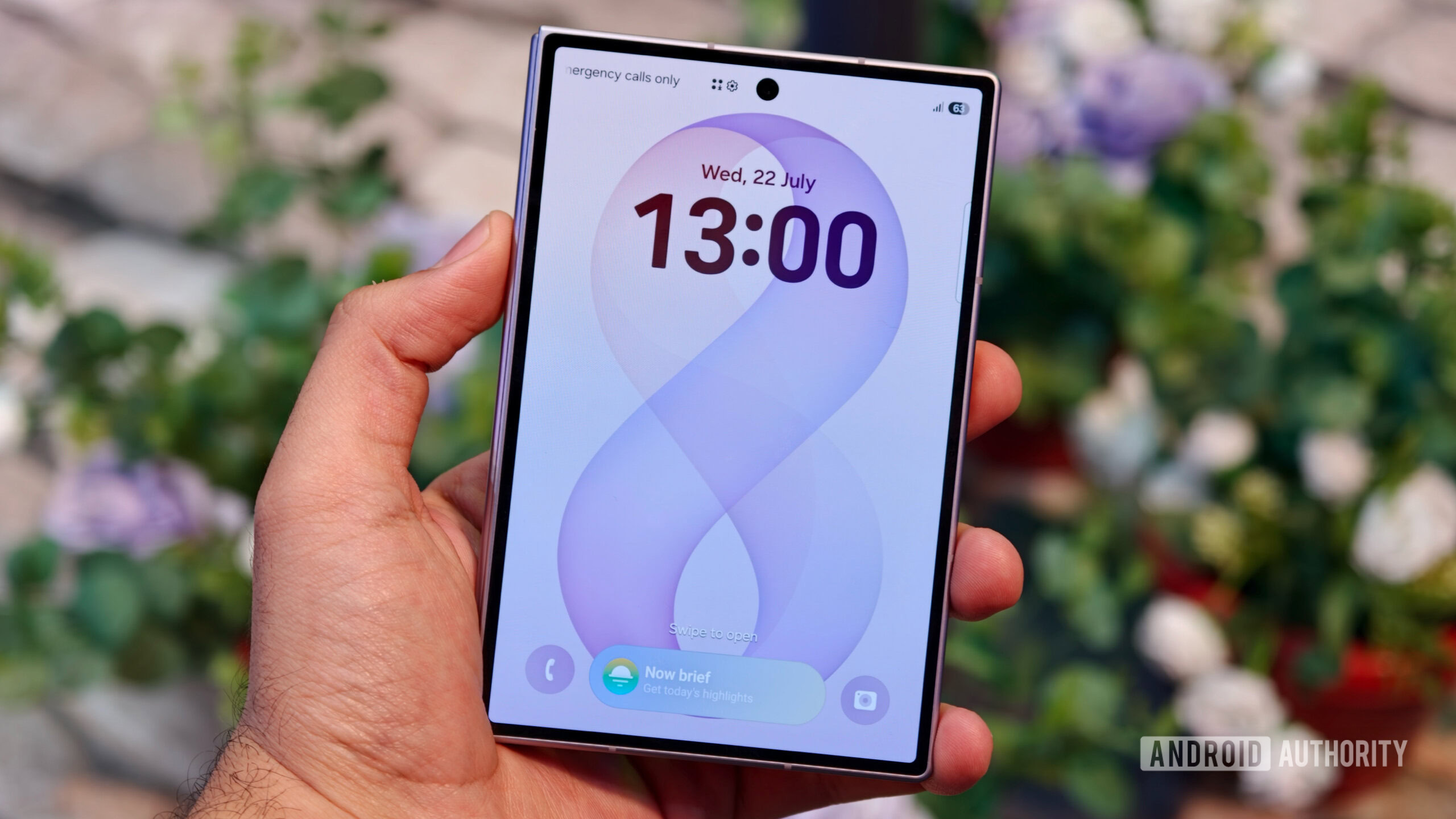
Motorola Razr Ultra (2025): The Value Proposition of a Clamshell Foldable
For consumers whose foldable aspirations don’t align with the book-style format or the premium price point of the Pixel 11 Pro Fold, a clamshell foldable like the Motorola Razr Ultra (2025) presents a compelling and significantly more affordable alternative. While Google does not offer a flip phone, the Razr Ultra (2025), though a generation old, remains highly relevant in the market. Its original retail price of $1,299 has now dropped considerably, often available for less than $800, making it an attractive option for those seeking an Android foldable without the hefty investment. This price point stands in stark contrast to the $1,899 cost of the Pixel 11 Pro Fold.
The primary compromise with a year-old device like the Razr Ultra (2025) is its software support cycle; having already used one of its three guaranteed Android OS upgrades, its longevity in terms of receiving the latest OS features is shorter. However, for many, the substantial cost savings outweigh this consideration. In terms of specifications, the Razr Ultra (2025) is surprisingly capable. It runs on the same Snapdragon 8 Elite chip as its newer 2026 counterpart, ensuring robust performance that still holds up well in 2026 and likely surpasses the Tensor G6 in raw processing power. It also offers double the storage capacity compared to the base Pixel 11 Pro Fold. The device features a respectable 4,700mAh battery, closely matching the Pixel 11 Pro Fold’s capacity, and supports faster 68W wired charging.

The Razr Ultra (2025)’s 7-inch main screen provides a familiar smartphone experience, akin to larger traditional phones like the Pixel 11 Pro XL, but it does not replicate the expansive, tablet-like inner display of a book-style foldable. Therefore, the decision between the Razr Ultra (2025) and the Pixel 11 Pro Fold largely hinges on whether the unique capabilities of a large-screen foldable justify a price tag that is more than twice that of Motorola’s last-generation flip phone. It represents a practical choice for budget-conscious consumers who desire the compact form factor and stylistic appeal of a flip phone without sacrificing core performance.
The Original Google Pixel Fold: An Unexpectedly Strong Budget Contender
For those unwavering in their preference for a Google Pixel foldable experience, but find the Pixel 11 Pro Fold’s price prohibitive, the original Google Pixel Fold offers a surprisingly compelling and affordable alternative, particularly in 2026. Often available new for around $600, and even half that for used or refurbished models, the Pixel Fold has undergone a significant value transformation since its initial $1,799 MSRP. This price adjustment places it within reach of a much broader audience, making it a viable option for those intrigued by the Galaxy Z Fold 8’s wider aspect ratio and Google’s software ecosystem.
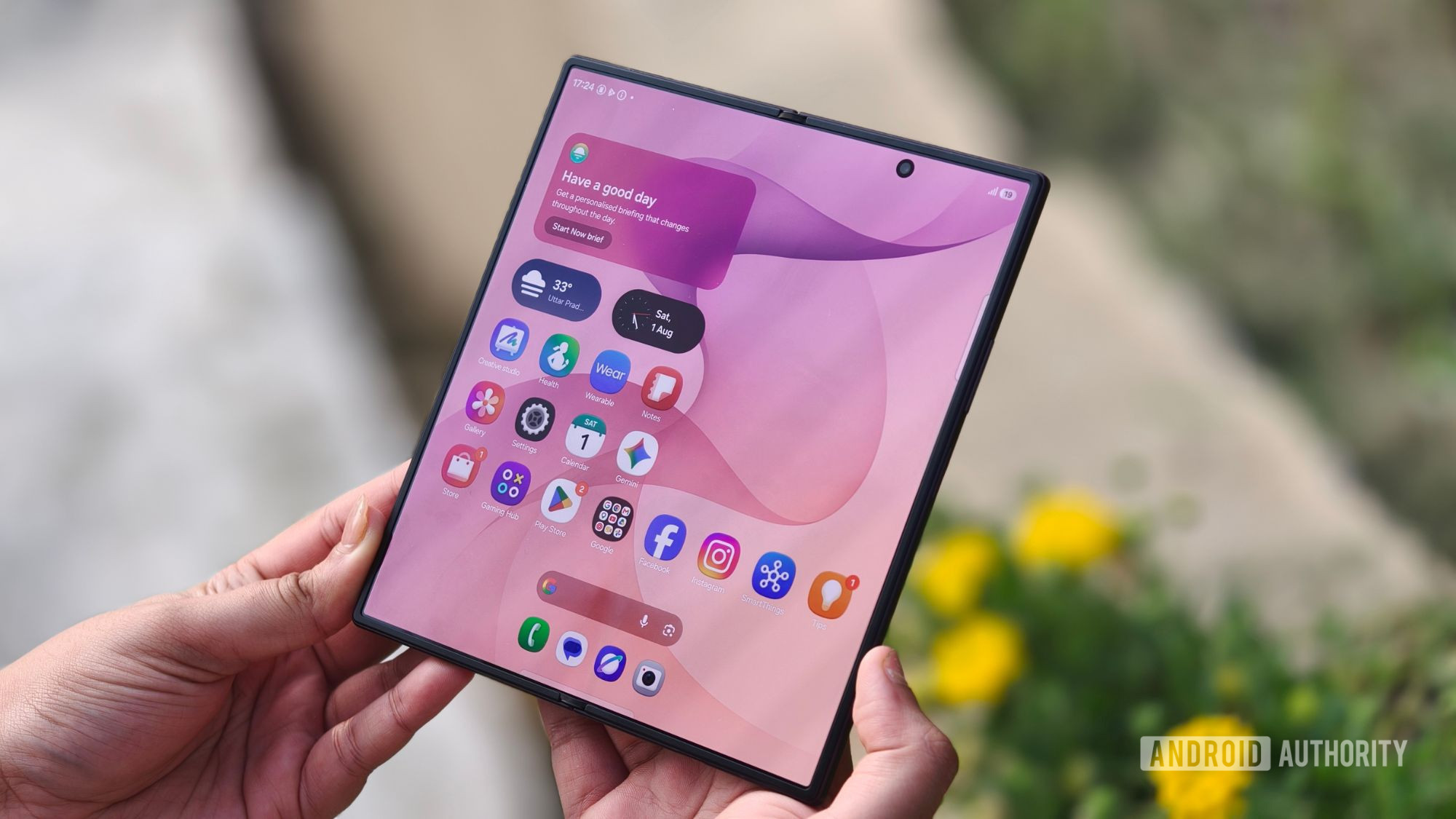
While the original Pixel Fold was Google’s inaugural attempt at a foldable and exhibited some first-generation drawbacks—such as its considerable thickness, weight, prominent bezels, and a main display that occasionally struggled to lie completely flat—its core strengths remain relevant. Running Android 17 and boasting a wider foldable aspect ratio (a 7.6-inch folding display and a 5.8-inch cover screen) that is now seeing a resurgence in popularity with devices like the Galaxy Z Fold 8, the Pixel Fold offers a distinct user experience. Its Google Tensor G2 chip, while known for a propensity to overheat under extreme loads, still delivers adequate performance for most tasks in 2026, supported by a generous 12GB of RAM. The 4,821mAh battery capacity also holds its own against many contemporary flagships.
The Pixel Fold benefits from Google’s signature computational photography and exclusive Pixel features, providing a clean and intuitive Android experience. Its current market price completely reshapes its value proposition, positioning it as a capable hybrid between the Pixel 11 Pro Fold and the Galaxy Z Fold 8, but at a fraction of their cost. For consumers willing to overlook some of its initial design imperfections, the original Pixel Fold offers an accessible entry point into the large-screen foldable market, delivering a robust Pixel experience for less than the cost of a standard Pixel 11 model.
Broader Implications and Market Dynamics
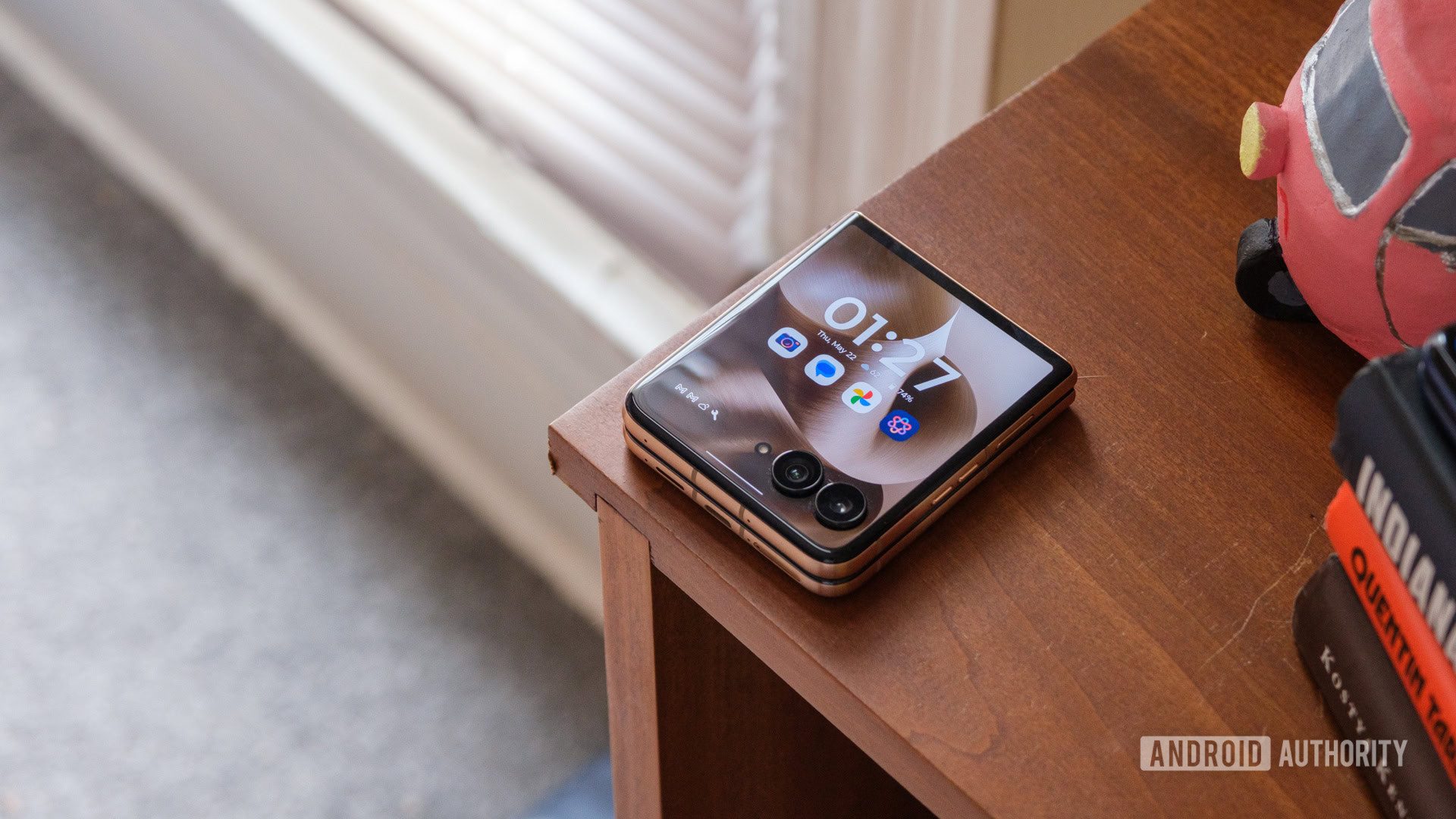
The competitive landscape of the North American foldable market in 2026 underscores a rapid pace of innovation and a clear segmentation of offerings. Google’s Pixel 11 Pro Fold, while a step forward for the company, finds itself in a challenging position against rivals that excel in specific areas. Samsung continues to lead with both cutting-edge engineering (Z Fold 8 Ultra) and design experimentation (Z Fold 8), offering diverse form factors and top-tier performance. Motorola is carving out a niche with aggressive hardware specifications, particularly in battery life and camera technology, even if its software update policy lags behind. The emergence of strong last-generation alternatives, like the Motorola Razr Ultra (2025) and the original Google Pixel Fold, at significantly reduced prices, further complicates the market by offering compelling value propositions that challenge the necessity of investing in the absolute latest models.
For consumers, this competitive environment is largely beneficial, offering a wider array of choices tailored to different priorities—whether it’s the thinnest design, the longest battery life, superior camera capabilities, optimized multimedia consumption, or sheer affordability. The $1,899 price tag of the Pixel 11 Pro Fold positions it firmly in the premium segment, where expectations for uncompromising features and performance are highest. Google’s strategy with the Tensor G6 and its camera setup, while leaning on computational photography and a clean Android experience, faces a rigorous test against rivals offering more powerful conventional hardware. The ongoing evolution of foldable technology, including advancements in hinge mechanisms, display durability, and battery chemistries (like silicon-carbon), suggests that the market will continue to diversify, pushing manufacturers to innovate constantly to capture and retain market share. The ultimate success of the Pixel 11 Pro Fold will depend on whether its blend of Google’s software prowess and refined design can overcome the formidable hardware and innovative form factors presented by its increasingly sophisticated alternatives.