I thought losing Flex Mode would ruin the Galaxy Z Fold 8 — I was completely wrong

Samsung’s latest iteration in its pioneering foldable smartphone series, the Galaxy Z Fold 8, marks a significant departure from established norms, particularly concerning its hinge mechanism and the subsequent omission of the widely recognized Flex Mode. This strategic redesign, aimed at enhancing the core user experience of unfolding and interacting with the large internal display, has positioned the Z Fold 8 as a device that prioritizes immediate accessibility and content consumption over the multi-functional versatility that Flex Mode previously offered. The initial announcement of the Z Fold 8’s specifications, including its unique 16:10 cover screen and 4:3 main screen aspect ratios, immediately piqued the interest of tech enthusiasts and consumers seeking an optimized widescreen viewing experience in a compact form factor. However, the revelation that Flex Mode, a staple of Samsung’s foldable ecosystem since the Galaxy Z Flip 3, would be absent, initially caused a stir among long-time foldable users.
The Genesis of the Galaxy Z Fold 8: A Shift in Design Philosophy
The development of the Galaxy Z Fold 8 was underpinned by a clear intent to refine the foldable experience, moving beyond incremental updates to introduce a more fundamental shift in interaction. For years, Samsung has led the charge in the nascent but rapidly growing foldable market, consistently pushing the boundaries of what smartphone form factors can achieve. Each generation of the Galaxy Z Fold and Z Flip series has brought improvements in durability, display technology, and software integration. With the Z Fold 8, the focus appears to have narrowed to the primary act of unfolding and utilizing the expansive internal screen.
When the specifications for the Z Fold 8 were first circulated, the proposed aspect ratios were met with considerable enthusiasm. The 16:10 cover screen promised an ideal canvas for widescreen videos and everyday app usage, making the device feel more like a traditional smartphone when closed, a common critique of previous, narrower Fold models. Similarly, the 4:3 main screen was envisioned as perfect for media consumption and productivity, offering a more balanced view than some of its predecessors. While minor adjustments like a slightly smaller battery capacity and a dual-camera system on the rear were noted, they did not detract significantly from the device’s overall appeal. The real point of contention, or rather, initial concern, was the confirmed absence of Flex Mode.
Understanding Flex Mode: A Legacy Feature
To fully appreciate the significance of Flex Mode’s departure from the Z Fold 8, it is crucial to understand its role and impact on Samsung’s foldable line-up. Flex Mode is a cornerstone feature that leverages the unique hardware capabilities of Samsung’s foldable hinges, allowing the device to be propped open at various angles, much like a mini-laptop. This partially folded posture triggers specialized software interfaces within One UI, Samsung’s custom Android overlay, to optimize the user experience for the split screen.
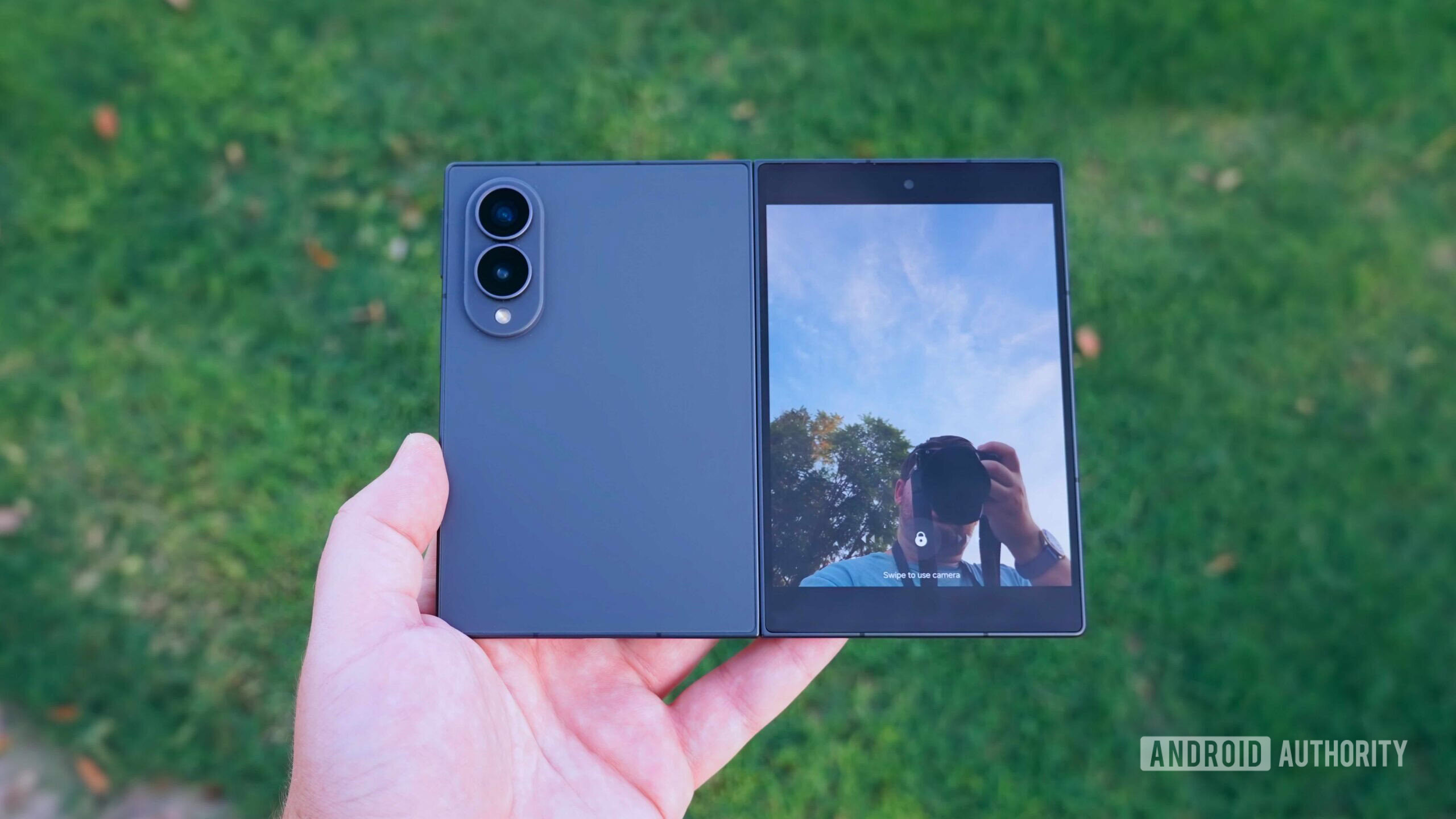
Historically, Flex Mode has offered a suite of intuitive functionalities. For instance, when watching videos, the content would display on the upper half of the screen, while media controls, playback options, and comments would reside on the lower half. In productivity applications, the lower screen could transform into a virtual trackpad or keyboard, freeing the upper display for primary content. This hands-free viewing and interaction paradigm proved particularly popular for users who frequently consumed media or engaged in light productivity tasks on a desk or table. Many, including the author, had grown accustomed to this mode, viewing it as an indispensable part of the foldable value proposition. The Galaxy Z Flip series, in particular, utilized Flex Mode extensively for hands-free selfies and video calls, further cementing its utility across Samsung’s foldable portfolio. Its presence on models like the Galaxy Z Flip 3 onwards established an expectation that all premium Samsung foldables would inherently support this versatile mode.
The Hinge Revolution: A Deep Dive into the Z Fold 8’s Core Innovation
The decision to forgo Flex Mode on the Galaxy Z Fold 8 was not an arbitrary product segmentation tactic, but rather a direct consequence of a fundamental re-engineering of the device’s hinge mechanism. Samsung has openly stated that the Z Fold 8 features a new hinge designed to offer a "smoother, lighter, and more natural" unfolding experience. This innovation is attributed to a combination of factors: a new titanium-based display structure, refined hinge mechanics, and the strategic application of magnetic force.
Previous Samsung foldable hinges, while robust and capable of holding multiple fixed positions, often presented a degree of resistance throughout the unfolding process. This resistance was necessary to maintain the structural integrity required for Flex Mode’s various angles. While impressive, it meant that opening the device fully often required a deliberate two-handed effort and a noticeable amount of force.
The Z Fold 8’s new hinge operates on a different principle. Instead of maintaining consistent resistance throughout the entire arc of opening, it employs a progressive mechanism. For approximately the first three-quarters of the unfolding motion, users encounter a familiar, albeit perhaps slightly lighter, resistance. This initial phase requires manual effort. However, as the device approaches the fully open position—specifically, once it crosses roughly the 75% threshold—the new hinge mechanics, coupled with enhanced magnetic forces, take over. The device then "snaps" open, completing the unfolding motion with minimal further user input.
This sensation can be likened to the self-centering mechanism of a car’s steering wheel. When a driver turns the wheel, they apply force, but upon releasing their grip, the wheel naturally returns to the center. Similarly, with the Z Fold 8, the user initiates the unfolding, but the hinge’s intelligent design finishes the action, pulling the device into its fully open, flat state with satisfying fluidity. This innovative approach significantly reduces the perceived "friction" associated with accessing the main display, transforming what was once a deliberate action into an almost instinctive one.
From Friction to Fluidity: The Impact on User Experience
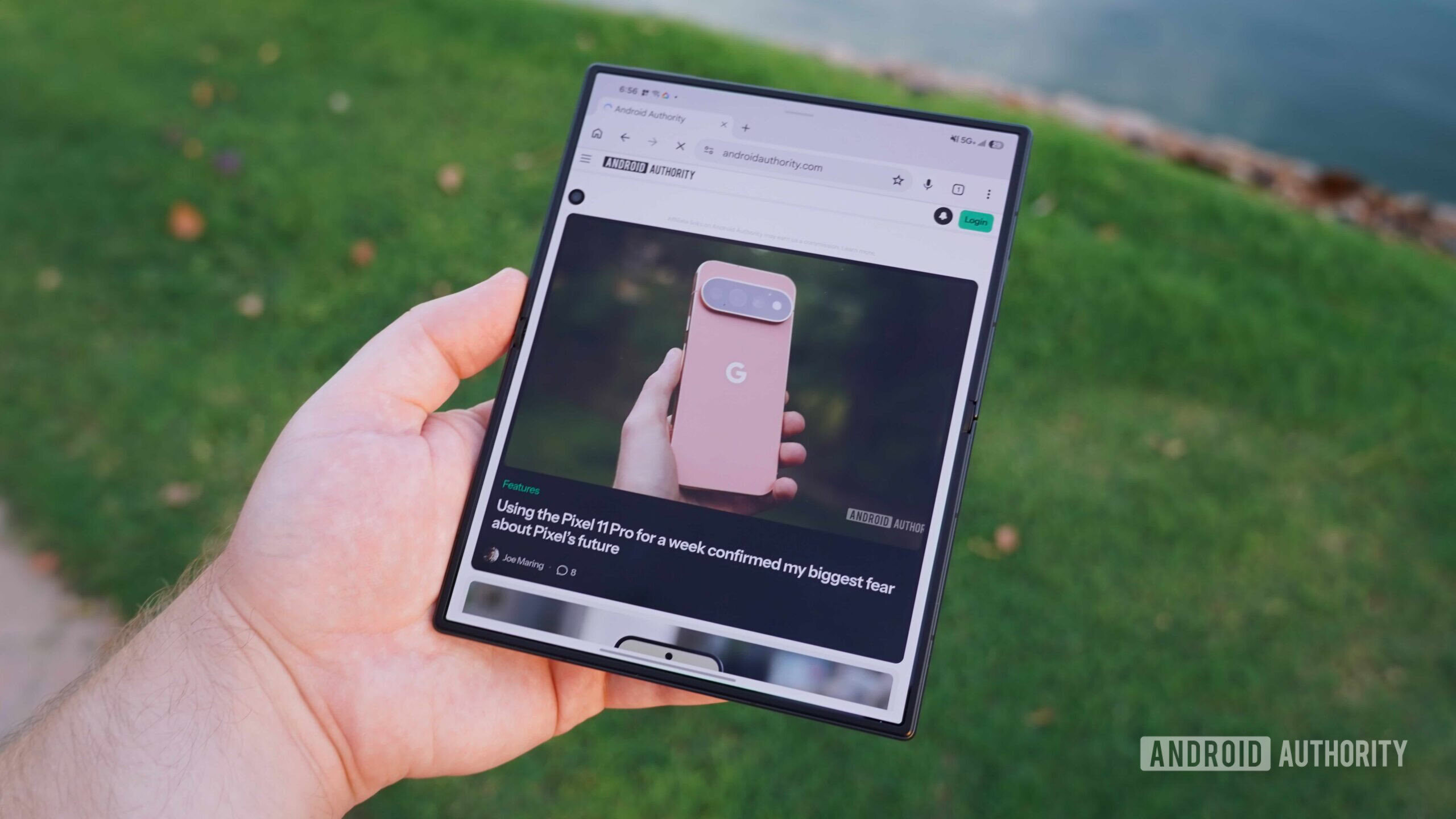
The implications of this hinge redesign for the everyday user experience are profound. One of the most common observations about previous foldable devices, even as they gained popularity, was that many users tended to rely heavily on the smaller cover screen. The perceived effort, however slight, of unfolding the device often acted as a barrier, causing users to default to the more immediate, single-screen experience. The Z Fold 8 directly addresses this friction point.
By making the act of opening the phone significantly easier and more gratifying, Samsung has subtly, yet powerfully, encouraged greater engagement with the device’s core selling proposition: its expansive 7.6-inch folding display. What was once a chore that required two hands and a conscious decision now feels more like an automatic, seamless transition. This newfound ease has a direct impact on how users interact with the Z Fold 8. Tasks that might previously have been relegated to the cover screen—such as quickly checking messages, browsing short articles, or even just scrolling through social media—are now more frequently performed on the larger, more immersive internal display.
This shift in user behavior is crucial for justifying the premium price tag associated with foldable technology. At an approximate price point of $1,899, the Galaxy Z Fold 8 is a significant investment. For the folding screen to truly deliver value, it must be used extensively. By removing a key impediment to its use, Samsung has enhanced the perceived utility and overall worth of the device. The argument that the folding display wasn’t used enough to justify its cost and bulk, a common sentiment among early foldable adopters, is effectively countered by the Z Fold 8’s design philosophy.
Navigating the Loss of Flex Mode: The Rise of Tent Mode
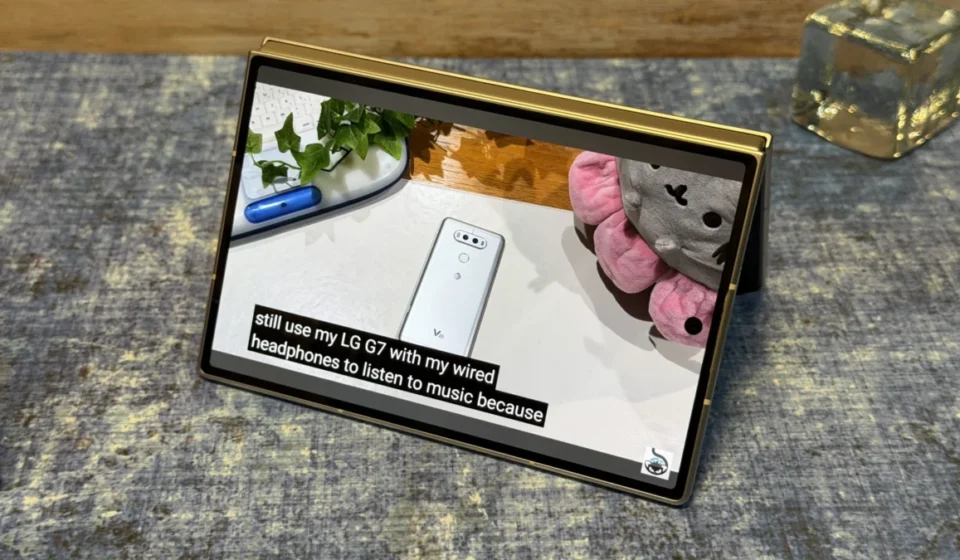
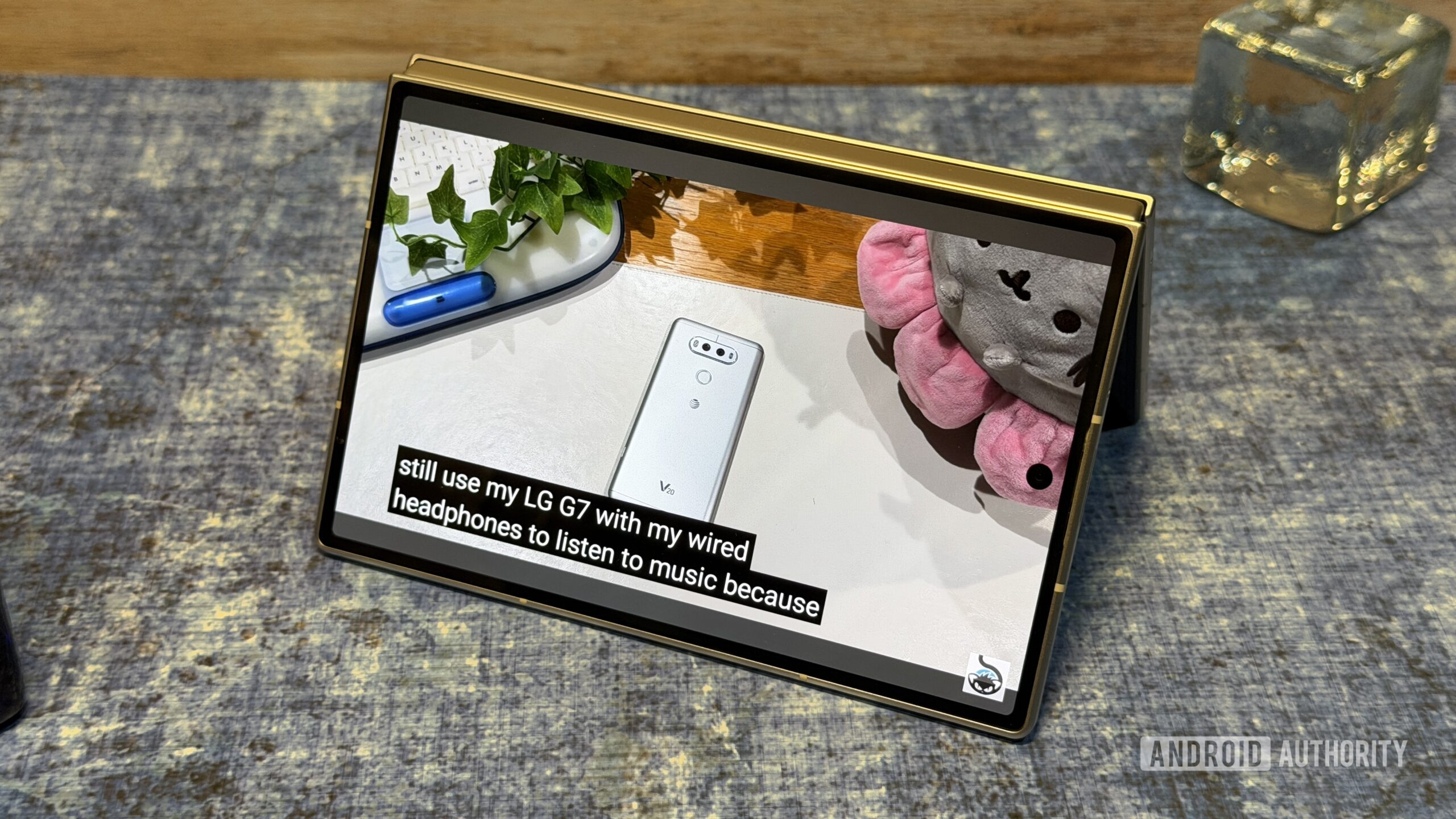
While the initial surprise of Flex Mode’s absence was palpable, the practical experience with the Z Fold 8 reveals that its core utility—propping the device up for hands-free viewing—can still be achieved effectively, albeit through a different method: "tent mode."
Tent mode involves partially opening the Z Fold 8 and resting it on its edges, forming an inverted ‘V’ shape, or a "tent." In this configuration, the device’s 16:10 cover screen remains active and perfectly positioned at an ideal viewing angle for content consumption. This allows users to watch videos, conduct video calls, or follow recipes without holding the device, mirroring the primary benefit many users sought from Flex Mode.
There are, however, distinct differences and trade-offs when comparing tent mode to the traditional Flex Mode. The most notable drawback is the absence of the sophisticated One UI software optimizations that accompanied Flex Mode. Features like the virtual trackpad, split-screen media controls, and context-aware UI adjustments are not available in tent mode. Users must interact directly with the cover screen for playback controls or timeline scrubbing, which, while a minor inconvenience, does represent a step back in software integration.
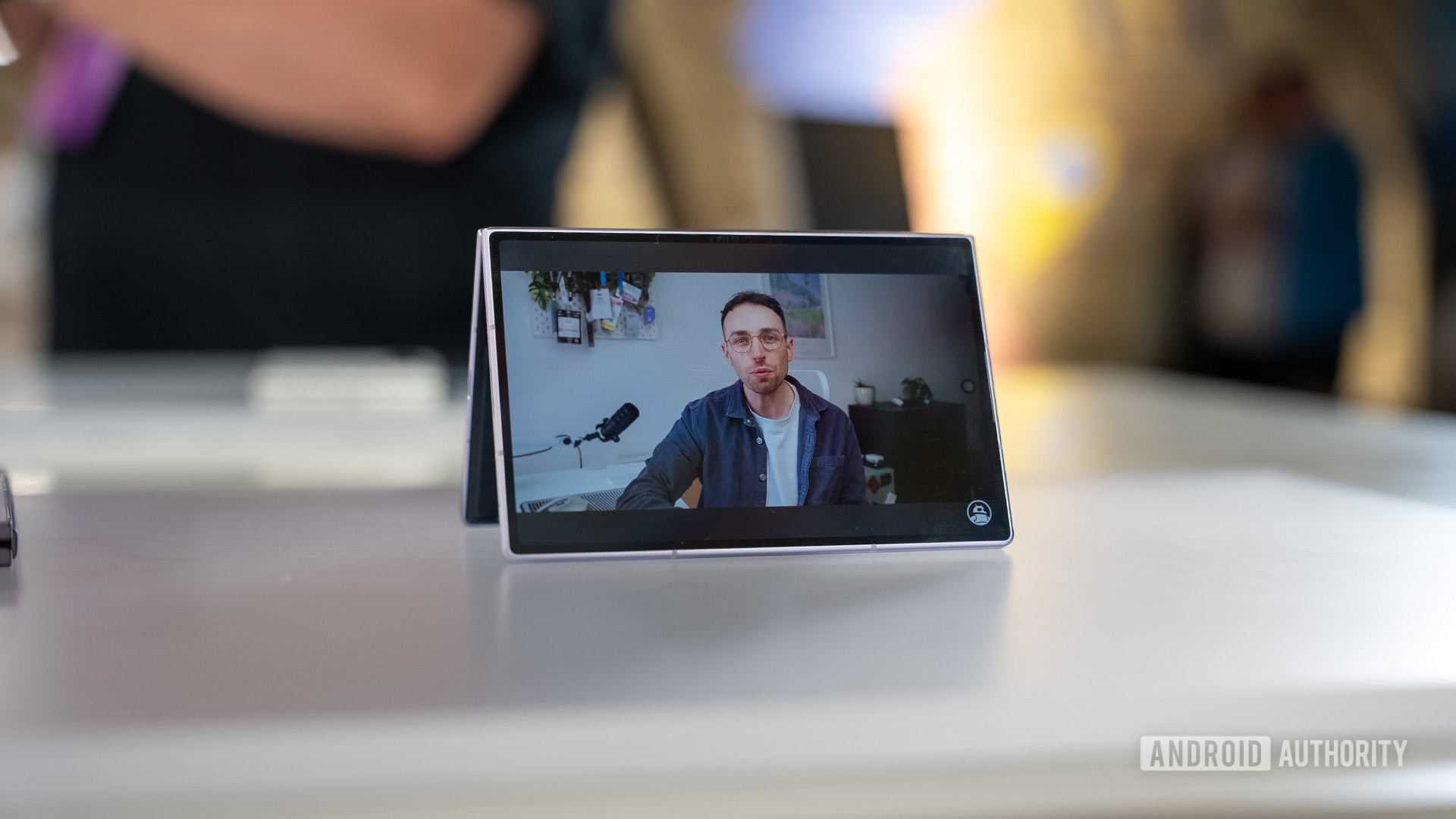
Despite this, tent mode on the Z Fold 8 offers compelling advantages. Its inherent stability is often superior to Flex Mode on previous models. The thinner and lighter form factor of newer Samsung foldables, combined with increasingly prominent rear camera bumps, sometimes made finding a perfectly stable Flex Mode position challenging. Tent mode, by leveraging the device’s folded edges as a stable base, often feels more secure. Furthermore, for users concerned about cosmetic wear, tent mode avoids resting the cover screen directly on flat surfaces, which was a common practice with Flex Mode and could lead to minor scratches over time. The Z Fold 8’s 16:10 cover screen also plays a pivotal role here, as its wider aspect ratio is almost perfectly suited for widescreen content, minimizing black bars and providing an immersive viewing experience without needing to zoom in.
Strategic Differentiation: Z Fold 8 vs. Z Fold 8 Ultra
The decision to remove Flex Mode from the standard Galaxy Z Fold 8 but retain it on the premium Galaxy Z Fold 8 Ultra and the Galaxy Z Flip 8 highlights Samsung’s evolving product segmentation strategy. This is not merely about feature parity but about tailoring devices to specific user demographics and use cases.
The Galaxy Z Fold 8 Ultra, designed for peak productivity and multitasking, benefits significantly from Flex Mode’s enhanced software features. Users of the Ultra model are likely to engage in more intensive work, utilizing the virtual trackpad, multi-window management, and specific app optimizations that Flex Mode provides. Similarly, the Galaxy Z Flip 8, with its clamshell design, leverages Flex Mode for hands-free photography, video calls, and a compact media viewing experience. For these devices, Flex Mode remains a crucial part of their value proposition.
Conversely, the Galaxy Z Fold 8, with its refined hinge and focus on seamless unfolding, appears to be targeting users who prioritize an effortless, immediate large-screen experience, particularly for content consumption and general smartphone use. The design choice suggests that for this segment, the added "friction" of a hinge capable of holding multiple fixed positions, and the associated bulk or design compromises, outweighed the benefits of Flex Mode’s software-driven enhancements. Samsung has effectively made a calculated trade-off: a smoother, more natural full-screen experience for the Z Fold 8, even if it means losing some of the multi-mode software magic. This allows the Z Fold 8 to cater to a broader audience seeking a premium, yet incredibly fluid, foldable smartphone.
Broader Implications for the Foldable Market
The Galaxy Z Fold 8’s hinge innovation and the strategic re-evaluation of Flex Mode’s necessity carry broader implications for the future of foldable smartphone design. It suggests a maturation of the foldable market where manufacturers are moving beyond simply "making it fold" to refining the fundamental interactions.
This shift could influence other manufacturers to explore similar hinge mechanisms that prioritize ease of opening over fixed-angle versatility. The industry might see a divergence in foldable design philosophies: some devices continuing to emphasize multi-mode software integration (like the Z Fold 8 Ultra), while others focus on a more streamlined, "always open" or "easily open" approach to the main display.
Furthermore, this development underscores the ongoing challenge of balancing hardware innovation with software feature sets. As foldable hardware becomes more sophisticated, designers must continually assess which software features genuinely enhance the user experience and which might inadvertently introduce complexity or compromise other design goals. The Z Fold 8’s success in making the folding display more accessible for everyday use could redefine what constitutes a "premium" foldable experience, shifting the emphasis from an exhaustive list of niche features to a universally improved core interaction.
In conclusion, the Samsung Galaxy Z Fold 8 represents a bold step in foldable phone evolution. While the initial absence of Flex Mode caused some apprehension, the revolutionary new hinge mechanism has transformed the device’s usability. By prioritizing a smoother, lighter, and more natural unfolding process, Samsung has significantly lowered the barrier to entry for utilizing the expansive main display, turning what was once a deliberate action into an almost effortless one. This improved accessibility, coupled with the effective "tent mode" for hands-free viewing, ultimately outweighs the loss of Flex Mode’s specialized software for many users. The Z Fold 8 is a testament to Samsung’s commitment to refining the foldable experience, demonstrating that sometimes, simplifying interaction can be the most profound innovation. It encourages users to fully embrace the potential of the folding screen, thereby justifying its premium price and marking a pivotal moment in the ongoing evolution of smartphone design.