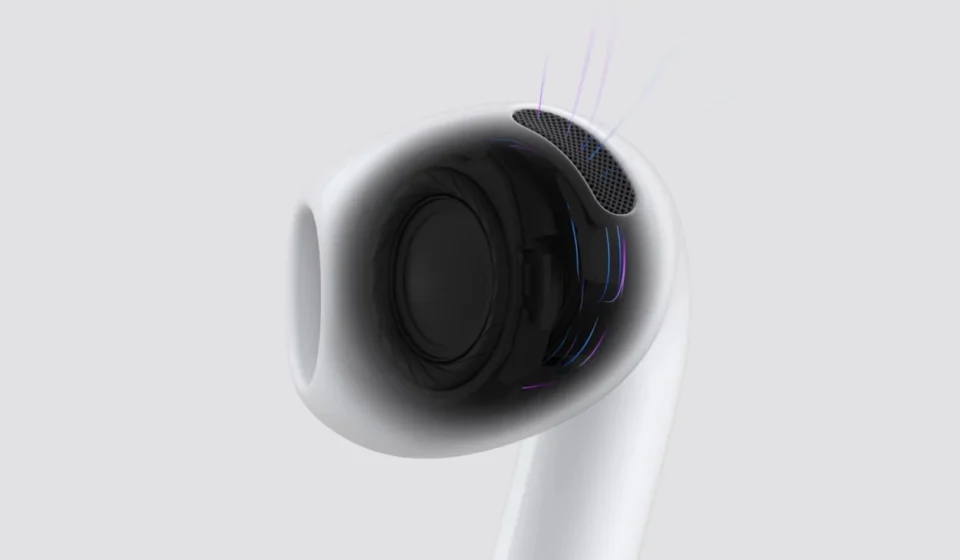
Major Tech Giants Face USITC Probe Over Spatial Audio Patents, Potential Sales Ban Looms for Flagship Devices

Samsung, Apple, and Google, titans of the consumer electronics industry, find themselves embroiled in a significant new patent dispute in the United States, with an ongoing investigation by the US International Trade Commission (USITC) raising the specter of a potential import and sales ban on a wide array of their devices featuring spatial audio technology, including highly anticipated products like Apple’s AirPods 5 and Samsung’s Galaxy Z Fold 8 Ultra. This high-stakes legal battle could have far-reaching implications for product availability, market competition, and the future of immersive audio experiences across the American market.
The USITC formally announced on September 16, 2026, the initiation of a Section 337 investigation, designated as 337-TA-1521, targeting products from these three technology giants. The investigation stems from a complaint filed by BoomCloud 360, a California-based audio technology company, which alleges infringement of its patents related to spatial audio processing. The initial complaint was lodged with the USITC on August 14, 2026, followed by a supplemental filing on August 31, 2026, providing further details and clarifications regarding the alleged infringements.
Understanding the Core of the Dispute: Spatial Audio Technology
At the heart of the legal contention are three specific patents held by BoomCloud 360, all pertaining to sophisticated aspects of spatial audio processing. Spatial audio, a rapidly evolving field in consumer electronics, aims to create a three-dimensional sound experience, allowing users to perceive sound originating from various directions, simulating a more realistic and immersive auditory environment. This technology has become a cornerstone feature in premium headphones, smartphones, and even smart televisions, enhancing everything from music listening and movie watching to gaming and virtual reality applications.
The patents identified in the USITC’s notice of investigation cover critical functionalities within spatial audio systems. These include:
- Gain Adjustment for Spatial and Non-Spatial Audio Components: This patent likely pertains to methods for dynamically balancing the volume levels of different audio elements within a spatial soundscape, ensuring clarity and immersion whether a sound is designated as spatial or conventional stereo.
- Compensation for Asymmetries Between Speakers: In real-world listening environments, or even with slight manufacturing variations in headphones, perfect symmetry between left and right speakers can be challenging. This patent likely addresses techniques to correct for these subtle differences, ensuring a balanced and accurate spatial sound field for the listener.
- Crosstalk Processing with Corrections for Spectral Defects: Crosstalk, where sound intended for one ear inadvertently reaches the other, is a significant challenge in creating convincing spatial audio, especially through headphones. This patent likely describes methods for actively reducing crosstalk while also correcting for any undesirable spectral (frequency-related) distortions or defects that might arise from such processing, ensuring high-fidelity sound.
These patented technologies are fundamental to delivering the seamless and immersive spatial audio experiences that consumers have come to expect from high-end devices offered by Apple, Samsung, and Google. The integration of such features has become a key differentiator in a highly competitive market, driving innovation and consumer adoption.
The Power of a USITC Section 337 Investigation
The US International Trade Commission plays a unique and powerful role in intellectual property disputes that involve imported goods. A Section 337 investigation is an administrative proceeding conducted by the USITC to determine whether imported articles infringe upon U.S. intellectual property rights, including patents, trademarks, and copyrights, or if they involve other unfair methods of competition. Unlike federal court litigation, which primarily focuses on monetary damages, the USITC’s primary remedy is to exclude infringing products from entering the United U.S. market.
BoomCloud 360 is seeking not only a finding of patent infringement but also specific enforcement actions from the USITC:
- Limited Exclusion Order (LEO): This order would prohibit the importation of infringing products into the United States. For global companies like Apple, Samsung, and Google, whose manufacturing is largely overseas, an LEO could effectively halt the sale of affected devices in the critical U.S. market.
- Cease-and-Desist Orders: These orders would prevent companies from selling existing infringing inventory already in the U.S. and from engaging in other unfair acts related to the infringing products.
The potential impact of such orders cannot be overstated. Should the USITC rule in favor of BoomCloud 360, it could lead to an immediate ban on the import and sale of numerous high-profile products. This could disrupt supply chains, impact consumer access to popular devices, and potentially force the accused companies to redesign their products or enter into licensing agreements. The USITC process is also generally faster than federal court proceedings, often concluding within 12-18 months, making it an attractive venue for patent holders seeking quicker injunctive relief.
Chronology of Events Leading to the Probe
The timeline of this dispute, while relatively recent, highlights the swift escalation from complaint to formal investigation:
- August 14, 2026: BoomCloud 360 files its initial complaint with the USITC, alleging infringement of its spatial audio patents by Apple, Samsung, and Google. This marks the formal commencement of BoomCloud 360’s legal pursuit through the USITC.
- August 31, 2026: BoomCloud 360 submits a supplemental filing to the USITC. This is a common practice to provide additional evidence, clarify claims, or refine the scope of the investigation requested.
- September 16, 2026: The USITC officially announces the initiation of a Section 337 investigation (337-TA-1521). This step signifies that the Commission has reviewed the complaint and found sufficient grounds to proceed with a formal inquiry. At this point, an Administrative Law Judge (ALJ) is assigned to preside over the investigation, gather evidence, and conduct hearings.
It is crucial to note that the opening of an investigation by the USITC does not constitute a finding of infringement. Rather, it signifies the beginning of a detailed legal process where all parties will have the opportunity to present their arguments, evidence, and defenses.
The Stakes for the Tech Giants
The accused companies—Apple, Samsung, and Google—are not merely minor players in the global technology landscape; they are market leaders whose products define categories and influence consumer trends worldwide.
- Apple: Spatial Audio has become a signature feature for Apple, prominently marketed with its AirPods line (including the anticipated AirPods 5), HomePod smart speakers, and integrated deeply into its iOS ecosystem for iPhone and iPad users, as well as Apple TV. Its implementation provides a dynamic, head-tracking sound experience that aims to place users at the center of the audio.
- Samsung: Samsung offers its own immersive audio technologies, often branded as "360 Audio" or similar, across its Galaxy earbuds (like the Galaxy Buds series), premium smartphones (such as the Galaxy Z Fold 8 Ultra and upcoming S-series phones), and high-end QLED and OLED televisions. These features are integral to Samsung’s premium device experience.
- Google: Google has also invested in spatial audio, particularly for its Pixel Buds Pro and other audio accessories, as well as integration within its Android operating system and Pixel phone lineup. The ability to deliver an immersive audio experience is increasingly important for Google’s competitive standing in the personal audio and mobile markets.
The breadth of potentially affected products is vast, extending beyond just the AirPods 5 and Galaxy Z Fold 8 Ultra mentioned. It could encompass:
- Smartphones: The latest iPhone models, Samsung Galaxy S and Z series, Google Pixel phones.
- Wireless Earbuds: All generations of AirPods, Galaxy Buds, Pixel Buds.
- Smart Speakers: Apple HomePod, Google Nest Audio.
- Tablets: iPad series, Samsung Galaxy Tab series.
- Televisions: Samsung’s extensive range of smart TVs, which often incorporate advanced audio processing.
- Virtual and Augmented Reality Devices: Given the inherently immersive nature of VR/AR, spatial audio is a foundational element, making future devices in this nascent category also potentially vulnerable.
Any disruption to the import or sale of these devices in the U.S. market would result in significant financial losses, damage to brand reputation, and a substantial competitive disadvantage. The U.S. represents one of the largest and most lucrative markets for consumer electronics globally, making exclusion orders particularly impactful.
Industry Reactions and Counter-Measures
While no official public statements from Apple, Samsung, or Google have been made regarding the USITC investigation itself, their legal responses are already in motion. All three companies have reportedly filed separate lawsuits against BoomCloud 360 in federal courts. This dual-track legal strategy is common in patent disputes:
- Federal Court Lawsuits: These cases typically seek to invalidate BoomCloud 360’s patents or obtain declarations of non-infringement. They also allow the defendants to pursue monetary damages if they believe BoomCloud 360 has acted improperly (e.g., through patent misuse). Federal court cases are generally slower but offer a broader range of remedies.
- USITC Defense: In the USITC investigation, the companies will vigorously defend against the infringement allegations, argue the invalidity of BoomCloud 360’s patents, and challenge the domestic industry requirement (a condition for complainants to show they have a significant investment in manufacturing or R&D in the U.S. related to the patented technology).
BoomCloud 360, on its part, would likely emphasize its commitment to protecting its intellectual property and ensuring fair competition. For smaller technology companies, asserting patents against industry giants can be a crucial strategy for monetizing their innovations and securing their market position. The company’s decision to pursue a USITC investigation suggests a strategic move to leverage the commission’s power to issue import bans, which can be a highly effective negotiation tool.
Broader Implications for the Tech Landscape and Consumers
This patent dispute is more than just a legal skirmish; it carries broader implications for the technology industry and its consumers.
- Innovation and Licensing: If BoomCloud 360 prevails, it could set a precedent regarding the enforcement of spatial audio patents, potentially leading to more licensing agreements in the future. This could either foster new collaborations or, conversely, create barriers to entry for smaller innovators if patent holders become overly litigious.
- Market Concentration: A sales ban on popular devices could temporarily shift market dynamics, though the sheer scale and diversification of Apple, Samsung, and Google mean they would likely adapt quickly. However, it could create opportunities for competitors not implicated in the dispute.
- Consumer Choice and Price: If products are banned, consumers might face fewer choices or potentially higher prices as companies factor in licensing costs or redesign expenses. Any delays in product launches or availability would also directly impact consumers eagerly awaiting new features.
- Standardization of Spatial Audio: The outcome of this case might influence the future direction of spatial audio standards. As companies seek to avoid future infringement claims, they may push for more open standards or different proprietary approaches.
- The Role of Patent Trolls vs. Legitimate IP Holders: This case also reignites debates surrounding patent assertion entities (sometimes controversially called "patent trolls") versus legitimate inventors protecting their intellectual property. BoomCloud 360’s history and business model will likely be scrutinized during the proceedings.
The Path Forward: A Lengthy Legal Battle
The USITC investigation process is thorough and multi-faceted. Following the assignment of an Administrative Law Judge (ALJ), there will be a discovery phase, followed by evidentiary hearings. The ALJ will then issue an Initial Determination (ID) on whether a Section 337 violation has occurred. This ID is then reviewed by the full Commission, which can adopt, modify, or reject the ALJ’s findings. If the Commission finds a violation, it will issue remedial orders, such as the Limited Exclusion Order and Cease-and-Desist Orders requested by BoomCloud 360.
Even after a Commission decision, there is a 60-day Presidential review period during which the U.S. President (or the U.S. Trade Representative acting on the President’s behalf) can veto the Commission’s remedy for policy reasons, though this is a rare occurrence. Should any party be dissatisfied with the final USITC decision, they have the right to appeal to the U.S. Court of Appeals for the Federal Circuit.
Given the complexity of the technology, the number of patents involved, and the high-profile nature of the defendants, this legal battle is expected to be protracted. It will likely involve extensive expert testimony on patent validity, infringement, and the technical intricacies of spatial audio. The concurrent federal court cases further complicate the landscape, with potential for overlapping issues and strategic maneuvers between the two legal venues.
The unfolding investigation by the USITC into Apple, Samsung, and Google’s spatial audio features underscores the persistent intensity of intellectual property disputes in the technology sector. As the global market for immersive audio experiences continues its rapid expansion, the outcome of this case will not only determine the fate of specific products but could also shape the competitive dynamics and innovation trajectory for spatial audio technologies across the entire industry for years to come. Consumers and industry observers alike will be closely watching as these tech giants navigate the complex legal waters ahead.