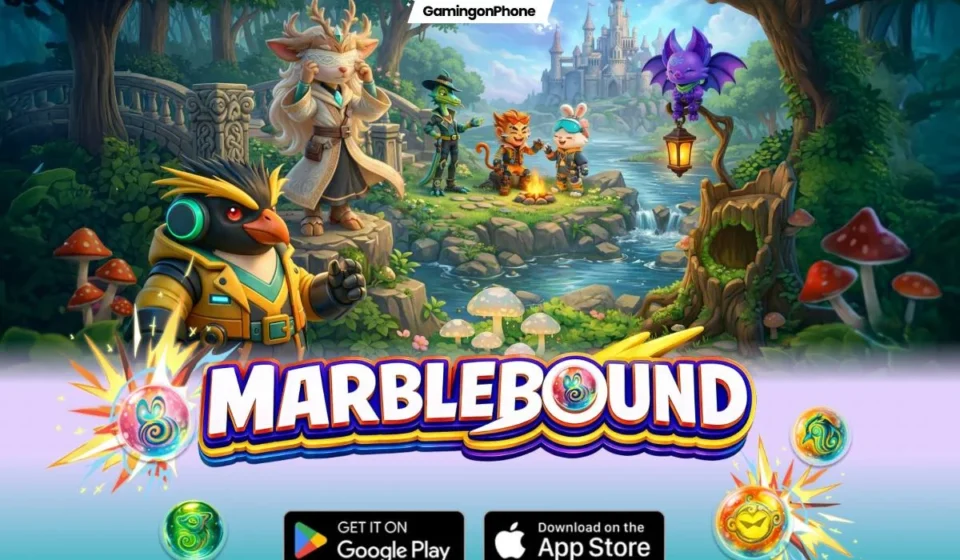

The highly anticipated turn-based marble-shooter RPG, Marblebound, developed by HoopTech Games, has officially launched on Android and iOS platforms, bringing a fresh and engaging blend of strategic combat and physics-based action to mobile gamers. With its distinctive gameplay mechanics and a narrative set in a fractured world, the title quickly garnered significant attention during its pre-launch phases. However, as players delve into the vibrant world of Marblebound, a common inquiry has surfaced regarding the availability and functionality of redeem codes, a feature widely expected in contemporary mobile gaming. As of October 2026, the game, while robust in its core offerings, does not yet feature an active redemption center or any publicly released redeem codes, prompting discussions within its burgeoning community about future content and player rewards.
Marblebound distinguishes itself in the crowded mobile RPG market by intricately weaving the tactical depth of turn-based role-playing with the kinetic excitement of a marble-shooter. Players command a roster of unique heroes, each represented by a distinct marble, engaging in battles where precise aiming and strategic positioning are paramount. The core gameplay loop involves launching these hero-marbles across a battlefield, utilizing physics-based collisions to damage enemies, trigger abilities, and set up devastating combos. This innovative approach requires players to not only understand character synergies and elemental weaknesses but also master the trajectory and force required for optimal shots, adding a layer of skill-based interaction often missing in traditional turn-based titles. This blend is a nuanced evolution of the classic marble-popping puzzle genre, elevated by RPG progression systems, character-specific skills, and strategic team composition, placing it in a unique niche within the mobile gaming ecosystem.
The narrative backbone of Marblebound centers around a group of young Heroes, including the spirited pyromancer Raybit and the elusive Batrix, a mischievous bat-like character, as they embark on a perilous journey to uncover the mysteries behind their fractured world. Raybit, with their fiery projectiles, and Batrix, known for their swift, disorienting attacks, represent just two facets of a diverse hero roster, each designed to offer unique tactical advantages. This overarching quest provides a compelling context for the episodic battles and character progression, encouraging players to invest in their heroes’ development and unravel the lore of their universe. HoopTech Games has hinted at a rich backstory, promising deep character arcs and evolving challenges as players advance through the campaign, suggesting a universe ripe for expansion through future updates and events.
The Genesis of Hype: Closed Beta and Community Cultivation
Before its global release, Marblebound underwent a critical closed beta test (CBT) phase in June 2026, targeting select Asian regions. This strategic decision allowed HoopTech Games to gather invaluable real-world data and player feedback from a highly engaged mobile gaming demographic. Regions such as South Korea, Japan, and key Southeast Asian markets like Singapore and the Philippines, known for their discerning mobile gaming communities and high adoption rates for new titles, were likely primary participants in this initial testing phase. The CBT served multiple crucial purposes: stress-testing server infrastructure under varying loads, identifying and rectifying critical bugs and performance bottlenecks, fine-tuning gameplay balance across hero abilities and enemy encounters, and assessing overall player engagement with core mechanics and early-game progression.
During this period, the game successfully cultivated a substantial and enthusiastic community. Early testers provided comprehensive feedback on various aspects, from the responsiveness of the marble-shooting controls and the strategic depth of hero abilities to the user interface design, progression systems, and overall game stability. This iterative development process, informed by direct player input, was instrumental in refining Marblebound for its official launch. The "massive hype and community" generated during the CBT was a testament to the game’s potential, with thousands of prospective players joining official Discord servers and social media channels, eagerly anticipating the full release and sharing their experiences and strategies. Engagement metrics, such as daily active users and session lengths during the beta, were reportedly strong, indicating a compelling initial product. The positive reception from beta participants undoubtedly fueled expectations for a polished and rewarding experience upon launch, setting a high bar for post-release content and community features.

Current Status of Redeem Codes: An Unfilled Expectation
Despite the successful launch and the positive community engagement, the absence of a redeem code system in Marblebound as of October 2026 has become a notable point of discussion among players. Redeem codes, also known as gift codes or coupon codes, are a common feature in free-to-play mobile games across various genres, including RPGs, strategy games, and gacha titles. They typically offer players various in-game rewards such as premium currency (e.g., gems, diamonds), crafting materials, experience boosters, hero fragments, cosmetic items, or other valuable resources. These codes are often distributed by developers to celebrate milestones (e.g., download numbers, anniversaries), promote events, or compensate players for server issues, serving as a vital tool for community engagement and player retention.
The current state is clearly indicated by the official channels and in-game interface: there is no designated "redemption center" or "gift code" input option within Marblebound’s menus. Furthermore, a comprehensive search across official social media platforms (Discord, Facebook, Instagram, TikTok) and the developer’s website confirms that no active codes have been released. The tabular representation of redeem code availability in community forums and guides simply states "TBA" (To Be Announced) for all relevant fields as of October 3rd, 2026. This means that at this early stage of the game’s lifecycle, players are currently unable to acquire additional in-game advantages through external codes. This situation, while not unprecedented for a new launch, contrasts with many mobile games that often launch with a set of introductory codes to welcome early adopters.
Industry Precedent and Player Expectations in Mobile Gaming
The expectation for redeem codes is deeply ingrained in the mobile gaming landscape. For many players, especially those accustomed to the free-to-play model that dominates the market, the periodic release of codes is a valued perk that enhances the gaming experience without requiring financial investment. These codes often act as a goodwill gesture from developers, fostering a sense of appreciation and loyalty within the player base. The rewards, while typically not game-breaking, can significantly aid in character progression, resource accumulation, or customization, making the game more accessible and enjoyable for a broader audience, particularly for free-to-play users who may not invest in in-app purchases.
From a developer’s perspective, redeem codes serve multiple strategic functions beyond simple giveaways. They can be powerful marketing tools, driving traffic to social media pages and official announcements, thereby increasing brand visibility and community reach. They can also incentivize participation in community events, celebrate achieving certain download milestones (e.g., 1 million, 5 million global downloads), or even act as a direct response mechanism to player feedback or minor in-game issues, helping to mitigate dissatisfaction. The absence of such a system in a newly launched, highly anticipated title like Marblebound might suggest a deliberate strategy by HoopTech Games, or simply that the feature is slated for a later update. New games often prioritize core stability, content delivery, and monetization systems before implementing supplementary features like code redemption. It is plausible that the developers are focusing on ensuring a smooth initial experience, addressing any critical post-launch issues, and optimizing the core gameplay loop and economic balance before diverting resources to a code system, which while beneficial, is not immediately critical for a game’s fundamental operation.
Anticipating Future Code Implementation: Mechanisms and Rewards
Given the strong community demand and the prevalence of redeem code systems in the mobile RPG genre, it is highly probable that HoopTech Games will introduce this feature to Marblebound in due course. The developers’ acknowledgment of "community demand" implicitly signals their intent to eventually meet this expectation, suggesting that the feature is on their development roadmap. When a redemption system is implemented, it is likely to follow one of two common models prevalent in the mobile gaming industry:
- In-Game Redemption Interface: This involves a dedicated section within the game’s settings, profile menu, or a specific "Events" tab where players can directly input codes. This method is often the most convenient and intuitive for players, integrating seamlessly into the game experience.
- Web-Based Redemption Portal: A specific page on the official Marblebound website where players log in with their game ID (often found in their profile) and enter codes. Rewards are then delivered to their in-game mailbox. This method is sometimes preferred by developers to streamline code distribution, reduce the load on the in-game client, and potentially gather additional player data through the web portal.
Regardless of the chosen mechanism, the types of rewards players can expect from future Marblebound redeem codes are likely to align with industry standards, providing valuable boosts to progression and customization. These could include:

- Premium Currency: Gems, diamonds, or similar premium resources used for summoning new heroes, purchasing rare items from the in-game shop, or speeding up various timers.
- Hero Fragments/Shards: Essential components for unlocking new heroes or upgrading the star-level and abilities of existing ones, accelerating team development.
- Experience Boosters: Items that grant temporary increases to experience gain for heroes, aiding faster character leveling and progression through the game’s campaign.
- Gold/In-Game Currency: The primary soft currency used for general upgrades, equipment enhancements, skill leveling, and basic shop purchases.
- Crafting Materials: Resources vital for crafting powerful gear, enhancing hero abilities, or upgrading specific game systems.
- Energy/Stamina: Consumables that allow players to engage in more gameplay sessions (e.g., campaign stages, dungeons) without waiting for regeneration or spending premium currency.
- Cosmetic Items: Unique skins for heroes, profile icons, avatars, or other aesthetic customizations that offer personal flair and differentiate players.
The strategic distribution of these rewards can significantly impact player engagement and progression, offering tangible benefits that encourage continued play and exploration of Marblebound’s extensive content, fostering a more rewarding free-to-play experience.
The Timeline for Code Releases and Staying Updated
The timing of future code releases will most likely coincide with significant game milestones or events, rather than being a continuous, unscheduled stream. These "milestones" could encompass:
- Major Content Updates: The introduction of new heroes, game modes (e.g., PvP arenas, guild wars), story chapters, or seasonal events (e.g., Halloween, Christmas, Lunar New Year events).
- Server Updates/Maintenance: Codes might be offered as a token of appreciation for player patience during extended downtimes or unexpected technical issues.
- Download Milestones: Celebrating achievements like 1 million, 5 million, or 10 million global downloads, often accompanied by progressively more valuable rewards.
- Game Anniversaries: Annual celebrations marking the game’s launch, frequently accompanied by substantial giveaways and special event codes.
- Community Events: Rewards for participating in official contests, livestreams, Q&A sessions, or social media campaigns, encouraging active community involvement.
- Partnerships or Collaborations: Promotional codes tied to collaborations with prominent gaming influencers, streamers, or other brands, expanding the game’s reach.
Developers typically disseminate these codes through their official communication channels. For Marblebound, these channels include its active Discord server (discord.gg/BPVBhudsKh), official Facebook page (facebook.com/profile.php?id=61573321513782), Instagram profile (instagram.com/marbleboundgame/), and TikTok account (tiktok.com/@hooptech_games). Following these platforms is the most direct way for players to receive immediate notifications regarding new codes and game announcements. However, as the original article correctly points out, the dynamic nature of these codes (often with limited lifespans and requiring exact entry) makes it crucial for players to stay consistently updated. Many reputable gaming news outlets and dedicated fan sites frequently compile and verify active codes, offering a centralized resource for players to check regularly, reducing the need to scour multiple social media feeds.
Broader Implications and HoopTech Games’ Vision
The strategic decision by HoopTech Games to launch Marblebound without an immediate redeem code system could be interpreted in several ways. It might reflect a deliberate focus on establishing the core gameplay loop and initial monetization strategies, ensuring that the game’s foundational economy is robust and balanced before introducing external reward mechanisms that could potentially disrupt it. Alternatively, it could be a phased rollout approach, where such features are introduced once the game has stabilized, critical bugs have been addressed, and initial player behavior patterns are better understood. For a new intellectual property (IP) like Marblebound, establishing a strong, self-sustaining in-game economy and a stable technical foundation is often a higher priority than immediate bonus giveaways.
However, the rapid growth of the mobile gaming market and the intense competition for player attention mean that developers must consistently find innovative ways to engage and retain their player base. Redeem codes, while seemingly minor, play a significant role in this ecosystem. They contribute to a positive player experience, foster community loyalty, and can even serve as a gentle nudge for lapsed players to return to the game. HoopTech Games will need to carefully balance its development priorities with evolving community expectations to ensure Marblebound maintains its momentum and continues to attract new players in the long term. The eventual introduction of a redemption system, therefore, is not merely a feature addition but a strategic move that could significantly enhance the game’s appeal, player satisfaction, and overall longevity in a highly competitive market.
In conclusion, Marblebound has made a strong entry into the mobile RPG space with its unique blend of marble-shooting and turn-based strategy, garnering significant interest from its closed beta phase through to its global launch in October 2026. While the absence of redeem codes at launch is a current reality, the active community, the developer’s engagement during the CBT, and the industry’s established practices strongly suggest that this feature will be implemented in the near future. Players are advised to remain vigilant by monitoring official social media channels and trusted gaming news sources for updates on when these valuable codes become available. The anticipation for these codes underscores their importance in enriching the free-to-play experience, promising valuable boosts and rewards for those navigating the fractured world of Marblebound. The journey of Raybit, Batrix, and their fellow heroes is just beginning, and with future updates and anticipated code releases, the landscape of player rewards is set to evolve, further solidifying Marblebound’s place in the mobile gaming pantheon.