NASA Astronauts Set for Historic Spacewalk on March 18, Marking Return to Crucial ISS Operations

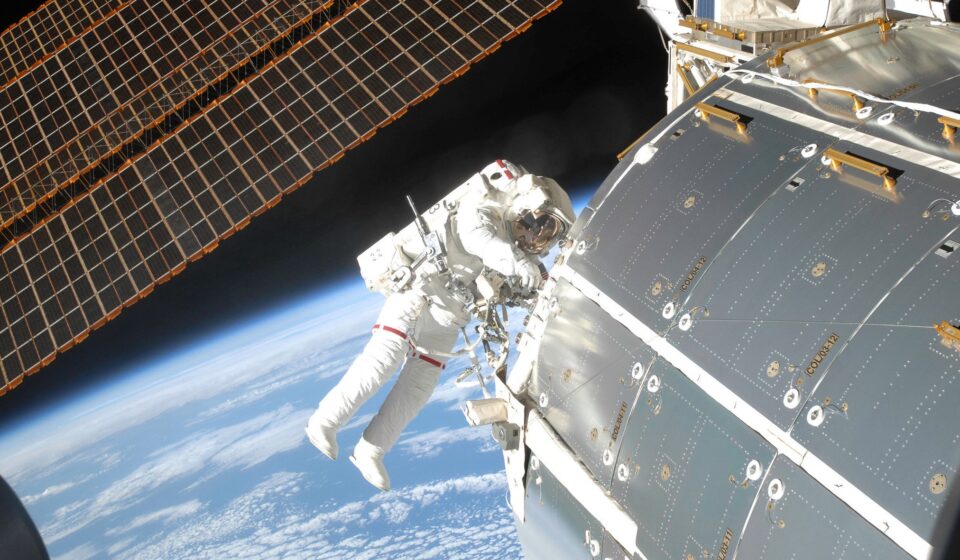
NASA astronauts Jessica Meir and Chris Williams are scheduled to venture outside the International Space Station (ISS) on March 18, marking the agency’s first spacewalk in nearly a year. This upcoming extravehicular activity (EVA) signifies a return to essential on-orbit maintenance and upgrades following an extended hiatus that began with a medical emergency and subsequent early crew return in early January. The mission is poised to be a critical step in preparing the orbiting laboratory for future power enhancements and underscores the enduring importance of human presence in space for complex operations.
A Year of Anticipation: Resuming Extracurricular Activities
The hiatus in NASA spacewalks has been an unusually long one for the agency. The planned January EVA was abruptly canceled due to a serious health issue experienced by one of the participating astronauts. This unforeseen medical event not only postponed the spacewalk but also necessitated the early return to Earth of a SpaceX crew, highlighting the inherent risks and complexities of human spaceflight. The successful resolution of this situation and the subsequent preparations for the March 18 mission demonstrate NASA’s commitment to both crew safety and the continuous advancement of space exploration objectives.

The upcoming spacewalk, designated EVA-89, will see Meir and Williams undertaking a series of critical tasks on the exterior of the ISS. Their objectives include installing a modification kit and routing cables on the port side of the orbital outpost. These actions are integral to the preparation for the installation of a seventh roll-out solar array, a significant upgrade designed to augment the station’s overall power generation capabilities. This new array, scheduled for installation on a subsequent spacewalk, will further enhance the ISS’s capacity to support ongoing scientific research and operations.
Echoes of History: A Spacewalk on a Significant Anniversary
The timing of this spacewalk is particularly noteworthy, as it is scheduled to occur on the 61st anniversary of the very first human excursion into the vacuum of space. On March 18, 1965, Soviet cosmonaut Alexei Leonov made history during the Voskhod 2 mission, spending approximately 10 minutes outside his spacecraft. This pioneering achievement was followed roughly three months later by the first American spacewalk, performed by NASA astronaut Ed White during the Gemini 4 mission. The confluence of these events on the same date serves as a poignant reminder of humanity’s enduring quest to explore the cosmos and the historical significance of venturing beyond the confines of a spacecraft.
Rigorous Preparation for the Void
Meir and Williams have undergone extensive preparation for their upcoming EVA. This has included meticulous inspection and fitting of their Extravehicular Mobility Units (EMUs), the advanced spacesuits designed to protect astronauts in the harsh environment of space. They have also familiarized themselves with the Quest airlock, the primary gateway from which they will exit the ISS. This rigorous training ensures that both astronauts are fully proficient in operating their life support systems and executing the complex maneuvers required for spacewalking. The detailed planning and simulation are crucial for minimizing risks and maximizing the efficiency of the mission.

The Mission Objectives: Powering the Future of the ISS
The primary goal of the March 18 spacewalk is to lay the groundwork for future power enhancements to the ISS. The installation of the modification kit and cable routing are essential preliminary steps for the eventual attachment of a new roll-out solar array. This array will supplement the existing main solar arrays, which have been providing power to the station since its inception. As the ISS continues its mission, the demand for power to support advanced scientific experiments and life support systems increases. The addition of a new solar array represents a strategic investment in the station’s long-term operational viability and its capacity to host increasingly sophisticated research.
Each roll-out solar array, when fully deployed, measures approximately 60 feet long and 20 feet wide. The addition of the seventh array will significantly increase the station’s power output, providing an estimated 25% increase in available energy. This boost will be instrumental in supporting the growing number of experiments, particularly those requiring substantial power, and will ensure the ISS remains a cutting-edge research platform for years to come. The installation process itself is a complex undertaking, requiring precise maneuvering of large structures in microgravity.
A Tale of Two Astronauts: Experience Meets Debut
For Jessica Meir, this spacewalk will mark her fourth excursion into space. Her previous spacewalks took place in 2019, with two occurring within a few months of each other. Meir, who arrived at the ISS last month as part of SpaceX’s Crew-12 mission, brings a wealth of experience and familiarity with the demands of working outside the station. Her previous EVAs have contributed to critical maintenance and upgrade tasks, providing valuable insights into the operational procedures and challenges of spacewalking.

In contrast, Chris Williams will be making his spacewalk debut. This mission represents his first journey to the ISS, and this EVA will be his inaugural experience of working in the vacuum of space. Williams arrived at the station in November 2025 aboard a Russian Soyuz spacecraft, indicating a long-held anticipation for this opportunity. His training and preparation have been geared towards this moment, and his participation alongside an experienced astronaut like Meir highlights NASA’s approach to integrating new crew members into vital mission operations. The blend of seasoned expertise and fresh perspective is a hallmark of successful space missions.
The Broader Implications: Sustaining Human Presence and Progress in Space
The resumption of spacewalks by NASA is not merely a procedural step; it signifies the agency’s unwavering commitment to maintaining and enhancing the ISS, a vital hub for scientific research and international collaboration. These EVAs are crucial for the upkeep and modernization of the station, ensuring its continued operation as a platform for groundbreaking discoveries. The ability to perform complex repairs and upgrades in orbit is a testament to human ingenuity and the advanced capabilities developed for space exploration.
Furthermore, the successful execution of spacewalks is fundamental to the long-term vision of human spaceflight. The skills and technologies honed during ISS operations are directly transferable to future missions, including those to the Moon and Mars. Each spacewalk provides invaluable data and experience that informs the design of future spacecraft, spacesuits, and operational procedures. The ongoing work on the ISS, facilitated by these EVAs, directly supports the Artemis program and the broader goal of establishing a sustainable human presence beyond Earth.

The challenges encountered in early January, while concerning, underscore the inherent risks associated with human spaceflight. The prompt and effective response to the medical emergency, leading to the safe return of the crew, reflects the robust safety protocols and the dedication of the ground support teams. The ability of NASA and its partners to adapt and overcome such challenges is a critical aspect of ensuring the continued success of space exploration endeavors. The March 18 spacewalk, therefore, represents not only a return to routine operations but also a demonstration of resilience and unwavering dedication to the mission.
The successful completion of this spacewalk will not only contribute to the immediate operational needs of the ISS but also serve as a powerful symbol of humanity’s persistent drive to explore and expand our understanding of the universe. The images and data gathered during these extravehicular activities will continue to inspire future generations of scientists, engineers, and astronauts, reinforcing the importance of investing in space exploration. As the ISS continues its orbit, the work performed by astronauts like Meir and Williams ensures that this extraordinary laboratory remains a beacon of scientific discovery and international cooperation in the final frontier.