
Navigating the Back-to-School Tech Landscape: Top Budget Laptops for Every Student

The annual back-to-school season, a time traditionally marked by fresh notebooks and sharpened pencils, has increasingly become synonymous with the acquisition of new technology, particularly laptops. However, this year’s back-to-school shopping spree faces a significant hurdle: a persistent global memory crisis that has driven up the manufacturing costs for nearly all electronics, including laptops from major players like Apple. This price escalation presents a challenge for budget-conscious students and their families, making the search for affordable yet capable devices more critical than ever. Recognizing this, a thorough examination of specifications, customer reviews, and pricing has been conducted to identify laptops that offer genuine value, rather than just the appearance of affordability in online listings. The following selection of six laptops aims to strike an optimal balance between cost and performance, catering to diverse student needs and priorities, from versatile 2-in-1 Chromebooks to the most accessible entry point into the macOS ecosystem.
The Evolving Back-to-School Tech Market
The back-to-school period typically witnesses a surge in consumer demand for laptops, as students prepare for academic endeavors. Historically, this has also been a prime time for manufacturers and retailers to offer competitive pricing on entry-level and mid-range models. However, the landscape has shifted dramatically due to a confluence of factors, including supply chain disruptions and increased demand for components like RAM and SSDs. The semiconductor industry, the backbone of modern computing, has been particularly impacted. Experts have pointed to several contributing causes, including increased demand for consumer electronics during the pandemic, a shortage of raw materials, and geopolitical factors influencing manufacturing hubs.
This global memory crisis has led to a reported average increase of 10-15% in the cost of laptop components. For consumers, this translates directly to higher retail prices. For instance, Apple, known for its premium pricing, has also seen its MacBook lineup affected, making its devices less accessible for students on tighter budgets. This situation necessitates a more discerning approach to purchasing, moving beyond superficial price tags to evaluate the true longevity and functionality of a device within its price bracket.
Top Picks for the Academic Year
HP 2-in-1 14-inch Chromebook: The Budget-Friendly Versatile Option
For students whose academic workload primarily revolves around web browsing, document creation, and video conferencing, the HP 2-in-1 14-inch Chromebook emerges as a compelling choice. Priced at approximately $349, it stands as the most economical option on this list. Its standout feature is the 360-degree hinge, which transforms the traditional laptop into a tablet-like device, complemented by a 14-inch HD touchscreen. This flexibility addresses the common desire for a larger screen than a smartphone for tasks such as reading PDFs, reviewing research papers, or browsing articles without the keyboard obstructing the view.
Under the hood, the Chromebook is powered by an Intel N100 chip and runs on ChromeOS, ensuring snappy performance for lighter tasks. However, with 4GB of RAM and 64GB of storage, it is important to note its limitations. This configuration is not ideal for heavy multitasking, such as managing dozens of browser tabs simultaneously, installing demanding video games, or storing a large library of offline media. For students whose academic work predominantly resides in the cloud and requires core productivity applications, this HP Chromebook offers an exceptional value proposition, making it difficult to surpass at its price point. The reliance on cloud storage and web-based applications aligns well with the growing trend of digital education and remote learning.
Lenovo IdeaPad Slim 3i: A Robust Windows Workhorse
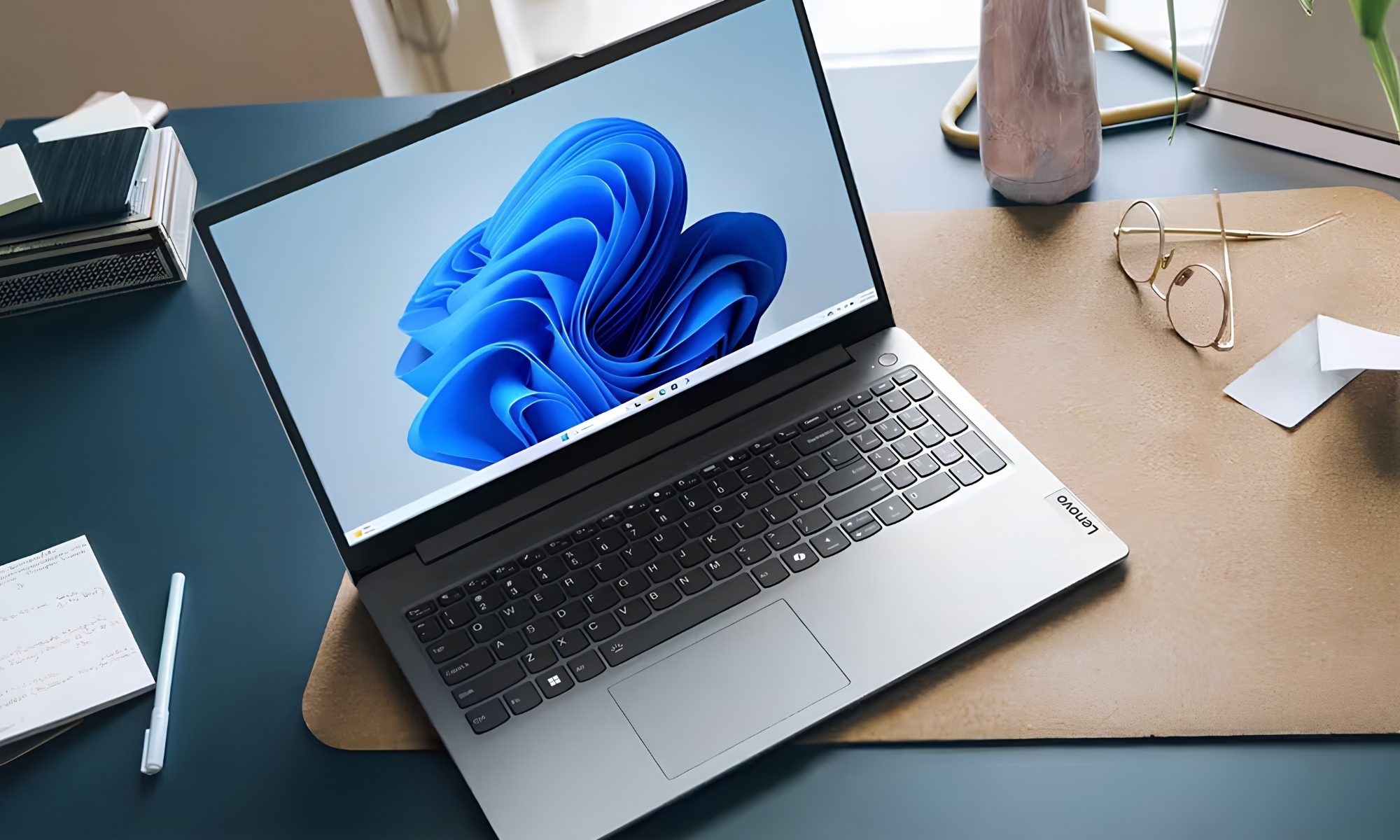
Transitioning to a more traditional laptop form factor, the 15.6-inch Lenovo IdeaPad Slim 3i, priced around $349.99, offers a substantial Windows experience for students seeking a larger display for an expanded digital workspace. The 15.6-inch screen boasts TUV Low Blue Light certification, a feature designed to reduce eye strain during extended study sessions, a crucial consideration for students spending long hours in front of their screens.
The device is equipped with an Intel N150 processor, 8GB of DDR5 RAM, and a 128GB PCIe SSD. This combination is well-suited to handle everyday academic tasks, including the creation and review of documents in Microsoft Word, PDF analysis, web research in Chrome, presentation development, and music streaming. A significant advantage is the inclusion of a Microsoft 365 subscription, which adds considerable value for students who rely on the Office suite.

Furthermore, the IdeaPad Slim 3i adheres to the MIL-STD-810H durability testing standard. This military-grade certification provides a reassuring level of robustness, essential for a laptop that will likely endure the rigors of being transported daily in a backpack over several years of study. The integration of a fingerprint reader also enhances security, a feature often omitted in laptops within this price segment, offering a convenient and secure login method. This focus on durability and security makes it a practical choice for students prioritizing longevity and data protection.
Lenovo V15 G6 (2026): Addressing Storage Anxiety
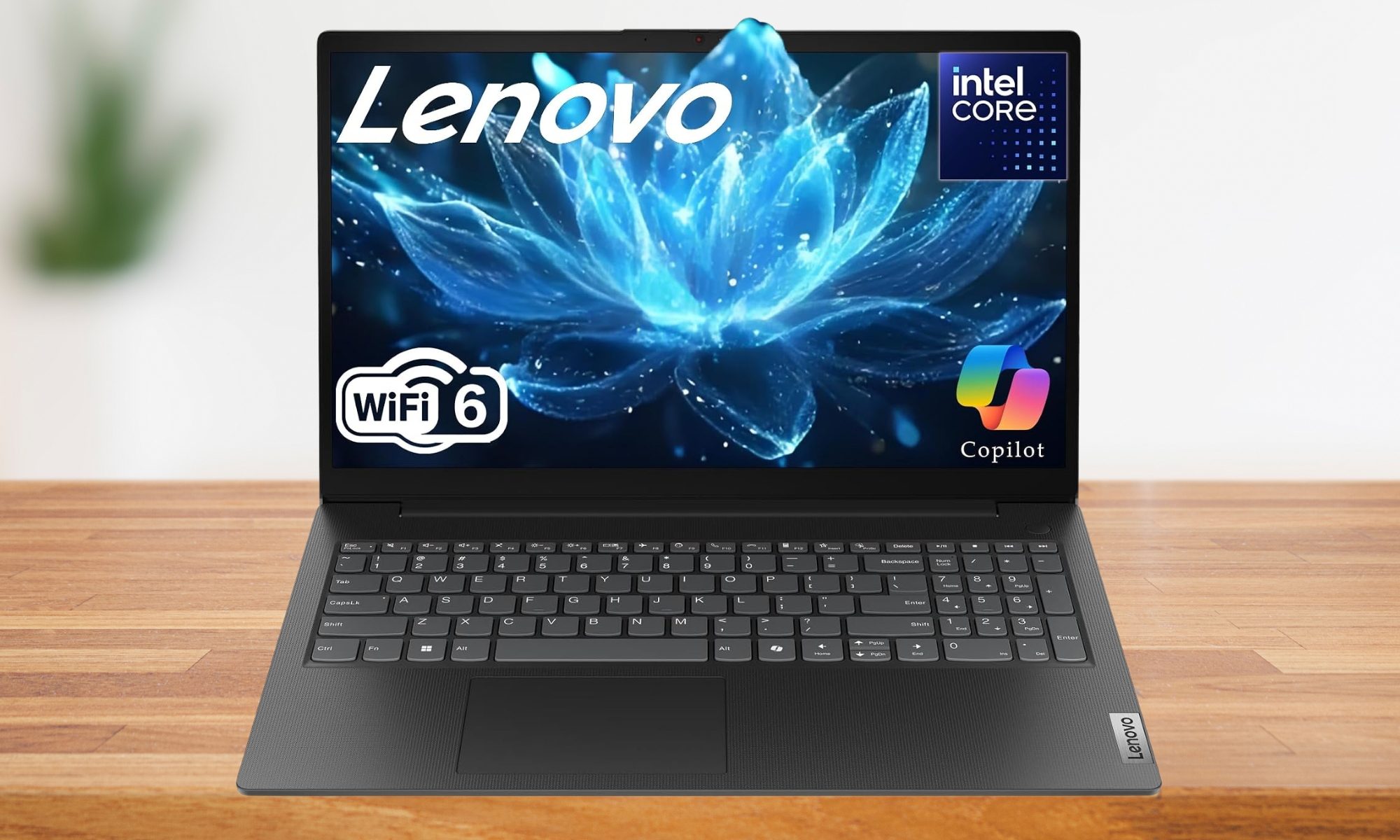
Storage capacity is a frequent concern for budget laptop buyers, especially when the device is intended to serve as a primary machine for both work and entertainment. Lenovo addresses this head-on with the V15 G6 (2026), priced at $499.00. This model distinguishes itself by pairing a 256GB PCIe SSD with a 500GB hard drive, offering a greater total storage capacity than many of its competitors. The SSD ensures rapid boot times and quick application loading, while the HDD provides ample space for larger media files and offline content, offering a versatile storage solution.
Lenovo’s commitment to connectivity is also commendable on this model. It includes a comprehensive array of ports, such as Gigabit Ethernet, dual USB-C, dual USB-A, and HDMI. This rich port selection eliminates the need for dongles and adapters, facilitating seamless connections to dorm network infrastructure, external displays, and various peripherals. The inclusion of an Office 365 bundle and a physical camera shutter further enhances its appeal as a student-ready device.
While the Intel N100 processor and 8GB of RAM may not set benchmark records, they are more than adequate for common academic tasks like writing papers, browsing the web, and attending online lectures. The V15 G6 justifies its price through its superior storage and connectivity options alone. For those seeking an even larger SSD, a configuration with a 512GB SSD is also available for a slight increase in price, at $499.99. This flexibility in storage configurations caters to a wider range of user needs and preferences.
Asus Vivobook 14: Stepping Up Performance
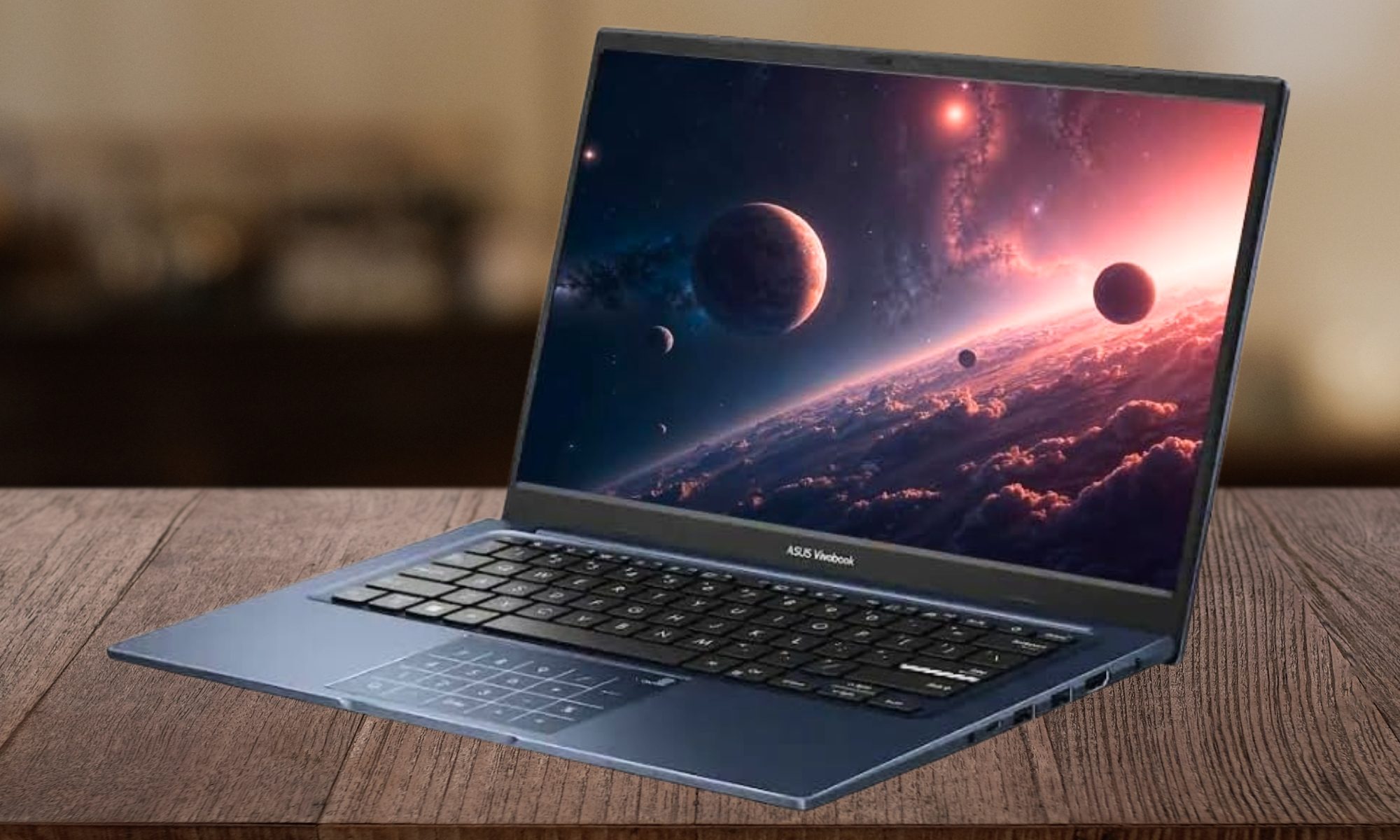
The Asus Vivobook 14 represents a slight departure from the sub-$500 trend, priced at $519.98. This incremental increase in cost is justified by a notable upgrade in performance. The laptop is equipped with an Intel Core i3-1315U processor, featuring six cores and eight threads, a significant enhancement over the quad-core processors found in many budget-friendly options.
This more capable chipset is complemented by 16GB of RAM and a 512GB SSD. This combination of CPU, RAM, and storage makes the Vivobook 14 an excellent choice for students with more demanding workloads. It can comfortably handle intensive tasks such as prolonged video conferences, managing multiple research tabs alongside complex spreadsheets, and other multitasking scenarios that might strain less powerful machines.
The inclusion of Windows 11 Pro, rather than the standard Home edition, is another key advantage, particularly for students attending universities with managed device networks. The device also offers a robust selection of ports, including a USB 3.2 Gen 1 port and a dedicated HDMI port, ensuring broad compatibility. While it lacks discrete graphics, positioning it primarily as a productivity machine rather than a gaming laptop, its well-rounded specifications make it a strong contender for students requiring enhanced multitasking capabilities within this price bracket.
Acer Aspire 14 AI Copilot+ PC: The Future-Proof Investment
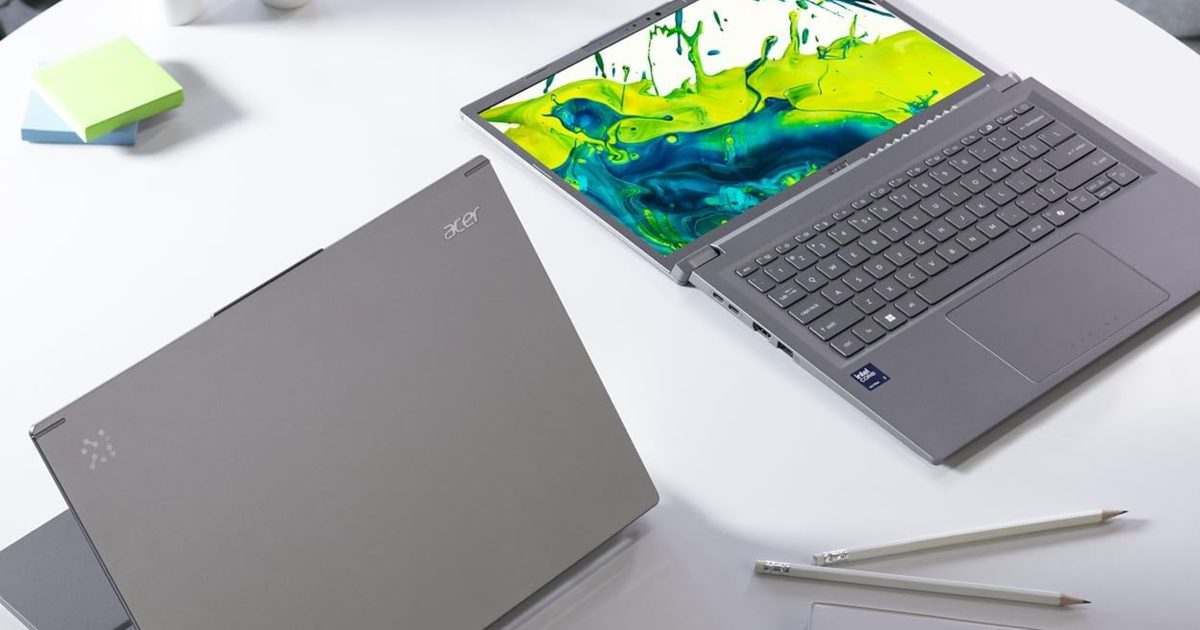
The Acer Aspire 14 AI Copilot+ PC, priced at $679, is positioned as the premium, future-proof option within this list, extending beyond the typical definition of a "budget" laptop but offering considerable long-term value. Its inclusion is justified by its forward-looking technology, designed to remain relevant and performant for approximately four to five years of standard academic use.
A key differentiator is its certification as an AI Copilot+ PC, powered by Intel’s Core Ultra 7 256V chip, which includes a dedicated Neural Processing Unit (NPU) capable of 47 TOPS. This hardware acceleration allows for advanced on-device AI features, such as Microsoft’s Recall and Click to Do, to operate locally without relying on cloud processing. Even for users who do not actively utilize these specific AI functionalities, the combination of the advanced CPU and NPU ensures robust performance for years to come, providing ample headroom for emerging applications and evolving workloads.
Acer has also prioritized storage, equipping the Aspire 14 with a substantial 1TB SSD, more than double the capacity offered by most other laptops on this list. This generous storage ensures ample space for applications, files, and media without immediate concerns about running out of room. The laptop’s design is equally impressive, featuring an aluminum chassis and a 180-degree hinge, contributing to a more premium feel than its price might initially suggest. Its rated battery life is expected to comfortably support a full day of classes without requiring a power outlet.
Apple MacBook Neo 13-inch (2026): The Ecosystem Entry Point
For students who prioritize integration within the Apple ecosystem, perhaps due to existing ownership of an iPhone or iPad, the MacBook Neo 13-inch (2026) presents the most accessible entry point. Priced at $689.99, it significantly undercuts all MacBook Air configurations, making it the most affordable way to experience macOS. The A18 Pro chip at its core is capable of handling a wide range of tasks, including entry-level gaming, and the Neo boasts an impressive battery life rated for up to 16 hours, sufficient for a full day of academic activities.
A notable aspect of the MacBook Neo that appeals particularly to younger buyers is its aesthetic appeal. It is available in four vibrant color options: Silver, Blush, Citrus, and Indigo. Each color is paired with a matching keyboard, offering a touch of personalization that helps it stand out in a sea of typically monochromatic laptops. This design choice adds a unique flair and personality to the device.
The base model comes with 8GB of unified memory and 256GB of storage. While sufficient for everyday tasks like email, writing, and general coursework, users with extensive photo libraries or large media collections might consider upgrading to a model with more storage. Nevertheless, for its price, the MacBook Neo offers an affordable gateway to macOS and its features, including the latest macOS 27 updates and integrated Siri AI capabilities.
The selection of these laptops underscores the diverse needs of students. From the cost-effectiveness and versatility of Chromebooks to the robust performance of Windows machines and the ecosystem advantage of Apple’s offerings, there is a suitable option available to meet various academic requirements and budget constraints, even amidst challenging market conditions.