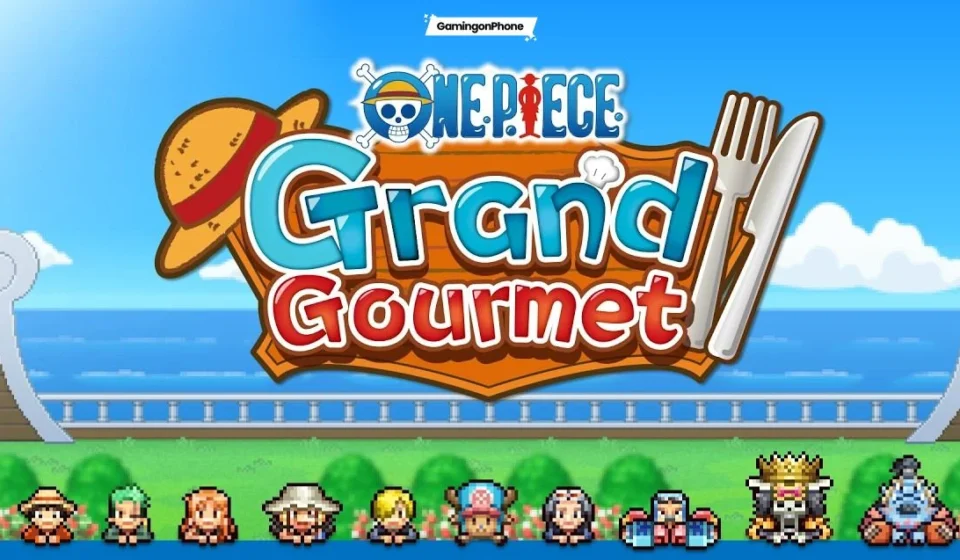

The culinary adventure, ONE PIECE: Grand Gourmet, from Bandai Namco Entertainment Inc., has recently captivated players by offering an immersive experience into the world of the Straw Hat Pirates. Launched in October 2026, this highly anticipated management simulation title allows fans to step alongside Sanji and the iconic crew, operating a bustling restaurant inspired by the beloved anime and manga franchise. Players are tasked with crafting exquisite dishes, decorating their establishment with a vast array of items, and engaging with a roster of familiar characters, who serve as both dedicated staff and eager customers. While the game provides a rich and engaging experience, a significant point of interest for many players revolves around the potential for in-game rewards through redeemable codes—a common feature in the contemporary gaming landscape.
As of October 23rd, 2026, a thorough investigation into ONE PIECE: Grand Gourmet’s reward system reveals a notable absence of active redeem codes. This discovery positions the game distinctly within the broader spectrum of digital entertainment, particularly when juxtaposed against titles that frequently leverage such codes for player engagement and complimentary in-game items. The current situation suggests that Bandai Namco has opted for a different player progression and reward model, one that aligns more closely with premium game releases rather than the free-to-play (F2P) ecosystem where redeem codes are a ubiquitous marketing and retention tool. This article delves into the implications of this approach, exploring the operational framework of ONE PIECE: Grand Gourmet, the industry standards for game monetization, and the potential future trajectory of its reward mechanisms.
The Game’s Core Experience and Design Philosophy
ONE PIECE: Grand Gourmet transcends mere food service, offering a comprehensive management simulation. Players are encouraged to experiment with diverse ingredients, develop unique meal sets, unlock an extensive library of recipes, and meticulously customize their restaurant’s aesthetic to reflect their personal taste and the vibrant spirit of the One Piece universe. The game’s design emphasizes discovery and organic progression, with hundreds of dishes and characters to encounter, ensuring a continuous stream of engaging content. This intrinsic design, where rewards are earned through gameplay milestones, culinary mastery, and narrative progression, forms the bedrock of its current reward philosophy. The detailed gameplay mechanics, visually represented through high-quality graphics as seen in official Bandai Namco Entertainment captures, underscore a polished, content-rich experience designed to be enjoyed through direct engagement rather than external incentives.
Absence of Redeem Codes: A Premium Game Paradigm
The primary reason for the lack of redeem codes in ONE PIECE: Grand Gourmet appears to stem from its classification as a premium title. Unlike free-to-play games that rely on in-app purchases (IAPs) and advertisements for revenue, premium games typically require an upfront purchase. This fundamental difference in monetization strategy profoundly influences how developers approach player rewards and post-launch content. In a premium model, players are purchasing a complete experience, often with all core content accessible from the outset or through paid expansions and downloadable content (DLC). The expectation is that the value is derived directly from the gameplay and narrative, rather than from a continuous stream of "freebies" distributed via codes.
This distinction is critical. Free-to-play titles, especially those on mobile platforms, frequently employ redeem codes as a core component of their live-service strategy. These codes serve multiple purposes:
- Player Acquisition and Retention: Offering free resources, currency, or cosmetic items incentivizes new players to join and existing players to remain active.
- Community Engagement: Codes are often tied to social media milestones, live streams, or special events, fostering a sense of community and rewarding active participation.
- Compensation: In cases of server issues or game bugs, redeem codes can be used to apologize and compensate players, mitigating negative sentiment.
- Marketing and Cross-Promotion: Codes can be part of broader marketing campaigns or collaborations with other brands or IPs.
For a premium game like ONE PIECE: Grand Gourmet, which is purchased outright, the necessity for such external incentives is significantly diminished. The game’s value proposition rests on its inherent quality, depth of gameplay, and the appeal of the One Piece brand. Implementing a robust redeem code system for a premium title would represent a departure from established industry norms, potentially blurring the lines between premium and F2P monetization strategies and possibly creating an expectation of ongoing free content that clashes with its upfront purchase model.
Historical Context and Industry Precedent
The evolution of redeem codes in the gaming industry provides valuable context. Initially, codes were often physical, included with game boxes for pre-order bonuses or special editions, granting access to exclusive in-game items or early content. With the advent of digital distribution and the proliferation of mobile gaming, digital redeem codes became a prevalent mechanism. Games like Genshin Impact, Honkai: Star Rail, and even other One Piece mobile titles such as One Piece Treasure Cruise or One Piece Bounty Rush—all free-to-play—regularly release codes. These titles are designed with ongoing content updates and monetization through gacha mechanics or battle passes, making redeem codes a natural fit for their ecosystem.
Bandai Namco Entertainment itself operates a diverse portfolio, encompassing both premium console/PC titles and successful free-to-play mobile games. For its premium offerings, such as the critically acclaimed Elden Ring, Tales of Arise, or Dragon Ball Z: Kakarot, the primary method for acquiring additional content typically involves purchasing official DLC expansions or cosmetic packs directly through digital storefronts. Redeem codes, if they exist at all, are usually limited to one-time promotional giveaways (e.g., for attending an event or purchasing a specific product) rather than a continuous, in-game system for free rewards. This corporate precedent strongly supports the inference that ONE PIECE: Grand Gourmet, as a premium title, is following a similar model where gameplay and paid expansions are the primary drivers of content and progression.

The Absence of a Redemption Mechanism
Further solidifying the unlikelihood of redeem codes is the confirmed absence of an official code redemption center within ONE PIECE: Grand Gourmet. Investigations reveal no dedicated in-game option for entering codes, nor any external redemption website linked to the game. This structural omission is significant. Developing and integrating a secure, functional code redemption system requires considerable development resources and ongoing maintenance. For a premium game, investing in such a system without a clear strategic need would be an inefficient allocation of resources. The decision not to include this infrastructure from the outset strongly indicates that redeemable codes were never intended to be a core feature of the game’s post-launch content strategy. Any future implementation would not only require substantial technical work but also a fundamental shift in the game’s monetization and player engagement philosophy, which is improbable for a title already defined by its premium status.
Bandai Namco’s Communication and Future Outlook
As of the current date, official channels from Bandai Namco Entertainment Inc., including their global and regional social media accounts (such as Facebook and Twitter), have not announced any plans for redeem codes for ONE PIECE: Grand Gourmet. Their communications have consistently focused on gameplay features, new content updates, and potential paid expansions, aligning with the typical roadmap for a premium game. The absence of specific dates for code releases or even a mention of a "code system" further reinforces the current status quo.
While the current assessment indicates a low probability of widespread redeem code availability, the gaming industry is dynamic. Should Bandai Namco decide to introduce codes in the future, it would likely be under very specific circumstances:
- Major Anniversary Events: For significant milestones like a game’s first or fifth anniversary, a limited-time code might be released as a special thank you to the community.
- Large Content Updates/Expansions: Promotional codes could accompany major paid DLC releases to generate hype or offer a small bonus to early adopters.
- Cross-Promotional Campaigns: In rare instances, codes might be part of a collaboration with another One Piece product or a major brand, though these are typically single-use and highly restricted.
Even in such scenarios, these codes would likely be infrequent, time-limited, and not form a continuous system of free rewards akin to free-to-play titles. Players interested in such potential, albeit rare, opportunities are advised to monitor official Bandai Namco channels and the game’s dedicated news portals for any announcements. The expectation, however, should remain tempered by the understanding of the game’s premium monetization model.
Implications for Player Engagement and Community
The lack of redeem codes in ONE PIECE: Grand Gourmet shapes a distinct type of player engagement and community interaction. Unlike F2P communities, where discussions often revolve around code availability, optimal use of free resources, and the value of IAPs, the Grand Gourmet community is likely to focus more intently on gameplay mechanics, culinary strategies, restaurant customization, and the unfolding narrative. This can foster a more "pure" gameplay experience, where progression is directly tied to a player’s skill and dedication within the game world, rather than external inputs.
For players accustomed to the regular influx of free items from F2P games, this approach might require an adjustment of expectations. However, it also signifies a commitment to a self-contained, value-driven experience where the initial purchase grants comprehensive access, minimizing the need for constant external incentives. This model can be appealing to players who prefer a clear transaction—pay once, play fully—without the ongoing pressure of microtransactions or the pursuit of ephemeral codes.
Conclusion
ONE PIECE: Grand Gourmet stands as a vibrant and engaging management simulation, inviting players into a unique culinary journey with the Straw Hat Pirates. As of October 2026, the game operates under a premium model, a key factor in the current absence of redeem codes for in-game rewards. This approach aligns with Bandai Namco Entertainment’s established practices for its premium titles, emphasizing a complete, upfront experience rather than a continuous stream of free incentives typically found in free-to-play games. The lack of a dedicated redemption system further reinforces this design philosophy.
While the possibility of future, highly specific promotional codes cannot be entirely dismissed, players should manage their expectations based on the game’s core monetization strategy. The primary avenues for progression, customization, and reward in ONE PIECE: Grand Gourmet remain deeply integrated within its rich gameplay, encouraging players to explore, experiment, and master the art of restaurant management alongside Sanji and the crew. The focus remains on the immersive world, strategic depth, and the enduring appeal of the One Piece universe, promising a fulfilling experience for fans through dedicated gameplay.