Phantom Roaming Charges: Unseen Data Usage Leads to Unexpected Bills for International Travelers

The digital age has brought unprecedented connectivity, yet for international travelers, the specter of "roaming shock" — exorbitant mobile bills incurred abroad — remains a persistent threat. Recent events underscore this alarming reality, highlighted by a Reddit user’s harrowing account of receiving a staggering $53,000 charge from AT&T after an eight-day European trip, far exceeding their anticipated $100 in roaming fees. While such extreme cases serve as cautionary tales, the underlying issue extends to even minimal, seemingly innocuous data connections that can trigger disproportionate charges, as one Android Authority contributor recently discovered with their own "phantom" roaming fees. This phenomenon, where minuscule data packets lead to full daily charges despite users taking extensive precautions, exposes critical vulnerabilities in current mobile network operator (MNO) billing practices and device settings.
The Unsettling Phenomenon of Phantom Charges
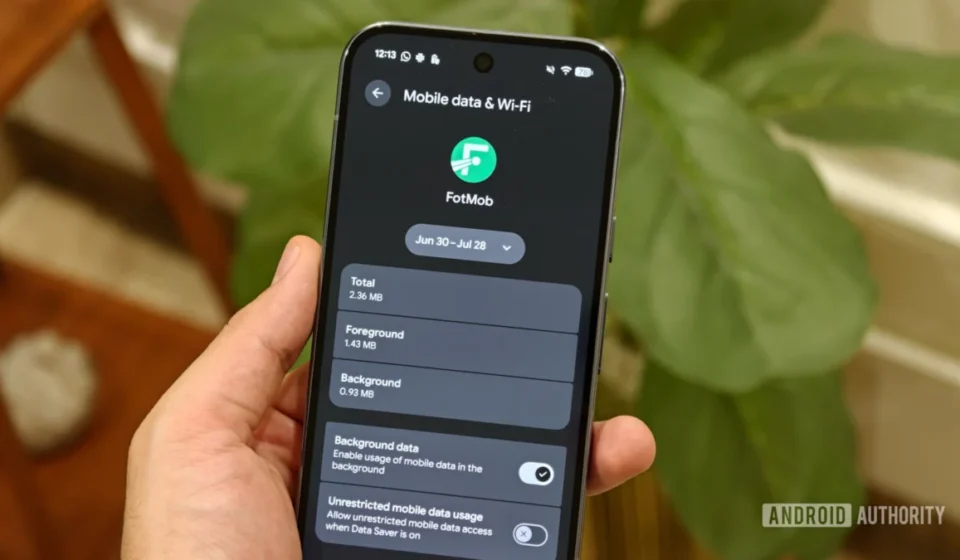
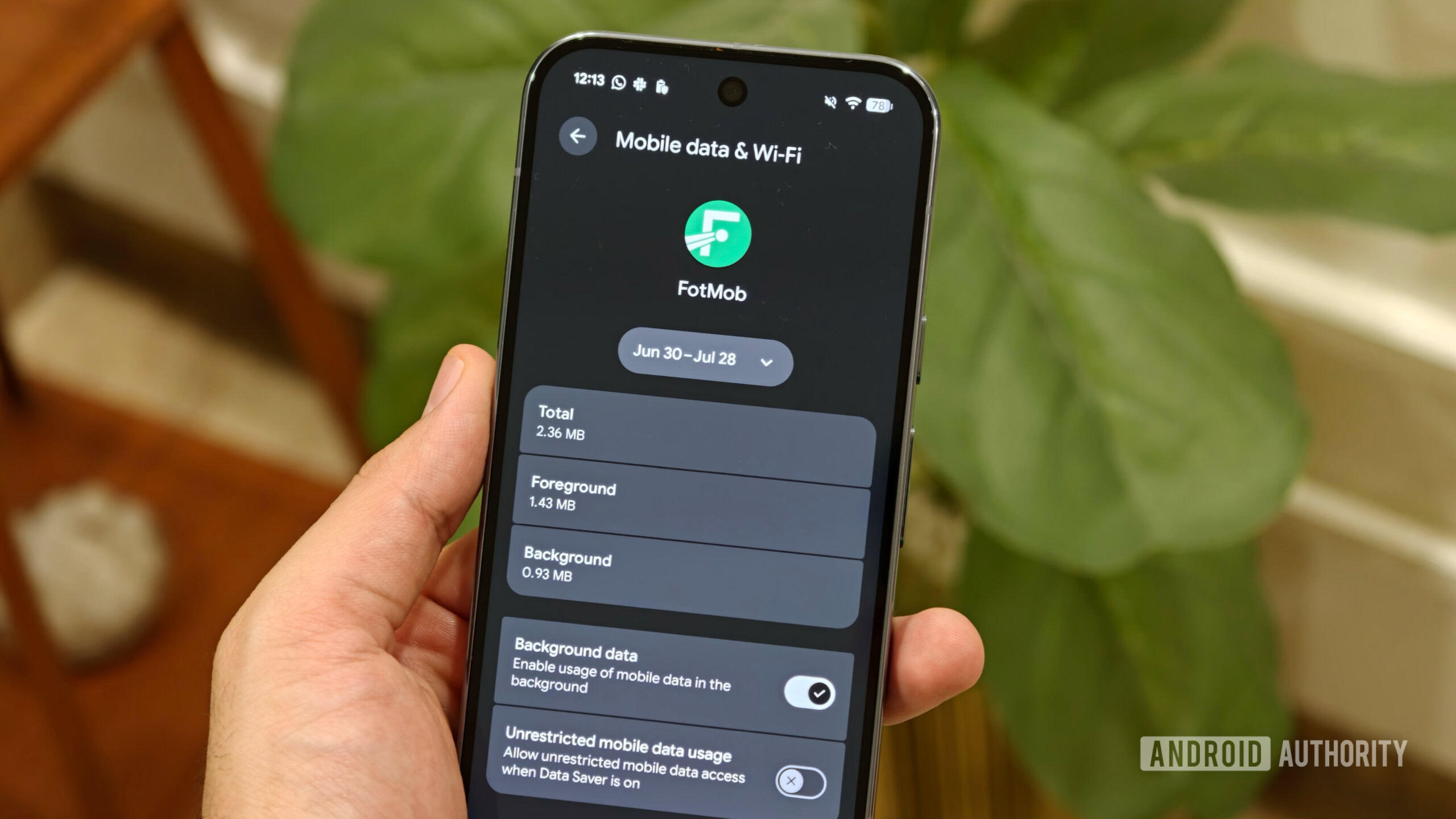
The Android Authority contributor’s experience, while financially less devastating than the AT&T incident, reveals a systemic problem. Residing outside their home network’s country, the contributor maintained a separate phone with their home SIM, explicitly disabling both mobile data and data roaming within the device settings. The phone, largely untouched and perpetually connected to a Wi-Fi network, was essentially a "paperweight," used only for occasional verification texts. Despite these stringent measures, the user was twice hit with unexpected roaming charges within a three-month period, each amounting to approximately $20. What was particularly perplexing was the carrier’s explanation: the phone had connected to mobile data for "only a fraction of a second," a connection so brief it registered "well under 200KB" of data usage. This minuscule activity, however, was sufficient to trigger a full daily roaming fee under the carrier’s policy.
The incidents consistently occurred on the final day of the month, adding another layer of mystery. Crucially, the phone’s internal data usage monitor reported zero data consumption, directly contradicting the carrier’s billing records. This disparity between device-reported usage and carrier-billed activity is at the heart of the "phantom charge" dilemma. The contributor’s attempts to seek recourse from their carrier proved frustrating; despite escalating the complaint through chatbots, agents, and supervisors, the charges were not reversed. The MNO maintained that any connection, however brief, justified the fee. This scenario mirrors similar complaints reported by other users: a Rogers customer on Reddit documented their Galaxy S24 Ultra incurring $18 daily charges for merely "0.01MB of roaming data" on multiple occasions, despite data being switched off. Another Pixel 9 owner recounted similar experiences, facing charges for identical minimal data usage on random days during a trip, even with data roaming disabled. These accounts highlight a pattern of unintended data leakage leading to significant financial penalties, challenging the efficacy of standard device-side data management controls.
The Elusive Causes of Unintended Data Leakage
The precise mechanisms behind these split-second, phantom connections remain largely opaque, creating a fertile ground for consumer frustration and distrust. Several technical possibilities and policy interpretations could contribute to this phenomenon:
One primary suspect is signaling or network registration traffic. Even when a phone’s mobile data is explicitly turned off, the device often attempts to maintain a minimal connection with the local cellular network for essential functions like receiving calls and texts. This background communication, necessary for the phone to register its presence on a roaming partner’s network, might involve tiny packets of data that, while not user-initiated, are nevertheless logged and potentially billed by the MNO. These "keep-alive" signals or network handshakes are typically so small that they wouldn’t register on a user’s data counter but could be interpreted as billable data by a carrier’s system.
Another factor could be carrier policies regarding specific services. Some MNOs may classify certain Wi-Fi-assisted services or Multimedia Messaging Service (MMS) traffic as roaming data, even if the primary data connection is supposed to be off or routed through Wi-Fi. For instance, if an MMS message is sent or received, a brief burst of mobile data might be initiated, which the carrier could then bill as roaming. Xiaomi, a prominent smartphone manufacturer, even explicitly warns users that "data roaming can occur when you use Wi-Fi-assisted services or send/receive MMS messages, even if data roaming is switched off." This highlights a potential grey area where what a user perceives as a non-data activity is, by carrier definition, a billable data event.
Furthermore, the interaction between the home carrier, the local roaming network, and the Android operating system could play a role. Variations in how different networks and devices interpret and prioritize connectivity instructions, coupled with potential software bugs or aggressive network-seeking behaviors, might inadvertently trigger momentary mobile data connections. For example, if a Wi-Fi connection momentarily drops, even for a fraction of a second, the phone’s operating system might default to mobile data before quickly re-establishing Wi-Fi, and that brief switch could be enough to incur a charge. The complexity of these interdependencies makes it exceedingly difficult for an average consumer to diagnose the exact cause, often leading to a stalemate between the customer and their service provider.
A Global Concern: The Broader Context of Roaming Charges
The issue of unexpected roaming charges is not new; it has historically been a significant pain point for international travelers. For decades, mobile network operators leveraged the lack of competition and complex inter-carrier agreements to impose exorbitant fees for voice, SMS, and especially data usage abroad. Before significant regulatory interventions, particularly in regions like the European Union, a single gigabyte of roaming data could cost hundreds, if not thousands, of dollars.
Supporting Data and Regulatory Efforts:
The European Union’s "Roam Like At Home" initiative, introduced in 2017, stands as a landmark achievement in consumer protection, effectively abolishing roaming charges for citizens traveling within the EU. This regulatory success demonstrated that it is possible to provide seamless, affordable connectivity across borders without crippling consumers with prohibitive fees. However, outside the EU and in many other parts of the world, high roaming charges persist. According to a 2023 report by Statista, global mobile data traffic continues to surge, with international travel rebounding significantly post-pandemic. While many carriers now offer "roaming passes" or daily bundles, the per-megabyte cost outside these packages or in unbundled scenarios remains disproportionately high compared to domestic rates. For instance, in some regions, a single megabyte of roaming data can cost several dollars, whereas the same amount might cost mere cents domestically. This vast disparity means that even tiny, unintended data connections can quickly escalate into substantial bills.
Economic Impact:
Roaming services represent a significant revenue stream for telecommunication companies worldwide. While specific figures are often proprietary, global roaming revenues are estimated to be in the tens of billions of dollars annually. This economic incentive, combined with the technical complexities of inter-carrier billing and network handovers, creates an environment where minimizing "leakage" or unintended charges might not always align with the MNOs’ business models. The focus tends to be on monetizing every possible connection, however small, especially when consumers are outside their home network’s jurisdiction.
Consumer Vulnerability and Carrier Responsibilities
The fundamental problem lies in the disconnect between consumer expectations of "data off" and the technical realities or billing policies that deem certain background activities as billable data. Consumers reasonably expect that if they explicitly disable mobile data and data roaming on their device, they will not incur data charges. The current situation suggests this expectation is not always met, leading to a sense of betrayal and unfairness.
Inferred Statements and Reactions:
From the perspective of mobile network operators, the argument often centers on the network’s technical logs. A hypothetical statement might be: "Our billing systems accurately record all data packets transmitted through our network and our roaming partners. Any connection, however brief, signifies a usage event, and our roaming policies clearly outline the associated charges, often structured as a daily fee for any data consumed." This stance, while technically sound from a network logging perspective, sidesteps the consumer’s intent and the proportionality of the charge.
Consumer advocacy groups, conversely, would likely argue for greater transparency and fairness. A representative might state: "It is unacceptable for consumers to incur charges for data usage they actively tried to prevent and which their device indicates did not occur. Carriers must implement clearer policies, provide granular usage alerts, and ensure that ‘data off’ truly means ‘no data charges.’ The practice of charging a full day’s fee for a few kilobytes of data is predatory and exploits technical ambiguities." Regulators globally are increasingly pressured to address these issues, with calls for stricter controls on roaming tariffs and mandatory real-time usage notifications.
The billing model itself exacerbates the problem. Many carriers employ a "daily pass" or "daily fee" structure for roaming. This means that if a phone connects to roaming data even for a millisecond and consumes a negligible amount of data (e.g., 0.01MB), the customer is charged the full daily rate, which can range from $10 to $20 or more. This "all-or-nothing" approach for minimal usage is a significant driver of bill shock, as it penalizes unintended background activity with a full day’s cost, rather than a pro-rata charge.
Navigating the Digital Minefield: Strategies to Prevent Phantom Charges
Given the complexities and the inherent risks, international travelers must adopt robust strategies to prevent phantom roaming charges. While device-side settings are a good starting point, they are clearly not foolproof.
Limitations of Device-Side Controls:
The "brute-force" methods, such as placing the phone in airplane mode, disabling the SIM, or even switching the device off entirely, offer a high degree of protection. However, these come with significant drawbacks. Airplane mode or disabling the SIM prevents the phone from receiving essential verification texts (e.g., for banking, two-factor authentication) or critical calls from home. Switching the phone off, as evidenced by the Reddit user who still faced charges, is not always a guaranteed solution, potentially due to lingering network registration events or delayed billing. Setting spending limits on an account is a useful safety net, but it is reactive, not preventative; it merely caps the potential damage rather than preventing the charges from occurring in the first place.
The Recommended Solution: Provider-Side Data-Roaming Block
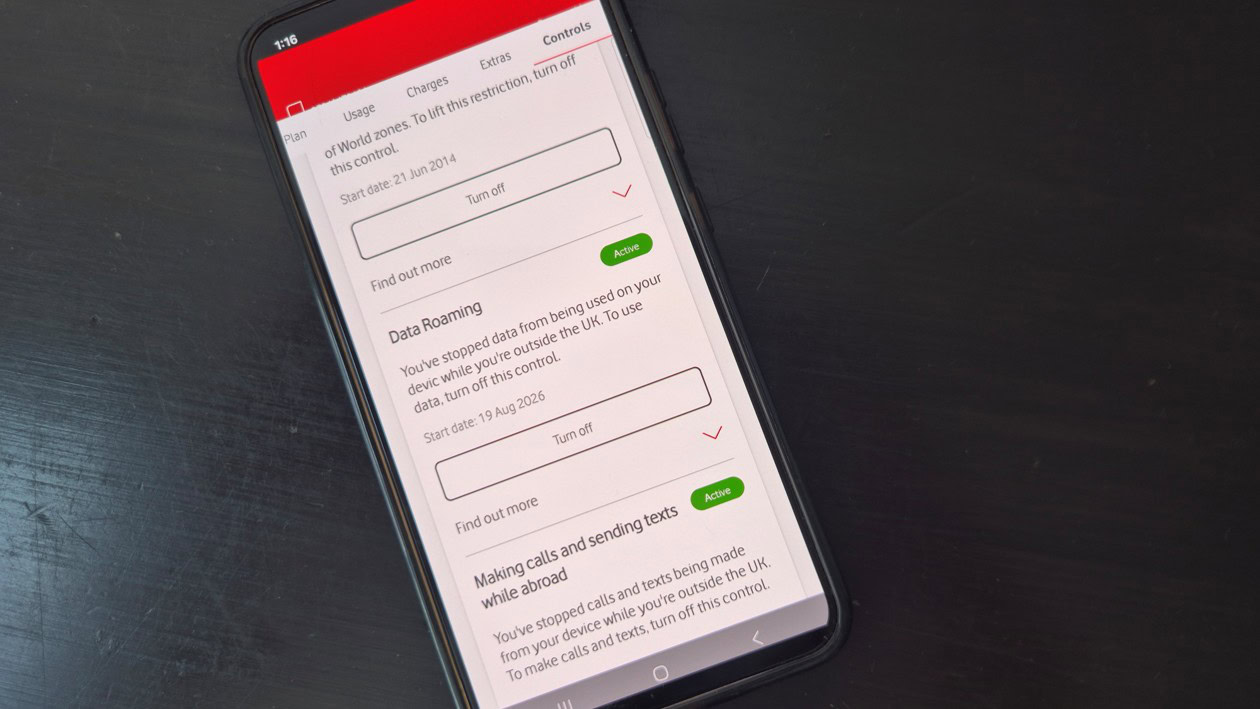
The most effective and proactive measure, if offered by the carrier, is to block data roaming at the account level. This differs fundamentally from merely switching off data roaming on the phone. When data roaming is disabled on the device, the handset is instructed not to use roaming data. However, a provider-side block means the carrier’s network itself is configured not to permit any data roaming on that specific line. This acts as an "extra lock on the door," a fail-safe that overrides any potential device misconfigurations or unintended background connections.
The Android Authority contributor ultimately adopted this strategy, requesting their carrier to place a data roaming bar on their account. This allows the phone to remain connected to Wi-Fi and receive calls and texts abroad while ensuring that no mobile data can be transmitted or billed. In such a scenario, if a data charge were to appear, the onus would unequivocally be on the carrier, as they would have failed to uphold their explicit service restriction. Travelers are strongly advised to contact their specific MNO to inquire about this option, as terminology and availability may vary. Major carriers often allow customers to manage such settings through their mobile apps or online portals, or by speaking directly with customer service.
Other Proactive Steps for Travelers:
- Utilize Local eSIMs or Physical SIMs: For extended stays or significant data needs, purchasing a local eSIM or physical SIM card at the destination can be a more cost-effective and transparent solution, providing local rates and avoiding roaming entirely.
- Strict Wi-Fi Reliance: When traveling, make a conscious effort to use Wi-Fi networks exclusively. Keep mobile data and data roaming both toggled off in device settings, and periodically check these settings, especially after software updates or reboots.
- Active Usage Monitoring: Regularly check data usage through your carrier’s app or online portal, ideally daily, to catch any unexpected charges early. Set up data usage alerts if your carrier offers them.
- Understand Carrier Roaming Policies: Before traveling, thoroughly research your carrier’s specific roaming policies, including daily rates, bundle inclusions, and how they handle incidental data usage. Pay close attention to any fine print regarding background data or specific services.
Case Studies and Regulatory Landscape
Beyond individual anecdotes, significant roaming bill shock incidents have garnered media attention globally, pushing regulators to act. For instance, stories of travelers returning from cruises or remote destinations with bills exceeding thousands of dollars are not uncommon, often due to satellite roaming charges or unexpected network handovers. In response, many countries have implemented consumer protection measures. The European Union, as mentioned, leads with "Roam Like At Home." Other regions, like Canada and the United States, have mandated automatic data usage alerts and, in some cases, spending caps, though these measures often apply only once a certain threshold has been crossed, rather than preventing the initial, tiny, and unintended charges.
The ongoing challenge for regulators is to keep pace with the rapid evolution of mobile technology and billing practices. As devices become more interconnected and background processes more pervasive, the line between "user-initiated data" and "essential network communication" blurs, creating loopholes that can be exploited, intentionally or unintentionally, by billing systems.
Implications for the Future of International Connectivity
The prevalence of phantom roaming charges erodes consumer trust in mobile network operators. When travelers take all reasonable precautions only to be blindsided by unexpected fees, it fosters resentment and encourages a skeptical approach to international mobile services. This lack of trust could accelerate the adoption of alternative connectivity solutions, such as local eSIMs, Wi-Fi-only devices, or satellite communication, as consumers seek greater control and predictability over their international communication costs.
For the telecommunications industry, these incidents underscore the need for greater transparency, clearer billing practices, and a reevaluation of what constitutes billable data, especially when minimal, non-user-initiated connections trigger disproportionately high fees. A move towards more granular, pro-rata billing for small data packets, rather than blanket daily charges, could significantly alleviate consumer pain points. Ultimately, ensuring that "data off" truly means "no data charges" is not just a matter of fairness but also crucial for maintaining consumer confidence in a globally connected world.
In conclusion, while the allure of seamless global connectivity is strong, the reality of phantom roaming charges presents a significant hurdle for international travelers. The disparity between device-reported data usage and carrier-billed events, coupled with ambiguous carrier policies, creates a treacherous landscape for consumers. The most robust defense against these unseen charges lies not solely in device settings, but in proactive measures, particularly the implementation of a provider-side data-roaming block. Until industry-wide standards ensure absolute clarity and fairness, vigilance and informed action remain the traveler’s best allies against unexpected mobile bill shock.