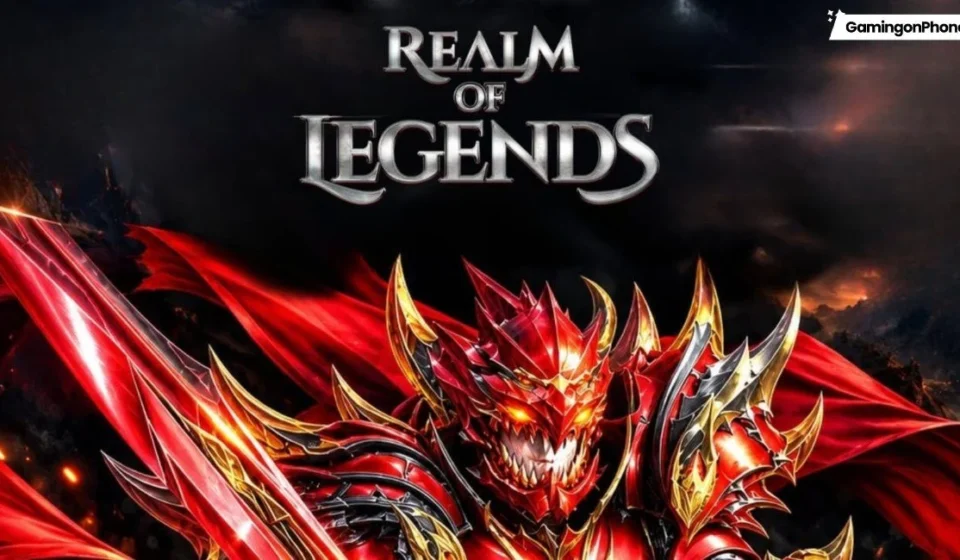

As of October 2026, the eagerly anticipated mobile MMORPG Realm of Legends from developer Keeks has yet to introduce an active redeem code system or an in-game redemption center for its player base. While the game delivers a classic isometric fantasy MMORPG experience, offering diverse classes and robust progression mechanics, the absence of promotional codes has been noted by the community. This report details the current status of redeem codes, the game’s core features, the strategic role of such codes in the mobile gaming ecosystem, and the anticipated future developments for Realm of Legends.
Understanding Realm of Legends: A Classic Mobile MMORPG Experience
Realm of Legends, developed by Keeks, is positioned as a return to the foundational elements of isometric fantasy MMORPGs, tailored for the mobile platform. The game emphasizes a shared online world where players can immerse themselves in a rich, persistent environment, engaging in cooperative and competitive gameplay. Its design ethos harks back to PC classics, focusing on character progression, strategic combat, and a deep sense of community.
Players are presented with a choice of four distinct classes, each offering a unique playstyle and developmental path:
- Dark Knight: A formidable melee combatant, the Dark Knight typically serves as the frontline tank or a heavy damage dealer, excelling in close-quarters combat with high defense and powerful offensive skills. Their progression often involves enhancing physical attributes and mastering various weapon proficiencies.
- Dark Wizard: Specializing in arcane arts, the Dark Wizard unleashes devastating magical attacks from a distance. This class is characterized by its area-of-effect spells and crowd control abilities, making it crucial for both offensive and supportive roles in group encounters. Skill development focuses on increasing magical damage, mana efficiency, and spell variety.
- Fairy Elf: The Fairy Elf typically embodies a ranged damage dealer or a versatile support character. Known for their agility and precision, they can inflict consistent damage with bows and arrows or provide vital buffs and healing to allies. Their skill trees often branch into enhancing ranged combat prowess or augmenting supportive capabilities.
- Magic Gladiator: A hybrid class, the Magic Gladiator blends elements of both physical and magical combat. This unique combination allows for adaptability in various combat scenarios, capable of engaging enemies up close with blades or from afar with spells. Progression for this class often involves balancing strength and intelligence attributes to maximize its dualistic combat potential.
Each class in Realm of Legends features an intricate skill tree, allowing for deep customization and strategic specialization. Players accumulate experience points by defeating enemies and completing quests, which in turn unlocks new abilities and stat improvements. The game’s progression system also includes the acquisition of diverse gear, ranging from common items to legendary artifacts, each contributing significantly to a character’s power level. Furthermore, players can unlock new abilities through special items like orbs and scrolls, culminating in significant milestones such as a "second class change," which typically offers advanced specializations and enhanced capabilities, enriching the long-term engagement for players. The interactive tutorial system ensures that new players are smoothly introduced to the game’s mechanics and objectives, facilitating a streamlined entry into the expansive world.
The Strategic Role of Redeem Codes in Mobile MMORPGs
Redeem codes are a ubiquitous and highly effective tool in the mobile gaming industry, particularly within the free-to-play (F2P) MMORPG genre. These alphanumeric strings, often distributed by developers, serve multiple strategic purposes that extend beyond simply granting free items.
Player Acquisition and Retention: Codes act as powerful incentives. For new players, they can provide a valuable head start, offering essential resources, currency, or even rare items that accelerate early-game progression and reduce the initial grind. This can significantly improve the first-time user experience and encourage new players to commit to the game. For existing players, codes serve as loyalty rewards, acknowledging their continued engagement and encouraging them to return daily or participate in specific events. The anticipation of new codes often keeps players checking game news and social media channels.
Community Engagement and Social Media Presence: Developers frequently tie code releases to community milestones (e.g., reaching a certain number of followers on social media, achieving download targets), livestream events, or partnerships. This strategy not only rewards the community but also drives traffic to official channels, fosters interaction, and expands the game’s reach. By requiring players to follow official accounts or participate in events to obtain codes, developers cultivate a more active and engaged fan base.

Monetization Support in Free-to-Play Models: While seemingly offering "free" rewards, redeem codes subtly support the game’s monetization strategy. They can provide players with a taste of premium currencies or items that might otherwise be locked behind paywalls. This exposure can make players more likely to make in-app purchases in the future if they find the premium content valuable. For instance, a code offering a small amount of premium currency might encourage a player to buy more to complete a specific purchase. Codes can also alleviate some of the pressure on free players, allowing them to progress without feeling entirely excluded from premium benefits, thereby widening the game’s accessible audience.
Event-Driven Promotions and Content Updates: Redeem codes are often synchronized with major game updates, seasonal events (e.g., Halloween, Christmas), game anniversaries, or significant content expansions. This creates excitement around these events, driving player participation and re-engagement. For example, a code released during a new expansion launch might offer items relevant to the new content, encouraging players to explore it.
Types of Rewards: The rewards offered through redeem codes are diverse and tailored to enhance the player experience. Common rewards include:
- In-game currency: Gold, silver, or premium gems/diamonds.
- Experience boosts: Items or temporary buffs that accelerate character leveling.
- Crafting materials: Essential components for upgrading gear or crafting new items.
- Consumables: Health potions, mana potions, scrolls of teleportation.
- Cosmetic items: Unique outfits, weapon skins, or mounts that offer no statistical advantage but allow for character personalization.
- Gacha pulls/Summoning tickets: Items that grant a chance to acquire rare characters, pets, or gear from the game’s gacha system.
Current Status of Redeem Codes in Realm of Legends (October 2026)
As of the latest verification on October 12th, 2026, Realm of Legends does not currently feature an active redeem code system. Extensive research and in-game exploration confirm that there is no dedicated redemption center within the game’s interface, nor have any official redeem codes been released by Keeks. The table tracking active codes remains populated with "TBA" (To Be Announced) entries, signifying that rewards, availability, and specific codes are yet to be determined.
This situation, while not uncommon for games in their early post-launch or ongoing development phases, presents a unique scenario for a mobile MMORPG. Players of the genre are typically accustomed to a steady stream of promotional codes designed to enhance their experience and reward their dedication. The absence of such a system might indicate several potential strategies or current priorities for Keeks:
- Focus on Core Gameplay and Stability: It is plausible that Keeks is prioritizing the refinement of Realm of Legends‘ core gameplay mechanics, server stability, and content delivery. Introducing a redeem code system, while beneficial for engagement, requires backend infrastructure, distribution channels, and careful balancing of rewards to avoid disrupting the in-game economy. Developers often choose to solidify the fundamental player experience before layering on additional promotional features.
- Strategic Delay for Major Events: Keeks may be reserving the introduction of redeem codes for significant future milestones. This could include major content updates, seasonal events, the game’s first anniversary, or achieving specific player count targets. By holding back, the developer can create a larger impact when codes are eventually launched, tying them to high-profile events for maximum effect.
- Early Operational Phase: Despite being live, Realm of Legends could still be considered in an early operational phase where the focus is on gathering player feedback, iterating on features, and ensuring a robust foundation. Promotional tools like redeem codes might be integrated once the game reaches a more mature state.
- Alternative Engagement Strategies: It is also possible that Keeks is currently exploring or implementing alternative community engagement and player reward systems that do not rely on traditional redeem codes. However, given the industry standard, the eventual inclusion of a redeem code system is highly anticipated.
Developer Communication and Future Prospects
Despite the current absence, the expectation within the Realm of Legends community is that redeem codes will eventually be introduced. Developers typically leverage various official channels to announce and distribute these codes:
- Official Social Media Handles: Platforms such as Twitter, Facebook, Instagram, and Discord are primary conduits for code dissemination. By following Realm of Legends‘ official pages, players can stay informed about new code releases, community events, and game updates.
- Official Websites and Forums: Developer blogs, game news sections on official websites, and community forums are also common places where codes are posted. These platforms often provide detailed instructions on how to use codes once a redemption system is in place.
- In-Game Announcements: Once a redemption system is implemented, codes may also be announced directly within the game through pop-up notifications, mailboxes, or dedicated news sections, ensuring that active players are immediately aware.
- Livestream Events: Many developers host livestreams on platforms like Twitch or YouTube, where they showcase new content, interact with the community, and often reveal exclusive codes as a reward for viewers.
The anticipated release of codes is likely to coincide with significant game milestones. These could include server updates, major content patches, celebratory events like game anniversaries, or reaching specific user engagement targets. When new codes are released, they are invariably published on the developers’ official communication channels.
This article will be updated promptly as soon as Keeks introduces a redeem code system or releases any active codes for Realm of Legends. Players are strongly advised to monitor official game channels and reputable gaming news outlets for the most current information. The commitment to providing timely updates aims to ensure that players can maximize their in-game progression by utilizing any future codes effectively.

Implications for Game Economy and Player Progression
The current lack of redeem codes in Realm of Legends has direct implications for the game’s economy and player progression, particularly for free-to-play users. Without the periodic influx of free resources, currency, or items that codes typically provide, players must rely solely on in-game activities (grinding, quests, events) or direct in-app purchases to acquire necessary resources.
- Increased Reliance on Grinding: Free-to-play players may experience a slower progression curve compared to games that regularly offer codes, requiring more time investment in repetitive tasks to gather materials, experience, and currency.
- Impact on In-App Purchases: For players who wish to accelerate their progress or acquire premium items, the absence of free alternatives might increase the perceived necessity of making in-app purchases. This could be part of Keeks’ early monetization strategy, focusing on direct sales before introducing supplemental free rewards.
- Economic Balance: While codes can boost player satisfaction, their introduction must be carefully balanced to avoid devaluing in-game items or currencies, which could disrupt the overall economic stability. Keeks might be meticulously planning the economic impact before rolling out such a system.
- Fairness Perception: In a competitive MMORPG environment, codes can sometimes help bridge the gap between paying and non-paying players, offering a baseline of free rewards that enhances the experience for everyone. Their absence means that progression disparities might be more pronounced in the initial stages.
Comparative Analysis: Redeem Codes in the Mobile MMORPG Landscape
Examining the broader mobile MMORPG landscape reveals that redeem codes are a standard and highly effective feature adopted by many successful titles. Games like Genshin Impact, Tower of Fantasy, Honkai: Star Rail, and various MU Online derivatives (e.g., MU Origin, MU Archangel) frequently utilize redeem codes to engage their communities.
- Genshin Impact is renowned for its consistent release of codes during special announcements, livestreams, and patch updates, offering valuable Primogems (premium currency) and other ascension materials. This strategy keeps its massive player base highly engaged with official content.
- Tower of Fantasy similarly provides codes for Dark Crystals, gold, and upgrade materials, often tied to game maintenance, new character banners, or community events, ensuring players feel rewarded for their loyalty.
- Even older mobile MMORPGs, which have been active for years, continue to use codes to celebrate anniversaries or significant content releases, demonstrating their long-term utility in maintaining player interest.
The widespread adoption and proven success of redeem code systems in leading mobile MMORPGs underscore the player expectation for such features in titles like Realm of Legends. When Keeks eventually implements this system, it will likely be met with significant positive reception from the player base.
Conclusion
Realm of Legends by Keeks offers a compelling classic isometric fantasy MMORPG experience for mobile users, featuring deep character progression through its four distinct classes: Dark Knight, Dark Wizard, Fairy Elf, and Magic Gladiator. While the game provides an immersive shared online world and engaging combat, the absence of an active redeem code system and an in-game redemption center as of October 2026 is a notable point for its community.
The strategic importance of redeem codes in mobile gaming for player acquisition, retention, community engagement, and supporting the free-to-play model cannot be overstated. Their eventual introduction is highly anticipated, and it is expected that Keeks will leverage these tools to enhance player experience, celebrate milestones, and foster a vibrant community. Players are encouraged to remain vigilant by monitoring Realm of Legends‘ official social media channels and news outlets. This article will be updated immediately upon the release of any official redeem codes or the implementation of a redemption system, ensuring that players have access to the most current information to aid their journey through the world of Realm of Legends.