Samsung Launches Galaxy Card in the U.S. to Compete with Apple Card, Offering Enhanced Rewards and Samsung Ecosystem Integration

Samsung has officially entered the competitive U.S. credit card market with the announcement of the Samsung Galaxy Card, a new financial product developed in partnership with Barclays. This strategic move, detailed in a press release on July 20, 2026, positions Samsung to directly challenge Apple’s established presence in the digital wallet and rewards space with its own branded credit card. The Galaxy Card is designed to integrate seamlessly into the Samsung ecosystem, offering a suite of benefits aimed at its loyal customer base and those seeking a mobile-first financial experience.
A New Contender in the Digital Wallet Arena
The Samsung Galaxy Card operates as a standard Visa credit card, providing users with a familiar payment method while embedding a robust rewards program and exclusive financing options for Samsung Galaxy devices. This launch signifies a significant expansion of Samsung’s financial services ambitions, mirroring the strategy Apple has employed with the Apple Card. Both products aim to deepen customer loyalty by offering integrated financial tools that enhance the ownership experience of their respective hardware ecosystems.
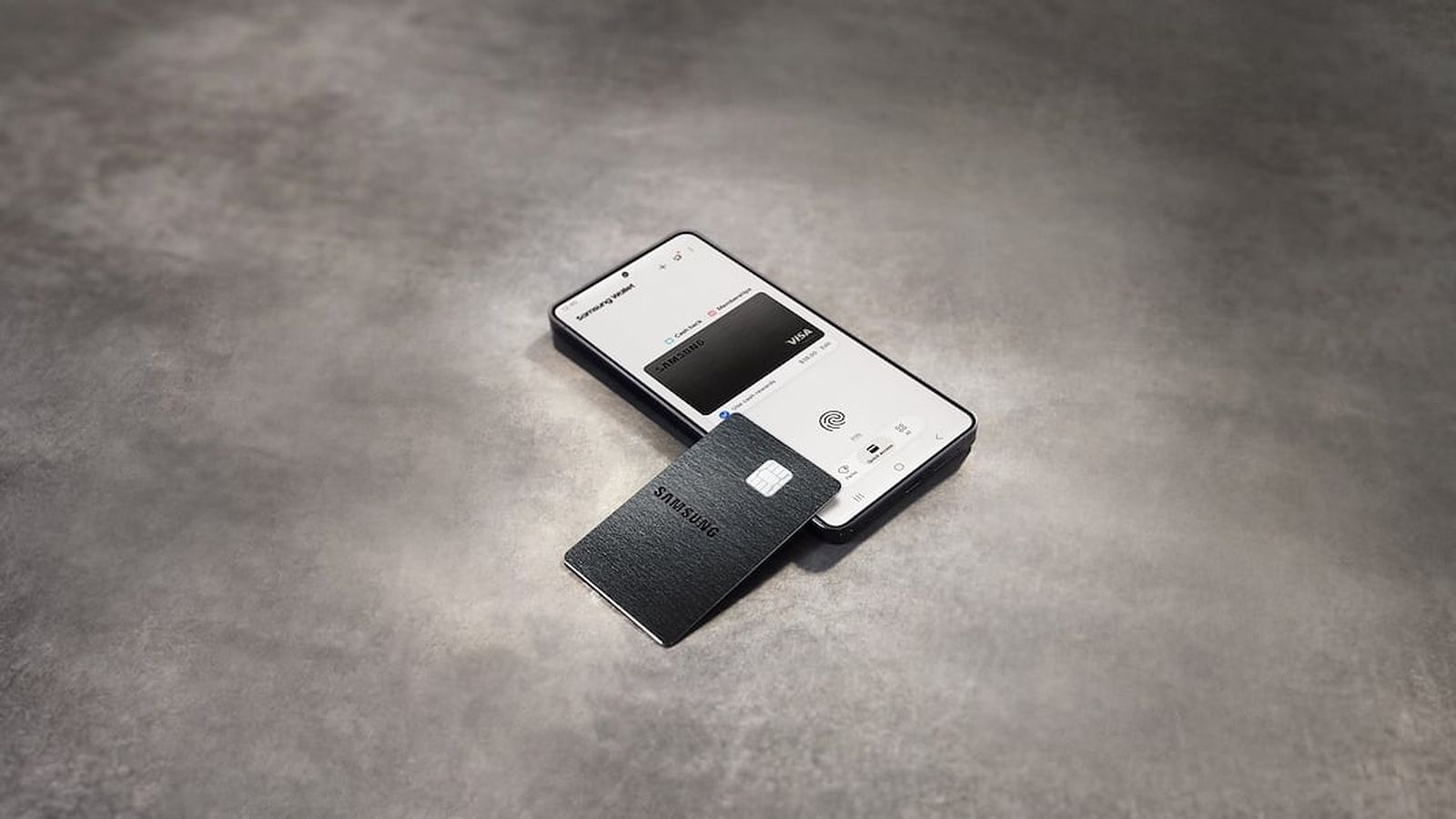
Unlike traditional credit cards that often require a separate banking application, the Samsung Galaxy Card is built around the Samsung Wallet. This approach mirrors the Apple Card’s integration with the Apple Wallet, emphasizing a streamlined, digital-first management experience. Users will be able to apply for, manage, and utilize their Galaxy Card directly within the Samsung Wallet app, which also serves as a hub for digital passes, IDs, and keys, further solidifying the card’s role as a central component of the user’s digital life.
Barclays has highlighted the Samsung Galaxy Card as its first credit card designed specifically for digital wallet integration, underscoring a shift in financial product development towards mobile-centric solutions. This move by Barclays also suggests a growing trend of financial institutions partnering with tech giants to tap into their extensive user bases and leverage their technological infrastructure.
Rewards Structure and Financing Options
The Samsung Galaxy Card aims to entice consumers with a competitive rewards program and attractive financing. The card boasts no annual fee, a common feature among digitally focused credit cards. Cardmembers will earn 5% cash rewards on purchases made directly from Samsung in the U.S., whether online or in-store. This high reward rate is a clear incentive for users to consolidate their Samsung purchases onto the card.
Further enriching the rewards structure, the card offers 3% cash rewards on purchases made using Samsung Wallet, extending the benefits beyond direct Samsung transactions to a broader range of merchants that accept the digital payment method. Additionally, cardholders will receive 2% cash rewards on purchases made from streaming services, such as Netflix, Disney+, and Spotify, and a baseline of 1% cash rewards on all other eligible purchases.
For new applicants, Samsung is offering a compelling introductory bonus: $200 in cash rewards upon spending $2,000 within the first 90 days of account opening. This incentive is designed to encourage immediate adoption and usage. Furthermore, new cardholders will receive a 20% discount on the Samsung VIP Advantage membership when using their Galaxy Card, adding another layer of value for dedicated Samsung users.
In terms of financing, the Samsung Galaxy Card provides special options for Samsung Galaxy devices purchased directly through Samsung. This feature directly competes with the financing options available for Apple devices through the Apple Card, aiming to make Samsung hardware more accessible to consumers through installment plans.
A Strategic Rollout and Competitive Landscape
The Samsung Galaxy Card will be available for application online and in Samsung retail stores starting July 22, 2026. This launch date strategically coincides with the Samsung Unpacked event, where the company is widely expected to unveil its latest Galaxy foldable smartphones. This timing allows Samsung to generate significant buzz around both its new hardware and its new financial product, creating a synergistic marketing effect.
The introduction of the Galaxy Card intensifies the rivalry between Samsung and Apple, not just in the smartphone market but also in the burgeoning digital finance sector. The Apple Card, launched in partnership with Goldman Sachs and soon to be transitioned to JPMorgan Chase, has already established a strong foothold with its focus on simplicity, privacy, and rewards tied to Apple’s ecosystem. Samsung’s entry with the Galaxy Card signals a direct attempt to capture a similar segment of the market, particularly among its vast global user base.
Design and Availability
Upon approval, the Samsung Galaxy Card will be immediately available for use within Samsung Wallet. Samsung will also ship a physical version of the card, described as a black metal card. This aesthetic choice stands in contrast to the white titanium finish of the Apple Card, offering a distinct visual identity for Samsung users. The physical card’s premium material further aligns with the high-end perception Samsung aims to cultivate for its flagship products.
The move to launch a co-branded credit card is a well-established strategy for technology companies seeking to enhance customer loyalty and create new revenue streams. By embedding financial services directly into their hardware and software ecosystems, companies can create a more cohesive and rewarding user experience, thereby increasing customer retention and reducing churn. The success of the Apple Card has likely served as a significant motivator for Samsung to pursue a similar path.
Analysis of Implications
The Samsung Galaxy Card’s success will hinge on several factors. Firstly, its ability to deliver on its promised rewards and financing benefits consistently will be crucial. Secondly, the ease of use and integration within Samsung Wallet will be paramount; if the digital management experience is clunky or less intuitive than Apple’s offering, it could deter adoption.
From a competitive standpoint, the Galaxy Card forces consumers to weigh the benefits of each ecosystem. For users deeply entrenched in the Apple ecosystem, the Apple Card offers unparalleled integration. Similarly, for dedicated Samsung users, the Galaxy Card promises a tailored experience that complements their existing devices. The increased competition in this space is likely to benefit consumers, as both companies will be motivated to offer increasingly attractive terms and features to gain market share.
The partnership with Barclays is also noteworthy. As a major financial institution, Barclays brings extensive experience in credit card issuance and risk management. Their role in developing and managing the Samsung Galaxy Card suggests a robust operational framework behind the product. This collaboration allows Samsung to focus on the user experience and ecosystem integration, while Barclays handles the complexities of credit card operations.
Furthermore, the launch of the Galaxy Card could signal Samsung’s broader strategy to expand its financial services offerings beyond just credit cards. As digital wallets become more sophisticated, they have the potential to evolve into comprehensive financial hubs, offering services like peer-to-peer payments, budgeting tools, and even investment opportunities. The Galaxy Card could be a foundational step in this direction for Samsung.
The timing of the launch, coinciding with new foldable releases, also suggests an attempt to capitalize on the excitement surrounding new technology. Consumers looking to purchase the latest Samsung devices might be more inclined to apply for the Galaxy Card, especially with the allure of special financing and immediate rewards. This integrated approach to product launches and financial services could become a more common strategy in the tech industry.
Broader Industry Trends
The Samsung Galaxy Card’s debut is a clear indicator of a broader industry trend: the convergence of technology and finance. As consumers become more reliant on their smartphones for various aspects of their lives, integrating financial services into these devices becomes a natural progression. This trend is driven by the desire for convenience, personalization, and seamless integration of digital tools.
Companies like Samsung and Apple are leveraging their vast user bases and technological prowess to disrupt traditional financial services. By offering digital-first, rewards-driven credit cards, they are not only deepening customer loyalty but also creating new revenue streams and gathering valuable data that can inform future product development.
The success of these tech-driven financial products could also pressure traditional banks and credit card companies to innovate further. The emphasis on user experience, transparent rewards, and mobile integration set by the Apple Card and now the Samsung Galaxy Card may force established players to re-evaluate their own offerings and digital strategies.
In conclusion, the Samsung Galaxy Card represents a significant strategic move by Samsung to strengthen its ecosystem and compete directly with Apple in the digital wallet and rewards market. With its attractive rewards, integrated functionality within Samsung Wallet, and a clear focus on Samsung device owners, the card is poised to become a key component of Samsung’s strategy to deepen customer engagement and loyalty in the coming years. The ensuing competition between Samsung and Apple in this sector is expected to drive further innovation and benefit consumers with enhanced financial products and services.