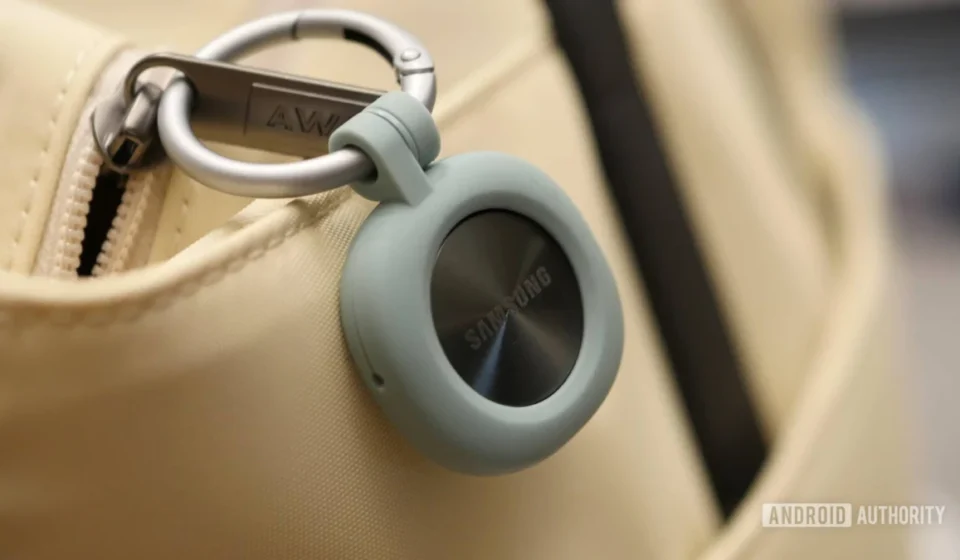
Samsung SmartTag 3 Breaks Compatibility Barriers with Broad Android and iOS Support

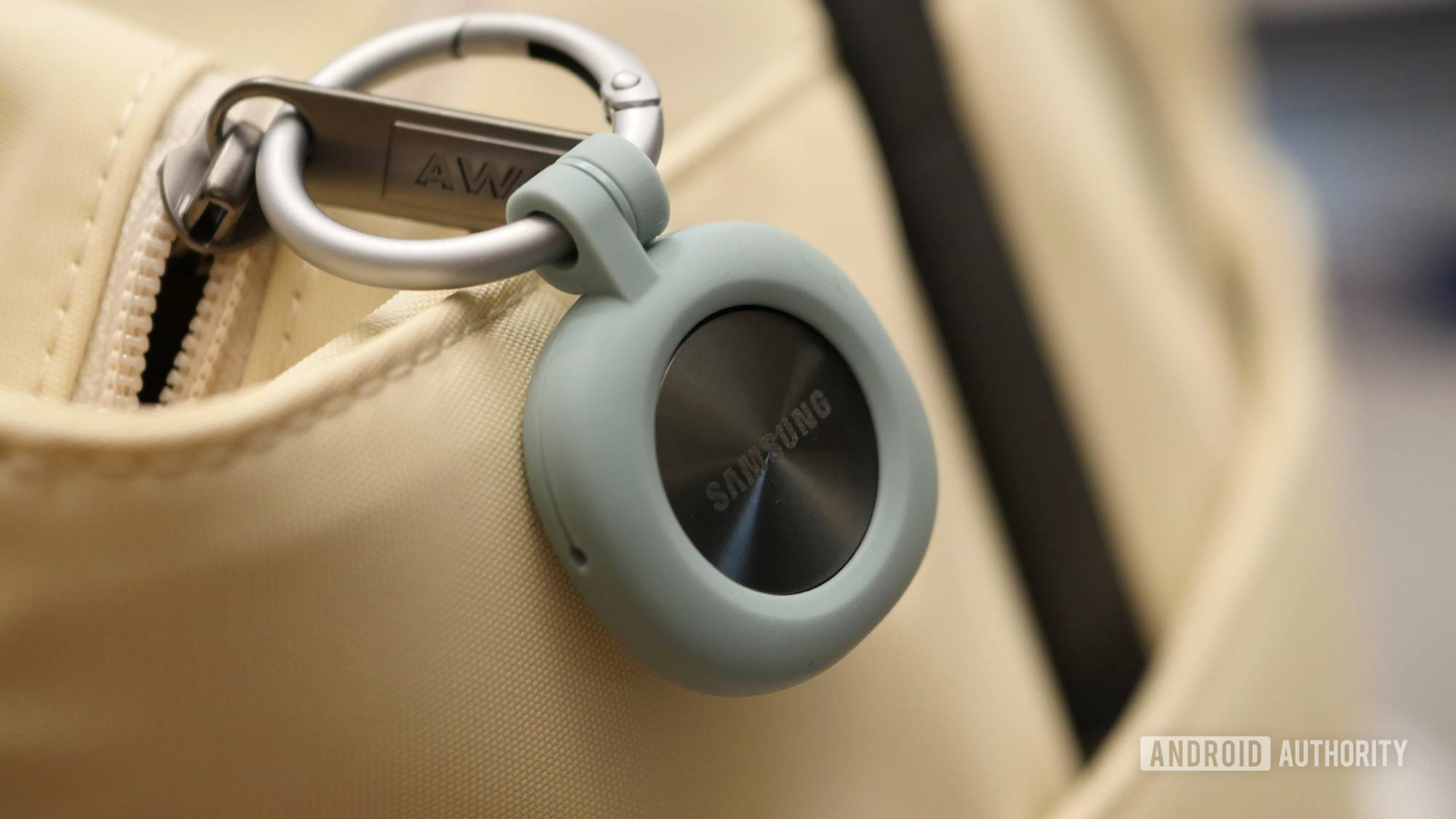
Samsung has officially confirmed a significant expansion of its SmartTag 3’s device compatibility, marking a strategic pivot from its historically Galaxy-exclusive approach. This latest iteration of Samsung’s popular item tracker, unveiled last week alongside the new Galaxy Tab S12 Plus and Ultra tablets, will now offer support for a wider array of Android devices and, notably, Apple’s iOS ecosystem. This move is poised to fundamentally alter the competitive landscape of the smart tracker market, offering unprecedented flexibility to consumers beyond the confines of Samsung’s own device ecosystem.
The Evolution of Samsung’s Tracking Ecosystem: From Exclusivity to Inclusivity
For years, Samsung’s SmartTag series, including its predecessors like the original SmartTag and SmartTag 2, operated primarily within a walled garden. These devices were designed to leverage the extensive network of Galaxy smartphones to locate lost items, but their utility was strictly tethered to Samsung’s proprietary ecosystem. For instance, the SmartTag2, a competent tracker in its own right, explicitly listed compatibility with a specific range of Galaxy devices, including the Galaxy S24, S25, S26 series, Galaxy Z Fold, Galaxy Z Flip, and Galaxy A series smartphones, all requiring the latest version of the SmartThings application. This meant that users with non-Samsung Android phones or, indeed, iPhones, were effectively excluded from utilizing Samsung’s tracking solution, despite the global prevalence of these devices. This approach, while fostering loyalty within the Galaxy brand, inherently limited the potential market reach and overall utility of the SmartTag series.
The rationale behind such exclusivity often stems from a desire to strengthen ecosystem lock-in, encouraging users to remain within a brand’s product family. By offering unique features or superior integration that only works with their own devices, companies aim to create a sticky user experience. However, in an increasingly interconnected world, where users often own a mix of devices from different manufacturers, rigid ecosystem boundaries can become a hindrance rather than a benefit. The smart tracker market, in particular, thrives on the density of its locating network; the more devices that can detect a tracker, the more effective it becomes. Limiting this network to a single brand’s devices, while still substantial, naturally puts it at a disadvantage compared to a more open, pervasive network.
The launch of the SmartTag 3 signals a clear departure from this strategy, reflecting a broader industry trend towards greater interoperability and user choice. This shift is not merely an incremental update but a foundational change in how Samsung positions its smart tracking technology in the global market.
A New Era of Cross-Platform Accessibility: Android 12+ and iOS Support
The most groundbreaking revelation regarding the SmartTag 3 is its newfound, broad device compatibility. While initial announcements hinted at iPhone support, the specifics for the wider Android landscape remained somewhat ambiguous. However, as the SmartTag 3 begins its rollout, starting with availability in South Korea this week (with US sales slated for November), Samsung’s regional product pages and direct confirmations are clarifying the full scope of this expansion.
Crucially, the SmartTag 3 will now support general Android devices running Android 12 or later, provided they have access to the Google Play Store to download the necessary SmartThings and Samsung Find applications. This move instantly unlocks a vast segment of the global smartphone market that was previously unable to utilize Samsung’s trackers. According to recent market analysis, Android dominates the global smartphone operating system market, holding an estimated 70-80% share, with numerous manufacturers producing devices running Android 12 and newer versions. By extending compatibility to this expansive user base, Samsung significantly broadens its potential customer pool and, more importantly, enhances the effectiveness of its tracking network. A larger pool of active Android devices means a denser network capable of passively detecting SmartTag 3 units, thereby improving the accuracy and reliability of locating lost items.
Equally significant is the inclusion of iPhone support. This is a direct challenge to Apple’s own AirTag, which has been highly successful due to its seamless integration with the Find My network and the massive global installed base of iOS devices. While the exact level of integration with iOS and the specific features available on iPhones will be crucial details, the mere ability for iPhone users to employ a Samsung SmartTag 3 represents a major step towards platform agnosticism in the smart tracker space. This decision acknowledges the reality of a multi-device household, where an iPhone user might also own Samsung appliances or other smart home devices, seeking a unified tracking solution.
Official Confirmation and Technical Nuances
The formal confirmation of this expanded compatibility came after inquiries to Samsung. Android Police specifically reached out to the company, receiving an unequivocal statement: "Yes, SmartTag3 is compatible with other Android devices that have access to the Google Play Store to download the SmartThings and Samsung Find app." This direct confirmation removes any lingering doubt and sets a clear precedent for the SmartTag 3’s market positioning.
The requirement for the SmartThings and Samsung Find apps is a logical one. These applications serve as the central hub for managing and locating SmartTags, providing the user interface and connectivity to Samsung’s broader tracking infrastructure. For Android users, this means a straightforward download from the Google Play Store. For iOS users, it would necessitate a similar app download from the Apple App Store, integrating the SmartTag 3 into a new layer of their digital ecosystem.
However, while broad compatibility is a major win, Samsung has also clarified that certain advanced features of the SmartTag 3 will remain exclusive to its high-end Galaxy devices. Specifically, the "Compass View" functionality, which offers precise, augmented reality-like directional guidance to a lost item, is restricted. This feature is available only on Galaxy devices running Android 12 or higher that support Ultra-Wideband (UWB) technology or Bluetooth Channel Sounding.
Deep Dive into Advanced Features: UWB and Bluetooth Channel Sounding
The distinction in feature compatibility highlights the technical complexities involved in precision tracking. Ultra-Wideband (UWB) is a short-range radio technology that provides extremely accurate spatial and directional awareness. Unlike Bluetooth, which can tell you if a device is nearby, UWB can pinpoint its exact location and direction within centimeters. This precision is what enables features like Apple’s "Precision Finding" for AirTags and Samsung’s "Compass View" for SmartTags.
However, UWB technology requires specialized hardware. Not all smartphones, even modern ones, are equipped with UWB chips. Typically, UWB is found in premium flagship devices, such as the latest iPhone Pro models and Samsung’s top-tier Galaxy S Ultra and Z Fold series. This hardware limitation naturally restricts the availability of UWB-dependent features.
Samsung’s statement further specifies that Bluetooth Channel Sounding is another technology enabling these advanced features, currently supported only on the Galaxy Z Fold 8 Ultra, Galaxy Z Fold 8, Galaxy S26 Ultra, and Galaxy S26+. This indicates Samsung is exploring multiple avenues to achieve high-precision tracking, potentially to expand its reach even to devices that might not have UWB but can leverage advanced Bluetooth capabilities. As the statement suggests, additional devices are expected to support Bluetooth Channel Sounding in the future, indicating ongoing development in this area.
For users without UWB-capable Galaxy devices, the SmartTag 3 will still function effectively using standard Bluetooth Low Energy (BLE) for proximity detection and the extensive network of compatible devices for wider-area location tracking. The lack of Compass View, while a premium feature, does not diminish the core utility of finding lost items within a reasonable range or relying on the crowd-sourced network for items further afield.
Strategic Implications in the Smart Tracker Market
Samsung’s decision to open up SmartTag 3 compatibility carries significant strategic implications for the smart tracker market.
Firstly, it positions the SmartTag 3 as a more direct and formidable competitor to Apple’s AirTag. AirTags have largely dominated the premium segment of the market due to their superior precision finding (via UWB) and the sheer scale of Apple’s Find My network. By embracing broader Android and iOS support, Samsung is attempting to leverage the collective power of both Android and iOS devices to build a tracking network that can rival, or even surpass, Apple’s in terms of sheer geographical coverage. While an Android-centric network might still be less unified than Apple’s tightly controlled ecosystem, the sheer volume of Android devices could compensate.
Secondly, this move puts pressure on other players in the smart tracker space, such as Tile. Tile has historically differentiated itself through cross-platform compatibility and a focus on its own proprietary network. With Samsung now offering a similar level of broad support, combined with its vast manufacturing and marketing capabilities, Tile might face increased competition. However, Tile also has a history of integrating its technology into third-party devices, which could still be a unique selling proposition.
Thirdly, it signals a potential shift in Samsung’s broader ecosystem strategy. While Samsung has heavily invested in its SmartThings platform to integrate its diverse product portfolio, this move suggests a recognition that a more open approach can yield greater dividends in certain product categories. It might indicate a future where Samsung accessories are designed to appeal to a wider audience, regardless of their primary smartphone brand, fostering growth through interoperability rather than exclusivity. This could be a precursor to similar compatibility expansions for other Samsung smart devices, blurring the lines between ecosystems.
Benefits and Challenges for Consumers
For consumers, the expanded compatibility of the SmartTag 3 presents several clear benefits:
- Increased Choice: Users are no longer forced to choose a tracker based on their phone’s brand. An iPhone user might now consider a SmartTag 3, and a user with a Google Pixel or OnePlus phone can confidently purchase a Samsung tracker.
- Enhanced Convenience: In multi-device households, individuals can now manage all their SmartTags from their preferred device, whether it’s an iPhone, a Samsung Galaxy, or another Android phone. This simplifies the tracking experience.
- Wider Network: A more expansive network of compatible devices, spanning both Android and iOS, means a greater chance of locating a lost item, particularly in densely populated areas. The more devices participating in the tracking network, the more robust and effective the system becomes.
- Competitive Pricing: Increased competition in the smart tracker market, spurred by Samsung’s move, could lead to more competitive pricing and innovation, benefiting consumers further.
However, this expanded access also brings potential challenges, particularly concerning privacy and security. While both Apple and Samsung have implemented robust anti-stalking measures in their respective tracking systems, integrating two massive and distinct operating system ecosystems adds layers of complexity. Ensuring consistent privacy protections and anti-tracking features across different Android manufacturers and iOS will be paramount. Samsung will need to clearly communicate how its privacy protocols function across this broader network and ensure that user data is protected regardless of the device used to manage the SmartTag 3.
The Broader Landscape of Interoperability and Future Outlook
Samsung’s strategic decision with the SmartTag 3 aligns with a growing trend towards interoperability in the tech industry. Initiatives like Matter for smart home devices, which aims to create a unified standard across different ecosystems, highlight a desire among consumers and manufacturers alike for less fragmented experiences. By opening up its SmartTag ecosystem, Samsung is demonstrating a willingness to participate in this broader movement, recognizing that an inclusive approach can sometimes be more beneficial than a strictly proprietary one.
Looking ahead, this move could pave the way for further collaboration or competition between major tech players. It remains to be seen how Apple will react to a prominent competitor’s tracker gaining traction on its platform. This shift could also encourage other Android manufacturers, like Google, to either enhance their own tracking solutions or collaborate more openly with existing players.
The SmartTag 3, with its broadened compatibility, is more than just an accessory update; it’s a statement about Samsung’s evolving strategic vision. By prioritizing wider accessibility and user convenience, Samsung is not only enhancing the appeal of its latest tracker but also reshaping its position in the competitive and rapidly expanding market for smart item locators. This decision marks a pivotal moment, signaling a future where the utility of smart devices transcends traditional brand loyalties.