Apple’s 20th Anniversary iPhone Set for 2027 Unveiling with Revolutionary Design and Technologies

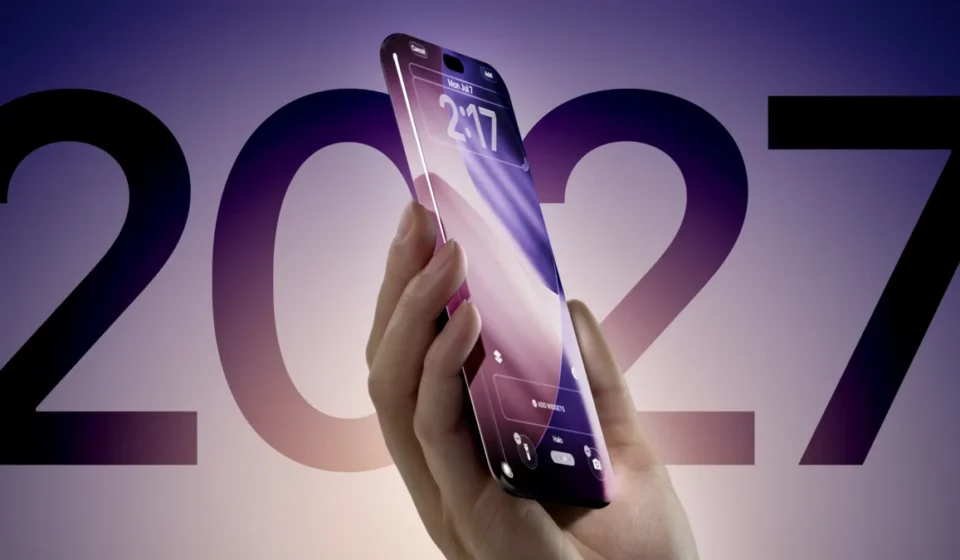
The highly anticipated 20th anniversary iPhone, slated for release in the fall of 2027, is poised to usher in the most transformative redesign the iconic smartphone has experienced since the groundbreaking introduction of the iPhone X. This landmark device, marking two decades since the original iPhone’s debut, is expected to redefine smartphone aesthetics and functionality, potentially setting a new benchmark for the industry, much like its predecessor did a decade prior.
The original iPhone was first unveiled by Apple in January 2007, with its commercial release following in June of that year. This places the device’s official 20th anniversary on June 29, 2027. While this date falls in the summer, Apple has historically adhered to its established September launch window for major iPhone releases. Consequently, the anniversary models are anticipated to follow suit, launching in the autumn of 2027. This aligns with Apple’s strategy in 2017 when the iPhone X, commemorating the 10th anniversary of the original iPhone, was also launched in November, deviating from the traditional June release cycle for significant product milestones.
Rumors surrounding the 2027 iPhone have been circulating for over a year, consistently pointing towards a radical departure from current designs. The most persistent whispers suggest an "all-glass" construction, a significant leap in display technology, and a suite of integrated upgrades that Apple has reportedly been meticulously developing over multiple generations. The iPhone X, with its removal of the physical home button and the adoption of an edge-to-edge display, fundamentally altered the smartphone landscape and served as a design blueprint for subsequent iPhone iterations. Industry analysts anticipate that the 20th-anniversary iPhone will similarly dictate the design trajectory of Apple’s flagship smartphone for years to come.
A New Era of Naming Conventions?
The nomenclature for this significant anniversary device remains a subject of speculation. Drawing parallels with Apple’s past practices, it is plausible that the company may bypass the "iPhone 19" moniker, mirroring the skipped "iPhone 9" designation before the iPhone X’s launch in 2017. Current industry chatter has variously referred to the upcoming model as the "iPhone 20" or even the "iPhone XX," reflecting its status as a milestone product.
Revolutionary Display and Form Factor
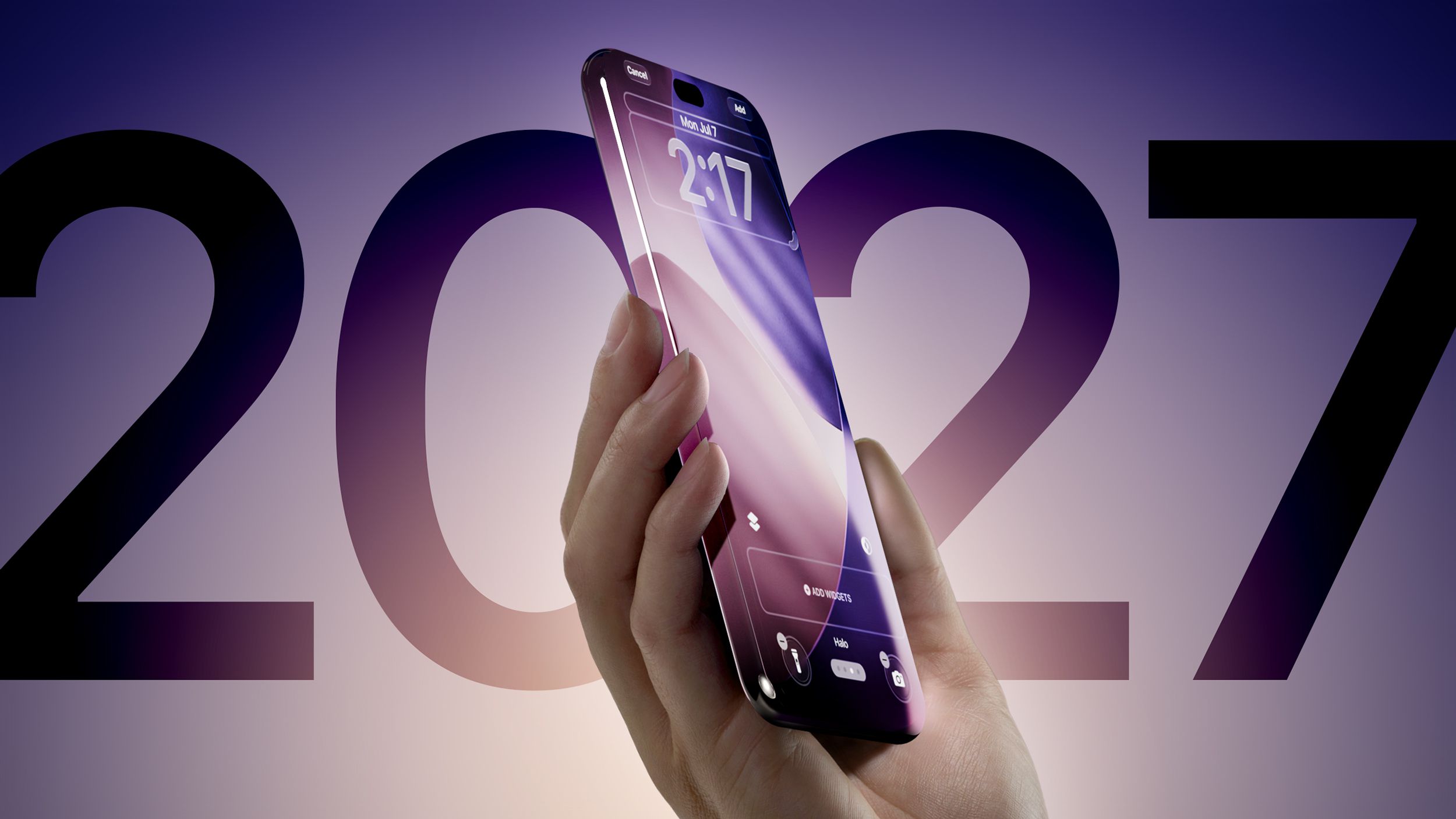
Central to the anticipated redesign is a dramatic overhaul of the iPhone’s physical form. Reports suggest a move towards an all-encompassing glass construction, potentially integrating the display more seamlessly with the device’s chassis. This could involve a fully curved display, offering an immersive visual experience and potentially eliminating traditional bezels altogether.
One of the most exciting rumored advancements is the integration of under-display audio technology. This innovation would allow speakers to be embedded beneath the display panel, thereby eliminating the need for the traditional earpiece slit at the top of the phone. This not only contributes to a cleaner aesthetic but could also allow for a larger screen-to-body ratio.
Furthermore, the display itself is expected to incorporate next-generation technologies. While specific details remain scarce, industry observers are speculating about advancements in refresh rates, color accuracy, and overall brightness. The current iteration of the Ceramic Shield, Apple’s proprietary toughened glass, is also expected to see significant upgrades, promising enhanced durability and scratch resistance.
Advanced Haptic and Interaction Technologies
Beyond the visual enhancements, the 20th-anniversary iPhone is rumored to incorporate cutting-edge interaction technologies. The possibility of solid-state or haptic buttons is a recurring theme in leaked information. Instead of physical buttons that move, these would be pressure-sensitive areas that provide tactile feedback, mimicking the sensation of a click. This could contribute to improved water and dust resistance and a more streamlined external design.
Reverse wireless charging is another feature that has been consistently mentioned by leakers. This would enable the iPhone to wirelessly charge other compatible devices, such as AirPods or Apple Watch, by simply placing them on the back of the phone. This functionality, already present in some competitor devices, would represent a significant convenience upgrade for iPhone users.
A Phased Display Rollout
Intriguingly, the implementation of the new curved display technology might be a two-stage process. Initial reports suggest that the 2027 model could introduce some degree of edge distortion and potential brightness loss at the periphery of the screen. This is not uncommon with nascent display technologies as manufacturers refine their manufacturing processes. A more advanced and refined version of this curved panel is then expected to debut in the 2028 iPhone lineup, indicating Apple’s commitment to iterative improvement even with groundbreaking features.
Strategic Product Launches and Market Positioning
The 20th-anniversary iPhone is expected to be launched alongside a second-generation foldable iPhone in the fall of 2027. This dual-pronged approach to flagship releases underscores Apple’s strategy to cater to diverse consumer preferences and push the boundaries of mobile form factors. Prior to this, the spring of 2027 is anticipated to see the release of the "iPhone 18," "iPhone 18e," and "iPhone Air 2," suggesting a continued tiered product strategy with varying feature sets and price points.
The positioning of this anniversary iPhone as a significant redesign echoes the strategic importance of the iPhone X. Launched in 2017, the iPhone X marked a pivotal moment for Apple, not only celebrating a decade of the iPhone but also ushering in a new design language that would influence smartphones for years. The 2027 model is expected to play a similar role, signaling a new era for Apple’s most popular product.
Historical Context and Industry Impact
The original iPhone revolutionized the mobile phone industry, transforming it from a device primarily for calls and texts into a pocket-sized computer capable of browsing the internet, playing music, and running applications. Its intuitive touchscreen interface and app ecosystem, powered by the App Store launched in 2008, created an entirely new market and fundamentally changed how people communicate, work, and entertain themselves.
The iPhone X, in 2017, continued this legacy of innovation by introducing Face ID, an edge-to-edge OLED display, and the removal of the Home Button. This design paradigm shift proved so successful that it has been adopted by nearly all subsequent iPhone models and has influenced many Android smartphones.
The 20th-anniversary iPhone’s anticipated radical redesign is likely to be met with intense scrutiny and anticipation from consumers, competitors, and the tech industry at large. A truly revolutionary design could once again set the pace for smartphone innovation, forcing competitors to adapt and rethink their own product roadmaps.
Broader Implications and Future Trajectory
The successful integration of these advanced technologies could have far-reaching implications. An all-glass design, for instance, could lead to more durable and aesthetically pleasing devices, while under-display cameras and sensors could pave the way for truly bezel-less smartphones. The evolution of haptic feedback could also enhance user interaction, making devices feel more responsive and intuitive.
Apple’s commitment to pushing the boundaries of smartphone technology is evident in its continuous investment in research and development. The 20th-anniversary iPhone is not merely a product launch; it represents a statement of intent, signaling Apple’s ambition to remain at the forefront of mobile innovation. As the company navigates the rapidly evolving tech landscape, this milestone device is poised to play a critical role in shaping its future trajectory and the broader smartphone market for years to come. The anticipation for what Apple will unveil in 2027 is palpable, with expectations that this anniversary iPhone will be more than just an upgrade – it will be a redefinition.