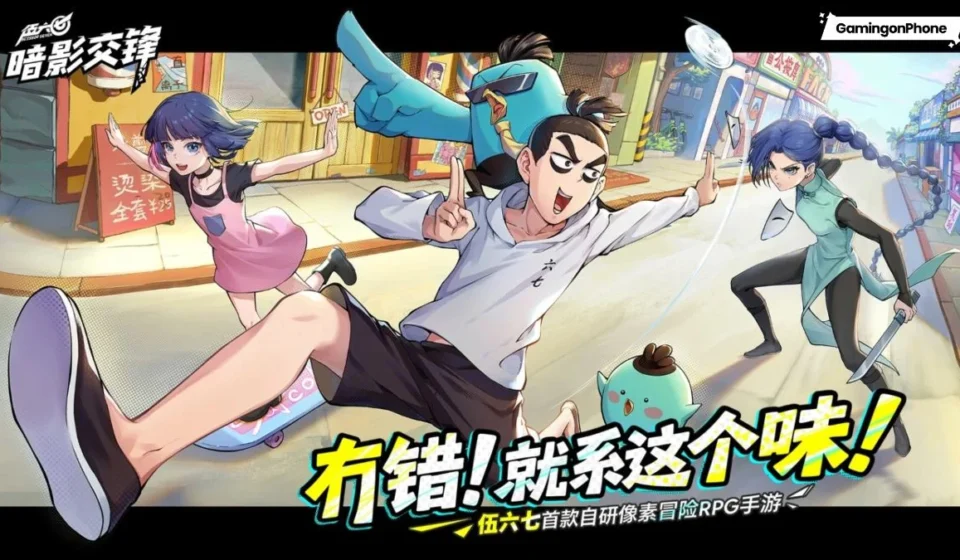
Scissor Seven: Shadow Clash is a new pixel-art adventure coming to mobile in China this Q3 for a technical test

Ajeeyoo Games has officially announced a new round of technical testing for its highly anticipated side-scrolling action-adventure RPG, Scissor Seven: Shadow Clash. The technical test is slated for Q3 2026 and will be available to mobile users exclusively within China. The announcement was a highlight of the 2026 Good Game Fast-Paced New Product Festival, where the game was showcased as an officially licensed title based on the internationally acclaimed Scissor Seven intellectual property. This adaptation marks a significant step for the franchise, bringing its unique blend of humor, martial arts, and compelling narrative to the mobile gaming landscape in a distinct pixel-art style.
The Anticipated Return to Chicken Island: Scissor Seven’s Mobile Debut
Scissor Seven: Shadow Clash is poised to be the inaugural official pixel-art side-scrolling ARPG within the Scissor Seven universe. The game’s design philosophy emphasizes strategic gameplay and player skill over the traditional mobile gaming tropes of endless grinding for stats or reliance on character power levels alone. This approach suggests a deliberate effort by Ajeeyoo Games to cultivate a more engaging and thought-provoking combat experience, where players are encouraged to experiment with diverse strategies and master intricate mechanics. The progression system, designed to be straightforward and intrinsically rewarding, aims to minimize the frustrations often associated with mobile RPGs, offering a clearer path for character development and enhancement.
The decision to adopt a pixel-art aesthetic for Scissor Seven: Shadow Clash is a notable artistic choice that blends modern mobile gaming sensibilities with a nostalgic visual charm. This style not only pays homage to classic arcade and console games but also allows for a unique interpretation of the Scissor Seven universe, known for its distinctive animation and character designs. The pixelated rendition is expected to faithfully recreate memorable moments from the anime series, while simultaneously enabling the game to carve out new narrative paths and introduce previously unexplored facets of its rich lore. This artistic direction could also potentially optimize performance across a wider range of mobile devices, a critical consideration in the vast Chinese mobile gaming market.
A Strategic Shift: Gameplay Philosophy Beyond the Grind
At the core of Scissor Seven: Shadow Clash‘s appeal is its commitment to prioritizing strategy over repetitive grinding. In an era where many mobile ARPGs are criticized for their "pay-to-win" mechanics or an excessive demand for time investment to remain competitive, Ajeeyoo Games appears to be charting a different course. This philosophy suggests that success in Scissor Seven: Shadow Clash will hinge more on a player’s tactical decisions, understanding of character abilities, and precise execution during battles, rather than simply possessing the highest-tier characters or equipment.
Players can anticipate a combat system that rewards clever use of Ah Qi’s iconic scissors, alongside the eccentric abilities of the series’ diverse cast of characters. The battles are designed to offer ample room for experimentation, encouraging players to discover synergistic combinations of skills and adapt their tactics to various enemy types and scenarios. This could involve intricate combo systems, parry mechanics, or environmental interactions that leverage the side-scrolling format. Furthermore, the promise of a "straightforward and rewarding" progression system implies a departure from convoluted upgrade paths and opaque monetization schemes. Instead, players might experience a more transparent system where efforts directly translate into tangible character growth and unlock new content, fostering a sense of accomplishment and sustained engagement. Such a system could involve clear milestones for character advancements, predictable resource acquisition, and meaningful rewards for completing quests or challenges, rather than relying heavily on randomized loot boxes or energy systems that gate progress.
Expanding the Lore: New Narratives and Fan Service
Beyond its innovative gameplay mechanics, Scissor Seven: Shadow Clash is poised to significantly enrich the Scissor Seven universe. Fans of the original series can look forward to delving into character backstories that were only hinted at in the anime, exploring events that were never fully covered, and experiencing the much-awaited daily life on Chicken Island. This dedication to expanding the lore demonstrates a deep respect for the source material and an understanding of the fanbase’s desire for more immersive content.
The game is also expected to be replete with small details, Easter eggs, and hidden references scattered throughout its world. These elements are designed to delight long-time fans, providing layers of depth and encouraging thorough exploration. Such inclusions not only serve as a nod to the series’ intricate narrative and beloved moments but also enhance replayability, as players actively seek out these hidden gems. The development team has committed to capturing the series’ ridiculous sense of humor in every aspect of the game, from Ah Qi’s unconventional use of scissors and the quirky abilities of its characters to the bizarre inventions and unique martial arts techniques that define the Scissor Seven world. This faithful recreation of the anime’s comedic timing and distinctive personality is crucial for maintaining authenticity and appealing to the established fanbase. Moreover, by recreating memorable moments through pixel art while simultaneously taking the story in new directions, Scissor Seven: Shadow Clash promises to be both a nostalgic journey and a fresh adventure for players.
The Pixelated Charm: Visuals and Artistic Direction
The choice of pixel art for Scissor Seven: Shadow Clash is a deliberate artistic statement that resonates with both modern trends and classic gaming sensibilities. Pixel art has experienced a significant resurgence in recent years, celebrated for its unique aesthetic, ability to evoke nostalgia, and often, its efficiency in game development. For Scissor Seven, a series known for its distinctive and often fluid animation style, translating it into pixel art presents an intriguing challenge and opportunity.
The developers aim to use this style to faithfully recreate the vibrant world and memorable characters of the anime. Pixel art, despite its inherent limitations in detail compared to high-fidelity 3D graphics, can be incredibly expressive. It allows for crisp, clear animations that convey character personality and combat intensity effectively. The simplified forms can highlight the exaggerated movements and comedic expressions that are hallmarks of Scissor Seven‘s humor. Moreover, this aesthetic can imbue the game with a timeless quality, appealing to both younger players accustomed to diverse art styles and older gamers who appreciate the retro charm. The vibrant color palette and distinctive character silhouettes of the original series lend themselves well to pixelization, ensuring that characters like Ah Qi, Dai Bo, and Xiao Fei are instantly recognizable even in their blockier forms. This artistic choice not only serves as a stylistic preference but also likely aids in optimization, ensuring a smoother performance across a broader spectrum of mobile devices within the Chinese market, which is crucial for widespread accessibility.
The Scissor Seven Phenomenon: IP Background and Global Reach
The Scissor Seven IP, originating as a Chinese animated web series (donghua), has grown into a global phenomenon since its debut in 2018. Created by He Xiaofeng and produced by AHA Entertainment and Sharefun Studio, the series follows the comedic adventures of Wu Liuqi (Ah Qi), an amnesiac scissor-wielding assassin who often bungles his missions while working at a barbershop on Chicken Island. The series is celebrated for its unique blend of martial arts action, offbeat humor, heartwarming character development, and surprisingly poignant storytelling.

Scissor Seven quickly garnered critical acclaim, not just in China but internationally. Its distribution on Netflix starting in 2020 significantly boosted its global profile, introducing it to millions of viewers worldwide. It was notably nominated for Best Animated Series at the 2019 Annecy International Animated Film Festival, a rare honor for a Chinese animated production, cementing its status as a high-quality animation. The series has consistently maintained high ratings on platforms like MyAnimeList and IMDb, praised for its distinctive art style, engaging plotlines, and memorable characters. Its themes of self-discovery, friendship, and overcoming past traumas, wrapped in a veneer of absurd comedy, have resonated deeply with a diverse audience.
The decision to develop Scissor Seven: Shadow Clash as an officially licensed mobile game is a testament to the IP’s enduring popularity and its potential for cross-media expansion. Given the dedicated fanbase and the rich narrative tapestry of the series, a video game adaptation offers an immersive new way for fans to interact with their beloved characters and world. While there have been various merchandise and promotional materials associated with Scissor Seven, a full-fledged action-adventure RPG represents a significant investment in extending the franchise’s reach and engaging its audience in a dynamic, interactive format. This move aligns with a broader trend of popular animated IPs venturing into the lucrative mobile gaming sector, seeking to capitalize on established brand loyalty and introduce new dimensions to their stories.
Technical Test: A Crucial Phase for Development
The technical test scheduled for Q3 2026 in China represents a critical juncture in the development of Scissor Seven: Shadow Clash. Technical tests are fundamental stages in the game development lifecycle, serving multiple vital purposes before a broader public release. Primarily, they are designed to assess the game’s core functionalities, server stability, and network performance under real-world conditions. For an online mobile ARPG, ensuring robust server infrastructure capable of handling a significant player load is paramount to providing a seamless player experience.
During this phase, Ajeeyoo Games will meticulously gather data on various technical aspects, including bug identification, system compatibility across different mobile devices, and overall game stability. Player feedback on core gameplay mechanics, user interface, and early-game progression will also be invaluable. This feedback loop allows developers to identify areas for improvement, refine gameplay features, and address any potential issues that might hinder player enjoyment before the game enters larger-scale testing phases or a full launch.
The exclusivity of this initial technical test to the Chinese market is a standard practice for games developed in the region. It allows the developers to focus on a specific player demographic, gather localized feedback, and optimize the game for the unique characteristics and preferences of the vast Chinese mobile gaming audience. Success in this technical test will be a strong indicator of the game’s potential and will likely inform the scope and timeline for subsequent, more comprehensive testing phases, which may include larger player pools, additional content, and potentially, a global rollout strategy. For Ajeeyoo Games, a successful technical test would not only validate their development efforts but also build anticipation and confidence for the game’s official release.
Ajeeyoo Games’ Vision and Market Positioning
Ajeeyoo Games, while perhaps not a household name globally, is positioning Scissor Seven: Shadow Clash as a flagship title that could significantly elevate its profile within the competitive mobile gaming industry, particularly in China. The decision to develop an officially licensed IP game suggests a strategic focus on leveraging established brand recognition to attract a dedicated player base from day one. In a market saturated with mobile games, an officially licensed title like Scissor Seven inherently carries a level of credibility and fan appeal that many original IPs struggle to build.
The developer’s stated philosophy of prioritizing strategy over endless grinding and offering a straightforward progression system indicates a commitment to delivering a quality player experience that differentiates itself from prevalent monetization models. This approach could appeal to a segment of the mobile gaming audience increasingly fatigued by aggressive gacha mechanics and pay-to-progress systems. By focusing on engaging gameplay and narrative depth, Ajeeyoo Games aims to foster long-term player retention and positive community sentiment, which are crucial for sustained success in the mobile sector.
The Chinese mobile gaming market is the largest in the world, characterized by intense competition and high player expectations. To succeed, games must not only offer compelling gameplay but also resonate culturally and perform flawlessly on a wide array of devices. Ajeeyoo Games’ careful approach, starting with a targeted technical test, underscores their understanding of these market dynamics. Their vision appears to be centered on crafting an authentic and innovative experience that respects the Scissor Seven IP while pushing the boundaries of what a mobile ARPG can offer.
Industry Implications and Future Outlook
The launch of Scissor Seven: Shadow Clash has several implications for the broader gaming industry and the Scissor Seven IP itself. For the franchise, it signifies a major expansion into interactive media, potentially opening new avenues for storytelling and character development. A successful game could introduce the Scissor Seven universe to a wider audience, including gamers who may not have been familiar with the anime, thereby boosting the IP’s overall reach and commercial viability. This cross-media synergy is a common strategy for popular IPs to remain relevant and generate new revenue streams.
For Ajeeyoo Games, Scissor Seven: Shadow Clash could serve as a breakout title, establishing them as a prominent developer capable of handling beloved IPs with both technical prowess and creative fidelity. The success of this game could pave the way for future collaborations with other popular intellectual properties or enable the development of original titles with similar quality standards.
Looking ahead, the success of the Q3 2026 technical test will be pivotal. Positive feedback and strong technical performance are likely to accelerate the development timeline for larger and more comprehensive testing phases. These subsequent tests might include expanding the player base, introducing more content, and potentially exploring regional tests beyond China, hinting at a potential global release. Given the international popularity of the Scissor Seven anime, there will undoubtedly be significant anticipation among fans worldwide for an English-localized version of Scissor Seven: Shadow Clash. The feasibility and timeline for such a global launch would depend heavily on the game’s performance in its initial Chinese market rollout and Ajeeyoo Games’ strategic vision for international expansion. Overall, Scissor Seven: Shadow Clash looks like a promising addition for fans of the IP and a significant title to watch for in the evolving landscape of mobile gaming.