The Dawn of the Software-Defined Vehicle: Convenience Meets Critical Cybersecurity Challenges

Modern automobiles have fundamentally transformed from static mechanical assemblies into dynamic, software-defined entities, mirroring the evolution of smartphones. These vehicles now receive new features, critical bug fixes, and essential security patches wirelessly, a process known as over-the-air (OTA) updates. While this technological leap has undeniably streamlined vehicle maintenance, offering convenience and cost savings, cybersecurity experts are sounding a grave alarm: the very technology enabling these advancements could very well become one of the automotive industry’s most significant and perilous security vulnerabilities. As connected vehicles increasingly rely on remote software updates for their very operation, researchers and policymakers are urgently advocating for enhanced regulatory oversight. Their concerns extend far beyond the potential for hackers to pilfer personal data; the chilling possibility of malicious actors interfering with the operation of a moving vehicle poses a profound threat to public safety and national security.
The Double-Edged Sword of Wireless Updates: Innovation and Vulnerability
Over-the-air (OTA) technology empowers automotive manufacturers to deliver software updates, firmware enhancements, and crucial security patches directly to vehicles, eliminating the need for owners to visit dealerships for routine servicing. Tesla is widely credited with popularizing this paradigm over a decade ago, initiating wireless updates for its Model S as early as 2012. Today, this feature has transitioned from a premium offering to a standard across a vast spectrum of vehicles, from luxury marques to mainstream models.
The advantages for consumers are readily apparent. Carmakers can rapidly address software glitches, optimize battery management systems in electric vehicles, introduce novel infotainment features, and even boost driving performance—all without the costly and time-consuming process of issuing traditional recalls. Siraj Ahmed Shaikh, Professor of Systems Security at Swansea University, highlighted this benefit in a CNBC report, noting that OTA updates have become an attractive alternative to conventional servicing due to reduced costs and significantly shorter deployment times. Issues can be resolved almost instantaneously, contrasting sharply with the delays inherent in scheduled maintenance appointments. This agility in software deployment allows manufacturers to continuously improve the user experience and address emerging technical challenges with unprecedented speed.
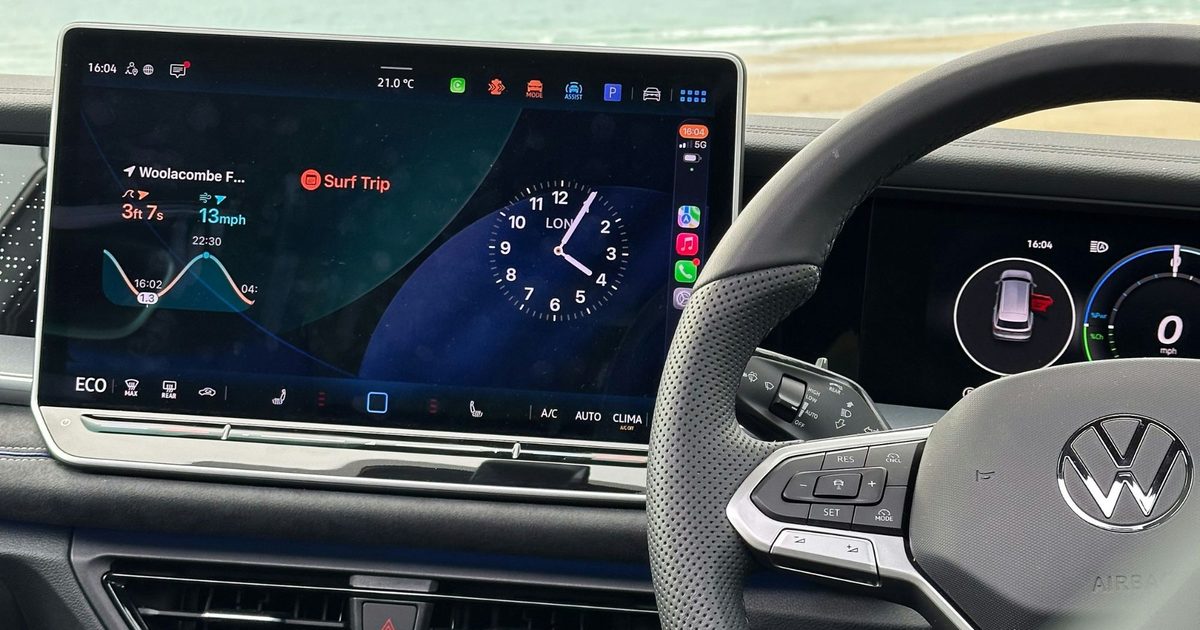
However, this pervasive connectivity, which facilitates seamless updates, simultaneously expands the vehicle’s attack surface. Cybersecurity analysts emphasize that modern internet-connected automobiles function akin to sophisticated, rolling computers. Should attackers manage to compromise the update infrastructure or gain unauthorized privileged access to a vehicle’s core software, the ramifications could transcend mere data theft. The potential for manipulation of critical vehicle functions introduces a new and alarming dimension to automotive security.
Gabriel Lim, a Senior Analyst at Singapore’s S. Rajaratnam School of International Studies, articulated the gravity of this issue in comments to CNBC, characterizing it as a potential national security concern. Beyond the immediate implications for user privacy, governments are increasingly grappling with the theoretical possibility that foreign manufacturers or hostile state actors could remotely interfere with vehicle systems. This burgeoning concern has compelled numerous countries to re-evaluate and reassess the regulatory frameworks governing connected vehicles. The transition to software-defined vehicles necessitates a parallel evolution in regulatory approaches to ensure public safety and national security are not compromised.
Governments Worldwide Heighten Scrutiny of Connected Vehicle Security
The urgency surrounding connected vehicle security intensified significantly following a series of security tests conducted by Norwegian public transport operator Ruter last year. The company reported that the battery and power management system of one of its electric buses could be accessed remotely via its mobile network connection. The implications were stark: in theory, the manufacturer could potentially disable or immobilize the bus remotely, raising immediate safety concerns for passengers and the public.
While this particular investigation focused on buses manufactured by the Chinese company Yutong, cybersecurity experts caution that the vulnerabilities identified are not isolated to any single automaker or country. Instead, they represent an industry-wide challenge intrinsically linked to the widespread adoption of connected vehicle platforms. The findings from the Ruter incident spurred investigations by regulatory bodies in both the United Kingdom and Denmark. The UK’s Department for Transport, in collaboration with the National Cyber Security Centre, launched a comprehensive examination into potential vulnerabilities within connected vehicle systems.

Similar concerns are increasingly shaping policy discussions within the United States. Earlier this year, the American Enterprise Institute (AEI) published a report arguing that safeguarding connected vehicles from foreign espionage should be elevated to a strategic national priority. The think tank put forth several key recommendations, including the implementation of more robust security reviews for automotive software and hardware, increased transparency regarding vehicle data collection practices, and the imposition of stricter restrictions on certain foreign-manufactured automotive components and software. This bipartisan recognition of the threat underscores the growing awareness among policymakers regarding the multifaceted risks associated with increasingly digitized transportation systems.
The implications of these evolving cybersecurity threats extend far beyond the realm of passenger cars. OTA technology is rapidly permeating a diverse range of critical transportation and industrial sectors. Buses, commercial fleets, rail systems, maritime vessels, industrial robots, and drones are all increasingly incorporating remotely updateable software. As more segments of essential infrastructure become reliant on wireless updates, cybersecurity can no longer be relegated to an afterthought; it must be integrated as a foundational element of design and operation.
The trend towards software-defined vehicles represents a profound shift in the automotive landscape. While wireless updates are undeniably enhancing vehicle capabilities and user experience, they are simultaneously redefining the very concept of automotive safety. In this new era, the security of a vehicle is inextricably linked to the security of the code that powers it. The next significant cyberattack may not target personal computers or mobile devices, but rather the vehicles that millions of people rely on daily for transportation, commerce, and essential services. This paradigm shift demands a proactive, multi-faceted approach to cybersecurity, involving manufacturers, regulators, cybersecurity experts, and consumers alike, to navigate the complex challenges and ensure the continued safety and security of our increasingly connected world. The transition necessitates a global dialogue and collaborative effort to establish robust standards and best practices that can keep pace with the rapid evolution of automotive technology and the ever-present threat landscape. The future of mobility hinges on our ability to secure the software that drives it.