
The Evolving AI Landscape: Why ChatGPT Maintains an Edge Over Google’s Rapidly Advancing Gemini

The artificial intelligence landscape is witnessing an intense rivalry, with Google’s Gemini emerging as a formidable challenger to OpenAI’s ChatGPT. Hailed by some as the "Swiss Army knife of the AI world" due to its pervasive integration across Google’s ecosystem and Android devices, Gemini has made remarkable strides in a short period. Yet, despite its rapid evolution and deep-seated capabilities, many power users and industry observers contend that ChatGPT, leveraging its first-mover advantage, continues to hold a discernible lead in overall usability, response quality, and user satisfaction. This ongoing competition highlights critical distinctions in how these leading AI models perform under real-world conditions, influencing user choices and shaping the future of AI adoption.
The AI Landscape: A Brief Chronology and Competitive Dynamics
The public introduction of ChatGPT by OpenAI in November 2022 marked a pivotal moment, igniting widespread interest and accelerating the development of conversational AI. Its unprecedented ability to generate human-like text, answer complex questions, and engage in nuanced dialogue quickly established it as a benchmark for large language models (LLMs). This breakthrough spurred a rapid response from established tech giants, most notably Google, which had been developing its own AI models for years. Google’s subsequent rebranding and aggressive deployment of Gemini (formerly Bard), built on its advanced models like LaMDA and PaLM 2, showcased a strategic intent to reclaim leadership in the generative AI space. The company’s significant investment has allowed Gemini to rapidly close the gap, integrating deeply into Android and offering a suite of functionalities unique to the Google ecosystem. However, this accelerated development has also exposed areas where Gemini, while powerful, still requires refinement to match the consistent performance and mature feature set that many users have come to expect from ChatGPT.
Instructional Fidelity and Reliability: A Critical Differentiator
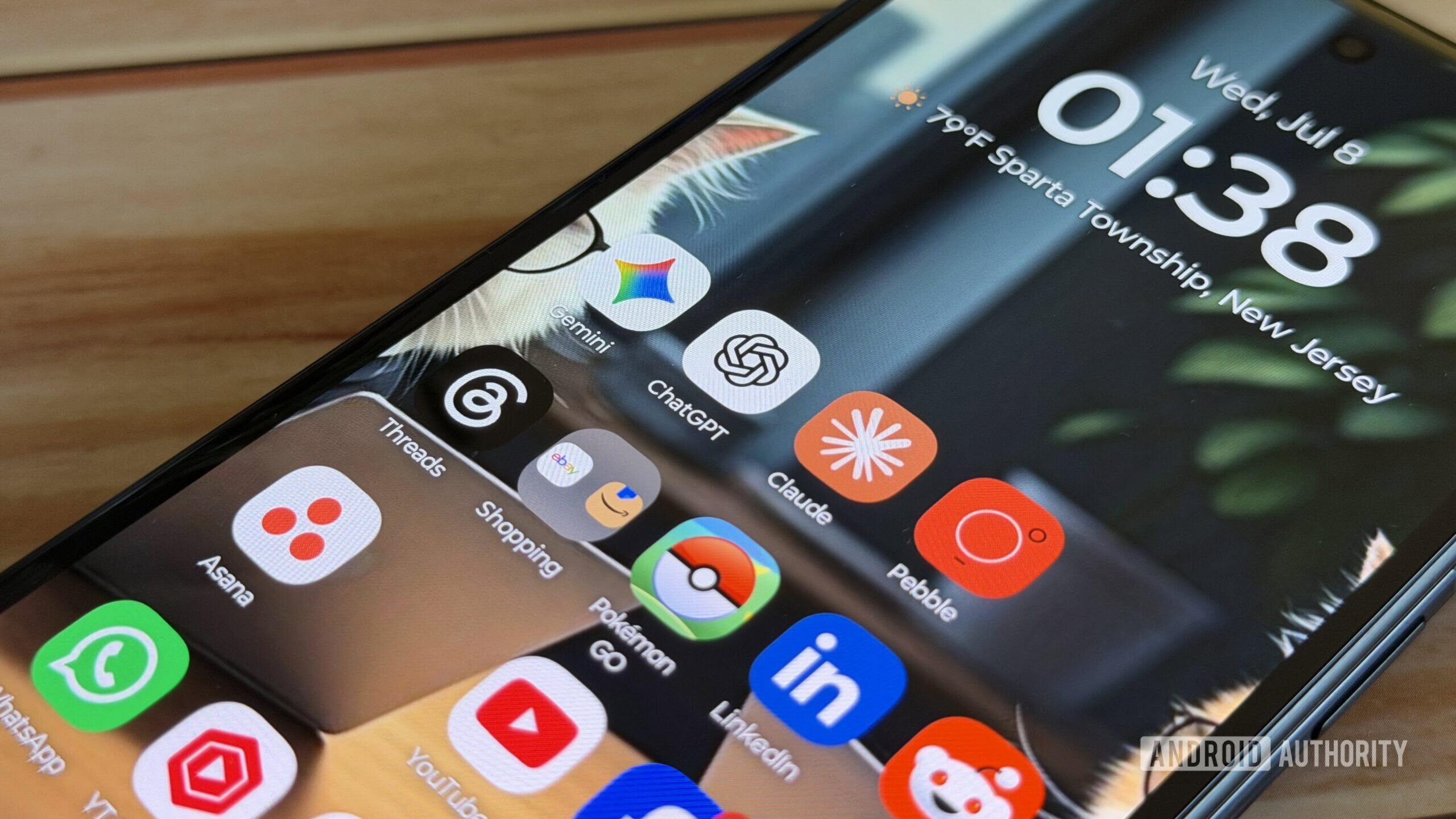
One of the most frequently cited challenges with Gemini, particularly among users who engage with complex, multi-step tasks, is its occasional inconsistency in following intricate instructions. Reports from advanced users indicate instances where Gemini might selectively disregard specific parts of a lengthy prompt, leading to incomplete or inaccurate outputs. This issue is not confined to single chat interactions but extends to features like "Notebooks," which are designed to consolidate context from various conversations. For example, a recent experiment to manage personal finances within Gemini highlighted a recurring problem where the AI would fail to adhere to established rules for tracking expenses, necessitating manual corrections or repeated prompts.
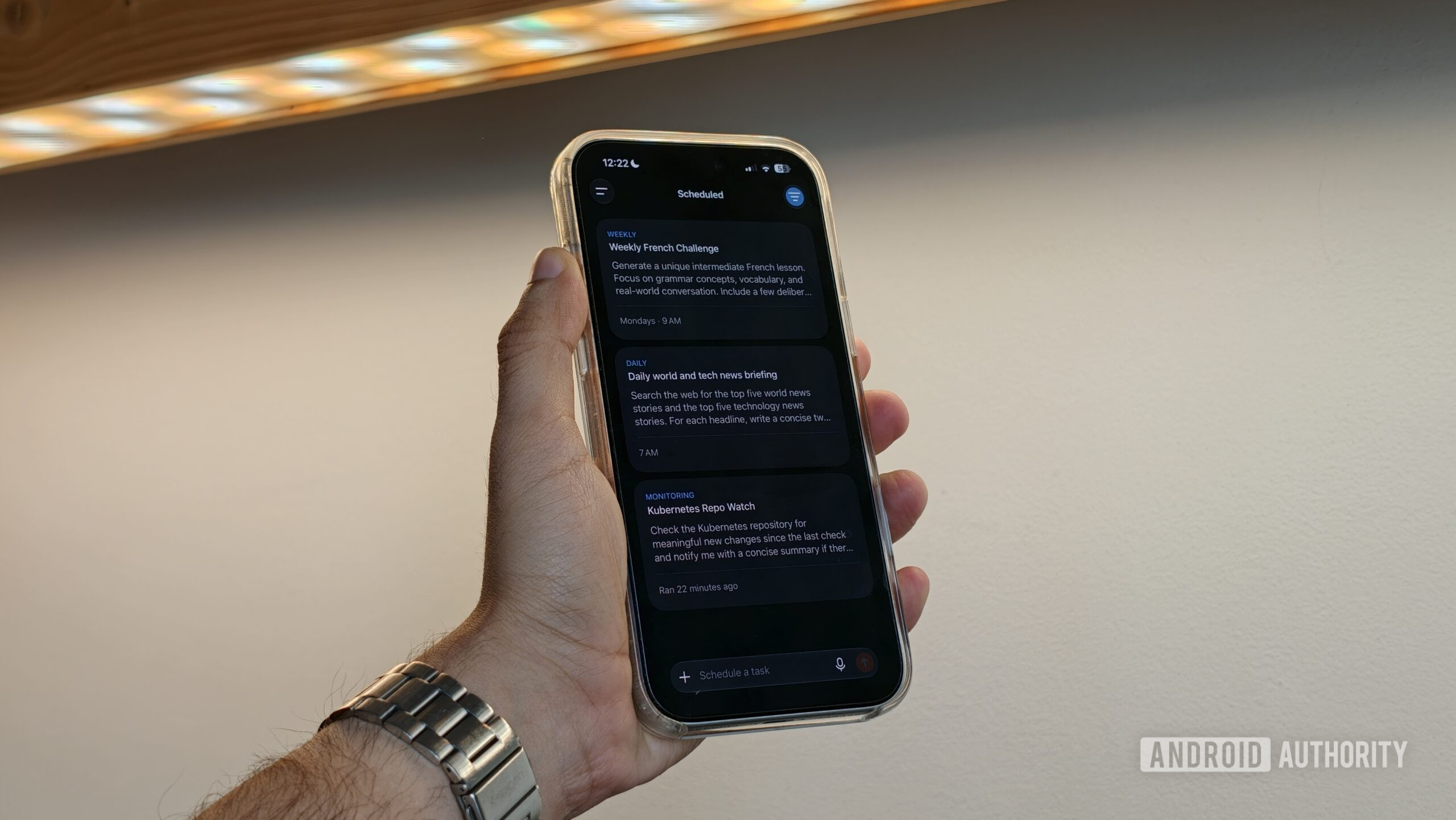
Furthermore, Gemini’s "scheduled tasks" feature, intended to automate routine actions, has been observed to exhibit reliability issues. Users have reported the feature failing to execute or requiring multiple manual restarts, undermining its utility for critical, time-sensitive applications. While these might appear as minor glitches, their cumulative effect impacts user trust and efficiency. In contrast, ChatGPT has generally demonstrated a higher degree of consistency and fidelity when processing complex instructions over an extended period. This reliability, honed over years of iterative development and user feedback, provides a significant advantage for professionals and power users who depend on AI for critical workflow integration. Industry benchmarks, though still evolving for generative AI, increasingly prioritize not just raw capability but also the consistency and dependability of an AI’s output in complex scenarios.
The Weight of Digital History: Personalization and Accumulated Context
The concept of "personal intelligence" within an AI chatbot is increasingly vital, moving beyond mere information retrieval to a deeper understanding of an individual user’s preferences, history, and working style. For long-term users of ChatGPT, a significant repository of personal context has been built through hundreds, if not thousands, of interactions. This accumulated knowledge allows ChatGPT to offer more tailored responses, anticipate needs, and maintain continuity across disparate conversations, creating a personalized user experience that is difficult to replicate. This "digital history" is not merely data storage; it’s a dynamic context that influences the AI’s understanding and generation of responses.
Gemini, despite its theoretical advantage of integrating with the vast Google ecosystem—including Gmail, Docs, and Keep—has yet to fully leverage this potential to create a comparable level of personalized user experience. While Google has introduced tools to import personal context and chat histories from other AI platforms, many users have not found the proposition compelling enough to warrant a complete migration. The perceived reliability issues and the sheer effort required to rebuild years of conversational context contribute to this inertia. The psychological aspect of an AI "knowing" a user, even subtly, plays a crucial role in user loyalty and perceived utility. As AI becomes more embedded in daily life, the ability to maintain and recall personal context will be a significant competitive battleground, with established platforms like ChatGPT currently holding an advantage.
Visual Intelligence: A Tale of Two Image Generators
Image generation has rapidly become a cornerstone feature of advanced AI chatbots, allowing users to create visual content from text prompts. Gemini, powered by technologies like "Nano Banana," has demonstrated impressive capabilities in generating and editing imagery. However, a comparative analysis often reveals that ChatGPT’s newly released image generation model, particularly DALL-E 3, often surpasses Gemini in terms of artistic quality, adherence to specific instructions, and color fidelity.
Users frequently report that Gemini struggles with color accuracy, often producing images that are either excessively dull or unnaturally bright after editing, even when provided with precise hex codes or specific stylistic directives. While Gemini often boasts faster image generation speeds, the trade-off in quality is noticeable. ChatGPT, conversely, despite sometimes requiring a slightly longer processing time, generally delivers outputs that are more consistent with user prompts, maintain a coherent color palette across edit cycles, and exhibit a higher degree of artistic refinement. For professionals in design, marketing, or content creation, where visual quality is paramount, this distinction in image generation capabilities can be a deciding factor, pushing them towards ChatGPT for visual tasks despite Gemini’s speed advantage. This points to the ongoing challenge of balancing speed with quality in multimodal AI applications.
The Paradox of Information Retrieval: Web Search Prowess
Given Google’s historical dominance in web search, it would be logical to assume that Gemini, as a Google product, would excel in real-time information retrieval from the internet. However, user experiences and comparative tests frequently reveal a surprising paradox: Gemini often falls short in this very domain, particularly when compared to ChatGPT’s capabilities.

Many users rely on AI tools for daily news briefings, research summaries, and staying updated on specific topics. When tasked with compiling a detailed rundown of tech news from selected websites, Gemini has been observed to consistently miss important pieces of information or provide less comprehensive summaries than ChatGPT. Even with repeated prompts emphasizing thoroughness, Gemini’s outputs can feel incomplete. This deficiency is particularly perplexing given Google’s unparalleled access to internet data. Analysts speculate that this might stem from differing architectural approaches to integrating search capabilities, or perhaps Google’s cautious approach to presenting synthesized information to avoid factual inaccuracies, leading to more conservative and less exhaustive outputs. ChatGPT, while not a direct search engine, demonstrates a robust ability to synthesize information from its vast training data and, when integrated with web browsing capabilities, often presents a more coherent and comprehensive overview of current events and research topics, making it a more reliable tool for real-time information synthesis for many users.
Ecosystem Integration: Openness vs. The Walled Garden
Gemini’s strength lies in its deep integration within the Google ecosystem, offering seamless connectivity with services like Gmail, Google Docs, Google Keep, Google Flights, and Google Hotels. This enables powerful productivity features, from drafting emails to planning trips with budget constraints. Google is also investing in its own video generation and editing tools to further enhance this internal synergy. This "walled garden" approach offers a highly coherent and streamlined experience for users who are already heavily invested in Google’s suite of products.
However, this tight integration also represents a limitation for users who operate within a more diverse digital environment. Many individuals and businesses rely on a multitude of non-Google applications for their daily tasks. This is where ChatGPT’s strategy of broad third-party plugin support offers a distinct advantage. ChatGPT can connect with a wide array of external services, including music platforms like Spotify and Apple Music, travel services like Expedia and Skyscanner, food delivery apps like DoorDash and Uber, and creative tools such as Canva. This extensive network of integrations allows ChatGPT to function as a central hub for a highly diversified digital workflow, catering to a broader spectrum of user needs and preferences. The ability to seamlessly prompt ChatGPT to generate and edit content directly within a tool like Canva, for instance, streamlines creative processes in a way that Gemini, currently, cannot replicate outside its own ecosystem. This difference highlights a fundamental divergence in strategic approach: Google aiming for deeper integration within its own vast domain, while OpenAI fosters a more open, extensible platform.
User Adoption and Habit Formation: The Power of Instinct

Beyond technical specifications and feature sets, the psychological aspect of user habit and "muscle memory" plays a significant role in AI adoption. Many users, having integrated ChatGPT into their daily routines since its initial public release, find themselves instinctively navigating to chatgpt.com when an AI-worthy question or task arises. This ingrained behavior is a testament to ChatGPT’s early market penetration and consistent performance.
For Gemini to truly compete, it must not only offer superior or equivalent functionality but also actively cultivate new user habits and break existing ones. This requires a compelling value proposition that consistently outperforms alternatives, addressing the current reliability issues, and expanding its external ecosystem integrations. While Google’s pervasive presence through Android and its suite of services offers a massive distribution channel, converting this potential into instinctive daily use is a monumental challenge. The "default" AI choice for many, particularly for tasks requiring broad knowledge or creative assistance, remains ChatGPT, indicating the enduring power of familiarity and consistent, reliable performance.
Expert Perspectives and Future Outlook
Industry analysts widely agree that the generative AI market is still in its nascent stages, characterized by rapid innovation and intense competition. While Google’s Gemini demonstrates immense potential, driven by significant R&D investment and deep integration capabilities, its current iteration faces hurdles in consistency, personalization, and broad third-party utility. "The race is not just about raw model power, but about reliability, ecosystem interoperability, and the subtle art of user experience," notes Dr. Anya Sharma, an AI ethics researcher. "ChatGPT’s early lead allowed it to refine these aspects, creating a high bar for newcomers."
The coming years will likely see both platforms continue to evolve at an accelerated pace. Google is undoubtedly committed to enhancing Gemini’s capabilities, particularly in areas like instructional fidelity and web search integration, where its core strengths should theoretically shine. OpenAI, in turn, will likely push further into multimodal AI, expand its plugin ecosystem, and seek new ways to deepen user personalization. The ultimate outcome may not be a single dominant AI, but rather a specialized ecosystem where users leverage different AI models for different tasks, or where seamless interoperability between various AI agents becomes the norm. For now, the competitive landscape underscores that while innovation is rapid, the journey to a universally reliable and indispensable AI assistant is ongoing, with established players like ChatGPT still holding key advantages for a significant segment of the user base.