The Global Memory Chip Shortage and the Resurgent Case for Expandable Storage in Smartphones

The technological landscape is currently navigating a significant challenge posed by an unprecedented global memory chip shortage, primarily exacerbated by the burgeoning demands of Artificial Intelligence (AI) data centers. This voracious appetite for high-bandwidth memory (HBM) and NAND flash has created a ripple effect across the entire electronics industry, impacting everything from high-end computing devices to everyday consumer gadgets. Products like the Mac Mini have experienced stock shortages, while original equipment manufacturers (OEMs) have begun implementing substantial price hikes on already premium storage options for their devices. Consequently, what was once a standard feature, ample onboard storage, is rapidly transforming into a luxury, increasingly out of reach for the average consumer. This dilemma brings into sharp focus a long-standing, seemingly forgotten solution: the ubiquitous, compact microSD card, a piece of technology from the mid-2010s that now presents itself as a practical and economically sensible alternative to mitigate the escalating "storage tax."
The AI-Driven Memory Shortage: A Global Impact
The current memory chip crunch stems from the exponential growth of generative AI applications and large language models (LLMs). These sophisticated AI systems require immense processing power and, crucially, vast quantities of high-speed memory to train and operate efficiently. Data centers, the backbone of this AI revolution, are aggressively acquiring advanced memory chips, particularly HBM, which is vital for AI accelerators, and high-density NAND flash for massive data storage. This surge in demand has outstripped the global supply chain’s capacity, leading to constrained availability and a sharp increase in pricing for memory components. Market analysts from firms like TrendForce and IDC have reported double-digit percentage price increases for DRAM and NAND flash in recent quarters, with projections indicating continued upward trends throughout 2024 and into 2025. This scarcity directly affects consumer electronics manufacturers who rely on these very same memory components for their smartphones, tablets, and laptops. The impact is not confined to the premium segment; it’s a systemic issue pushing up costs across the board, compelling OEMs to pass these increased expenses onto consumers.
The "Storage Tax" Paradigm: How OEMs Monetized Internal Storage
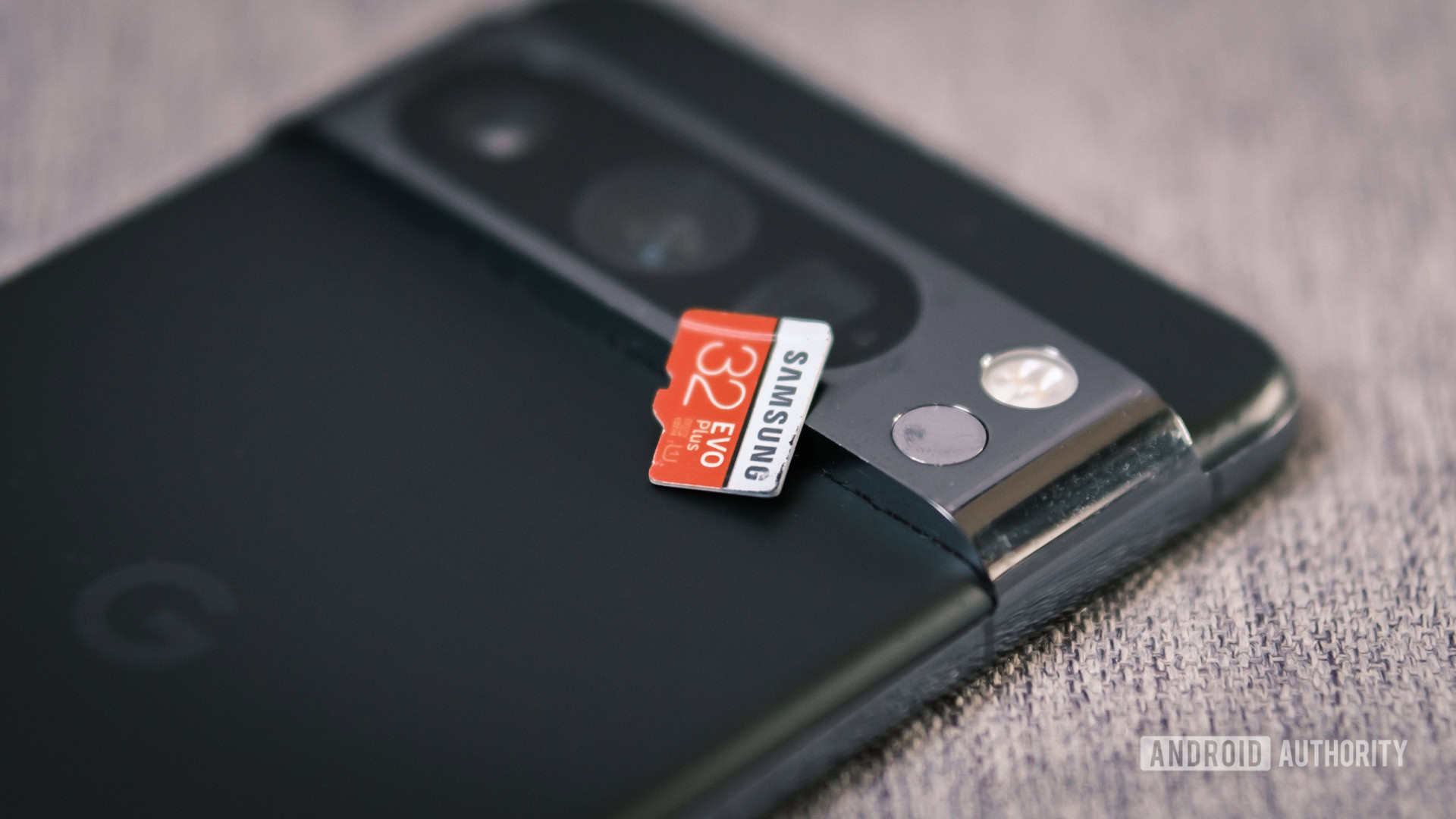
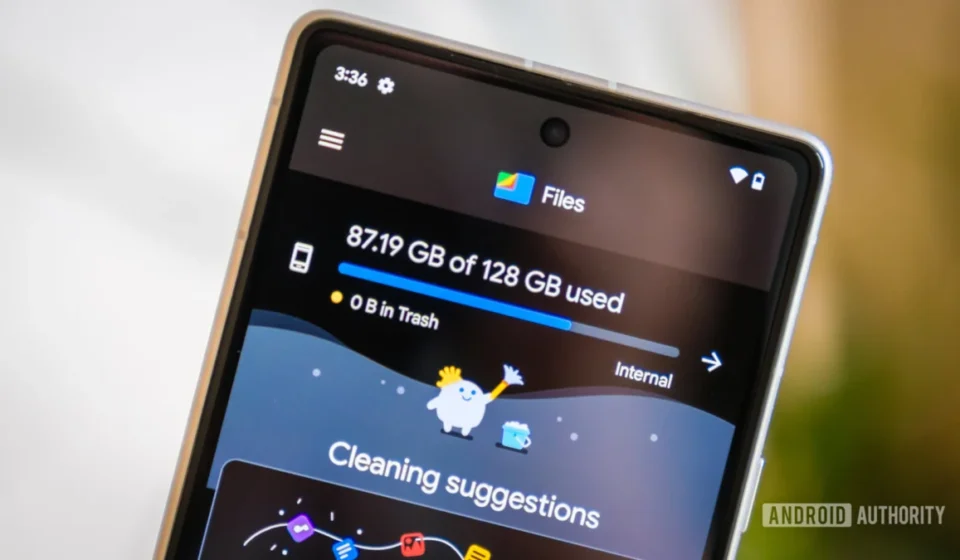
For years, smartphone manufacturers, particularly those in the premium segment, have moved away from offering expandable storage via microSD card slots. This strategic shift coincided with the rise of cloud storage services and an emphasis on sleek, unibody designs, improved water resistance (IP ratings), and simpler motherboard architectures. OEMs often justified the removal of microSD slots by citing superior performance and reliability of internal NAND storage, which generally offers faster read/write speeds compared to even high-end microSD cards. Additionally, integrated storage allowed for more streamlined software optimization and reduced potential points of failure. However, this transition also created a lucrative revenue stream known as the "storage tax." Manufacturers began pricing higher storage tiers at disproportionately elevated rates compared to the actual cost of the additional memory chips. For example, upgrading from a base 128GB model to a 256GB or 512GB variant often incurs a premium of $100 to $200 or more, a margin significantly higher than the wholesale cost of the raw NAND flash. This model effectively locked consumers into a fixed storage capacity at the point of purchase, with the only upgrade path being a new device or reliance on often subscription-based cloud services.
Escalating Device Prices: The Burden on Consumers
The impact of the memory chip shortage on consumer pricing is becoming increasingly evident. Apple, a company known for its integrated ecosystem and premium pricing, recently implemented a sweeping price hike across many of its devices, directly attributing these increases to memory component shortages. This move by a market leader often signals a broader industry trend. Following Apple’s precedent, rumors are circulating that Google may also increase the prices of its upcoming Pixel 11 range, expected in the coming months. These potential price adjustments would compound an already burdensome situation for consumers.
Consider the current pricing structure: the rumored iPhone 17 Pro Max, for instance, might cost an eye-watering $1,400 for its 512GB variant, representing a $200 premium over the base 256GB model. Similarly, the Samsung Galaxy S26 Ultra saw a substantial price jump for its 512GB storage option, launching at an initial price point of $1,500 for the higher tier. These upgrade costs are not reflective of the true market value of the additional storage. A $200 difference, for example, could easily purchase two high-quality 512GB microSD cards, providing 1TB of external storage, even after the recent price increases affecting microSD cards themselves. This stark contrast underscores the fact that these internal storage upgrade tiers are primarily designed to maximize corporate profits rather than offer consumers a cost-effective solution for their expanding data needs.
MicroSD Cards: An Economic Lifeline Amidst Soaring Costs
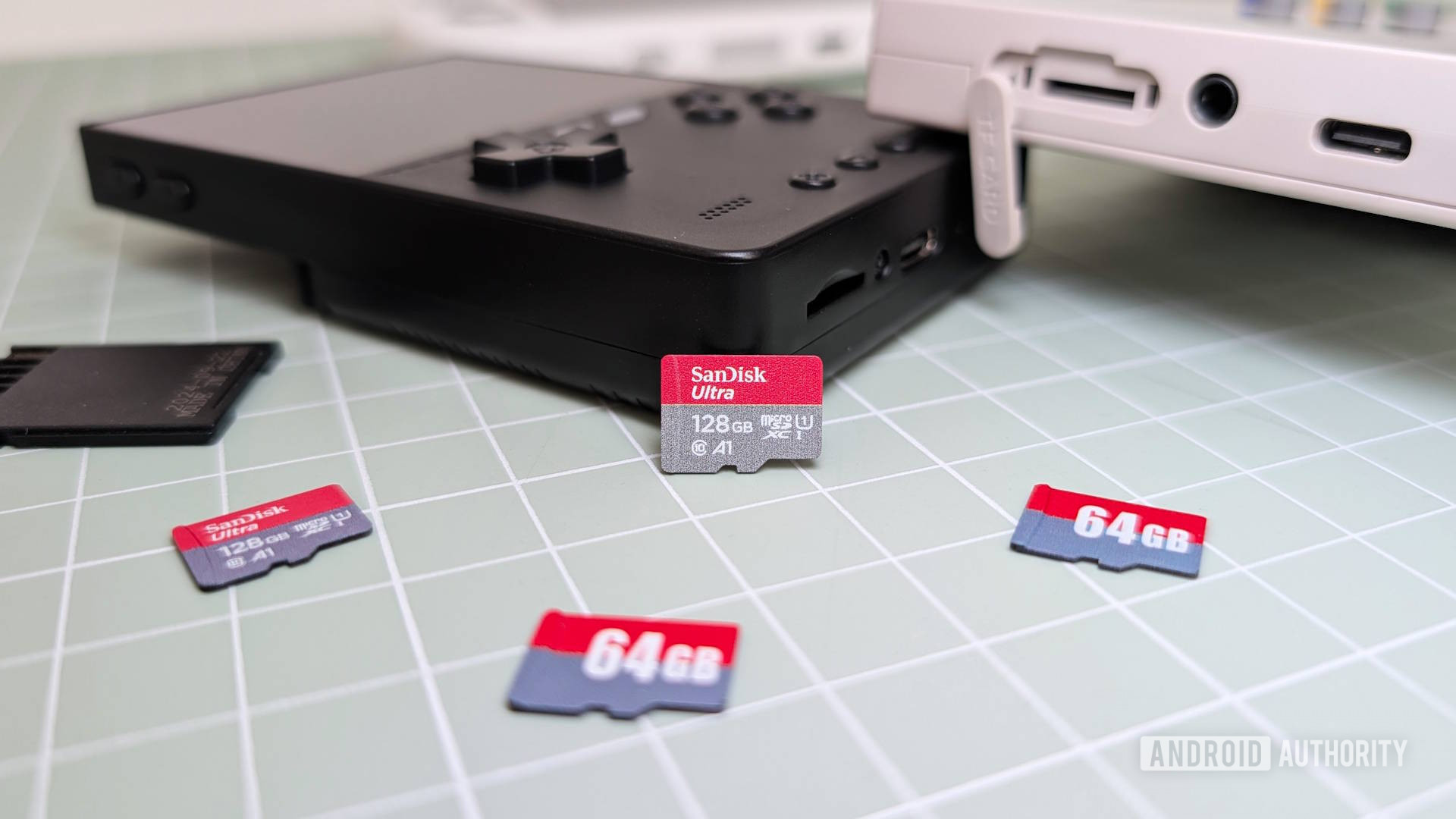
It is important to acknowledge that the memory chip shortage has not spared the external storage market. Portable SSDs, once a remarkably affordable way to expand storage, have seen their prices skyrocket, in some cases doubling or even tripling. The Samsung T9 portable SSD, which retailed for approximately $100 for its 1TB configuration last year, is now listed closer to $250 on major e-commerce platforms. MicroSD cards have also experienced significant price inflation. A 512GB Lexar Blue microSD card, which could be purchased for around $38 late last year, now costs approximately $100. This represents nearly a 300% increase in absolute terms.
Despite these significant price hikes, the fundamental economic advantage of expandable storage remains. Even at their inflated prices, microSD cards offer a far more viable and affordable solution for augmenting device storage compared to the exorbitant premiums charged by phone manufacturers for internal storage upgrades. The flexibility to purchase additional storage as a separate, user-installable component empowers consumers, giving them control over their device’s capacity without being locked into the manufacturer’s pricing model. This independence becomes increasingly critical as global economic pressures mount and discretionary spending tightens.
The Expanding Digital Footprint: Why More Storage is Inevitable
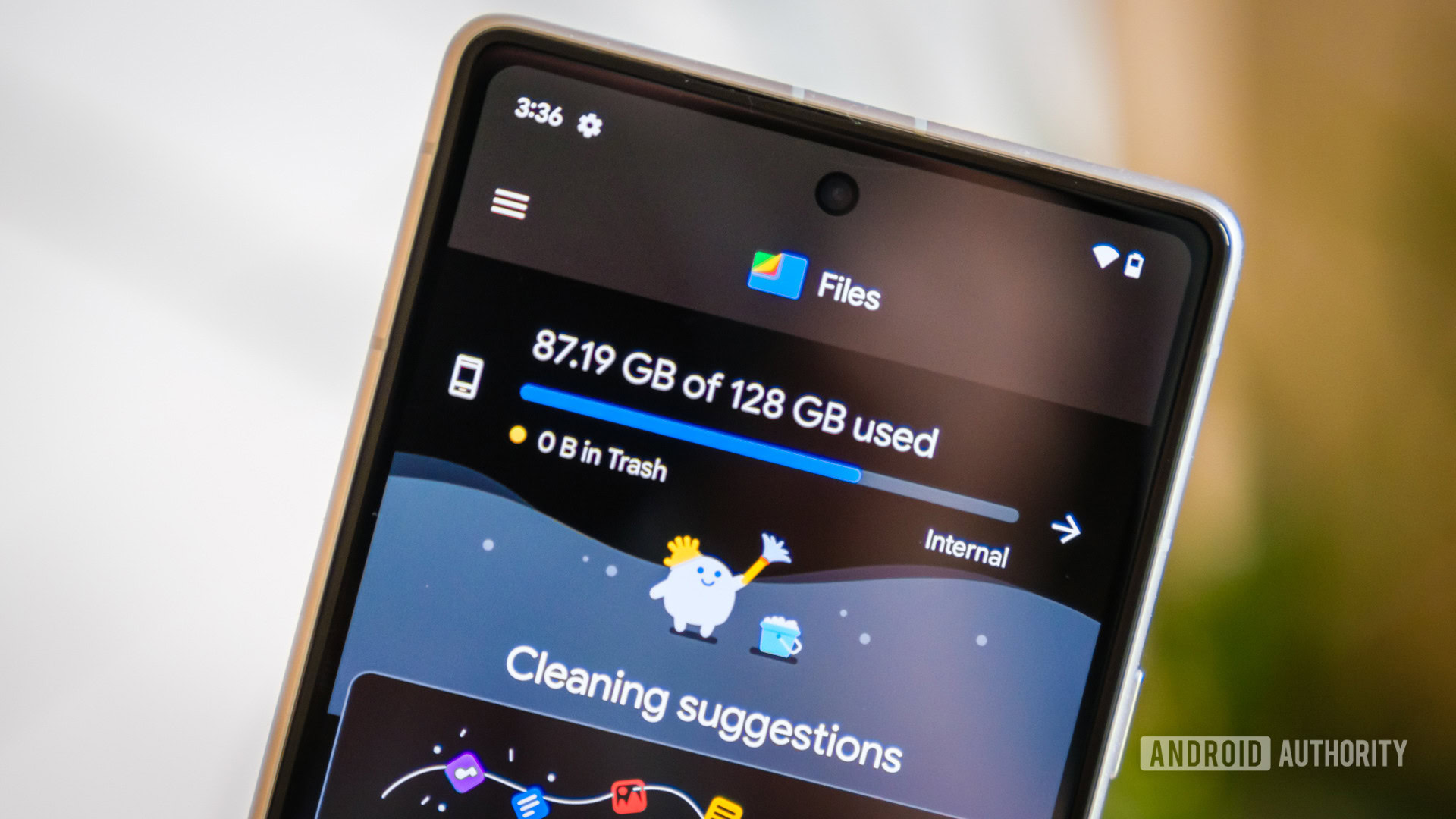
The demand for storage in consumer devices is not merely static; it is rapidly expanding. Not long ago, 128GB of onboard storage felt ample; then 256GB became the comfortable baseline. Now, with the proliferation of high-resolution media, even 512GB is often considered merely "enough" for many users who regularly capture 4K videos, high-megapixel photos, and download extensive offline content. A minute of 4K video, for example, can consume hundreds of megabytes, quickly filling up internal storage. Beyond personal media, the increasing integration of AI models directly onto devices contributes significantly to storage demands. Both Android and iOS are beginning to locally store complex AI models for features like offline voice dictation, advanced photo processing, and personalized user experiences, all of which require substantial gigabytes of space. An offline voice dictation tool, as an example, could require a 6GB download. These factors, combined with ever-growing app sizes and operating system updates, mean that consumers’ storage needs are perpetually on an upward trajectory. The current confluence of booming storage requirements and soaring storage prices necessitates a pragmatic solution that avoids both restrictive space limitations and prohibitive costs. MicroSD cards, despite their own price increases, still fit this description as a cost-effective compromise.
The Resilient Niche: Where Expandable Storage Endures
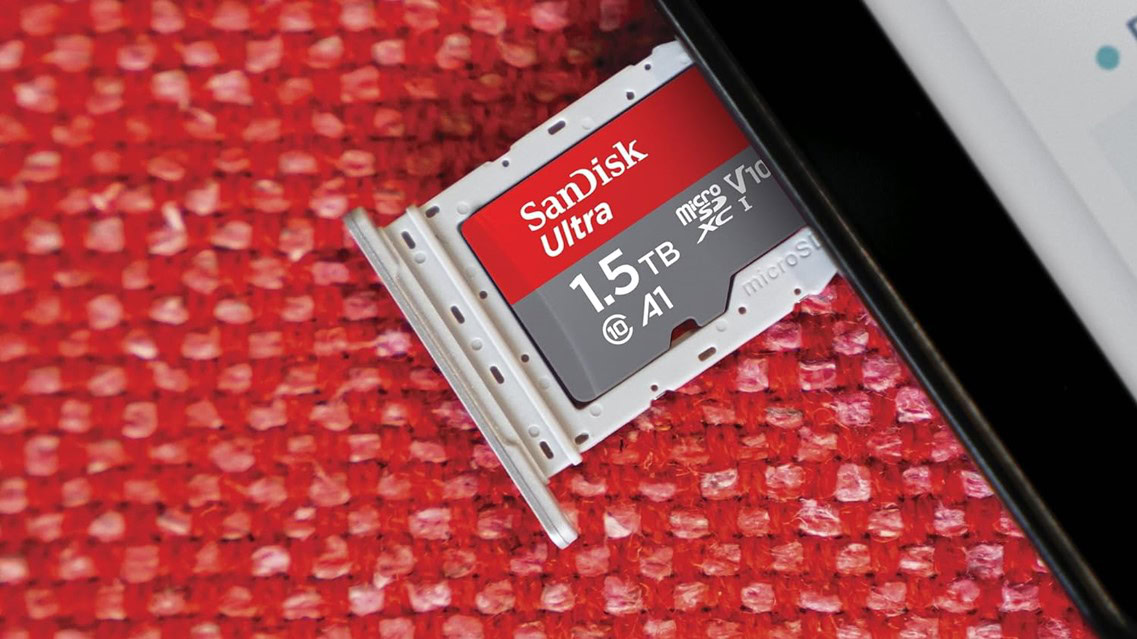
While flagship smartphones from major players like Apple and Google have largely abandoned microSD card slots, expandable storage is far from obsolete. A significant portion of the Android market, particularly in the budget and mid-range segments, continues to champion this feature. Manufacturers such as Samsung, Motorola, and OnePlus often include microSD card slots in their more affordable smartphone offerings, allowing users to expand their device’s capacity by up to 1TB or even 2TB. This demonstrates that the technology is still perfectly viable and desired by a large segment of the consumer base.
Moreover, the utility of microSD cards extends beyond just budget smartphones. Tablets, including Samsung’s flagship Galaxy Tab S11 series, frequently feature card slots, recognizing the need for flexible storage for media consumption, productivity, and creative work. Furthermore, specialized devices like gaming phones, ruggedized smartphones, and creator-focused models from brands like Sony consistently incorporate microSD expansion. These niches underscore the enduring practical value of expandable storage, particularly for users with specific, high-data-volume needs. The absence of this feature in mainstream flagships is therefore not a technological limitation but rather a deliberate design and business strategy by OEMs.
Reassessing Value: The Call for Consumer Choice and Practicality
The core argument for the return of expandable storage on mainstream flagship phones boils down to practicality and consumer choice. In an era where device longevity is increasingly valued and economic pressures are prevalent, being locked into a fixed storage capacity at the time of purchase is becoming an untenable proposition. Consumers should not be compelled to buy a new, expensive phone simply because they have exhausted their initial storage allocation. The ability to incrementally and affordably upgrade storage as needs evolve offers significant long-term value.
While the inherent speed and reliability benefits of internal storage are undeniable, the current economic climate has shifted the cost-benefit analysis. For static data such as media archives, offline maps, or large document collections, the marginally slower speeds of a high-quality microSD card are often a negligible trade-off for the substantial cost savings and flexibility they provide. The previous justifications for omitting card slots – improved IP ratings, simplified designs – are now overshadowed by the economic burden imposed by the "storage tax" and the surging demand for space from modern applications and media. The proposition is not to force a single storage solution but to offer multiple viable options. Consumers who prioritize absolute performance and are willing to pay a premium can still opt for higher internal storage tiers. However, those who seek flexibility and affordability, particularly for managing large volumes of static data, should have the option of a much cheaper, user-upgradable microSD card.
Industry Response and Future Outlook
The likelihood of tech giants like Apple and Google reintroducing microSD card slots into their flagship devices remains low, given their historical trajectory and established business models built around premium internal storage and cloud services. Their focus on minimalist design, sealed units, and proprietary ecosystems runs contrary to the concept of user-expandable components. However, there is a stronger possibility for companies like Samsung and Motorola, which have a history of offering choice and catering to a broader market segment, to potentially leverage this growing consumer frustration.
Should the memory chip crisis persist and internal storage prices continue their upward trend, the competitive landscape might force some manufacturers to reconsider. Offering expandable storage could become a significant differentiator, a value proposition that resonates strongly with budget-conscious consumers and power users alike. While it would be ironic for companies to market the reintroduction of a "forgotten" feature as a groundbreaking innovation, the current economic and technological pressures make a compelling case for its return. The market is increasingly demanding solutions that balance cutting-edge features with affordability and long-term usability, and the humble microSD card could very well emerge as a critical component in addressing these evolving consumer needs.