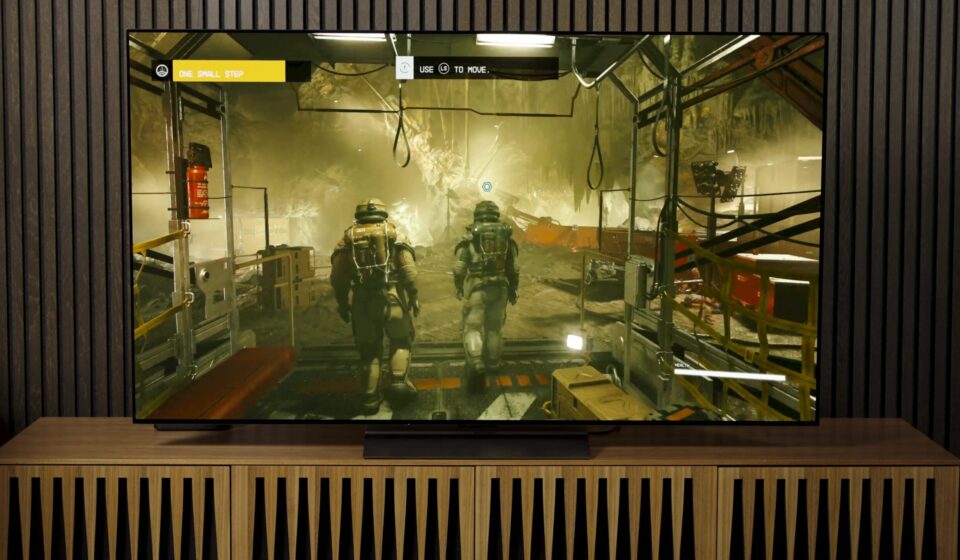
You Asked: LG 42-inch OLED TV as a monitor? Plus Samsung TV fixes and TCL QM6K Pro tips

The rapid advancement of display technology continually presents consumers with both exciting possibilities and complex choices. As the lines between televisions and monitors blur, and manufacturers introduce innovative features, understanding how to best utilize these devices becomes paramount. This comprehensive guide delves into common consumer queries, offering expert insights and practical solutions for optimizing home entertainment setups. From assessing the future viability of cutting-edge OLEDs for PC gaming to troubleshooting picture settings and ensuring seamless connectivity, this article addresses the key concerns of modern AV enthusiasts.
The Enduring Appeal of the LG C4 OLED as a PC Monitor in 2026
A recurring question among discerning consumers centers on the longevity and suitability of high-end televisions for use as PC monitors. Specifically, the LG C4 OLED, a flagship model known for its stunning visual fidelity, is being evaluated for its potential as a PC monitor in the year 2026. For users contemplating such a setup, the consensus among experts remains largely positive, provided certain conditions are met and the user’s specific needs align with the display’s strengths.

The primary driver for the LG C4’s continued relevance is its impressive 144Hz refresh rate. This specification is crucial for fluid motion in fast-paced video games and provides a noticeably smoother experience compared to standard 60Hz or even 120Hz displays. Coupled with its inherent OLED technology, which offers perfect blacks, infinite contrast ratios, and vibrant HDR capabilities, the C4 promises an immersive gaming and cinematic experience that traditional monitors often struggle to match. The "wow factor" associated with gaming on an OLED, particularly in high dynamic range (HDR) content, cannot be overstated. The ability to perceive subtle details in both bright highlights and deep shadows elevates the visual presentation significantly.
Furthermore, the LG C4’s design, particularly its central pedestal stand, offers practical advantages for a desktop environment. Unlike displays with wide-set legs, a central stand often requires less desk real estate and can be more stable, reducing the likelihood of wobbling during intense gaming sessions. This feature simplifies placement and can be particularly beneficial for users with more compact desk setups.
However, the suitability of the 42-inch C4 as a PC monitor is not without its considerations. The sheer size of the display can be a double-edged sword. While it enhances immersion, it also necessitates a specific viewing distance to avoid eye strain and head movement. For some users, a 42-inch screen positioned at a typical desk distance may prove too large, potentially leading to a less comfortable computing experience. This is largely a matter of personal preference and desk ergonomics.

A more significant concern for any OLED display, including the C4, is the potential for burn-in. While OLED technology has advanced considerably, prolonged display of static elements – such as taskbars, desktop icons, or unchanging game UIs – over extended periods can still lead to permanent image retention. Users planning to use the LG C4 as a primary PC monitor should be diligent in employing screen-saving measures, such as enabling pixel shift, using screen dimming features, and regularly changing desktop backgrounds. Implementing these preventative measures is crucial for ensuring the longevity of the display.
The economic aspect also plays a role. As of late 2024, the LG C4 is positioned as a premium product. By 2026, it’s plausible that prices may have decreased, making it a more attractive proposition. However, if the C4 remains at its current price point, potential buyers will need to weigh its superior visual performance against the cost of dedicated PC monitors that might offer similar refresh rates with less risk of burn-in. The decision ultimately hinges on prioritizing visual fidelity and immersion over potential long-term risks and cost considerations.
Decoding Greyed-Out Picture Settings on Samsung TVs: A Common User Conundrum
A frequent point of confusion for Samsung TV owners, particularly those with newer models like the S85F series, involves inexplicably greyed-out picture settings, including the ability to change picture modes or access "Intelligent Mode." This often leads to frustration, as users expect full control over their display’s visual output. The underlying cause, however, is typically straightforward and related to the context in which these settings are accessed.

The core of the issue lies in the distinction between the TV’s operating system interface and actual content being displayed. When a Samsung TV is on its home screen, streaming app menus, or other non-video playback interfaces, certain picture settings are deliberately locked. This is because these interfaces are not intended to be viewed with specialized picture modes like "Movie," "Filmmaker Mode," or "Game Mode," which are designed to optimize the display for specific types of video content. The default "Standard" mode is typically applied in these scenarios to ensure a consistent and functional user interface.
Therefore, the solution is to ensure that the user is attempting to adjust picture settings while actively playing video content. Launching a streaming application like YouTube, Netflix, or Disney+, or inserting a 4K Blu-ray disc, will typically unlock the picture mode options. Once content is playing, users can navigate to the picture settings menu and freely cycle through the available presets, such as "Movie," "Standard," "Vivid," and "Filmmaker Mode," or access other advanced adjustments.
The "Intelligent Mode," which dynamically adjusts picture and sound based on ambient lighting and content type, also has its own set of prerequisites. For Intelligent Mode to be available and function correctly, it’s generally advisable to ensure that the TV is not locked into a specialized picture mode. "Standard Mode" often provides the broadest access to Intelligent Mode’s features. Furthermore, the TV’s ambient light sensor must be enabled and unobstructed. This sensor, usually located on the front bezel of the TV, plays a critical role in Intelligent Mode’s adaptive capabilities. If it’s covered or disabled in the TV’s settings, the mode will not be able to perform its intended function.

While Intelligent Mode offers a convenient, automated approach to picture optimization, many seasoned AV enthusiasts advocate for manual calibration. For a more accurate and consistent viewing experience across a wide range of content, selecting "Movie Mode" and then making manual adjustments to brightness, contrast, color, and sharpness is often recommended. Movie Mode is typically calibrated to adhere closely to industry standards (like Rec. 709 for SDR and Rec. 2020 for HDR), providing a more faithful representation of the creator’s intent. Although Intelligent Mode can be effective, it may sometimes over-process the image or make suboptimal adjustments depending on the specific content and lighting conditions. Ultimately, personal preference plays a significant role, and users are encouraged to experiment with different modes and settings to find what best suits their viewing habits.
Maximizing the TCL QM6K Pro: Bridging the Gap from Older Flagships
The query regarding the perceived lack of significant upgrade from a decade-old Samsung KS8000 to the newer TCL QM6K Pro highlights a common consumer expectation gap. While technological advancements have been substantial over ten years, the performance difference might not be immediately apparent without proper optimization, especially when comparing a budget-oriented model like the QM6K Pro against a previously high-end television. The QM6K Pro, a Costco exclusive model that shares core technology with the standard QM6K but features improved reflection handling, is designed to offer excellent value, but it requires fine-tuning to reach its full potential.
The initial assessment of "no significant difference" often stems from the TV being used straight out of the box, with default settings that may not be ideal for picture quality. Many modern TVs, particularly those targeting value, employ energy-saving modes by default. These modes, which can limit peak brightness to around 60%, significantly hinder the display’s ability to deliver impactful HDR content and vibrant SDR images. Disabling "Energy Saving" is the first crucial step in unlocking the QM6K Pro’s true capabilities.

Similarly, "Intelligent Settings" or adaptive picture modes, while convenient, can sometimes interfere with achieving a consistently accurate picture. These modes aim to automatically adjust settings based on content and environment, but they can lead to unpredictable variations in image quality. For users seeking a more controlled and predictable visual experience, it is often recommended to disable these adaptive features and manually calibrate the picture.
The "Movie" picture mode on the QM6K Pro is generally a strong starting point. It typically offers a warmer color temperature and more accurate color reproduction compared to brighter, more saturated modes like "Vivid" or "Standard." This mode provides a solid foundation for subsequent adjustments to brightness and contrast for both SDR and HDR content.
However, the most impactful setting for enhancing the perceived picture quality on the TCL QM6K Pro, and many other LED/QLED displays, is the "Local Contrast" setting. This feature controls the TV’s ability to manage its backlight zones, allowing for deeper blacks and brighter whites within the same image. Setting Local Contrast to "High" enables the TV to dynamically adjust the backlight to increase contrast, making images appear more dynamic and lifelike. This is a critical setting because contrast is one of the most immediately noticeable aspects of picture quality. Without sufficient contrast, even a high-resolution image can appear flat and uninspiring.

By disabling energy-saving features, turning off intelligent or adaptive picture modes, selecting the "Movie" picture preset, and most importantly, enabling and setting "Local Contrast" to high, users can significantly elevate the visual performance of the TCL QM6K Pro. These adjustments allow the TV to leverage its hardware capabilities more effectively, thereby bridging the gap and demonstrating a more substantial upgrade from older, albeit once premium, television models. The QM6K Pro, with these optimizations, can indeed deliver a picture quality that significantly surpasses that of a decade-old set.
Seamless Connectivity: Integrating Satellite Boxes with Sony Bravia Google TVs
For consumers transitioning to a new smart TV platform, such as Google TV on the Sony Bravia 8 Mark II, ensuring compatibility with existing entertainment hardware is a primary concern. A common scenario involves users who rely on a satellite box for their primary television programming and want to confirm that this setup will function seamlessly with the new TV’s operating system. The good news is that integrating external devices like satellite boxes with Google TV-powered televisions is a straightforward process.
The Sony Bravia 8 Mark II, like most modern televisions, features multiple HDMI input ports. The satellite box connects to the TV via a standard HDMI cable. Once physically connected, the user simply needs to select the corresponding HDMI input on the TV’s interface to access the satellite box’s signal. Google TV’s user interface is designed to accommodate various external sources, and the satellite box will be recognized as another input device.

A crucial tip for users who primarily watch live TV via their satellite box is to configure the TV’s power-on behavior. By default, many smart TVs, including those running Google TV, will boot directly to their smart home screen. However, users can typically navigate to the TV’s settings menu and find an option related to "Power On Behavior" or "Startup Source." Changing this setting to "Last Used Input" will ensure that when the TV is powered on, it automatically defaults to the input that was active when it was last turned off. For a satellite TV user, this means the TV will immediately display their live television feed without requiring manual input selection each time, creating a more convenient and familiar user experience.
This feature streamlines the transition from a traditional TV setup to a smart TV ecosystem. The intelligence of Google TV is leveraged for its streaming and app capabilities, while the core functionality of receiving live television via a satellite provider remains uninterrupted and easily accessible. The Sony Bravia 8 Mark II, with its advanced display technology, will further enhance the viewing experience of satellite broadcasts, providing sharper images and richer colors compared to older television models. The integration is designed to be as unobtrusive as possible, allowing users to enjoy both their familiar live TV services and the expansive world of smart TV applications.