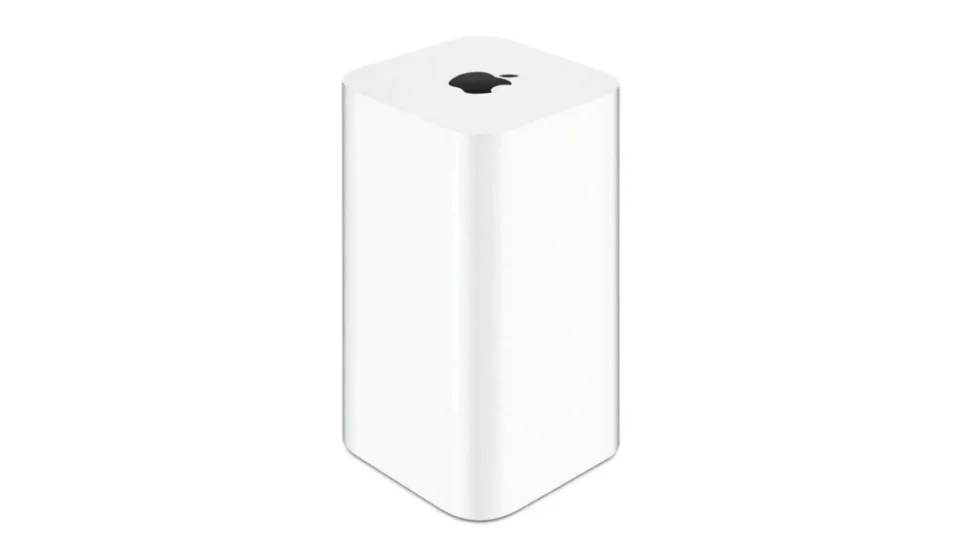
MacOS Golden Gate Officially Ditches Time Capsule Backups, Marking the End of an Era for Apple’s All-in-One Network Storage Solution

Apple’s latest operating system, macOS Golden Gate, released today, marks a significant shift in its backup strategy by officially discontinuing support for Time Machine backups to AirPort Time Capsule devices. This move, anticipated by industry observers and communicated by Apple in advance, effectively renders the once-popular, all-in-one network-attached storage and wireless router obsolete for modern macOS users seeking to leverage Time Machine for their data protection needs. The core of this change lies in macOS Golden Gate’s exclusive reliance on the SMB (Server Message Block) protocol for Time Machine backups, a protocol that the legacy Time Capsule hardware does not adequately support in the configuration required by the new operating system.
The Technical Shift: AFP’s Demise and SMB’s Ascendancy
For years, Apple’s Time Machine software has utilized the Apple Filing Protocol (AFP) for network backups. AFP, a proprietary network file system protocol developed by Apple, was deeply integrated into macOS and offered a seamless experience for users backing up to networked devices. The AirPort Time Capsule, a hardware device that combined wireless networking with integrated hard drive storage, was specifically designed to work with AFP for Time Machine backups.
However, as the technology landscape evolved, the industry has increasingly gravitated towards the SMB protocol, a more universally adopted and robust standard for network file sharing. SMB offers enhanced security features, better performance across different network environments, and broader compatibility with non-Apple devices. Recognizing this industry-wide trend, Apple has been gradually phasing out its reliance on AFP in favor of SMB for network file sharing in macOS.
The transition to SMB for Time Machine backups in macOS Golden Gate is the culmination of this strategic shift. While previous versions of macOS have been moving towards SMB, macOS Golden Gate makes it the exclusive protocol for Time Machine network backups. This means that any device that relies on AFP for Time Machine connectivity will no longer be compatible. The AirPort Time Capsule, with its firmware deeply rooted in AFP, falls squarely into this category. Its internal architecture and software are not designed to implement the necessary SMB configurations that macOS Golden Gate demands for secure and efficient Time Machine operations.
A Forewarning Issued: Apple’s Gradual Communication
This abrupt cessation of support was not a surprise announcement made alongside the macOS Golden Gate release. Apple had begun signaling this change well in advance, providing users with a window to adapt their backup strategies. As far back as June 2025, when macOS Tahoe was in its early development stages, users who attempted to configure Time Machine backups to an AirPort Time Capsule began encountering warnings. These advisories explicitly stated that Time Capsule backups would cease to function in the subsequent major macOS release, which has now materialized as macOS Golden Gate.
The warnings displayed in macOS Tahoe were designed to alert users to the impending incompatibility. They served as a crucial prompt for individuals still reliant on Time Capsule for their backups to explore alternative solutions. This proactive communication, though potentially unwelcome for those invested in the Time Capsule ecosystem, allowed for a phased transition rather than an immediate disruption.
The End of an Era: Time Capsule’s Legacy and Discontinuation
The AirPort Time Capsule, first introduced in 2008, was a unique product that bridged the gap between home networking and data backup. It offered a convenient, all-in-one solution for users who wanted to wirelessly back up their Macs without the need for external hard drives and manual configuration. The device was lauded for its simplicity and integration with Apple’s Time Machine software.
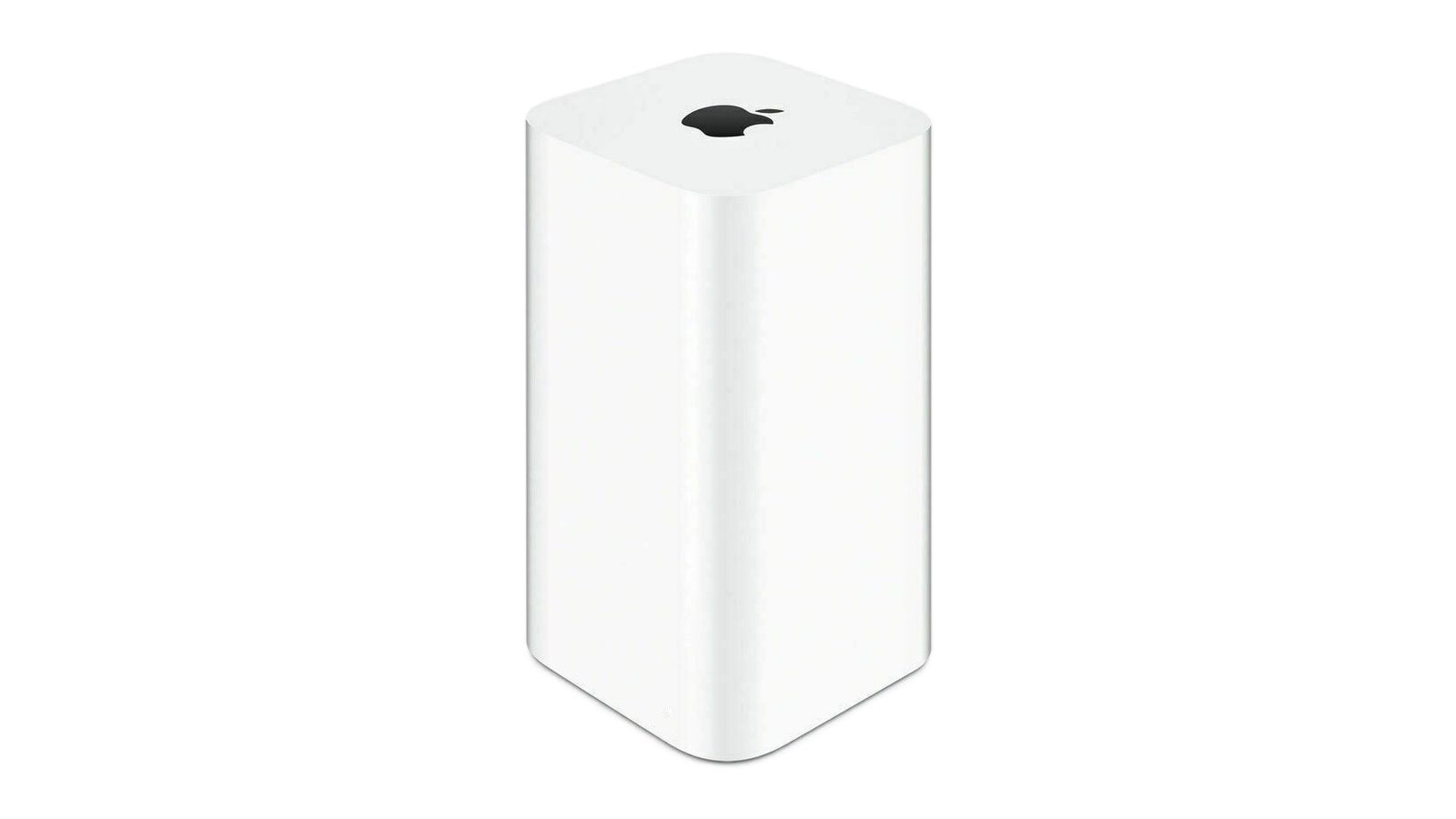
However, the market for dedicated network-attached storage (NAS) devices has matured significantly since the Time Capsule’s inception. Numerous third-party manufacturers now offer a wide range of NAS solutions that provide greater flexibility, storage capacity, and advanced features, often at competitive price points. Apple itself discontinued the AirPort line of products, including the AirPort Extreme and AirPort Time Capsule, in April 2020. This discontinuation, coupled with the phasing out of AFP support, effectively signaled the twilight of the Time Capsule as a viable backup solution for Apple users.
The removal of Time Machine support in macOS Golden Gate is the final nail in the coffin for the Time Capsule’s role in Apple’s backup ecosystem. While existing Time Capsules may still function as basic wireless routers or for file sharing via SMB (albeit with potential performance limitations compared to modern NAS devices), their primary intended use for Time Machine backups is now definitively over.
What This Means for Users: The Need for Alternatives
For users who are still utilizing an AirPort Time Capsule for Time Machine backups, the implications of macOS Golden Gate’s release are clear: immediate action is required to ensure their data remains protected. The operating system will no longer facilitate these backups, leaving users vulnerable to data loss if they do not transition to an alternative solution.
Apple has been steering users towards more modern and flexible backup methods. The most straightforward and recommended alternatives include:
- External Hard Drives: Directly connecting an external USB hard drive to a Mac remains a robust and reliable method for Time Machine backups. These drives are readily available, come in various capacities, and offer excellent performance. The setup is typically as simple as plugging in the drive and following a few prompts within Time Machine.
- Network-Attached Storage (NAS) Devices: For users who prefer network-based backups, modern NAS devices from manufacturers like Synology, QNAP, or Western Digital are excellent options. These devices offer larger storage capacities, often support RAID configurations for data redundancy, and can provide additional features such as media streaming, cloud synchronization, and personal cloud storage. Crucially, modern NAS devices fully support the SMB protocol, ensuring compatibility with macOS Golden Gate and future macOS versions.
- Cloud Backup Services: While not a direct replacement for Time Machine’s local backup functionality, cloud backup services can serve as an essential complementary solution for disaster recovery. Services like Backblaze or Carbonite offer automated offsite backups, protecting data from local hardware failures, theft, or natural disasters.
The transition process may involve migrating existing Time Machine backups from the Time Capsule to a new storage solution. This can be a time-consuming process depending on the amount of data being backed up. Users are advised to plan this migration carefully, potentially utilizing the last days of AFP compatibility in older macOS versions to copy data if necessary, or setting up the new backup solution in parallel before decommissioning the Time Capsule.
Data and Implications: A Shifting Landscape of Data Protection
The discontinuation of Time Capsule support for Time Machine is more than just a technical change; it reflects a broader shift in how consumers approach data storage and protection. The all-in-one, hardware-centric approach of the Time Capsule has been supplanted by a more modular and service-oriented ecosystem.
- Market Evolution: The NAS market has exploded in recent years, offering a diverse range of products catering to different needs and budgets. This competition has driven innovation and made sophisticated data management solutions more accessible to the average consumer.
- Cloud Integration: The increasing ubiquity of cloud services has also influenced backup strategies. While local backups remain critical for quick recovery, cloud backups provide an essential layer of protection against catastrophic events.
- Security and Performance: The move to SMB underscores Apple’s commitment to leveraging industry-standard protocols that offer enhanced security and performance. This aligns macOS with a broader technological ecosystem and ensures greater interoperability.
- Environmental Impact: The discontinuation of older hardware also aligns with broader trends in reducing electronic waste. By encouraging users to adopt newer, more efficient, and longer-supported solutions, Apple is implicitly promoting a more sustainable approach to technology.
The end of Time Capsule support for Time Machine in macOS Golden Gate represents a definitive closing chapter for a once-beloved Apple product. While it may necessitate an upgrade for some users, it also ushers in an era of more robust, flexible, and secure data protection strategies, aligning Apple’s ecosystem with the evolving landscape of digital storage and cloud computing. Users are encouraged to consult Apple’s official support documentation for detailed guidance on transitioning their Time Machine backups to compatible storage solutions.