Apple’s Foldable iPhone Duo: Engineering Insights into Hinge Durability, Display Technology, and User Experience

Apple hardware engineering Vice President Tom Marieb recently offered a rare glimpse into the meticulous development of the company’s groundbreaking foldable device, the iPhone Duo. In an interview with TechRadar, Marieb detailed the engineering challenges and triumphs behind key features of the device, including its innovative hinge mechanism, the novel matte nano-texture display designed to mitigate crease visibility, and the company’s confidence in its advanced screen protection technology. The revelations come at a pivotal moment for Apple as it ventures into the competitive foldable smartphone market, a segment that has historically grappled with durability and user experience concerns.
The iPhone Duo, announced on September 9, 2026, at Apple’s "Surprise and Shine" event, represents a significant departure from the company’s traditional iPhone design philosophy. The device features a dual-screen configuration that folds inward, creating a single, continuous display when fully open. This innovative form factor aims to blend the portability of a smartphone with the expansive viewing experience of a tablet. The launch of the iPhone Duo, alongside the anticipated iPhone 18 Pro models, Apple Watch Series 12, Ultra 4, and new AirPods 5, signaled a busy autumn for the Cupertino-based tech giant, with pre-orders for the Duo scheduled to begin on October 16, 2026, and a public launch on October 23, 2026, at a starting price of $1,999.
Hinge Durability: A Testament to Precision Engineering
One of the most critical aspects of any foldable device is the durability and feel of its hinge. Marieb expressed particular pride in the engineering effort invested in the iPhone Duo’s hinge, describing it as a component that underwent extensive development to achieve Apple’s exacting standards. "We really worked on the torque profile very heavily," Marieb stated, emphasizing the intricate mechanical adjustments required. The goal was to create a hinge that not only withstands repeated folding and unfolding but also provides a satisfying tactile experience, akin to the solid, reassuring closure of a high-end automobile door.
"That means changing a lot of the mechanical properties of the hinge to have it feel solid, like a high-end automobile’s car door, when you shut it," he elaborated. This deliberate design choice aims to instill confidence in users, assuring them of the device’s craftsmanship and reliability. The concept of "torque profile" refers to the force required to open and close the hinge, and Apple’s engineers meticulously calibrated this to prevent any sense of looseness or fragility. The hinge was engineered to avoid a "floppy" feel, a common criticism of some early foldable devices.
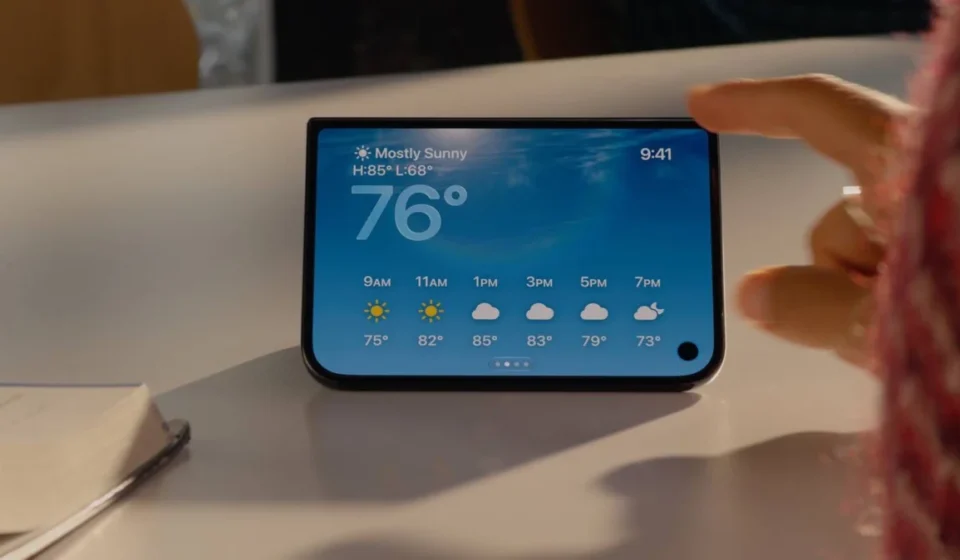
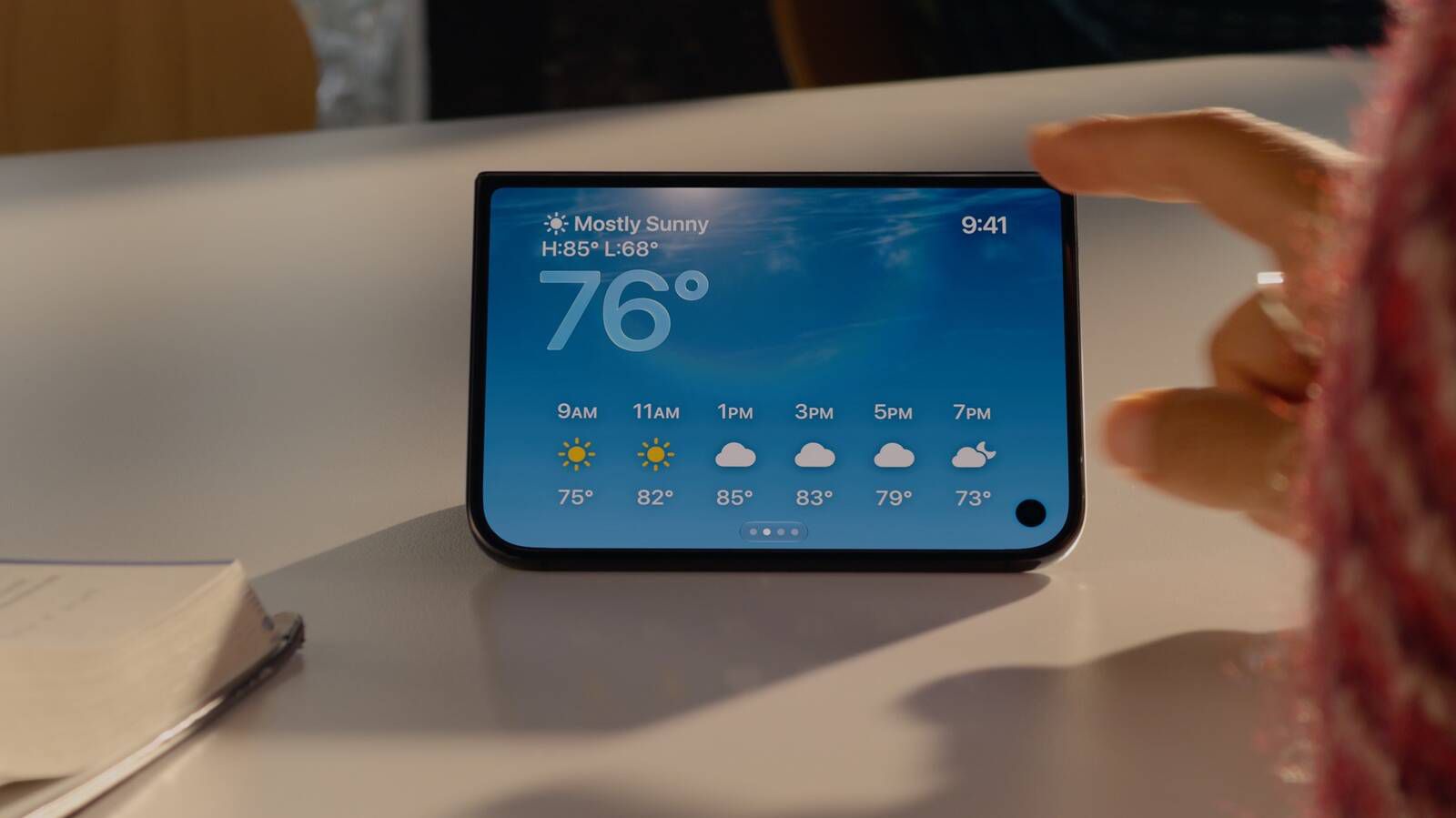
The development process was described by Marieb as demanding significant dedication, with "a lot of blood, sweat, and tears" poured into perfecting the hinge’s design. This intensive focus on the hinge’s mechanics allows the iPhone Duo to be used in various partially folded states, enabling versatile "seated and standing modes" in addition to its fully open and closed configurations. This flexibility is a key selling point for foldable devices, allowing users to adapt the form factor to different tasks and environments.
Mitigating the Crease: The Role of Display Technology
The visibility of the crease, the line where a foldable screen bends, has been a persistent challenge for the foldable industry. Apple appears to have addressed this head-on with the iPhone Duo’s display technology. Marieb highlighted the use of a matte nano-texture display, a significant departure from the glossy finishes common on many smartphones. This specialized finish is engineered to reduce glare and, crucially, to minimize the visual prominence of the hinge crease.
When questioned about the potential for the crease to become more noticeable over time, as has been observed in some competing foldables, Marieb expressed confidence in Apple’s solution. He invited the public to "Hold us accountable to that, please." The matte finish, he explained, plays a dual role: "apart from it being beautiful – it’s also part of that equation." He further elaborated on the technical advantages: "When you look at glossy displays, their specularity makes it very easy to pick up topology differences. That’s part of the reason we picked the matte finish – it’s not only beautiful in terms of preventing glare, but it’s also more forgiving of [hinge] changes over time."
This choice of a matte texture diffuses light more effectively, making subtle surface variations, such as the hinge crease, less apparent. This technological approach is a proactive measure to address a known limitation of foldable displays, aiming to provide a more seamless and aesthetically pleasing viewing experience throughout the device’s lifespan. The "nano-texture" aspect suggests an advanced manufacturing process that creates microscopic surface irregularities to achieve the desired light-scattering properties.
Ceramic Shield 2 and a Strong Stance on Screen Protectors
Beyond the foldable mechanics and display innovation, Marieb also touched upon the durability of the iPhone Duo’s external screen, specifically mentioning Ceramic Shield 2. While details about Ceramic Shield 2 were not extensively elaborated upon in this segment of the interview, it is likely an evolution of Apple’s existing Ceramic Shield technology, known for its enhanced drop performance and scratch resistance.
Interestingly, Marieb also voiced a strong personal aversion to the use of screen protectors on iPhones. His sentiment, "When I see someone put a screen protector on their iPhone, it makes my skin crawl," underscores Apple’s deep-seated confidence in the inherent durability of its device screens. This stance suggests that the company believes its advanced screen materials, like Ceramic Shield 2, are sufficiently robust to protect the device without the need for additional accessories, potentially aiming to encourage users to experience the device’s natural feel and aesthetics.
Market Context and Apple’s Entry into Foldables
Apple’s foray into the foldable smartphone market with the iPhone Duo arrives at a time when the segment is maturing but still represents a niche within the broader smartphone industry. Competitors such as Samsung, Motorola, and Huawei have been refining their foldable offerings for several years, introducing various form factors and addressing early technical hurdles. Samsung, in particular, has established a significant market share with its Galaxy Z Fold and Z Flip series.
The iPhone Duo’s reported price point of $1,999 positions it as a premium device, aligning with the established pricing strategies for high-end foldables. This pricing reflects the complex engineering, advanced materials, and innovative technology involved in producing such devices. The market’s reaction to the iPhone Duo will be closely watched, as Apple’s entry could significantly influence consumer perception and accelerate mainstream adoption of foldable technology.
Background on the iPhone Duo Announcement
The iPhone Duo was officially unveiled during Apple’s highly anticipated September 2026 "Surprise and Shine" event. This annual event typically serves as the platform for the unveiling of Apple’s latest iPhone lineup, alongside other key product updates. The event, which kicked off at 10:00 a.m. Pacific Time on Wednesday, September 9, 2026, also saw the expected reveal of the iPhone 18 Pro and Pro Max, Apple Watch Series 12 and Ultra 4 models, and new AirPods 5 earphones. The announcement of a foldable iPhone had been a subject of intense speculation for years, with numerous patents and rumors circulating within the tech community. The official reveal marked a significant milestone in Apple’s product evolution.
Analysis of Implications
The engineering decisions highlighted by Tom Marieb have several potential implications for the future of foldable technology and Apple’s competitive standing.
- Setting New Standards for Durability: The emphasis on hinge torque and the matte nano-texture display suggests Apple is not just entering the foldable market but aiming to set new benchmarks for durability and user experience. If successful, this could address some of the lingering consumer concerns that have limited the broader appeal of foldables.
- Driving Further Innovation: Apple’s approach to crease mitigation could spur further research and development in display materials and manufacturing processes across the industry. The success of the matte nano-texture display might encourage other manufacturers to explore similar solutions.
- Consumer Trust and Adoption: By being transparent about the engineering challenges and solutions, Apple aims to build consumer trust. The detailed explanations regarding hinge feel and crease management are designed to reassure potential buyers that the iPhone Duo is a well-crafted and reliable device, potentially accelerating mainstream adoption of foldable smartphones.
- Impact on Accessory Market: Marieb’s strong statement against screen protectors, while personal, could subtly influence how users approach protecting their new devices. If Apple’s Ceramic Shield 2 proves exceptionally resilient, it might reduce the perceived need for third-party screen protectors, impacting a significant segment of the mobile accessory market.
The full interview with Tom Marieb, providing further insights into the iPhone Duo and other Apple hardware developments, is available on TechRadar. As pre-orders commence on October 16th, the tech world will be keenly observing the consumer response to Apple’s bold entry into the foldable smartphone arena, a move that promises to reshape the landscape of mobile technology. The iPhone Duo’s success could signal a turning point for foldable devices, transitioning them from a niche curiosity to a mainstream mobile computing platform.