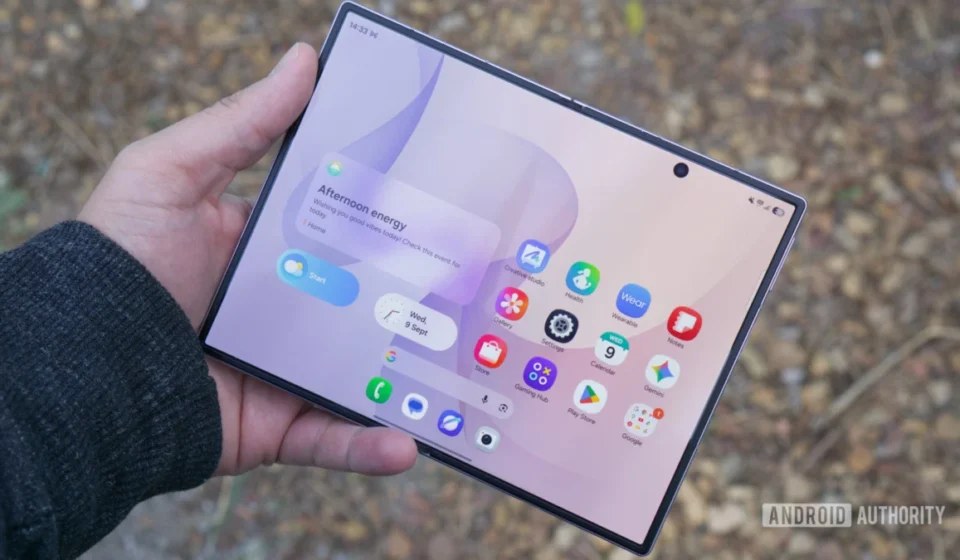
Apple’s iPhone Duo Could Be the Catalyst Android Foldables Need to Solve Their App Problem

The long-standing challenge of application optimization on Android foldable devices may finally see a significant turning point with the anticipated arrival of Apple’s iPhone Duo. For years, Android device manufacturers have pushed the boundaries of hardware innovation in the foldable segment, delivering cutting-edge designs and robust mechanisms. However, the software experience, particularly the inconsistent adaptation of third-party applications to the unique large-screen form factor, has remained a persistent Achilles’ heel. Google’s Android Ecosystem President, Sameer Samat, has acknowledged this dynamic, suggesting that Apple’s entry into the foldable market could inadvertently provide the necessary impetus for developers to take foldable layouts more seriously, ultimately benefiting Android users.
The Enduring App Optimization Challenge for Android Foldables
Since the introduction of the first mainstream foldable smartphones, such as Samsung’s Galaxy Fold in 2019, Android manufacturers have been at the forefront of this nascent technology. Companies like Samsung, Huawei, Motorola, Xiaomi, Oppo, and Google itself with the Pixel Fold, have invested heavily in refining the mechanical durability, display technology, and overall hardware prowess of these devices. Yet, despite these advancements, the software ecosystem has often lagged behind. Many applications, originally designed for traditional smartphone aspect ratios, struggle to fully utilize the expanded screen real estate offered by foldables. This often results in suboptimal user experiences, characterized by letterboxing, stretching, or simply presenting a scaled-up version of the phone interface rather than a thoughtfully redesigned tablet-like layout.
The core of the problem lies in developer inertia and the inherent complexity of adapting applications for a diverse range of foldable form factors. Unlike the relatively standardized screen sizes and aspect ratios of traditional smartphones and tablets, foldables introduce a spectrum of possibilities: inward-folding, outward-folding, flip phones, and different unfolded aspect ratios. This fragmentation makes it challenging for developers to create a single, universally optimized experience without significant investment. For many years, with foldables representing a niche market segment, the return on investment for such dedicated development effort was perceived as insufficient. Consequently, a substantial portion of the vast Android app library has not been fully optimized, leaving users with a less-than-premium experience on their premium devices. Reviews of various Android foldables, including extensive hands-on reports from publications like Android Authority, have consistently highlighted this "app problem" as one of the major weak points preventing foldables from achieving mainstream adoption and fulfilling their full potential.
Google’s Proactive Measures and the Evolution of Android for Large Screens
Recognizing this critical bottleneck, Google has not been passive. Over the past few years, the company has made concerted efforts to provide developers with the tools and incentives needed to optimize their applications for large screens and foldable devices. This initiative gained significant momentum with the introduction of Android 12L, a specialized version of the operating system designed to better accommodate tablets, foldables, and ChromeOS devices. Android 12L brought improvements in multitasking, notification handling, and interface scaling, laying the groundwork for a more cohesive large-screen experience.
Subsequent Android versions have built upon this foundation. Android 13, 14, and 15 continued to refine UI elements, introduce better multi-window management, and offer more robust APIs for developers to query device posture and display characteristics. More recently, as noted in discussions surrounding the current state of foldable software, Android 16 began overriding certain orientation and resizing restrictions that previously hindered apps on larger screens. This was a crucial step towards ensuring apps behave more predictably. The trajectory continued with Android 17, which reportedly doubled down on this commitment by making adaptive behavior mandatory for applications targeting the latest release. This shift from optional guidelines to mandatory requirements signifies Google’s strong stance on improving the large-screen experience across its ecosystem.
Furthermore, Google has actively worked on developer tools to simplify the adaptation process. Frameworks like Jetpack WindowManager provide a unified API for managing window sizes and display features, making it easier for developers to implement responsive and adaptive layouts. Material Design guidelines have also been updated to include specific recommendations for designing applications across different screen sizes and form factors, promoting a more consistent and intuitive user interface. On the consumer-facing side, the Google Play Store has also begun highlighting applications specifically optimized for larger displays, helping users discover apps that truly leverage their foldable device’s capabilities. These initiatives collectively demonstrate Google’s long-term strategy to nurture a robust and optimized app ecosystem for foldables.
Apple’s Entry: A Potential Paradigm Shift
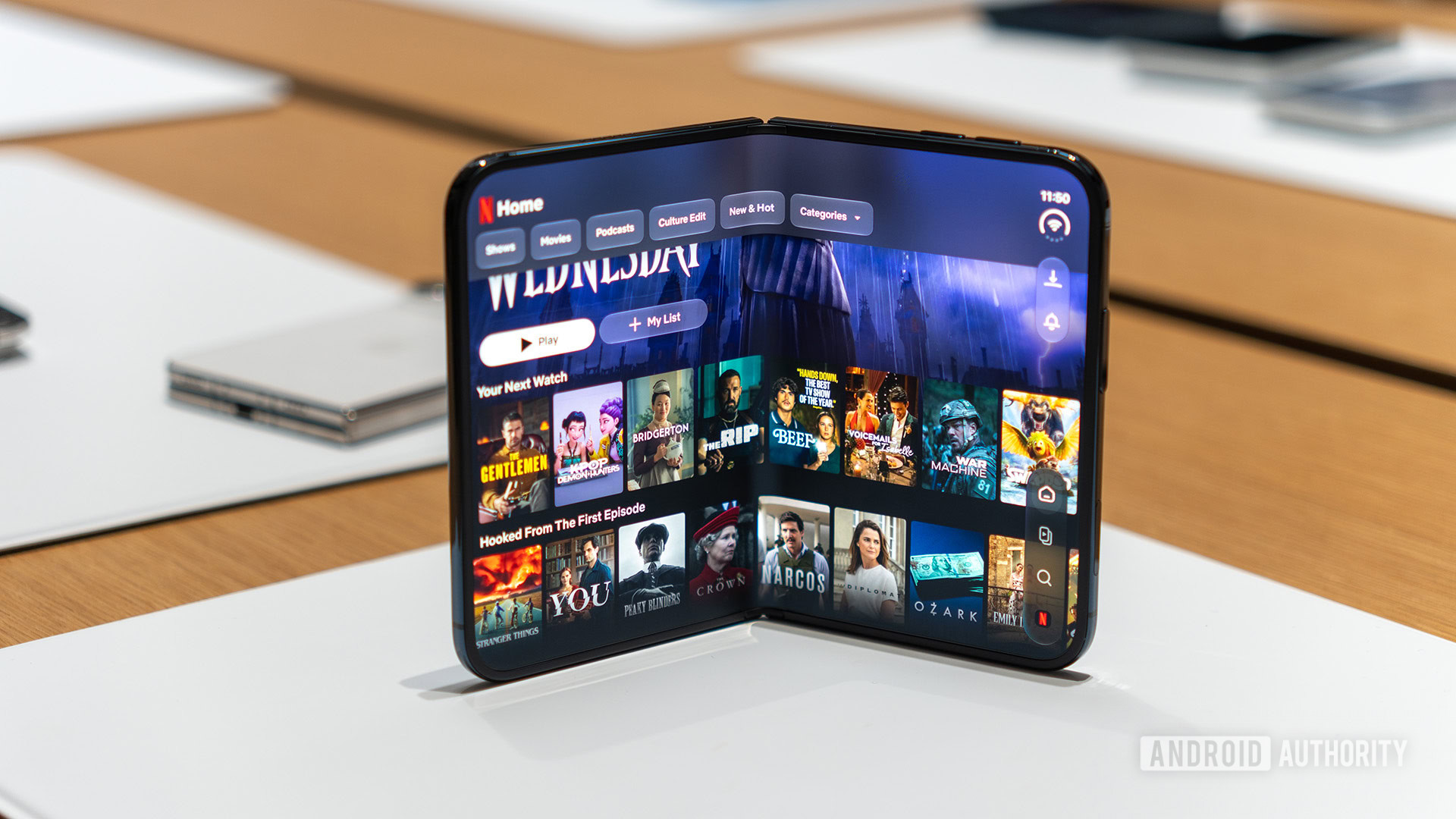
The arrival of Apple’s iPhone Duo, as glimpsed in early hands-on impressions, represents more than just another competitor in the foldable market; it could be a transformative event for the entire industry. Apple’s influence on the mobile ecosystem is undeniable. Historically, when Apple enters a new product category or adopts a particular technology, it often acts as a powerful legitimizer, drawing significant developer attention and consumer interest. This phenomenon is precisely what Sameer Samat alluded to in his interview with Tom’s Guide, stating that "As this form factor becomes more and more popular, developers realize that there’s more and more value in investing in it." Apple’s presence could dramatically accelerate this realization.
There are several reasons why Apple’s entry could serve as a catalyst for broader foldable app optimization, extending its benefits even to the Android ecosystem:
- Massive Developer Incentive: Apple commands a vast and highly engaged developer community, often seen as a priority for app development due to the iOS user base’s perceived higher engagement and spending habits. If Apple’s iPhone Duo gains traction, developers will undoubtedly prioritize optimizing their applications for it. This concentrated effort on a high-profile foldable device could then trickle down to Android.
- Standardization and Best Practices: Apple is known for its meticulous attention to design and user experience, often establishing de facto standards for app development within its ecosystem. Should Apple introduce clear, compelling guidelines and robust tools for foldable app design on iOS, these best practices could influence cross-platform development. Developers, having invested in adapting their apps for the iPhone Duo, might find it more efficient to apply similar adaptive principles and design patterns to their Android counterparts, rather than maintaining entirely separate development tracks.
- Accelerated Market Growth: Apple’s brand power and marketing reach are unparalleled. Its entry into the foldable market could significantly boost overall consumer adoption of the form factor globally. A larger, more mainstream foldable audience across both iOS and Android platforms would inherently increase the perceived value and necessity of developing optimized applications, making the investment more justifiable for a wider range of developers.
- Reduced Fragmentation (Indirectly): While Android’s hardware landscape remains diverse, Apple’s single, highly controlled foldable offering might create a benchmark. Developers optimizing for the iPhone Duo will be targeting a specific, well-defined foldable experience. This clarity could simplify their approach to adaptive design, which could then be more easily generalized to the various Android foldable configurations, especially those that share similar multi-window or large-screen paradigms.
Official Responses and Broader Implications
Sameer Samat’s comments reflect a cautious optimism within Google regarding Apple’s impact. He explicitly acknowledged the ongoing "conversations" with developers whose apps have not yet made the transition to optimized foldable layouts, indicating Google’s proactive engagement. His statement — "Either they’re working on it, or we’re in conversations with them" — suggests that Google is both guiding and, where necessary, nudging developers towards better foldable support. The sentiment that Apple’s entry legitimizes the market for developers underscores Google’s belief that increased market popularity directly translates to increased developer investment.
While Samat couldn’t resist a playful jab, asserting that Android is "usually where you see the future first," highlighting Android’s pioneering role in foldables, his overall tone was one of constructive observation. His personal endorsement of the Galaxy Z Fold 8 for productivity before transitioning work to his laptop further emphasizes Google’s commitment to the form factor and its potential. This dual perspective—acknowledging Android’s innovation while welcoming Apple’s market-making influence—is crucial for understanding the potential shift.
The broader implications of Apple’s entry extend beyond just app optimization:
- For Developers: It will necessitate a comprehensive strategy for foldable app development across both major mobile platforms. The investment in adaptive UI/UX will become increasingly critical, moving from a niche consideration to a mainstream requirement.
- For Consumers: The primary beneficiaries will be users of foldable devices, regardless of their chosen operating system. A more robust and optimized app ecosystem means a richer, more consistent, and ultimately more valuable user experience, potentially overcoming one of the biggest deterrents to widespread foldable adoption.
- For the Android Ecosystem: Apple’s arrival serves as a validation of the foldable form factor that Android OEMs have championed for years. It could accelerate the resolution of the app gap that Android has struggled with, providing an indirect but significant boost to the overall appeal and functionality of Android foldables. This could lead to a virtuous cycle where better apps drive higher adoption, which in turn encourages further app optimization.
- For Apple: The iPhone Duo marks Apple’s expansion into a new premium device category, allowing it to tap into a growing market segment and potentially set new benchmarks for foldable user interface and experience design.
A Chronology of Foldable Evolution and App Development Challenges
The journey of foldables and their accompanying app challenges can be traced through a distinct chronology:
- 2019: The Dawn of Mainstream Foldables: Samsung launches the Galaxy Fold, followed by Huawei’s Mate X. Initial excitement is tempered by hardware durability concerns and a nascent software ecosystem where most apps simply stretched or letterboxed. This year firmly established the concept but also highlighted the immense technical hurdles.
- 2020-2022: Hardware Refinement and Early Software Initiatives: Manufacturers like Motorola (with the Razr), Xiaomi, and Oppo introduce their own foldable devices, showcasing improved hinges and display durability. Google introduces early large-screen optimizations within Android, but developer adoption of these new APIs remains slow due to the small market size and perceived complexity. The "app problem" becomes a widely recognized issue in tech reviews.
- 2023: Google’s Pixel Fold and Android 12L/13: Google releases its own foldable, the Pixel Fold, signaling a stronger commitment to the form factor. Concurrently, Android 12L and subsequent Android 13 updates bring more dedicated features for large screens, including improved multi-window management and better support for different aspect ratios. Developer tools begin to mature, but the number of fully optimized apps remains limited.
- 2024-2025: Continued OS Refinement and Increased OEM Competition: More Android OEMs enter the foldable space, leading to a wider variety of form factors and price points. Android 14 and 15 further enhance the operating system’s capabilities for foldables, with Google actively promoting adaptive design principles. The Google Play Store starts featuring collections of large-screen optimized apps. Despite these efforts, a significant portion of the app library still struggles with proper adaptation.
- 2026: The iPhone Duo Arrives: Apple introduces its iPhone Duo, immediately capturing global attention. Early hands-on impressions suggest Apple’s approach to multitasking and app layout on the inner display, even if initially limited, sets a high bar for user experience. This event is widely anticipated to be the catalyst that fundamentally alters developer priorities for foldable devices across the industry.
In conclusion, while Android foldables have spent years painstakingly perfecting their hardware, the persistent challenge of application optimization has been a tougher nut to crack. Apple’s entry into the foldable arena with the iPhone Duo, rather than being a competitive threat in terms of app ecosystem, is poised to become an unexpected ally for Android. By significantly amplifying the market’s demand for tailored foldable experiences, Apple could provide the crucial incentive that prompts a broader developer community to invest in comprehensive app optimization. This shift, driven by the increased popularity and legitimacy Apple brings to the foldable form factor, promises a future where both Android and iOS foldable users can enjoy a truly seamless and enriched application experience, finally realizing the full potential of these innovative devices.