MacOS Golden Gate 27.2 Hints at a Touchscreen Future for MacBooks with New Gesture Controls

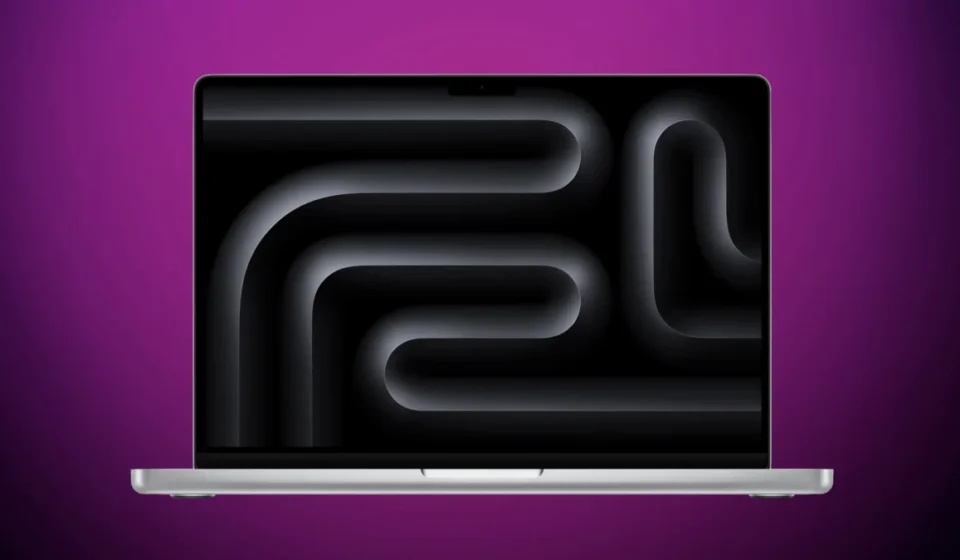
The latest beta release of macOS Golden Gate, version 27.2, has unveiled a series of subtle yet significant code additions that point towards a potential paradigm shift in Apple’s MacBook lineup. Buried within the operating system’s framework are references to new touch-specific gesture recognition capabilities designed for core applications such as Safari, Notes, Photos, and Quick Look. This development has ignited speculation that Apple is actively preparing to introduce a long-rumored OLED touchscreen MacBook, potentially branded as the "MacBook Ultra."
Unpacking the Code: A Deeper Dive into Gesture Recognition
The discovery, first reported by MacRumors, centers on the integration of new gesture recognizers within the code of macOS Golden Gate 27.2. Specifically, Safari is noted to be receiving a "touch sentinel recognizer," while Photos incorporates "PXGTouchDwellGestureRecognizer." The Notes application is slated to gain "ICTouchPressGestureRecognizer," and Quick Look will feature a "dragTouch" functionality. These technical designations suggest a sophisticated level of integration for touch interactions, moving beyond simple tap or swipe commands to more nuanced and application-specific gestures.
These additions are not isolated to a single application but are distributed across several key user-facing programs. This broad implementation indicates a system-wide effort to enhance touch interaction, rather than a targeted update for a specific feature. The presence of these gesture frameworks strongly implies that Apple is not merely experimenting with touch but is laying the groundwork for a more integrated touch experience on Mac hardware.
The OLED MacBook Ultra: A Speculative Timeline and Features
The prospect of an OLED touchscreen MacBook has been a recurring theme in industry rumors for several years. The latest insights from macOS Golden Gate 27.2 align with a projected launch timeframe of late 2026 for such a device. Industry analysts and leakers have consistently pointed towards an "OLED MacBook Ultra" as the potential moniker for this groundbreaking product.
Beyond the touchscreen functionality, the rumored MacBook Ultra is expected to embody a significant evolution in MacBook design and performance. Reports suggest it will be notably thinner and lighter than current MacBook models, a feat potentially enabled by the adoption of OLED display technology, which can be more power-efficient and allow for sleeker chassis designs. Furthermore, the device is anticipated to feature the Dynamic Island, a user interface element that debuted on the iPhone and has since been integrated into certain iPad models, offering a more fluid and interactive notification and status display.
Under the hood, the MacBook Ultra is expected to be powered by Apple’s next-generation silicon, likely the M5 Pro and M5 Max chips. These processors are anticipated to deliver substantial performance gains, further enhancing the capabilities of a touch-enabled macOS experience. The combination of an OLED touchscreen, a refined industrial design, and cutting-edge processing power would position the MacBook Ultra as a premium device aimed at professionals and power users seeking the pinnacle of Apple’s laptop technology.
Background and Context: A Gradual Evolution Towards Touch
Apple’s journey towards integrating touch capabilities into its Mac ecosystem has been a gradual one. The inclusion of touch-friendly changes began with the launch version of macOS Golden Gate, which introduced pull-to-refresh gestures in applications like Safari, Mail, and Calendar. This earlier implementation, while seemingly minor, signaled a growing awareness of user expectations for more intuitive interaction methods, influenced by the widespread adoption of touch interfaces on iPhones and iPads.
The introduction of Sidecar in macOS Catalina marked a significant step, allowing users to utilize an iPad as a secondary display for their Mac. With macOS Golden Gate, this functionality was further enhanced with full touch input support for Sidecar. This feature enables direct interaction with the Mac’s interface via the iPad’s touchscreen, effectively bringing touch control to the Mac experience indirectly. The recent code additions in macOS 27.2 could be seen as an extension and refinement of these Sidecar capabilities, perhaps preparing for a future where touch is a primary input method on the Mac itself.
Analyzing the Implications: A New Era for macOS and User Interaction
The potential introduction of a touchscreen MacBook would represent a significant departure from Apple’s traditional design philosophy for its laptop line. For years, Apple has maintained a clear distinction between its touch-first iPad line and its trackpad and keyboard-centric MacBooks. While both lines share macOS and iPadOS respectively, their primary input methods have remained a key differentiator.
A touchscreen MacBook would blur these lines, potentially offering users the best of both worlds: the power and versatility of macOS combined with the intuitive and direct interaction of a touchscreen. This could lead to a reimagining of how users interact with macOS applications. Developers might be encouraged to design applications with touch-first interfaces, optimizing workflows for direct manipulation. For creative professionals, a touchscreen could offer new ways to interact with design software, editing tools, and other visually oriented applications.
Potential Challenges and Considerations
Despite the exciting possibilities, the transition to a touchscreen MacBook is not without its potential challenges. One of the primary considerations will be the ergonomics of using a touchscreen on a laptop form factor. While touch is excellent for mobile devices, extended use on a larger screen, especially at a desk, can be less comfortable than using a trackpad and keyboard. Apple would likely need to innovate in this area, perhaps through intelligent gesture design or complementary accessories, to ensure a seamless and comfortable user experience.
Furthermore, the integration of touch would necessitate a re-evaluation of the macOS user interface. Elements that are optimized for pointer input might need to be redesigned to be more touch-friendly, with larger buttons and more spacing. The balance between touch and traditional input methods will be crucial. Apple has a history of carefully integrating new technologies, and it’s expected that they would approach this transition with a focus on providing a cohesive and user-friendly experience.
Broader Market Impact and Competitive Landscape
The introduction of a touchscreen MacBook would undoubtedly send ripples throughout the personal computing market. It would directly challenge existing Windows-based 2-in-1 devices and touchscreen laptops, offering a premium alternative with Apple’s signature ecosystem integration and performance. Competitors would likely be pressured to further innovate in their own touchscreen offerings, potentially leading to a broader industry-wide push for more advanced touch capabilities on laptops.
The success of such a device could also influence the future direction of operating system development. If Apple demonstrates a viable and compelling touchscreen experience on macOS, it could encourage other operating system vendors to explore similar integrations, further blurring the lines between traditional computing and tablet-like interfaces.
Official Responses and Industry Reactions
As of this report, Apple has not officially commented on the existence or potential release of a touchscreen MacBook. The company’s typical policy is to neither confirm nor deny rumors or unannounced products. However, the detailed nature of the code inclusions in macOS 27.2 suggests a significant investment in touch-related technologies.
Industry analysts and tech enthusiasts have largely reacted with a mixture of excitement and anticipation. Many see this as a natural evolution for the Mac platform, capitalizing on Apple’s strengths in both hardware and software. The timing of the rumored late 2026 release also aligns with expected advancements in OLED display technology and Apple’s silicon roadmap, making it a plausible timeframe for such a significant product launch.
The Road Ahead: A Glimpse into the Future of Mac Computing
The code unearthed in macOS Golden Gate 27.2 serves as a compelling indicator of Apple’s future intentions for its MacBook line. While concrete details remain speculative, the integration of advanced touch gesture recognition points strongly towards the development of an OLED touchscreen MacBook. This potential "MacBook Ultra" could usher in a new era of user interaction for macOS, blending the power of a traditional laptop with the intuitiveness of a touchscreen. As Apple continues to refine its operating systems and hardware, the lines between its product categories may continue to blur, offering consumers increasingly versatile and integrated computing experiences. The coming years will likely reveal whether this speculative future of touch-enabled Macs will become a tangible reality.