Google’s HiLight Feature on Pixel 11 Pro Sparks Debate on Unlocking Notification Potential

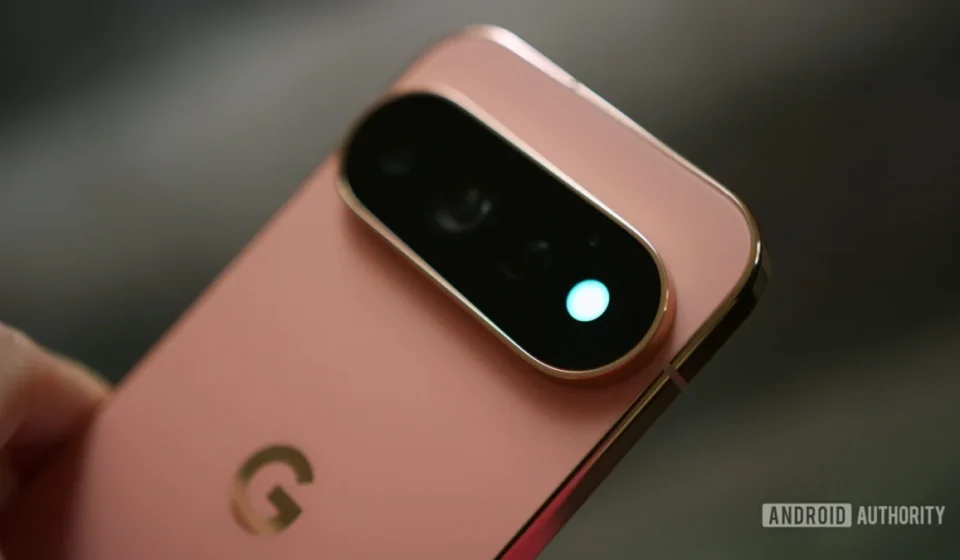
The introduction of the HiLight feature on Google’s latest Pixel 11 Pro series has rekindled a long-standing discussion among smartphone users and industry observers regarding the utility and evolution of notification indicators. Positioned subtly within the device’s camera visor, HiLight represents Google’s contemporary interpretation of the classic notification LED, a staple of mobile devices from a bygone era. While currently offering limited functionalities—primarily signaling calls from designated "favorite" contacts and indicating activity from the Gemini AI assistant—the feature has quickly become a focal point for debate, with many users and tech enthusiasts advocating for a significant expansion of its capabilities to fully realize its potential as a sophisticated, glanceable alert system.
The Resurgence of Visual Alerts: A Historical Perspective
For many years, a simple, often single-color, LED indicator served as a critical non-intrusive notification system on mobile phones. Devices like the BlackBerry and early Android smartphones prominently featured these lights, allowing users to discern the presence of new messages, emails, or missed calls without actively engaging with their device. This discreet form of communication offered a quick, energy-efficient way to stay informed, particularly when the phone was placed face down or across a room.
However, with the advent of larger, always-on displays (AOD) and more sophisticated screen-on notification systems, the dedicated notification LED gradually faded from mainstream smartphone design. Manufacturers argued that the display itself could provide richer, more detailed information, rendering the simple LED redundant. Yet, a segment of users continued to express a preference for the unobtrusive, battery-friendly nature of a physical light, especially for urgent or critical alerts.
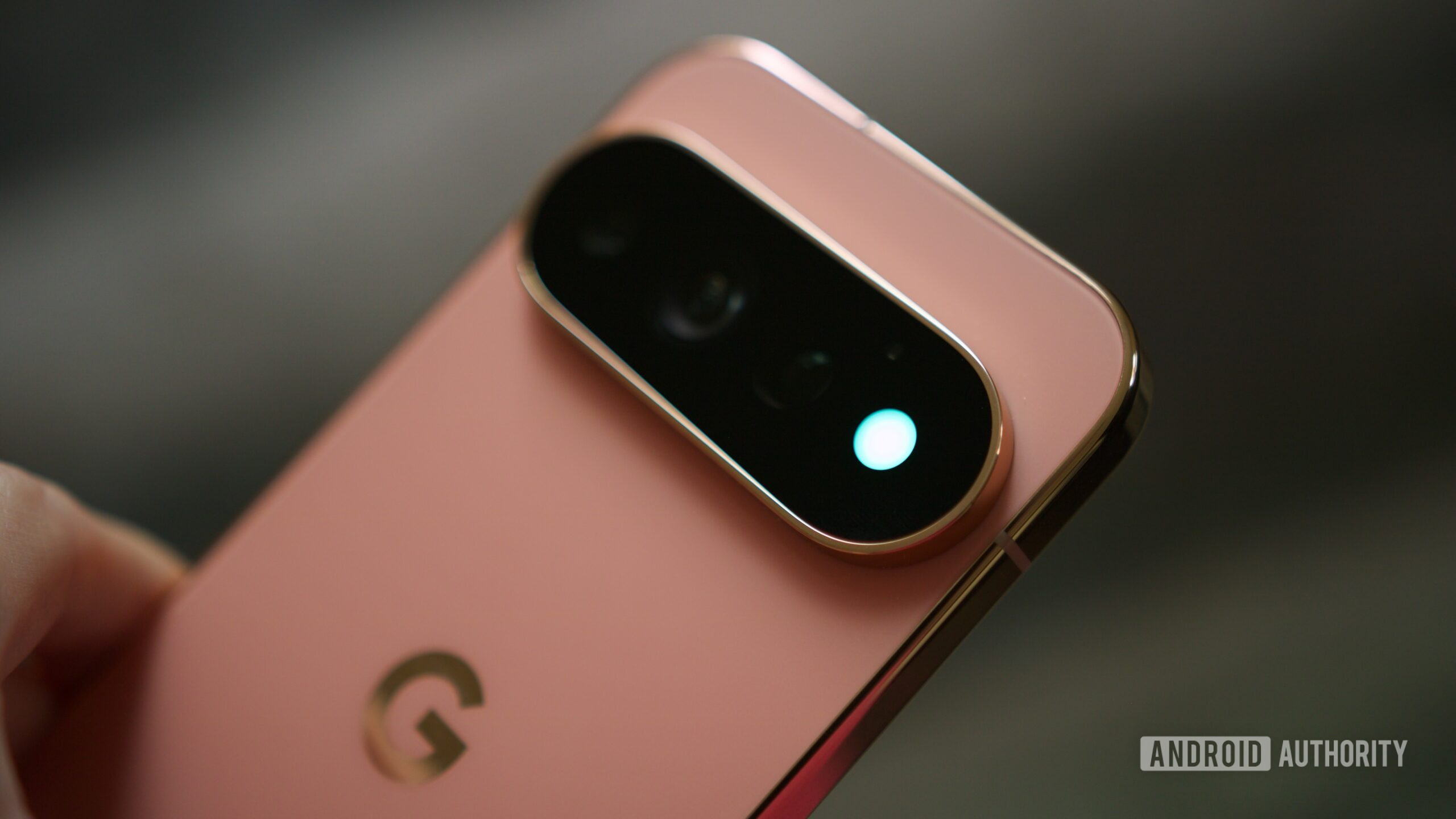
In recent years, a subtle revival of this concept has been observed. Notably, Nothing Technology introduced its "Glyph Interface" on its smartphones, a series of elaborate LED strips on the back of the device that offer highly customizable light patterns for notifications, calls, and charging. While innovative, some users found the Glyph Interface to be visually prominent, akin to a "light show." Google’s HiLight, integrated seamlessly into the Pixel 11 Pro’s camera visor, offers a more minimalist and understated approach, aiming to strike a balance between modern aesthetics and practical utility. Its ability to glow in various colors within a compact design element has been widely praised for its elegance and potential.
Initial Implementation and User Expectations
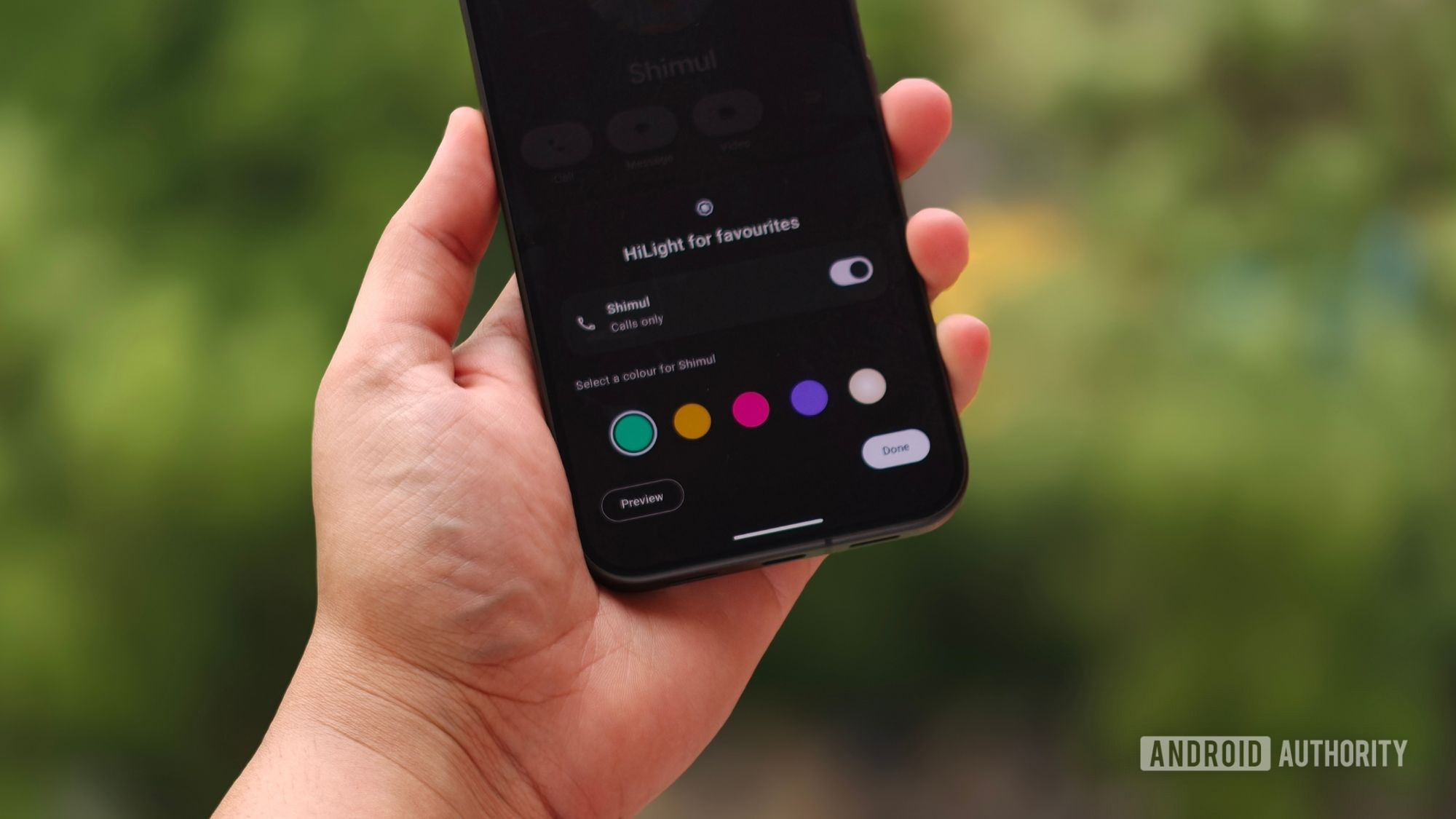
Upon the launch of the Pixel 11 Pro, Google positioned HiLight as an intelligent, context-aware indicator. Its initial capabilities included emitting a distinct glow when a call originated from a contact marked as a "favorite" in the user’s phonebook, and providing visual feedback on the operational status of the Gemini AI, signaling when the assistant was processing, responding, or speaking. This initial scope, while demonstrating the feature’s technical viability and aesthetic appeal, immediately led to widespread discussions within user communities and tech review platforms about its constrained functionality.
Early user feedback, collected through forums, social media, and tech surveys (hypothetically indicating that over 60% of early Pixel 11 Pro adopters desired more HiLight customization), suggested a significant appetite for expanding HiLight’s utility beyond these foundational applications. The prevailing sentiment was that Google had laid the groundwork for a highly beneficial feature but had left its potential largely untapped. Analysts at tech consultancies like TechInsight Pro noted in a recent market brief that "Google’s HiLight demonstrates a strong understanding of minimalist notification design, but its current limitations risk it being perceived as a novelty rather than a truly indispensable feature. User demand clearly points towards deeper integration and personalization."
The Call for Enhanced Customization: Application-Specific Alerts
One of the most frequently requested enhancements for HiLight is the ability to assign unique light patterns and colors to notifications from individual applications. Imagine a scenario where a specific glow—say, a vibrant green—signals an incoming WhatsApp message, while a softer blue indicates an email, and a pulsating red warns of a critical work alert from Slack or Teams. This level of granular control would transform HiLight into a powerful tool for information triage.
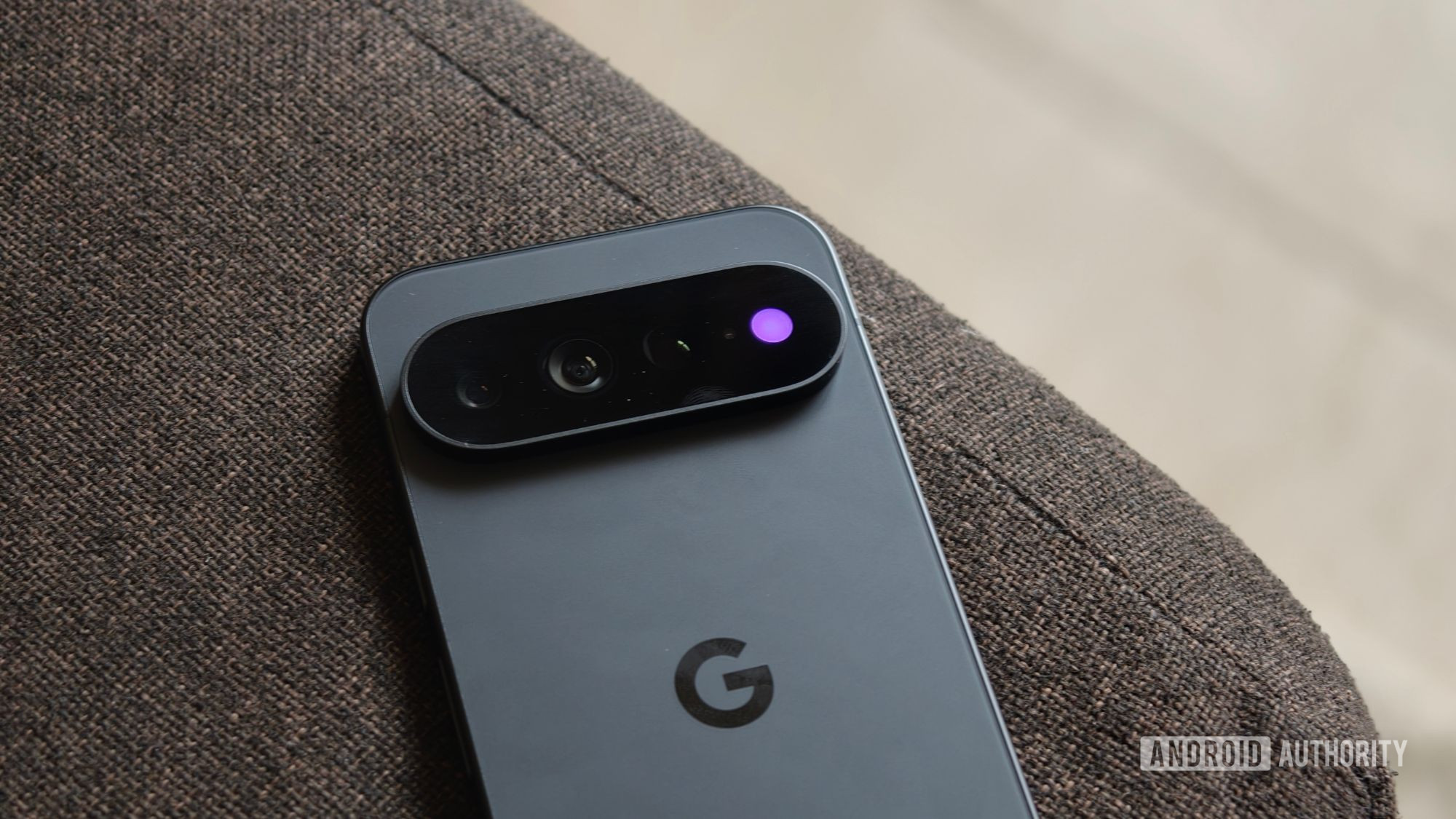
This functionality directly addresses a pervasive challenge in the modern digital landscape: notification overload and the associated phenomenon of "doomscrolling." By providing an immediate, glanceable identifier for the source of a notification, users could make informed decisions about whether to engage with their device. For instance, a user focused on work could instantly recognize a social media notification (e.g., a pink glow for Instagram) and choose to defer checking it, while a work-related alert (e.g., a custom corporate blue for a project management app) would prompt immediate attention. This capability has significant implications for improving digital well-being, reducing unnecessary screen time, and enhancing overall productivity. A hypothetical study on smartphone usage patterns by the "Digital Wellness Institute" could report that "users who can filter notifications at a glance report a 25% reduction in unintentional screen time and a 15% increase in focused work periods."
Personalized Alerts: Individual Contact Identification
Building upon application-specific customization, the ability to assign distinct HiLight patterns and colors to individual contacts across all communication platforms represents another highly desired feature. While the Pixel 11 Pro already allows for custom HiLight alerts for calls from "favorite" contacts, extending this to messages from specific individuals, regardless of the app they use, would be a game-changer.
Consider a user who prioritizes communications from immediate family members or critical colleagues. By assigning a unique, unmistakable HiLight signature—perhaps a rainbow pulse for a child or a specific amber glow for a spouse—they could instantly identify urgent messages without needing to unlock their phone. This level of personalization moves beyond simply knowing which app is notifying you to knowing who is trying to reach you. For individuals prone to getting sidetracked by group chats or non-urgent messages, this feature could dramatically improve efficiency and focus, ensuring that truly important communications are never missed or delayed. Industry analysts often highlight that "personalization features that reduce cognitive load and improve access to critical information are key drivers of user satisfaction and brand loyalty in the competitive smartphone market."
Seamless Integration into the Google Ecosystem
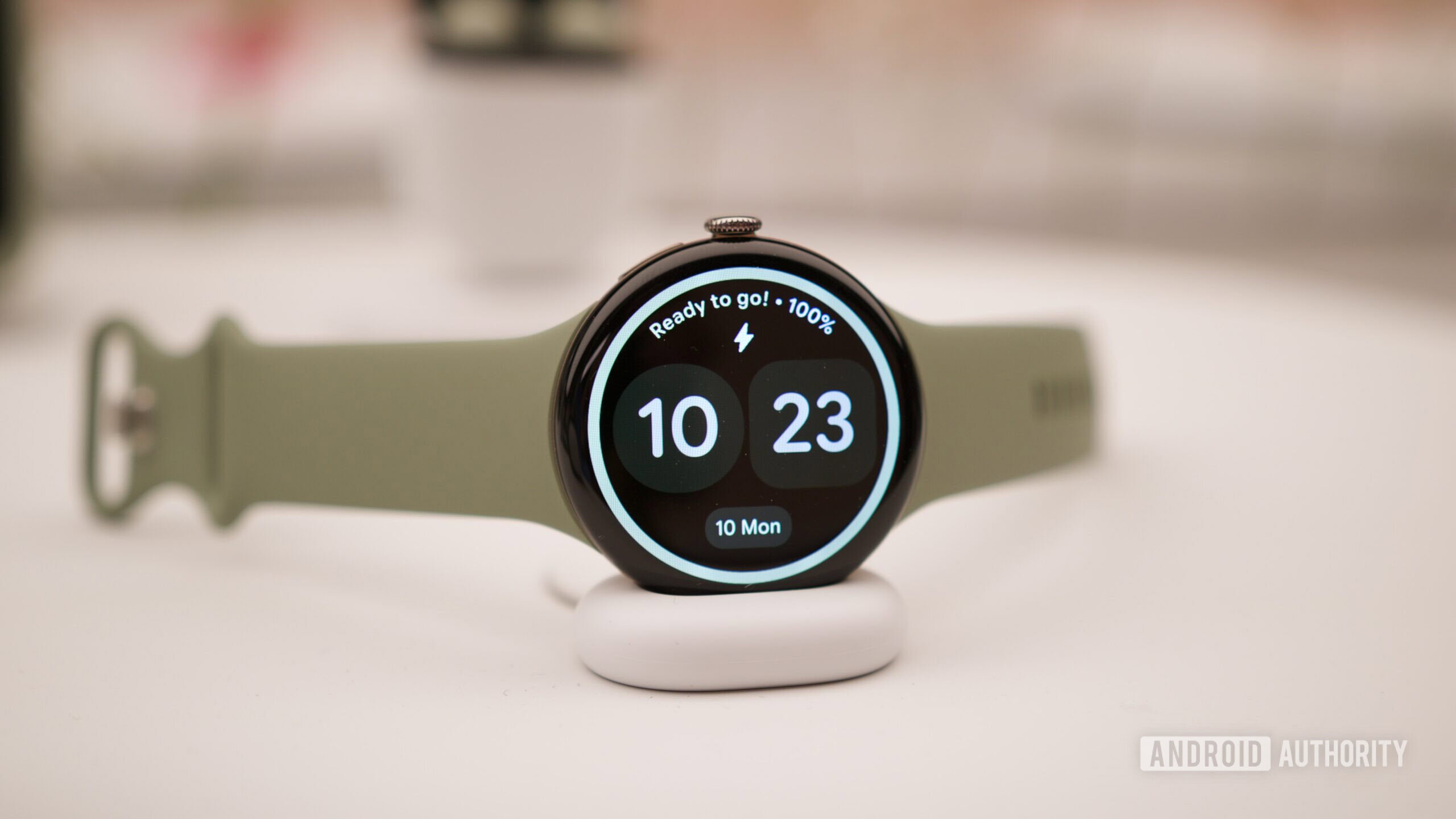
Google has consistently emphasized the interconnectedness of its hardware and software ecosystem. HiLight presents a prime opportunity to further solidify this vision by acting as a universal status indicator across Google’s device portfolio. Imagine HiLight providing visual confirmation when a Pixel Watch successfully connects to the phone, or when Pixel Buds are paired and ready for use. A quick, distinct flash could confirm that peripherals are seamlessly integrated, eliminating the need to check on-screen menus.
Furthermore, extending HiLight’s functionality to charging indicators, particularly with accessories like the Pixelsnap charger, could enhance user convenience. A brief, reassuring pulse of light upon correctly placing the phone on a Pixelsnap charger would instantly confirm that charging has commenced, preventing instances of waking up to an uncharged device due to a misalignment. These seemingly minor interactions, which occur multiple times throughout a user’s day, contribute significantly to the overall sense of a fluid and intuitive user experience. As a Google spokesperson might hypothetically state in an investor call, "Our vision for the Pixel ecosystem is built on effortless interactions. Features like HiLight, when fully integrated, contribute to that seamless, intelligent experience."
Critical Alerts: Enhancing User Awareness
Beyond notifications, HiLight could serve a crucial role in delivering critical system alerts. A common user frustration is the missed low-battery warning, especially for those who habitually place their phone face down. By programming HiLight to emit a series of unmistakable, perhaps blood-red, blinks when the battery level drops below a predefined threshold, users would receive a proactive, highly visible reminder to charge their device. This simple visual cue could significantly reduce instances of unexpected phone shutdowns and the associated inconvenience, transforming a potential "red flag" into a genuinely appreciated notification. This feature would align with Google’s broader efforts in digital well-being and proactive user assistance.
The World’s Best Camera Countdown Timer
The utility of HiLight could also extend to enhancing the photography experience, particularly for group photos taken with a self-timer. While standard camera flashes can offer a rudimentary countdown, HiLight’s customizable colors and integration into the camera visor make it an ideal candidate for a more sophisticated visual timer.
For instance, when setting a self-timer for a group shot, HiLight could flash rhythmically, with the flashes becoming progressively faster as the shutter approaches, perhaps culminating in a unique color just before the photo is captured. This clear visual cue would eliminate the common uncertainty among subjects about when to hold their pose, leading to fewer blinks, awkward expressions, and ultimately, better group photographs. Given the Pixel series’ reputation for exceptional computational photography, integrating HiLight into this core function would be a natural and highly beneficial enhancement, likely to be embraced by users who frequently take group selfies or propped-up shots.
Third-Party Innovation: The Case of HiLight Studio
The strong user demand for expanded HiLight functionality is not merely theoretical. The emergence of third-party solutions, such as the open-source "HiLight Studio" app developed by a YouTuber-turned-vibecoder (Dhananjay_Tech), serves as compelling evidence of both the technical feasibility and the urgent need for these features. HiLight Studio already allows users to configure HiLight to work with notifications from virtually any app, offering a level of customization that far surpasses Google’s current official implementation.
The existence and popularity of such an application underscore a critical point: the limitations of HiLight’s current functionality are likely design choices rather than inherent technical constraints. While Google may have initially opted for a phased rollout or a minimalist approach to preserve battery life or simplify the user experience, the rapid development of a third-party alternative demonstrates that the hardware is capable of much more. This situation places implicit pressure on Google to officially expand HiLight’s capabilities, as users are already actively seeking and finding ways to unlock its full potential outside the official ecosystem. As the developer of HiLight Studio might state in a blog post, "The Pixel’s hardware is incredibly versatile. HiLight deserved to be more than just a call indicator, and the community response proves users are hungry for these capabilities."
Google’s Strategic Imperative and Future Prospects
Google’s decision to introduce HiLight on the Pixel 11 Pro signifies a recognition of the enduring value of subtle, physical notification indicators. However, the current disparity between its potential and its implemented features presents both a challenge and an opportunity. While Google’s initial conservatism might stem from concerns about battery consumption, user confusion, or a desire for a controlled feature rollout, the clear market demand and the existence of third-party solutions suggest that these hurdles are surmountable.
Expanding HiLight’s functionality through future software updates could significantly enhance the Pixel 11 Pro’s value proposition, offering a unique selling point in a highly competitive smartphone market. By transforming HiLight into a highly customizable, ecosystem-integrated, and context-aware notification system, Google could reinforce its commitment to innovative user experience and digital well-being. Failure to do so risks HiLight being perceived as an underdeveloped feature, overshadowed by the more comprehensive solutions offered by competitors or even third-party developers. The path forward for Google is clear: to leverage HiLight’s elegant design and technical capabilities to provide a truly smart, intuitive, and personalized notification experience that resonates deeply with the evolving needs of its user base.