Horror Franchises Poised for a Digital Renaissance: A Deep Dive into Untapped Video Game Potential

The landscape of interactive entertainment is constantly evolving, with video game adaptations of established media franchises becoming an increasingly prevalent and often lucrative avenue for developers and publishers. While blockbuster franchises like The Walking Dead and Resident Evil have enjoyed numerous successful video game iterations, a wealth of iconic horror films and series remain surprisingly absent from the digital realm. This analysis delves into select horror properties that possess immense untapped potential for compelling video game experiences, exploring the genres they could inhabit, the unique mechanics they could employ, and the broader implications for both the horror and gaming industries. This exploration is not an exhaustive list but rather a focused examination of franchises that, due to their narrative depth, thematic resonance, and inherent tension, are prime candidates for digital adaptation.
The Criteria for Consideration: Untapped Territories in Horror Gaming
To rigorously assess which horror franchises warrant a dedicated video game, a clear set of criteria has been established. Foremost, the franchise or film in question must not currently possess an official video game adaptation. This eliminates established players like Evil Dead, which has seen multiple video game entries, and The Thing, which has also been translated into interactive experiences. Similarly, franchises with legacy titles, even if dated, are excluded. For instance, while A Nightmare on Elm Street has a history of video games, dating back to its 1989 NES release, its existence in the interactive space disqualifies it from this specific examination. However, it is important to acknowledge that franchises like Wes Craven’s A Nightmare on Elm Street would undoubtedly rank highly on a broader list of horror properties deserving of a modern revival in gaming. The focus here is on identifying entirely new frontiers for horror in the video game medium.
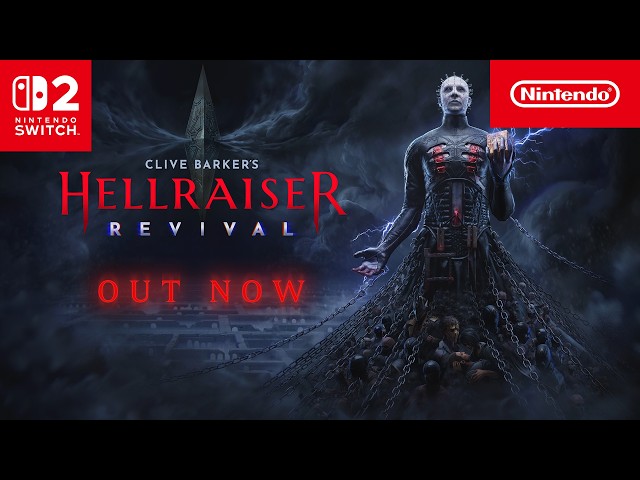
A notable recent development that underscores the potential for well-executed horror game adaptations is the Hellraiser franchise. Prior to the release of Hellraiser: Revival, the property was a strong contender for this discussion. However, the recent Hellraiser game has, by many accounts, delivered a visceral and thematically resonant experience that exemplifies what happens when a horror franchise is given a dedicated and ambitious video game adaptation. Reviews of Hellraiser Revival highlight its unapologetic exploration of pain and pleasure, aligning closely with the core tenets of Clive Barker’s original vision. This success serves as a powerful precedent, demonstrating that complex and mature themes within horror can be translated effectively into engaging gameplay.
Scream: A Multifaceted Adaptation for the Interactive Age
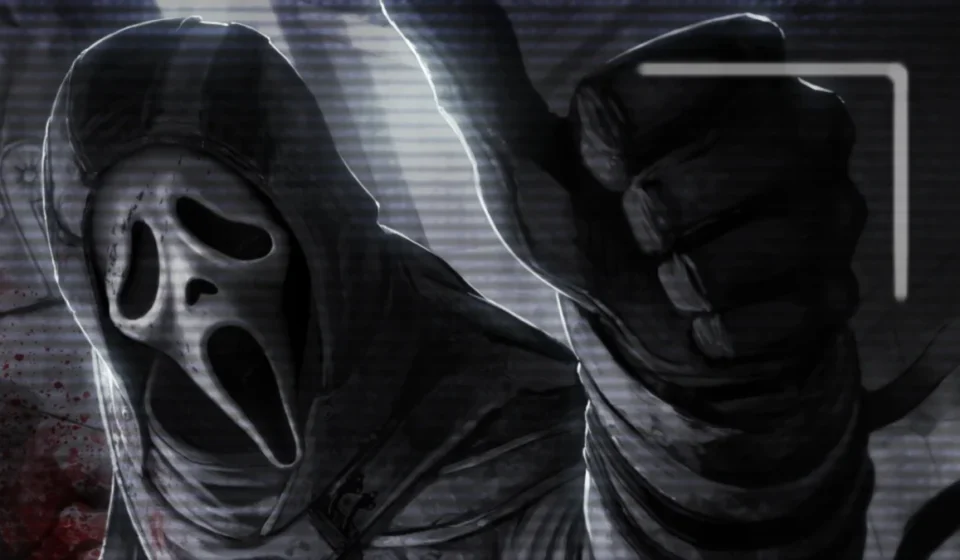
Among the pantheon of horror franchises, Scream emerges as a particularly compelling candidate for a video game adaptation, boasting a versatility that allows for exploration across multiple genres. The franchise’s inherent meta-commentary on horror tropes and its emphasis on whodunit mysteries provide a fertile ground for interactive storytelling.
One potential avenue for a Scream video game could mirror the trajectory of Hellraiser, which saw its iconic villain, Pinhead, make a significant debut in the popular asymmetrical multiplayer game Dead by Daylight. This approach would allow for a gradual introduction of Ghostface into the gaming sphere, building anticipation for a standalone title.
The Scream franchise could lend itself to a traditional murder mystery game, where players would assume the role of investigators piecing together clues to unmask the latest Ghostface killer. Such a game could leverage the franchise’s signature twists and turns, forcing players to question every character and scrutinize every piece of evidence.
Alternatively, an action-oriented approach, casting players as a character like Sidney Prescott, could offer a more direct confrontation with the killers. This would involve survival mechanics, strategic combat, and the adrenaline-pumping pursuit that has become a hallmark of the film series.
However, the most intriguing and potentially groundbreaking adaptation for Scream lies in its fusion with the social simulation and role-playing elements characteristic of the Persona series. Imagine a game where players must navigate the dual lives of high school students in Woodsboro. By day, they would attend classes, forge relationships with classmates and friends, and manage their social lives. This segment of gameplay would mirror the life-simulation aspects of Persona, focusing on character development and building bonds.
The twist, of course, is the ever-present threat of Ghostface. At any moment, players could receive an ominous phone call, initiating a tense sequence where they must make split-second decisions to survive. The gameplay would demand constant vigilance, as the killer could strike unexpectedly, turning mundane school activities into life-or-death scenarios. Uncovering clues about Ghostface’s identity would become paramount, integrating the murder mystery element seamlessly into the social simulation framework. The choices made in dialogue, relationship building, and even the navigation of daily life could have profound consequences on survival and the unfolding narrative. This hybrid approach would not only capture the suspense and terror of Scream but also its exploration of the pressures and anxieties of adolescence, all under the shadow of a relentless killer.
The potential for such a game is immense, offering a unique blend of social simulation, narrative choice, and survival horror. It would challenge players to balance their everyday lives with the constant threat, making every interaction and decision a critical component of their survival.

The Descent: A Descent into Primal Fear and Resource Management
Moving from the urban slasher to the subterranean terror, The Descent presents a compelling case for a survival horror video game experience rooted in claustrophobia and primal fear. The film’s visceral portrayal of a spelunking expedition gone horrifically wrong, pitting a group of women against a subterranean humanoid species, offers a rich foundation for interactive horror.
The core gameplay loop could revolve around exploration and survival within a vast, unlit cave system. Players would embody one of the trapped explorers, tasked with navigating treacherous terrain, scavenging for resources, and evading the terrifying Crawlers. The inherent darkness of the caves provides a natural element of tension, amplified by limited visibility.
A crucial gameplay mechanic would be the management of light sources. Torches, flares, and other portable illumination would have finite battery lives or fuel, forcing players to make difficult decisions about when and where to use them. Running out of light in the pitch-black depths would not only increase the psychological dread but also make players exceptionally vulnerable to attack. This resource management element would be central to the survival aspect, pushing players to constantly assess risks and plan their movements.
The environment itself would be a character in the game. Players would need to contend with collapsing passages, narrow crevices, and other natural hazards that could impede their progress or lead to fatal accidents. The discovery of the remains of previous unfortunate spelunkers could serve as environmental storytelling, offering cryptic clues about the dangers lurking within the caves and the fate of those who came before.
Combat would likely be a desperate, last-resort affair, emphasizing evasion and strategic use of the environment over direct confrontation. The Crawlers, with their speed, agility, and predatory instincts, would pose a significant threat, requiring players to utilize stealth, traps, and the limited weaponry available to them. The psychological toll of being hunted in such an isolated and terrifying environment would be a key component of the game’s horror. The game could also explore the fractured relationships and escalating paranoia among the survivors, mirroring the tensions that arise in the film.
The Descent offers an opportunity to craft a deeply atmospheric and terrifying survival horror experience that prioritizes dread, resourcefulness, and the crushing weight of isolation. Its focus on environmental horror and the exploitation of primal fears makes it a prime candidate for a game that lingers long after the credits roll.
Happy Death Day: A Groundhog Day of Horror and Deduction
The Happy Death Day film series, with its unique blend of slasher tropes and time-loop mechanics, presents a darkly humorous and engaging premise for a video game adaptation. The franchise’s protagonist, Tree Gelbman, finds herself reliving the same day repeatedly, culminating in her murder. To break the cycle, she must identify and stop her killer.
This time-loop structure is inherently suited to a video game format, offering a compelling framework for puzzle-solving and deductive reasoning. Players would embody Tree, navigating the day and gathering clues with each iteration. The learning process would be central to the gameplay; players would retain knowledge from previous loops, allowing them to make more informed decisions, explore new areas, and interact with characters in different ways.
The game could adopt a narrative-driven adventure or a puzzle-mystery genre. Players would need to engage in social interactions, observing the behavior of their friends and acquaintances, all of whom are potential suspects. The "friends and enemies" aspect of the film is crucial, as the killer is often someone close to Tree. Building relationships and uncovering secrets would be as vital as avoiding physical danger.
Each death would serve as a reset, but also as an opportunity to gain new information. Players could experiment with different dialogue options, explore different locations, and test various hypotheses about the killer’s identity and motives. The humor of the franchise, stemming from Tree’s often absurd deaths and her increasingly jaded but determined approach, could be translated into witty dialogue and darkly comedic gameplay scenarios.
The challenge would be to balance the repetitive nature of the time loop with a sense of progression and discovery. Developers would need to ensure that each loop feels meaningful, offering new insights or opportunities to advance the investigation. The ultimate goal would be to piece together the puzzle, confront the killer, and finally escape the deadly cycle.
The Happy Death Day franchise offers a unique opportunity to create a game that is both thrilling and intellectually stimulating, blending the scares of a slasher with the engaging deduction of a mystery, all within a novel and entertaining gameplay loop.
Final Destination: A Game of Unavoidable Fate and Dark Humor
The Final Destination franchise, renowned for its elaborate and often darkly humorous death sequences, presents a fascinating, albeit challenging, concept for a video game. The core premise revolves around premonitions of death, followed by a series of Rube Goldberg-esque accidents that claim the lives of those who escaped their initial fate.
A Final Destination video game would need to embrace its inherent fatalism. Unlike most games where the player’s objective is to survive, the ultimate outcome in a Final Destination game would likely be inevitable death. The true gameplay would lie in the journey, the choices made in the face of impending doom, and the often-hilarious and horrific ways in which Death enacts its plan.
The game could be structured as a narrative-driven experience with branching choices, similar to games like Until Dawn, but with a fundamental difference: player choices would influence the specific, often gruesome, manner of their demise rather than their ultimate survival. For example, a player might choose to run into a building to escape one threat, only to trigger a sequence of events that leads to them being crushed by falling debris.
The cast of characters would be diverse, each with their own set of premonitions and potential fatalistic pathways. The game could present scenarios where players must try to save others, only to inadvertently put them in greater peril. The dark humor of the franchise would be crucial, allowing players to experience the sheer absurdity and spectacle of each elaborate death.
The implications of such a game are multifaceted. Some players might find the concept of an unwinnable game frustrating, as evidenced by reactions to certain endings in games like Outlast. However, others would likely appreciate the unique narrative challenge and the darkly comedic exploration of mortality. The success of such a title would hinge on its ability to deliver a compelling story, engaging characters, and creatively orchestrated death sequences that are both shocking and darkly amusing.
The Final Destination franchise offers a bold proposition for interactive horror, one that eschews traditional notions of victory in favor of a darkly comedic and terrifying exploration of fate.
Broader Implications for the Gaming Industry
The exploration of these untapped horror franchises for video game adaptation carries significant implications for the broader gaming industry. Firstly, it highlights a continued demand for diverse and engaging content within the horror genre. As players become increasingly sophisticated, there is a growing appetite for experiences that go beyond jump scares and explore deeper psychological themes, complex narratives, and unique gameplay mechanics.
Secondly, successful adaptations of these franchises could open new markets and attract existing fan bases from cinema and television. The established recognition of these properties can provide a significant marketing advantage, drawing in audiences who may not be traditional gamers. This cross-media appeal can contribute to the growth and diversification of the gaming audience.
Furthermore, the potential for innovative gameplay mechanics, such as the social simulation integration for Scream or the resource management within a claustrophobic environment for The Descent, pushes the boundaries of interactive storytelling. Developers are constantly seeking fresh ways to engage players, and these horror franchises offer fertile ground for creative experimentation.
Finally, the consideration of franchises like Hellraiser and its successful adaptation serves as a vital case study. It demonstrates that mature and thematically rich horror can be translated into compelling and commercially viable video games, encouraging further investment in ambitious and creatively driven horror projects. The industry’s willingness to embrace these darker, more complex narratives will ultimately lead to a richer and more varied gaming landscape for all.