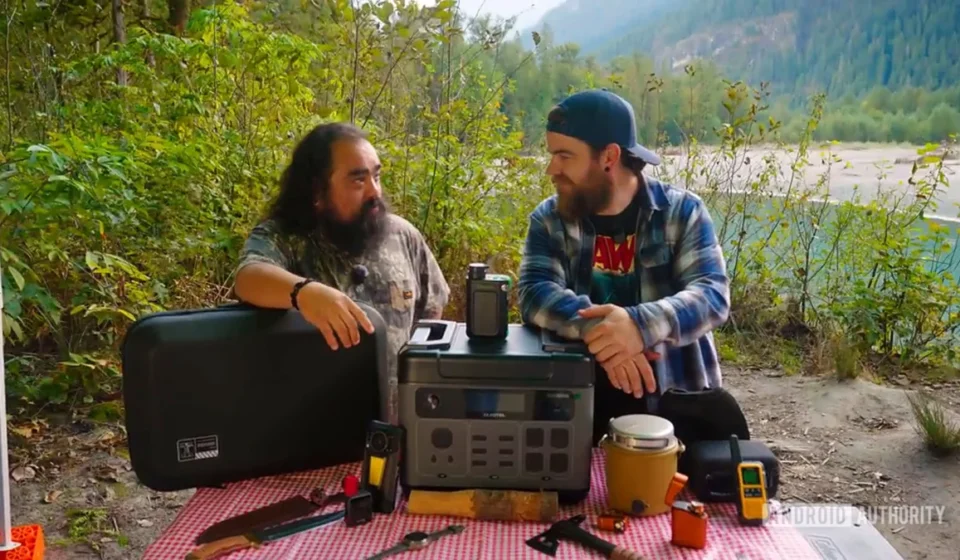
An Unprecedented Expedition: Redefining Wilderness with Cutting-Edge Outdoor Technology.

In an era where disconnecting from the digital world is often championed as the essence of wilderness retreats, a recent expedition into the mountains took a decidedly opposite approach, embracing a comprehensive array of advanced outdoor technology. The objective was clear: to rigorously test which gadgets genuinely earn their place in a modern camping kit, transforming the traditional experience from basic survival to an augmented adventure. This exploration showcased gear designed to maintain power, ensure connectivity, simplify sustenance, guarantee hydration, and even enhance physical capability on challenging trails, revealing a spectrum of utility from indispensable to delightfully extravagant. The journey provided a compelling look at how technology is not merely intruding on nature, but actively reshaping our interaction with it, offering new levels of safety, comfort, and accessibility.
Powering the Expedition: The Foundation of Digital Wilderness
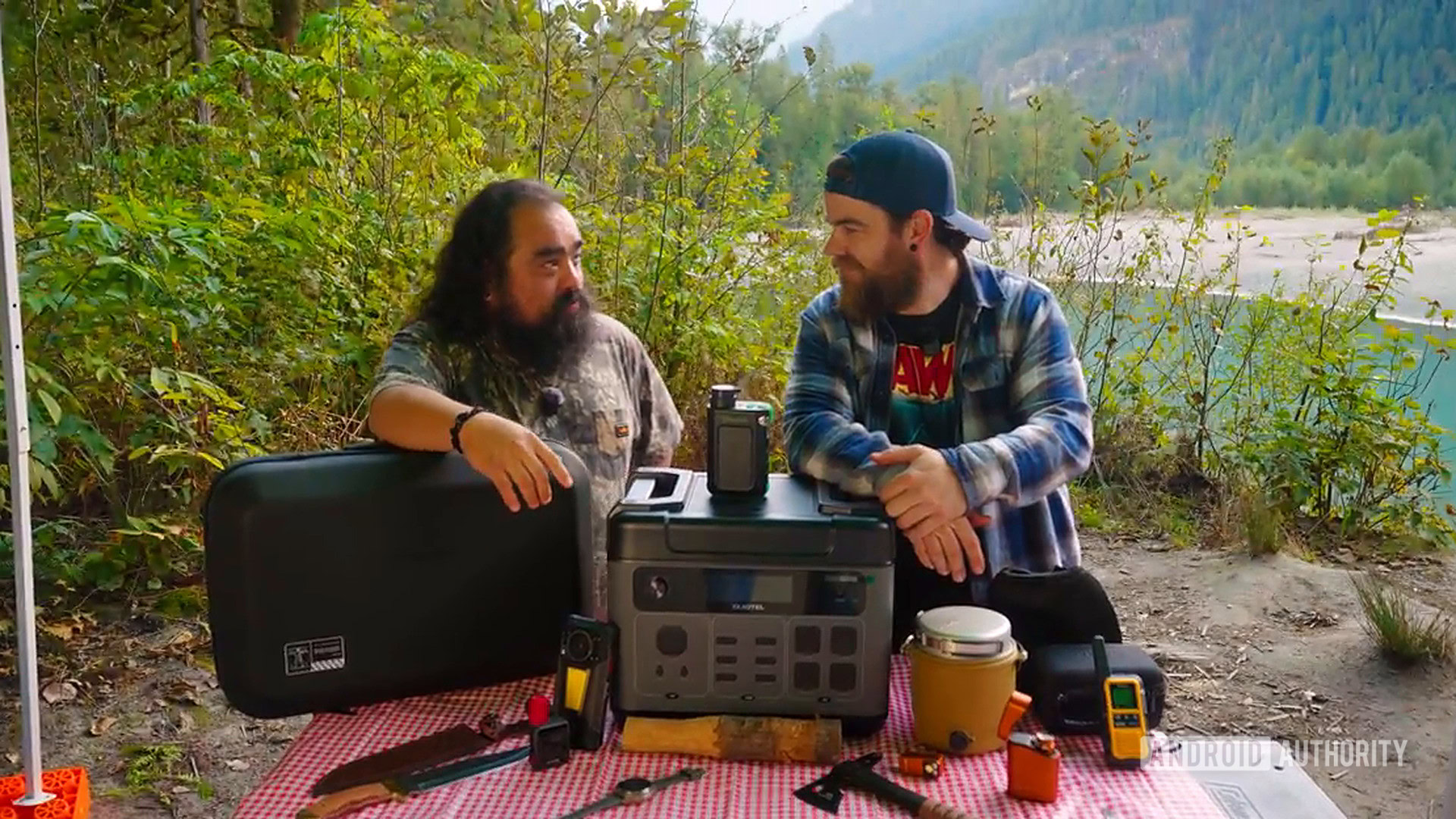
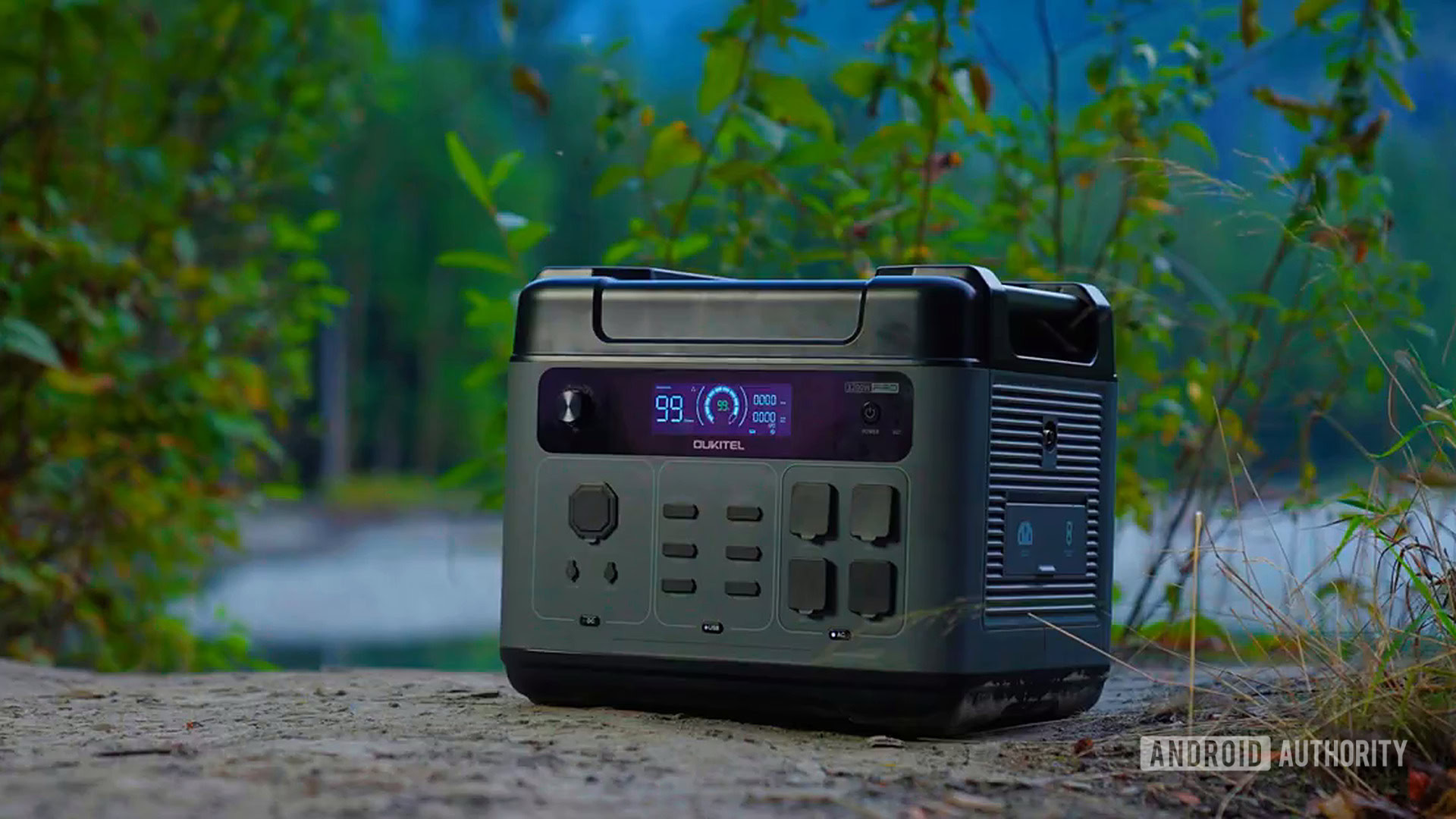
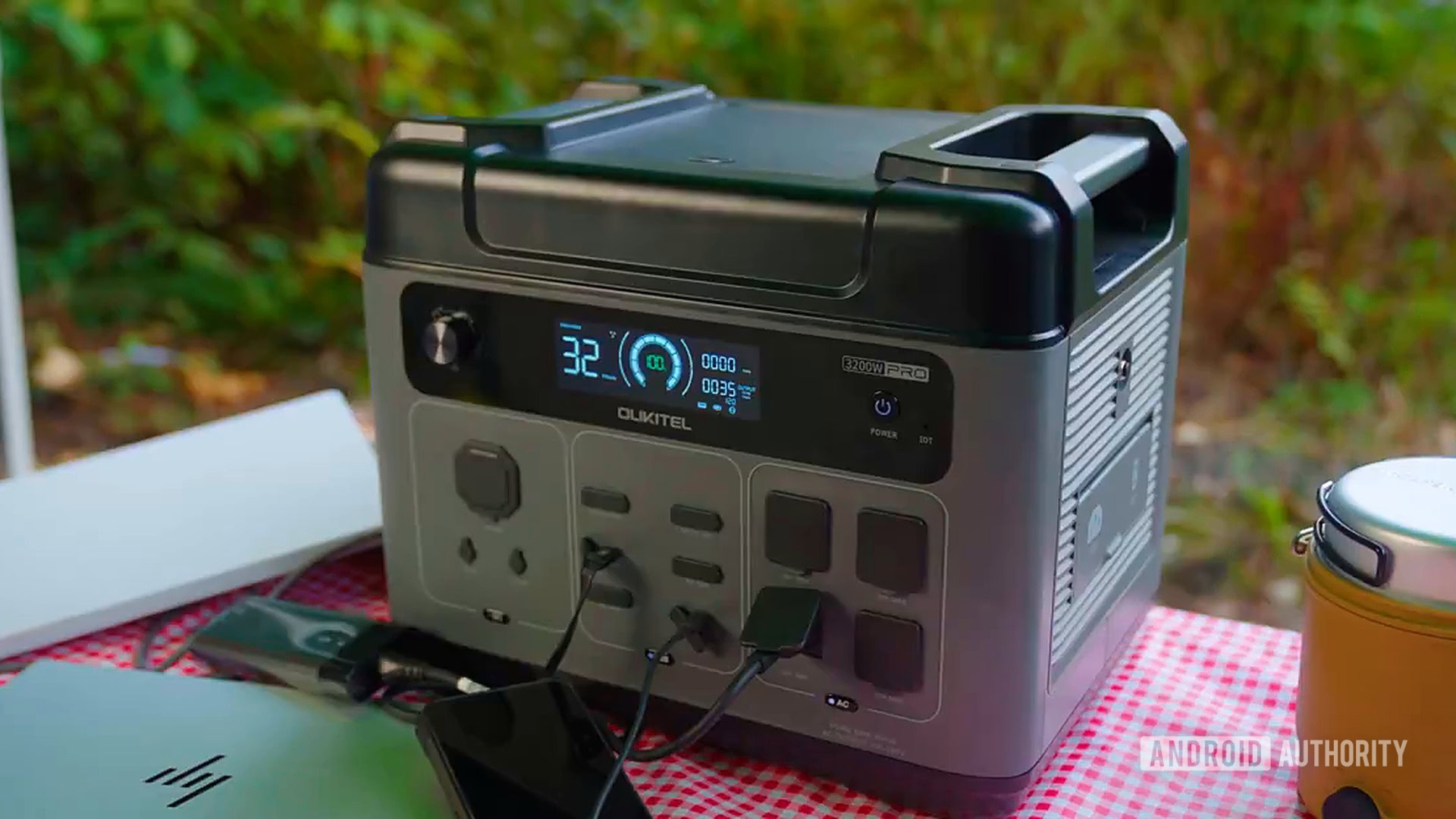
The success of any tech-laden outdoor adventure hinges on a reliable power source. Far from any conventional electrical grid, the Oukitel P2001 Pro portable power station emerged as the undisputed energy hub, orchestrating the entire campsite’s electrical needs. This robust unit, boasting a formidable 3,200W continuous output and an impressive 6,400W surge capacity, effortlessly powered an array of appliances that would typically be unthinkable in a remote setting. From kettles and coffee makers to microwaves and even portable air conditioners, devices generally demanding between 1,000 to 1,500W operated seamlessly, highlighting the unit’s substantial overhead.
At its core, the P2001 Pro houses a 2,048Wh LiFePO4 battery, a choice indicative of its design for durability and longevity. Lithium Iron Phosphate (LiFePO4) batteries are celebrated in the portable power industry for their superior safety, extended cycle life (often 4,000+ cycles to 80% capacity, significantly outperforming conventional lithium-ion), and thermal stability, making them ideal for demanding outdoor environments. For instance, the expedition’s 500W electric cooker, one of the most power-hungry gadgets, could run for approximately three hours on the P2001 Pro, depending on other concurrent loads and efficiency. Beyond its high-wattage AC outlets, the station offered a versatile suite of charging options, including two 18W USB-A ports, four USB-C ports (one with 100W Power Delivery for rapid charging laptops and larger devices), a 120W car socket, and two DC outputs, ensuring compatibility with virtually every portable electronic device.
Recharging the P2001 Pro was equally flexible, adapting to the wilderness environment. It supports up to 1,000W of solar input, allowing for sustainable power generation directly from the sun, a critical feature for extended off-grid stays. Additionally, it could be replenished from a vehicle’s 12V outlet while on the move or rapidly charged from a standard wall outlet at up to 1,800W. Its utility extends beyond camping, serving as a reliable home backup system with an uninterruptible power supply (UPS) feature that switches over in less than 10 milliseconds during a power outage. While its "portable" designation is relative given its substantial 47-pound weight, its comprehensive capabilities position it as a foundational piece of equipment for modern outdoor living, enabling a level of convenience and self-sufficiency previously unattainable in remote locales.
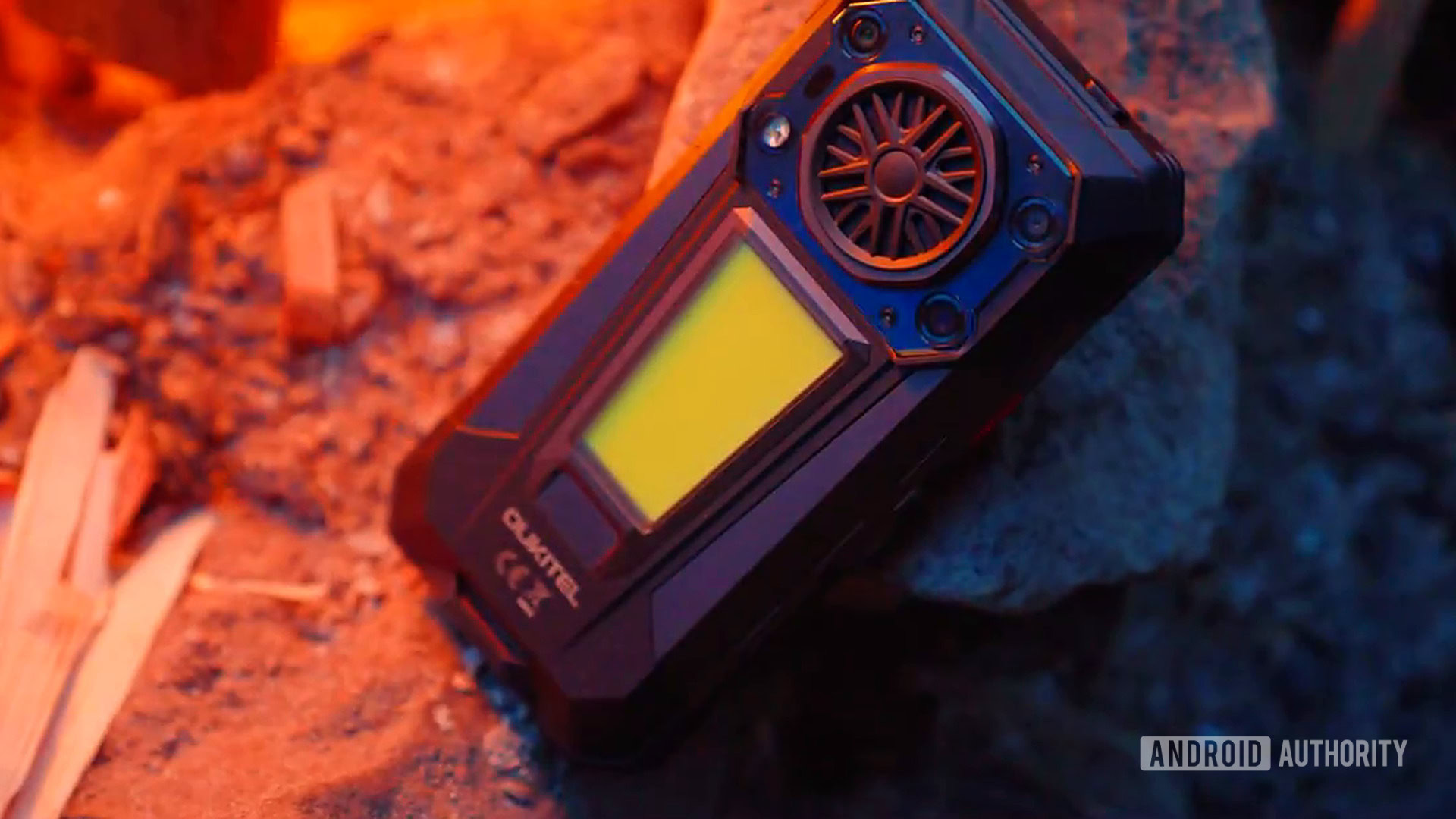
Complementing the primary power station was the Oukitel WP63, a rugged smartphone that redefined the concept of a multi-tool. This device, touted as the world’s first rugged phone with a built-in electric igniter, proved invaluable when traditional lighters were forgotten or rendered useless by the elements. A discreet cover at the top conceals a heating coil that, with a single tap, ignites tinder, simplifying campfire starting. For safety, the igniter incorporates an automatic 10-second cooldown between uses, preventing accidental activation or overheating. This innovative feature addresses a common wilderness challenge, underscoring a trend towards integrating emergency tools directly into essential devices.
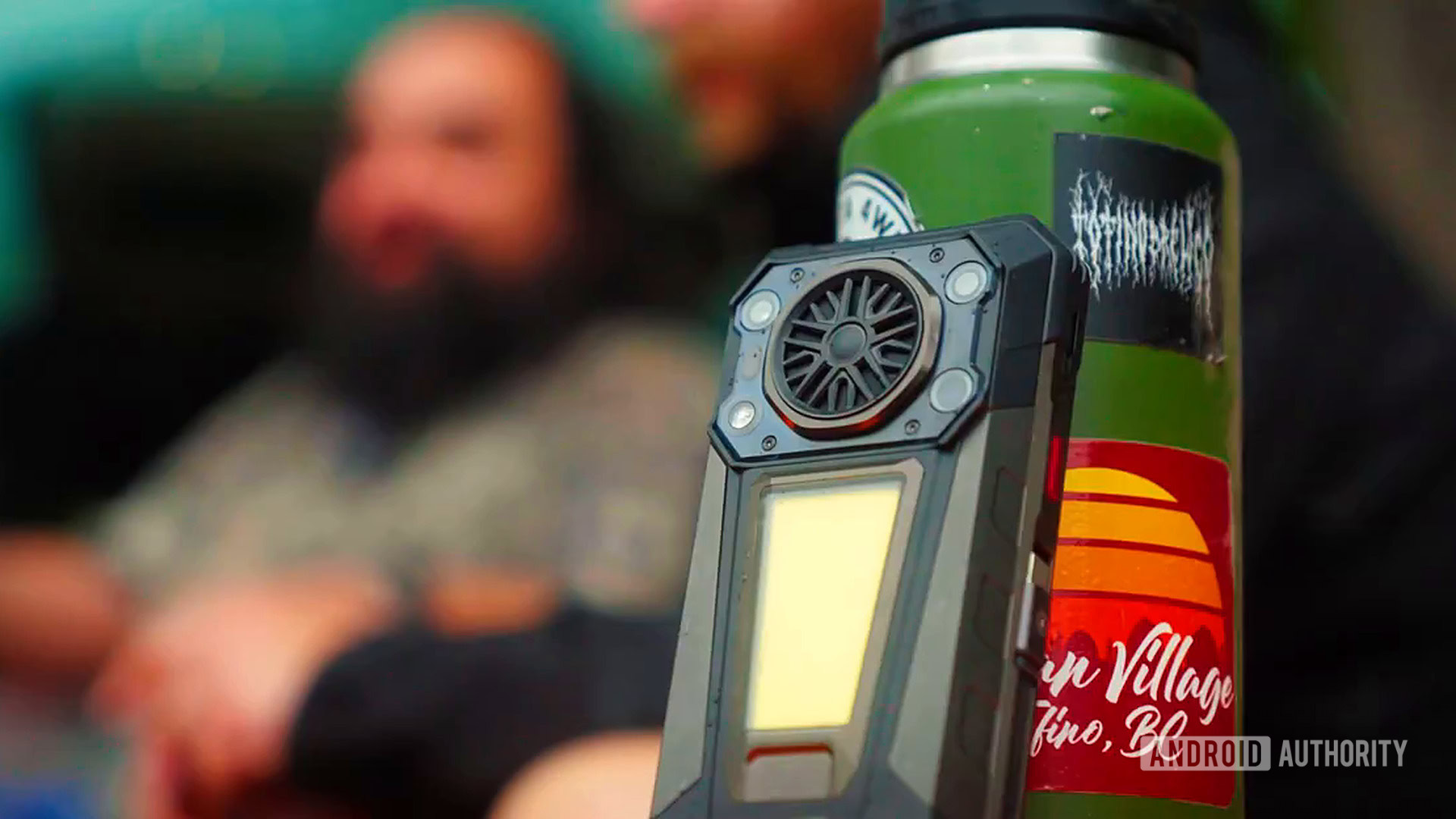
Beyond its headline fire-starting capability, the WP63 is an endurance powerhouse. It packs a colossal 20,000mAh battery, offering days of uninterrupted operation even under heavy use, far exceeding the capacity of most consumer smartphones. This massive battery also facilitates 18W reverse charging, effectively transforming the phone into a portable power bank. A thoughtful design inclusion is a built-in USB-C charging cable, eliminating the perennial problem of forgotten or tangled wires—a feature that proved particularly useful for recharging other dying devices at camp. The phone also boasts a large LED camping light on its rear, an 8MP night vision camera for nocturnal observations, and a 3W rear-facing loudspeaker for campsite entertainment. These features contribute to its robust, "brick-like" build, weighing 629g and measuring 27mm thick. Despite its formidable exterior, it functions as a fully capable Android smartphone with a 6.67-inch 120Hz display, demonstrating how dedicated outdoor devices are increasingly integrating advanced mobile functionalities. Industry analysts suggest that the convergence of survival tools with smart device capabilities reflects a growing consumer demand for versatile, durable electronics that minimize clutter and maximize utility in challenging environments.
Navigating and Surviving: Enhancing Safety and Exploration
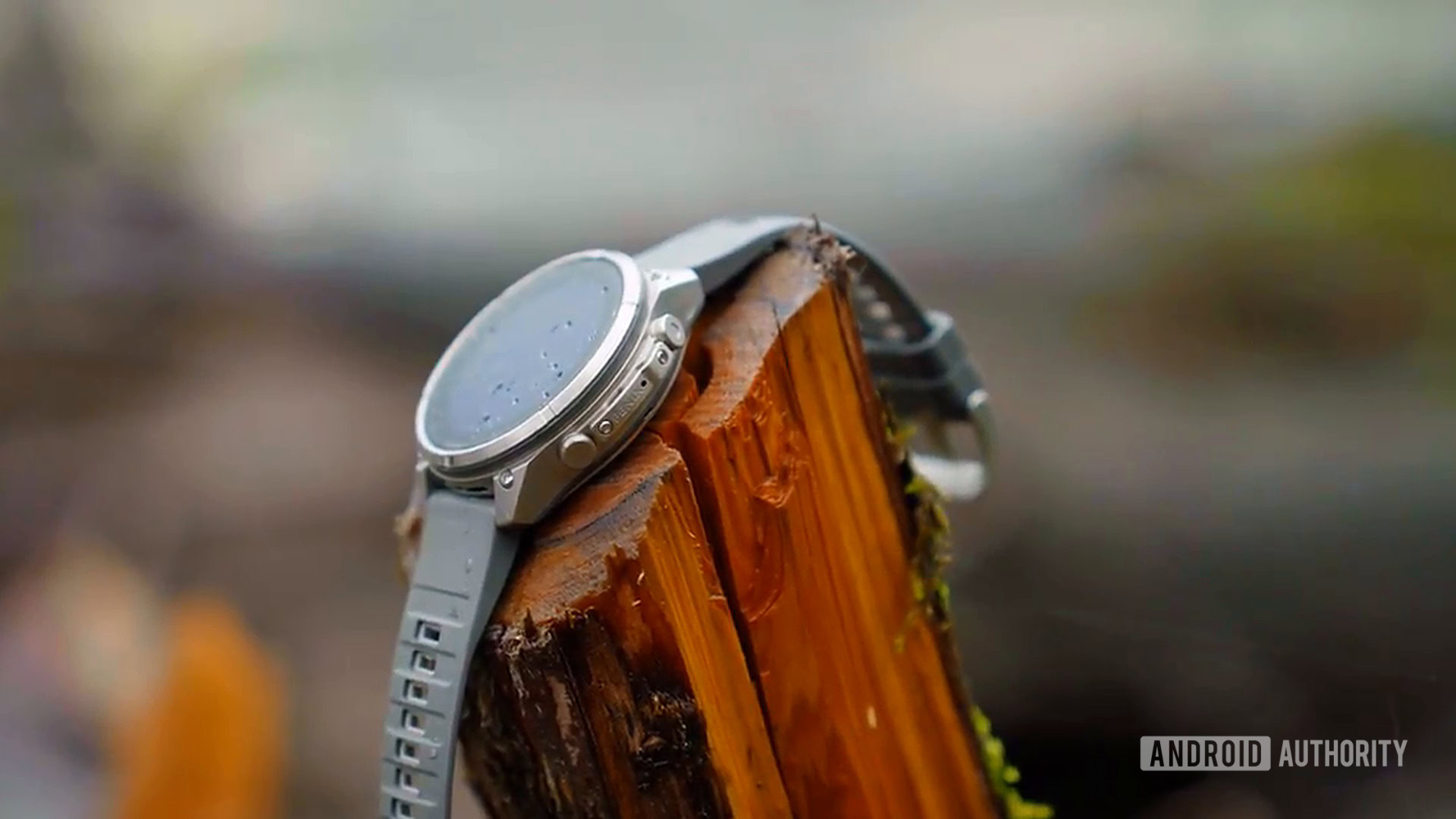
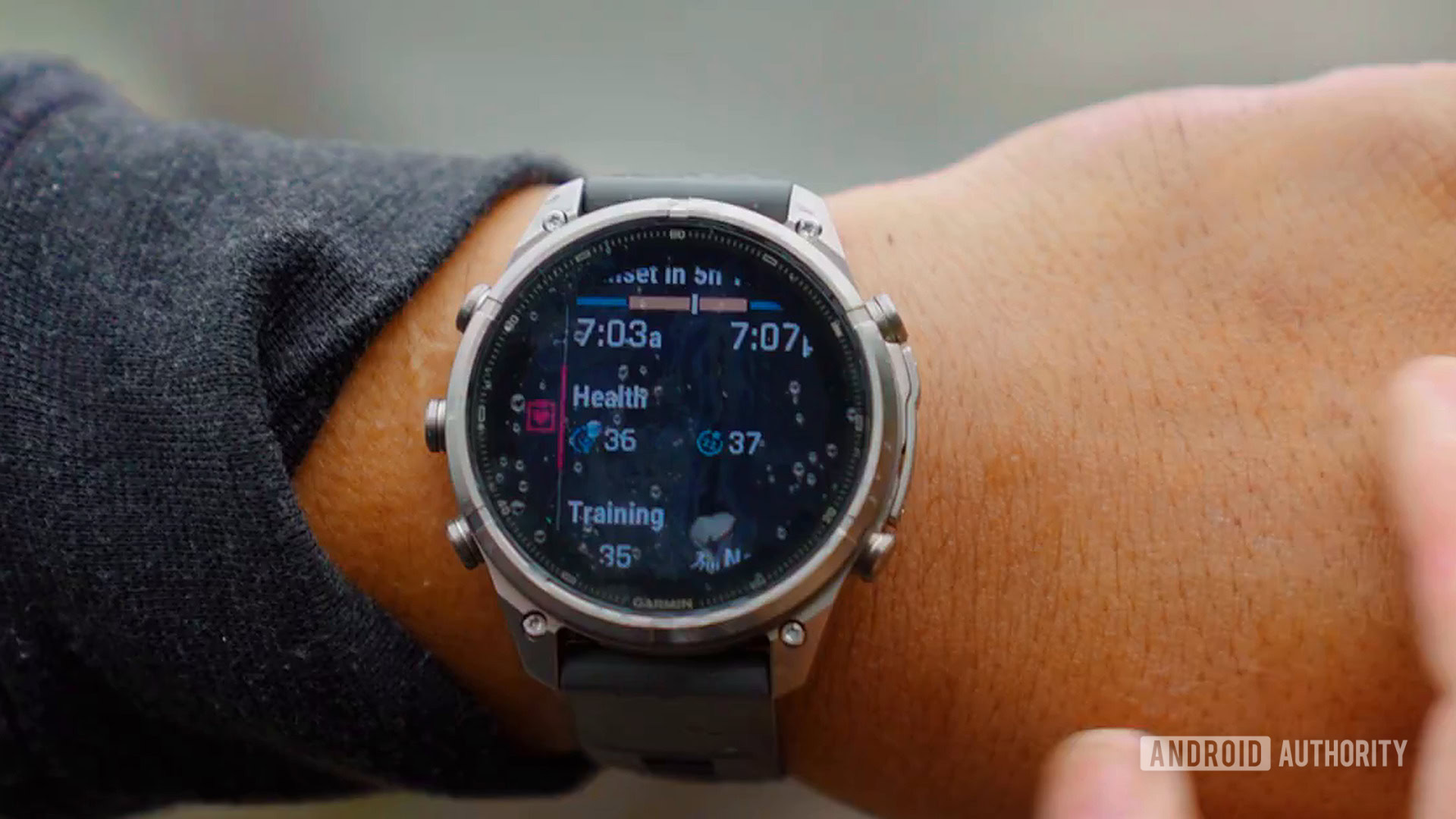
Safety and self-sufficiency are paramount in the wilderness, and advancements in personal navigation and hydration technology are transforming how adventurers approach remote exploration. The Garmin Fenix 9 Pro smartwatch, specifically the 47mm Solar model equipped with inReach satellite connectivity, served as an indispensable companion on unfamiliar trails. While its size and thickness are notable, the Fenix 9 Pro offers a comprehensive suite of features far exceeding typical smartwatches.
Garmin’s inReach technology provides critical satellite connectivity, enabling communication even in areas completely devoid of cellular service. This means access to on-wrist maps, robust navigation capabilities for rugged terrain, precise hike tracking, and the invaluable "TracBack" feature to guide users safely back to their starting point. In an emergency, holding the dedicated SOS button sends a distress signal with exact GPS coordinates to Garmin’s 24/7 International Emergency Response Coordination Center (IERCC), which then orchestrates rescue efforts. Furthermore, users can exchange text messages with contacts back home via Garmin Messenger and share their live location, offering peace of mind to loved ones regardless of cellular signal availability. It’s important to note that these inReach features require a separate Garmin subscription plan, underscoring the ongoing operational costs associated with satellite communication services.
Beyond its emergency capabilities, the Fenix 9 Pro handles standard smartwatch functionalities with aplomb: notifications, Garmin Pay for contactless transactions, a built-in compass, a barometric altimeter for precise elevation data, and Garmin’s extensive suite of health tracking metrics, including heart rate, sleep, and activity monitoring. Its construction is equally robust, featuring a titanium case, a 10 ATM water rating, and certification for dives down to 40 meters, making it suitable for a wide range of outdoor activities. Battery life is impressive, rated at up to 21 days in smartwatch mode, extending to 34 days with efficient solar charging. The larger 51mm Solar model pushes this endurance even further, promising up to 57 days of operation. For those primarily seeking emergency communication without the full smartwatch feature set, the Garmin inReach Mini 3 Plus offers a more compact and cost-effective handheld satellite communicator, providing SOS, messaging, and basic mapping functionalities. The integration of such sophisticated safety tools into a wearable device represents a significant leap in outdoor safety, reducing risks for solo adventurers and improving response times in critical situations.
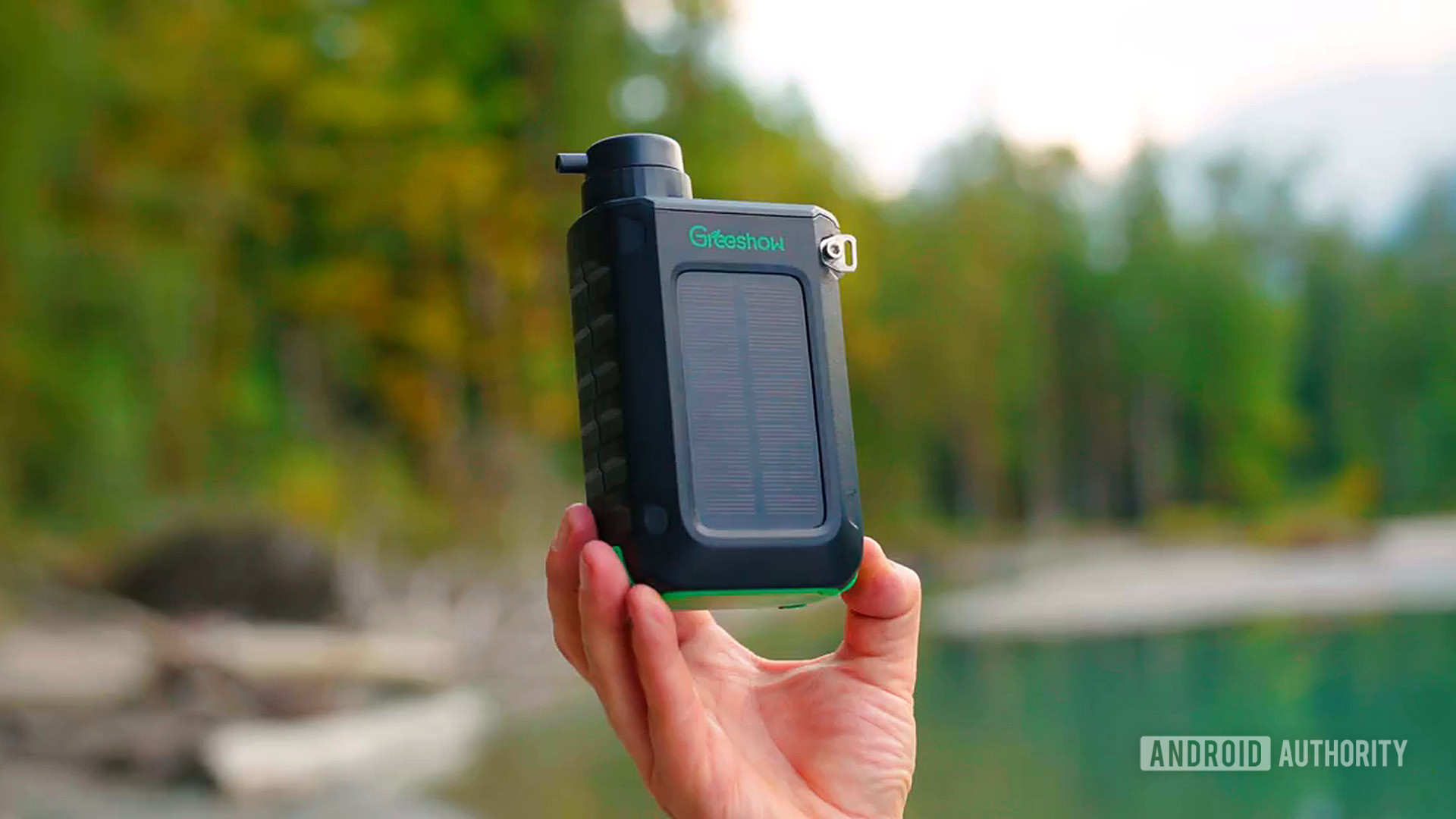
Ensuring safe drinking water is another critical survival aspect, especially when venturing near natural water sources. The expedition’s glacial stream, while visually pristine, posed potential health risks without proper purification. Here, the Greeshow portable electric water filter proved its worth, automating a crucial task that often requires tedious manual effort. Operation is remarkably simple: the intake hose, fitted with a pre-filter, is submerged in the water source, the outlet hose is placed into a bottle, and a press of a button initiates the filtration process. This eliminates the need for hand pumping, squeezing, or gravity-dependent systems, providing a convenient and efficient solution for on-demand potable water.
The Greeshow filter employs a sophisticated five-stage filtration system, centered around a 0.01-micron hollow-fiber membrane. This ultra-fine membrane is highly effective at removing bacteria, protozoa, and microplastics, which are common contaminants in natural water sources. Greeshow rates its flow rate at up to 700ml per minute, a claim validated during testing as a one-liter Nalgene bottle was filled in approximately one and a half minutes. The entire system, including both hoses, packs compactly into a dedicated case, making it an ideal addition to a day pack. Powering the electric pump is a built-in, USB-C rechargeable battery, supported by two crucial backups for extended trips: an integrated solar panel and a hand crank. This multi-modal charging ensures that access to clean water is maintained even if external power sources are unavailable, making thirst a distant concern. The ability to purify water on the go significantly reduces the need to carry heavy water supplies, enhancing mobility and sustainability in the wilderness.
Comfort and Connectivity: Redefining the Campsite Experience
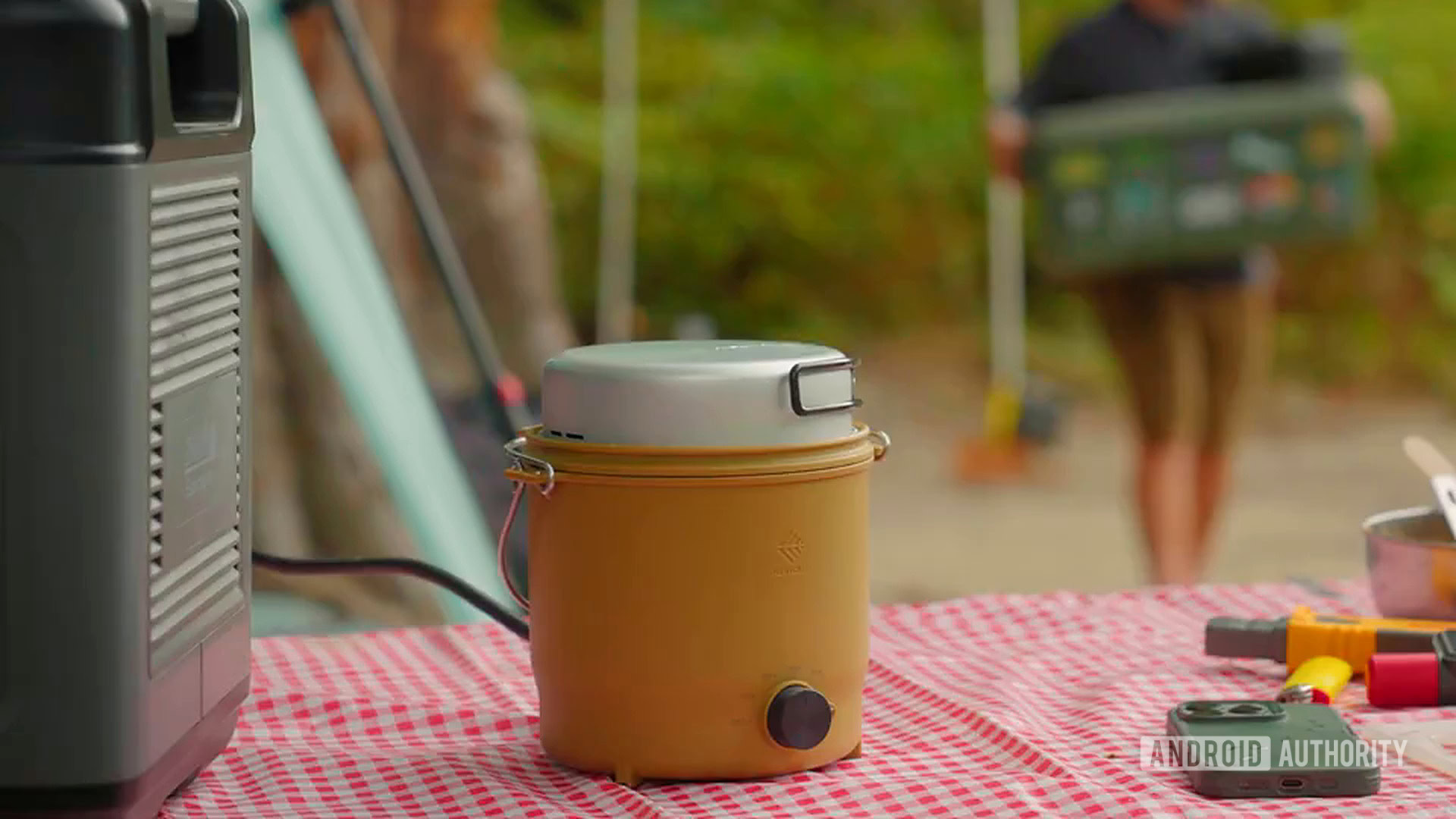
The traditional austerity of camping is increasingly being challenged by innovations that bring unexpected levels of comfort and connectivity to the outdoors. The presence of a powerful portable station, for instance, unlocked culinary possibilities previously reserved for home kitchens. The Nestout Outdoor Cooker (also marketed as the Cooker-1) exemplifies this shift, offering a compact 500W electric pot that operates directly from a portable power station or a standard wall outlet.
The primary appeal of the Nestout cooker is its sheer convenience. After a long day of travel and campsite setup, the ability to "plug in lunch" and enjoy a hands-off cooking experience is a game-changer. Unlike propane stoves, which often require constant stirring and meticulous heat management, the Nestout offers a "set-it-and-forget-it" approach. During the expedition, lentil soup and precooked sausages were simply added to the pot, allowing the team to focus on pitching tents, returning later to a hot, ready meal. The lid ingeniously doubles as a plate, though users are cautioned that the pot itself retains significant heat. The cooker also features a dedicated rice mode, three temperature settings for varied dishes, and a steaming tray for items like dumplings, expanding the range of possible campsite meals from simple rehydrated fare to more ambitious slow-cooked stews. With an 800ml capacity, it’s ideally suited for one or two people. While boiling a full pot of water took approximately 15 minutes, meaning it won’t entirely replace a high-BTU propane stove for rapid boiling, its convenience for simmering, steaming, and slow-cooking makes it a valuable addition for those seeking culinary comfort in the wild.
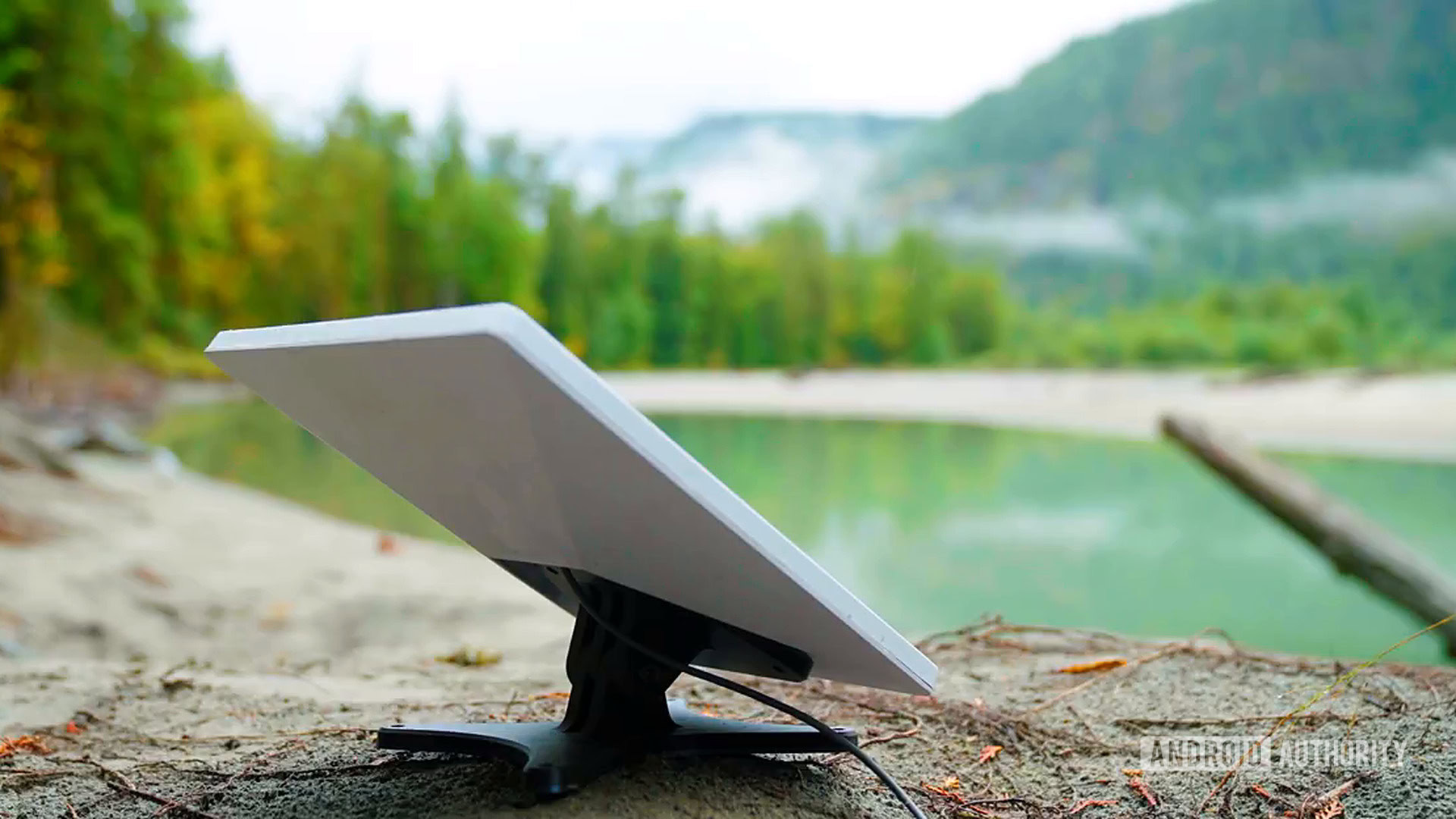
The paradox of "getting away from it all" while remaining connected is elegantly addressed by the Starlink Mini, representing the pinnacle of portable satellite internet technology. While the allure of a digital detox is strong for many, the practical reality for remote workers, content creators, or those needing emergency communication often necessitates reliable internet access. The Starlink Mini provides exactly this: a remarkably compact satellite dish with the router built directly into the unit, eliminating the need for separate components.
Setting up the Starlink Mini is guided by the intuitive Starlink app, which assists users in positioning and aligning the dish for optimal signal acquisition. The same application manages connected devices, runs speed tests, and allows for plan management. Internet speeds, while variable based on sky visibility, weather conditions, network congestion, and the chosen service plan, were consistently robust enough for demanding tasks like video calls and high-definition streaming from the remote campsite. The expedition utilized Starlink’s top-tier Roam Unlimited plan, priced at $175 per month, which offers global portability without data caps. For users with more modest data requirements, cheaper Roam plans are available with 100GB or 300GB of high-speed data. The Starlink Mini underscores a significant shift in outdoor connectivity, democratizing access to broadband internet in areas previously considered off-grid, thereby enabling remote work, enhancing safety, and fundamentally altering the boundaries of the "wilderness experience."
Even the most fundamental camping tool, the flashlight, has seen significant innovation. The Olight Baton 4 Premium Edition exemplifies this, becoming an indispensable everyday carry item for the expedition team. Roughly the size of a thumb at 63mm long, this compact flashlight delivers an astonishing 1,300 lumens of light, a remarkable output for its diminutive footprint. Its textured grip ensures secure handling, and a built-in battery indicator provides clear, real-time information on remaining charge, eliminating guesswork. Whether investigating an unfamiliar noise in the dark or locating items within a cooler, its powerful beam and reliable performance made it invaluable. The "Premium Edition" elevates its utility with the inclusion of a wireless charging case, akin to those used for wireless earbuds. Simply dropping the Baton 4 into its case at the end of the day initiates charging, and the case’s integrated 5,000mAh battery can recharge the flashlight up to five times. Crucially, the light can even be operated while docked within its charging case, adding another layer of convenience and continuous utility. This innovation in portable illumination highlights a broader trend towards integrating smart charging solutions and enhanced power management into even the simplest of outdoor tools.
Pushing Boundaries: The Future of Outdoor Mobility
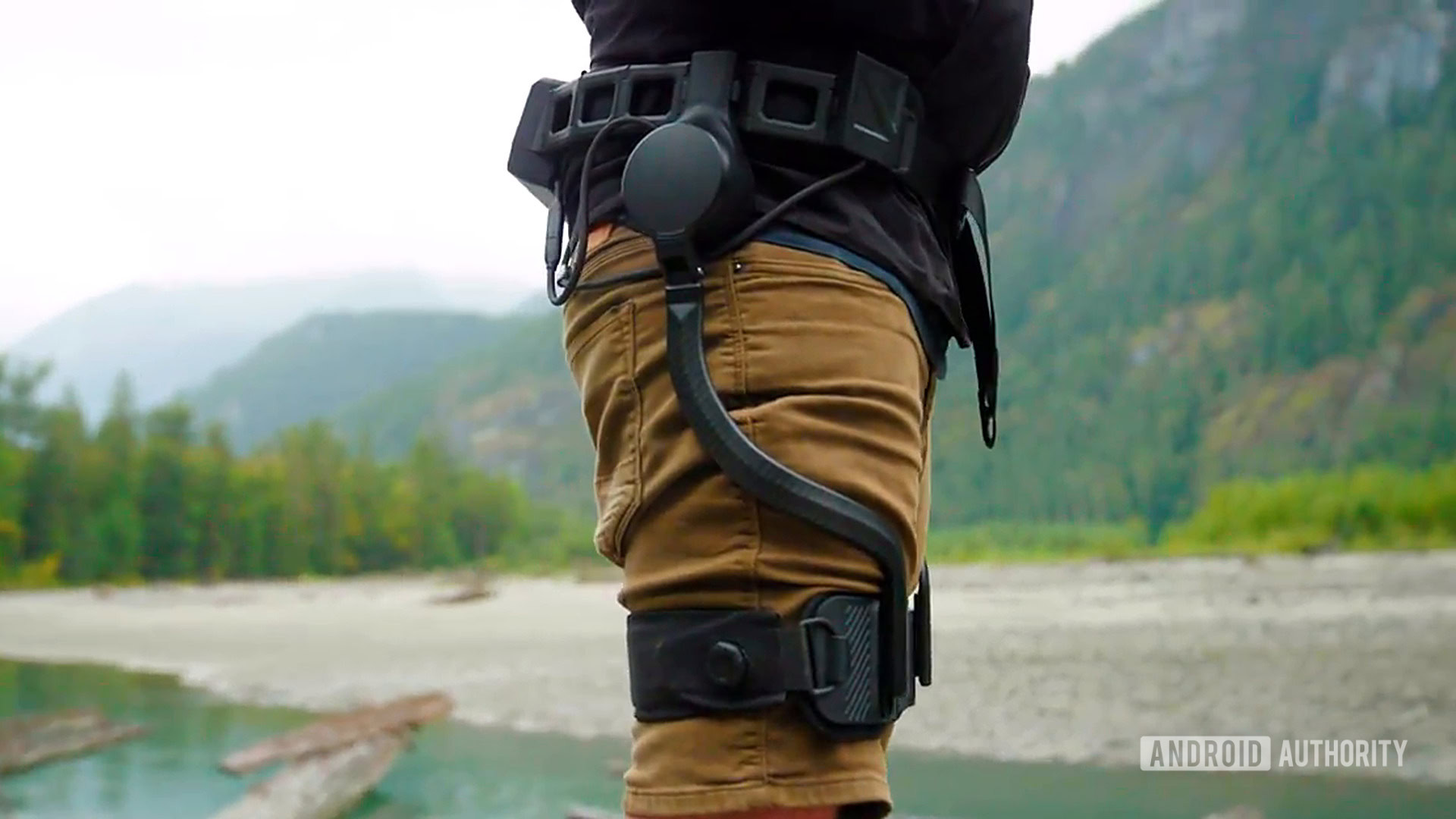
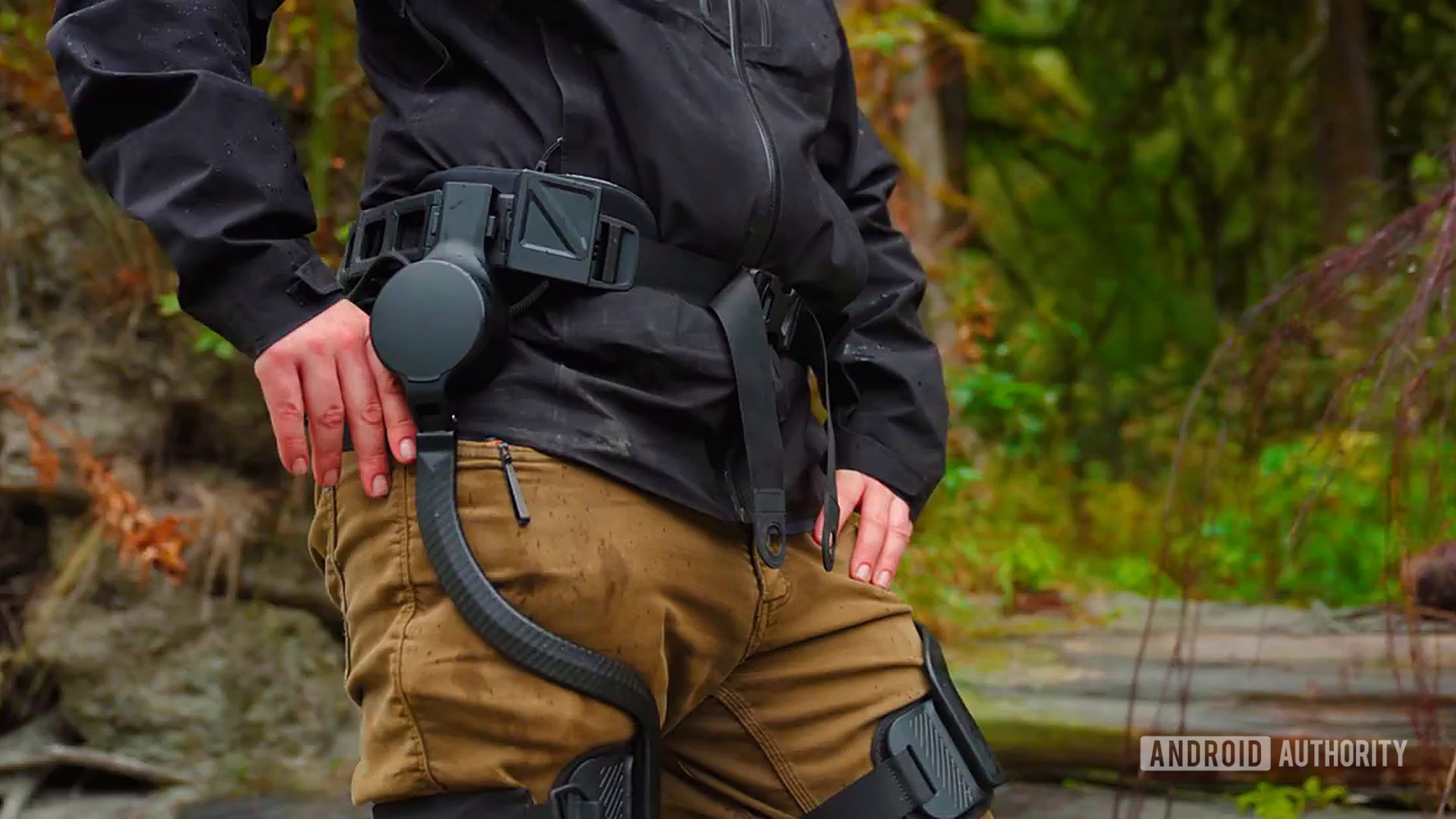
Perhaps the most futuristic and "over-the-top" piece of gear tested was the Ascentiz H Ultra, a powered exoskeleton designed to augment human mobility during hiking. The concept of strapping a motorized system to one’s hips for a trek might seem counterintuitive to the ethos of self-reliance, yet the H Ultra offers a compelling vision of enhanced physical capability. This innovative device utilizes motorized modules positioned at each hip, actively assisting leg movement during walking. Ascentiz claims it can reduce leg effort by up to 40%, a metric difficult to quantify precisely on a mountain trail but undeniably felt. The most significant impact was experienced on steeper inclines, where the exoskeleton noticeably eased the climb, transforming arduous ascents into more manageable endeavors.
Initial setup involves a few minutes to achieve the correct fit. The Exo-Belt features removable metal links for waist sizing, the hip modules are aligned with the user’s hips, and comfortable pads rest just above the knees. Once configured, donning the exoskeleton is straightforward. For users carrying large backpacks or traveling to trailheads, the belt can be reversed, positioning the main unit at the front. Constructed from a lightweight yet durable combination of titanium and carbon fiber, the entire system, including its battery, weighs approximately 2.5kg (5.5 pounds) and folds down to roughly A4 size, allowing for relatively easy transport in a pack.
A key design achievement of the Ascentiz H Ultra is its remarkably quiet operation. Ascentiz rates the noise level at no more than 35dB, ensuring that the motors’ assistance is barely perceptible, preserving the tranquility of the outdoor experience. The device incorporates an "AI OmniTerrain system" that intelligently reads the user’s movement patterns and automatically adjusts the assistance level, providing seamless support without requiring manual intervention for each step. Users can select from various modes via a companion app: "Ease" for general assistance, "ACC" for stronger acceleration support, and "Train," which paradoxically adds resistance for those seeking an even more challenging workout. In an emergency, the exoskeleton’s battery doubles as a power bank, offering a 20W USB-C output, further underscoring its multi-functional design.
While the expedition primarily used the H Ultra for recreational hiking, its underlying technology holds profound implications for individuals facing mobility challenges. The platform is modular, with Ascentiz also offering the H Pro for everyday mobility and lighter outdoor activities. Furthermore, a "K module" is in development, promising powered knee support and impact management during descents, with its availability to be announced soon. The Ascentiz H Ultra represents a pioneering step towards making outdoor recreation more accessible to a wider demographic, potentially redefining what is physically possible on the trail.
The Broader Implications: Balancing Nature and Innovation
The expedition into the mountains with a veritable arsenal of cutting-edge technology presents a compelling narrative about the evolving relationship between humanity, nature, and innovation. Far from seeking a complete escape from the digital world, the team consciously brought it along, not as a distraction, but as an enabler and enhancer of the outdoor experience. This approach highlights several broader implications for recreation, industry, and society at large.
Firstly, the emphasis on safety and self-reliance is significantly bolstered by these technologies. Devices like the Garmin Fenix 9 Pro with inReach and the Oukitel WP63 with its integrated fire starter provide unprecedented levels of emergency communication, navigation, and basic survival tools. This can democratize access to more remote or challenging environments, as individuals with varying levels of experience or physical capability can venture out with greater confidence. However, it also raises questions about over-reliance on technology and the potential for reduced traditional wilderness skills.
Secondly, the rise of comfort-focused camping, or "glamping," is directly facilitated by innovations like the Oukitel P2001 Pro power station and the Nestout Outdoor Cooker. These tools allow for a more luxurious and less arduous experience, making outdoor stays appealing to a broader audience who might otherwise be deterred by the perceived hardships of traditional camping. This shift could lead to increased participation in outdoor activities, but also prompts discussions about the environmental impact of larger, more energy-intensive campsites and the potential for natural areas to become more commercialized.
Thirdly, the integration of advanced connectivity, epitomized by the Starlink Mini, fundamentally alters the "digital detox" ideal. While some still seek complete disconnection, the ability to maintain internet access in remote locations enables digital nomads to work from anywhere, facilitates remote learning, and ensures that essential communication channels remain open. This blurs the lines between urban and wilderness living, creating new opportunities but also new challenges regarding maintaining the pristine nature of wild spaces in an increasingly connected world.
Finally, the Ascentiz H Ultra exoskeleton represents a paradigm shift in human augmentation for recreation. Moving beyond assistive medical devices, consumer-grade exoskeletons challenge our notions of human performance and accessibility. While immensely beneficial for individuals with mobility limitations, their adoption by able-bodied adventurers could redefine what constitutes "natural" outdoor achievement, sparking ethical debates about fairness, the spirit of sport, and the long-term impact on human physical development.
In conclusion, the expedition underscored that outdoor technology is no longer a niche curiosity but an integral part of modern wilderness engagement. It offers enhanced safety, unparalleled convenience, and new avenues for exploration and accessibility. As these technologies continue to evolve, the challenge for both manufacturers and outdoor enthusiasts will be to strike a thoughtful balance, harnessing the power of innovation to enrich our connection with nature while preserving the very essence and integrity of the wild. The future of outdoor adventure, it seems, will be a dynamic interplay between the ancient call of the wild and the relentless march of technological progress.